The preservation of food has been a cornerstone of human survival and societal development since time immemorial. Among the earliest and most enduring techniques was the drying of food, a practice that allowed for the storage of vital sustenance, transforming seasonal abundance into year-round availability. This art, born of necessity and honed by generations of observation, facilitated the movement of people, the growth of settlements, and the intricate webs of trade that characterized early civilizations. The act of sharing dried foods was not merely an economic transaction; it was a conduit for cultural exchange, a testament to shared knowledge, and a crucial element in the establishment of community and cooperation across vast distances. From the sun-baked plains of Mesopotamia to the fertile river valleys of Egypt and the windswept steppes of Asia, the practice of preserving food through desiccation laid the groundwork for complex societies and laid the foundation for the interconnected world that would eventually emerge.
The Sun’s Gift: Harnessing Natural Desiccation
The most fundamental method of food preservation, dating back to the dawn of agriculture, was the simple yet profoundly effective process of drying. Early humans, observing how food left exposed to the elements would eventually lose its moisture and resist spoilage, began to harness this natural phenomenon deliberately. This involved utilizing the sun’s intense heat and the drying power of the wind to remove water from fruits, vegetables, grains, and even meats. The reduction of water content severely inhibits the growth of microorganisms like bacteria, yeasts, and molds, which are the primary culprits behind food spoilage. This ancient technology, accessible to virtually any community with access to sunlight and air, became a ubiquitous solution for managing food surpluses and ensuring survival during leaner times. The simplicity of the method belied its immense impact, allowing early peoples to store essential calories and nutrients, thereby reducing their vulnerability to famine and enabling the development of more stable and predictable food supplies.
Fruits of Labor: Drying Fruits for Sweetness and Energy
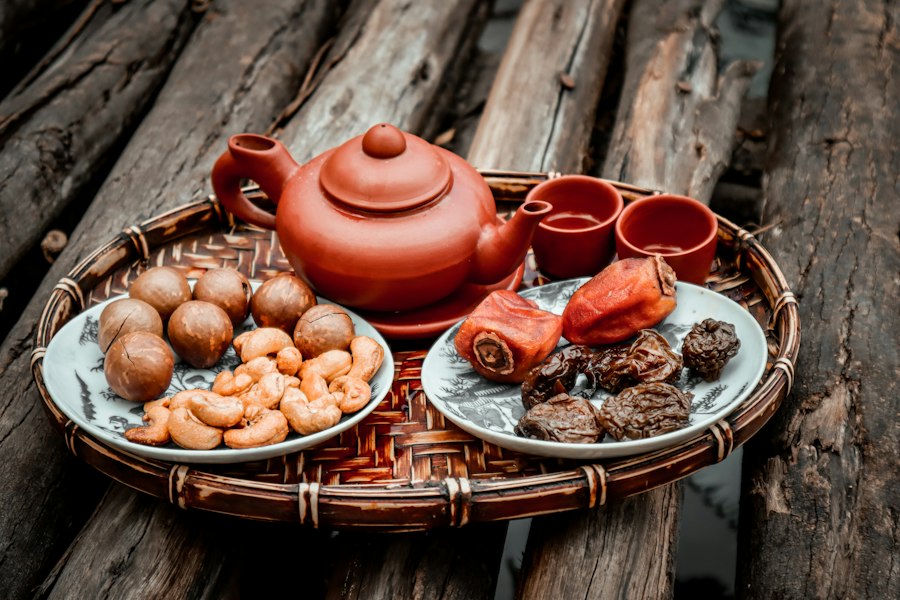
Fruits, with their inherent sugars and readily available moisture, were particularly well-suited for drying. The process concentrated their natural sweetness, transforming them into calorie-dense, portable snacks. Grapes were dried into raisins, figs were flattened and desiccated, and apricots and plums became chewy, energy-rich morsels. This not only preserved the fruits for consumption during the off-season but also made them easier to transport, a critical factor for nomadic peoples and burgeoning trade networks. The energy density of dried fruits made them invaluable for travelers, hunters, and anyone undertaking strenuous activity. Furthermore, the concentrated sugars in dried fruits offered a readily accessible source of quick energy, a significant advantage in environments where consistent food availability was a challenge. The careful selection of ripe fruits, the timing of harvesting, and the method of drying all contributed to the quality and longevity of the preserved product, skills passed down through generations and refined by experience.
Grains and Pulses: The Foundation of Civilization
Perhaps the most significant application of drying in early civilizations was in the preservation of staple grains and pulses. Wheat, barley, rice, lentils, and beans, when properly dried and stored, formed the bedrock of diets across the globe. These crops, cultivated in fertile regions, were harvested in abundance during specific seasons. Without effective preservation methods, much of this hard-won bounty would be lost to pests and spoilage. Drying, often involving spreading harvested grains on large surfaces to be sun-baked and wind-swept, or storing them in arid, well-ventilated granaries, ensured that these essential carbohydrates and proteins could be stored for months, even years. This allowed for the development of settled communities, as people no longer needed to be constantly on the move in search of immediate food. The surplus generated by efficient grain preservation funded specialized labor, supported larger populations, and ultimately fueled the growth of complex societies and the rise of cities. The ability to store grains also provided a buffer against crop failures, drought, or other natural disasters, mitigating the risk of widespread famine.
Preserving the Hunt: Drying Meats for Extended Sustenance
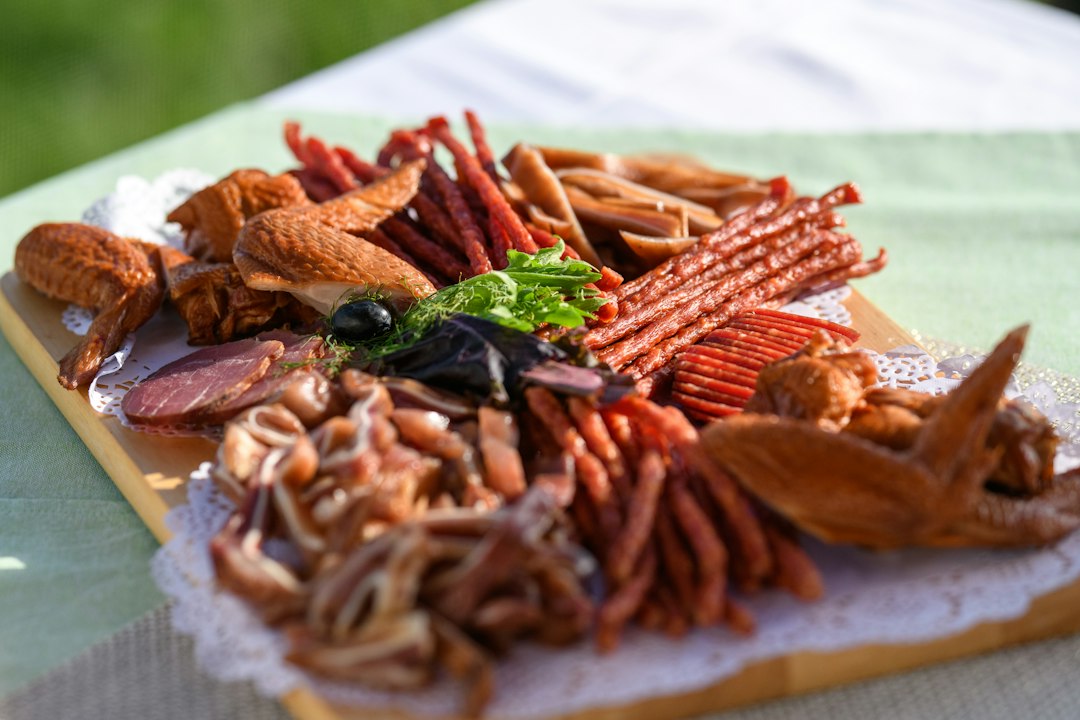
For hunter-gatherer societies and those engaged in animal husbandry, the drying of meat was a vital technique for preserving a valuable source of protein and fat. Strips of meat, lean and fatty, were often cut thin and exposed to the sun and wind, sometimes with the addition of salt to further inhibit microbial growth. This process, yielding jerky or biltong, allowed hunters to preserve their kills for extended periods, providing sustenance on long journeys or during times of scarcity. The removal of moisture from the meat made it significantly lighter and more durable, making it an ideal foodstuff for long-distance travel and military campaigns. The practice of drying meat was also crucial for populations living in regions where fresh meat was not always readily available, providing a consistent source of essential nutrients. The quality of the dried meat depended on the cut of meat, the thinness of the strips, and the prevailing environmental conditions, all factors that early peoples learned to master through trial and error.
In ancient times, the sharing of dried food played a crucial role in the survival and social cohesion of communities. This practice not only ensured that food was preserved for long periods but also fostered relationships among individuals and tribes, as they exchanged resources based on need and availability. For a deeper understanding of how trade and sharing have evolved over time, you can explore the article on the evolution of trade agreements, which highlights the importance of cooperation in commerce: The Evolution of NAFTA and USMCA.
Innovations in Storage and Preparation
While sun and wind drying were the primary methods, early civilizations also developed ingenious ways to enhance the drying process and ensure the long-term storage of dried foods. These innovations focused on protecting the dried products from moisture, pests, and contamination, thereby maximizing their shelf life and nutritional value. The understanding of how different storage environments affected food preservation led to the development of specialized containers and storage structures, further solidifying the role of dried foods in sustaining communities. The successful storage of dried goods was as crucial as the drying process itself, demanding foresight, careful management, and an understanding of the delicate balance required to keep food edible.
The Role of Ceramics and Sealed Vessels
The invention and widespread adoption of pottery played a significant role in the preservation of dried foods. Ceramic vessels, often sealed with lids or stoppers, provided a protective barrier against moisture, insects, and rodents. This was particularly important for finely ground grains, dried fruits, and powdered ingredients. The ability to create airtight or near-airtight containers allowed for more confident long-term storage, safeguarding precious food reserves. In regions where humidity was a concern, the development of glazed pottery further enhanced its protective qualities, creating a non-porous surface that repelled water. These vessels were not merely utilitarian; their production and decoration also reflect the artistic and cultural development of early societies, demonstrating a commitment to both practical needs and aesthetic expression. The evolution of pottery designs and sizes also catered to different storage needs, from small personal caches to large communal granaries.
In ancient times, the practice of sharing pieces of dried food was not only a means of sustenance but also a vital social activity that strengthened community bonds. This tradition can be traced back to various cultures, where dried fruits and meats were often exchanged during gatherings or festivals. For a deeper understanding of how ancient societies interacted and shared resources, you might find it interesting to explore this related article on the secrets of Antarctica before the ice age. The insights provided there shed light on the early human behaviors that shaped our ancestors’ survival strategies. You can read more about it here.
Granaries and Silos: Fortifying the Food Supply
The construction of dedicated structures for storing dried grains and pulses marked a significant advancement in food security. Granaries and silos, ranging from simple above-ground structures to more complex subterranean designs, were built to provide dry, cool, and pest-resistant environments. These structures often incorporated features like raised floors to prevent dampness, ventilation systems to regulate temperature and humidity, and tight-fitting doors to deter intruders and vermin. The communal nature of these storage facilities also fostered social cohesion and cooperation, as communities collectively managed their food reserves. The size and organization of granaries reflected the agricultural output and population density of a settlement, serving as a visible symbol of its prosperity and stability. The careful planning and construction of these facilities demonstrated a sophisticated understanding of agricultural economics and the importance of strategic food management for the long-term survival of the community.
Early Forms of Milling and Processing
While the focus was on drying, early civilizations also developed rudimentary methods for processing dried foods to enhance their palatability and usability. Milling grains into flour, for instance, unlocked their potential for a wider range of dishes, such as unleavened bread and porridges. Dried fruits could be pounded into pastes or incorporated into stews and baked goods. These processing techniques not only diversified the culinary landscape but also made nutrients more accessible for digestion. The development of grinding stones and pestles and mortars were crucial tools in this regard, allowing for the efficient transformation of dried staples into more digestible and versatile forms. This culinary innovation expanded the potential uses of dried foods, making them a more integral part of the daily diet and a more valuable commodity for trade and exchange.
Trade Routes and the Spread of Flavors

The ability to preserve food through drying was intrinsically linked to the development of trade and the movement of goods and people. Dried foods, being lightweight and durable, were ideal commodities for long-distance travel. This facilitated the exchange of agricultural products, culinary traditions, and even agricultural knowledge between distant settlements and emerging civilizations. The “sharing” of dried foods, therefore, extended beyond immediate communities, creating networks of interdependence and cultural diffusion. This ancient form of globalization, driven by the fundamental need for sustenance, laid the groundwork for the interconnectedness of the world.
Caravans and Maritime Trade: Transporting Preserved Provisions
Caravans traversing vast overland routes and ships navigating ancient sea lanes carried dried foodstuffs as a primary cargo. Grains, dried fruits, and preserved meats were essential provisions for traders, explorers, and armies alike. The ability to transport these non-perishable items over significant distances allowed for the establishment of long-range trade networks, connecting producers with consumers in distant lands. The Silk Road, the spice routes, and the maritime trade of the Mediterranean all relied heavily on the availability of dried and preserved foods to sustain their journeys. These trade routes not only facilitated economic exchange but also acted as arteries for the transmission of ideas, technologies, and cultural practices. The demand for specific dried goods in different regions spurred agricultural diversification and specialized production, further enriching the tapestry of ancient commerce.
The Exchange of Culinary Knowledge and Ingredients
As dried foods traveled across continents, so too did the culinary knowledge associated with them. Recipes and preparation techniques were shared and adapted, leading to the evolution of diverse regional cuisines. The introduction of new dried ingredients, such as exotic spices or previously unknown fruits and grains, enriched the diets and culinary traditions of receiving societies. This cross-pollination of foodways was a powerful engine of cultural exchange, fostering understanding and connection between disparate peoples. The sharing of dried foods was, in essence, a sharing of cultural identity and heritage, embedded within the very fabric of these preserved staples. The flavors and textures of dried foods became markers of origin and identity, shaping regional culinary landscapes and contributing to the rich diversity of human gastronomy.
Dried Foods as Diplomatic and Social Currency
Beyond their economic value, dried foods also played a significant role in diplomatic relations and social interactions. Gifts of high-quality dried fruits, valuable grains, or preserved meats could be used to cement alliances, reward loyalty, or appease rivals. The careful selection and presentation of such gifts underscored their importance as a measure of wealth, status, and goodwill. In times of crisis or famine, the sharing of dried food reserves between communities could be a crucial act of solidarity and mutual aid, strengthening social bonds and fostering a sense of collective responsibility. The symbolic weight of these provisions, representing hard work, foresight, and sustenance, lent them considerable social and political power in the ancient world.
The Enduring Legacy of Dried Foods
The traditions of sharing dried foods established by early civilizations have not faded into obscurity. They have evolved and adapted, continuing to play a vital role in global food systems and cultural practices. From the humble raisin in a modern breakfast to the specialized freeze-dried meals of space exploration, the fundamental principle of water removal for preservation remains a testament to the ingenuity of our ancestors. The legacy of this ancient practice is woven into the fabric of our daily lives, a constant reminder of the enduring human drive to secure sustenance and foster connection.
Modern Adaptations and Technological Advancements
While the basic principles remain the same, modern technology has revolutionized the drying process. Dehydrators, freeze-drying, and vacuum sealing have enabled more efficient and consistent preservation of a wider variety of foods, maintaining nutrient content and extending shelf life even further. These advancements have made dried foods more accessible and appealing to contemporary consumers, while also serving crucial roles in areas like emergency preparedness and space travel. The scientific understanding of food preservation has allowed for greater control over the drying process, leading to superior products with enhanced sensory qualities and nutritional profiles.
Dried Foods in Contemporary Diets and Health
Dried foods continue to be an important part of healthy diets worldwide. They are a convenient source of fiber, vitamins, minerals, and antioxidants, particularly dried fruits. Their portability and long shelf life make them ideal for busy lifestyles, outdoor activities, and as healthy snacks. The understanding of their nutritional benefits has led to their incorporation into a wide range of health-conscious food products. The concentrated sugars, while requiring moderation, also provide readily available energy for athletes and those requiring quick caloric intake. The versatility of dried foods allows them to be a part of both savory and sweet dishes, contributing to a balanced and diverse diet.
Cultural Continuity and Global Significance
The traditions of drying and sharing food, forged in the crucible of early civilizations, persist in various forms across cultures. From the dried fruits shared during religious festivals to the dried herbs that flavor cuisines worldwide, these ancient practices continue to hold cultural and social significance. The enduring appeal of dried foods is a testament to their practicality, their nutritional value, and their deep-rooted connection to human history and ingenuity. The act of sharing dried food, whether as a gesture of hospitality, a commercial exchange, or a means of ensuring survival, remains a fundamental expression of human connection and a vital thread in the tapestry of global civilization. The simple act of preserving food through drying has, over millennia, fostered communities, enabled exploration, and shaped the very course of human history.
