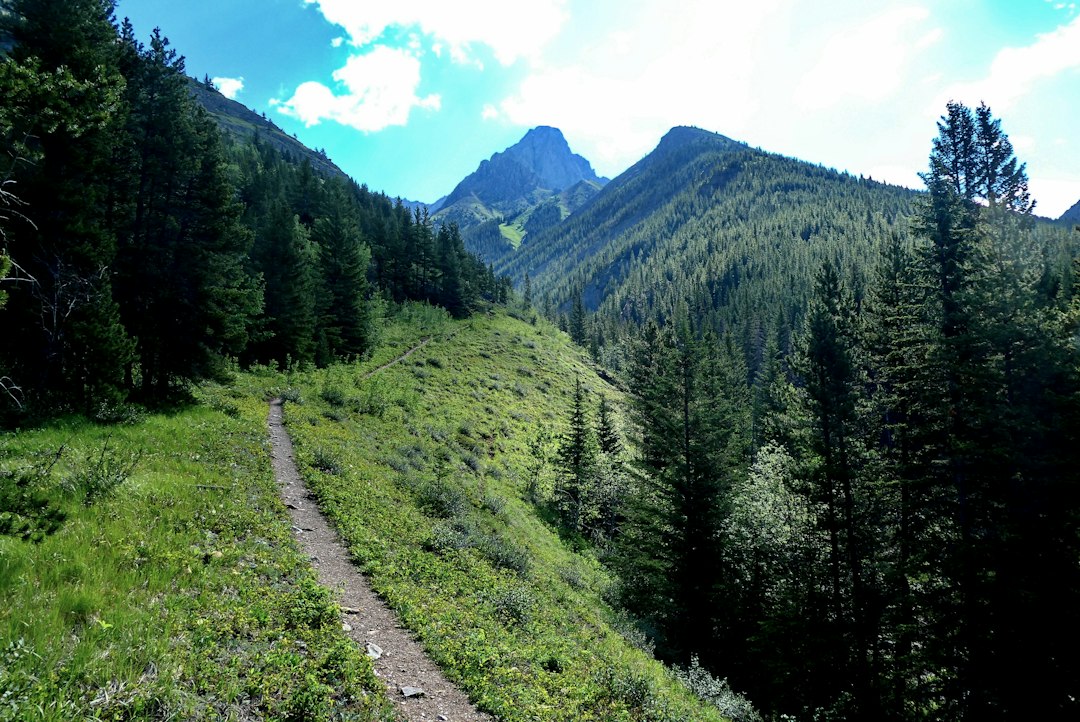
The wind whispers secrets through the skeletal branches of ancient pines, a constant murmur that has accompanied travelers for millennia. These mountains, their peaks often shrouded in ethereal mist, hold within their rugged embrace a silent testament to human endeavor: the narrow mountain passes that once served as vital arteries of prehistoric life. These were not grand highways carved by engineers, but often perilous, barely-there trails, etched into the very fabric of the landscape by the tireless feet of generations. The exploration of these ancient routes, once dismissed as mere geological formations, has opened a remarkable window into the lives, movements, and interconnectedness of our distant ancestors.
Whispers of Passage: Identifying Prehistoric Trails
The identification of these ancient pathways is a meticulous, often painstaking, archaeological endeavor. Unlike meticulously planned Roman roads or later colonial tracks, prehistoric routes were organic, shaped by necessity and the subtle contours of the land. Their survival is a testament to their strategic placement, often following natural drainage patterns, avoiding impassable cliffs, and utilizing sheltered sections of valleys. Archaeologists employ a variety of techniques to locate and interpret these faint imprints on the earth.
Mapping the Unseen: Geological and Topographical Clues
Geologists and geographers provide the foundational understanding of the terrain. Their maps highlight geological formations that might have dictated ancient movement: fault lines creating easier passage, saddle points between peaks offering the lowest gradients, and the presence of reliable water sources. Topographical surveys reveal subtle changes in elevation and slope that might indicate deliberate pathways, even where vegetation has long since reclaimed them. Features like linear depressions, subtle terraces along hillsides, and unusual patterns of rockfall can all point to human activity. The absence of modern development in certain remote areas is also a crucial factor, preserving these ancient routes from erasure.
Echoes in the Earth: Archaeological Indicators
On the ground, archaeologists search for more direct evidence. The presence of lithic scatters – dispersed stone tools and debitage from tool manufacturing – can indicate campsites or resting points along a route. Flintknapping activities required resources, and these were often found and processed along travel corridors. Burial sites, particularly cairns or simple grave markers, can be clustered along ancient paths, suggesting them as significant places for remembrance or ritual. Evidence of primitive agriculture, such as terraced fields or remnants of irrigation channels, can also be found in areas that were once sustained by people traversing these routes for extended periods.
The Subtle Art of Survey: Remote Sensing and Ground Truthing
Modern technology plays an increasingly vital role. Aerial photography and satellite imagery can reveal patterns invisible to the naked eye. Lidar (Light Detection and Ranging) technology, in particular, can penetrate dense vegetation to map the underlying topography, exposing subtle anthropogenic features like ancient tracks. However, technology is only a tool. Ground truthing, the physical inspection of suspected sites, remains paramount. This involves careful excavation, detailed mapping, and the analysis of recovered artifacts to confirm the human origin and age of the features.
The study of narrow mountain pass prehistoric routes reveals fascinating insights into the migration patterns and trade networks of ancient civilizations. These routes often served as critical pathways for early human communities, facilitating cultural exchange and resource distribution. For a deeper understanding of how historical events can impact land use and ownership, you may find the article on government seizure of private property during crises particularly relevant. It explores the complexities of land rights and the implications of such actions throughout history. You can read more about it here: Government’s Seizure of Private Property in Crisis.
Lifeblood of the Landscape: Resources and Rendezvous Points
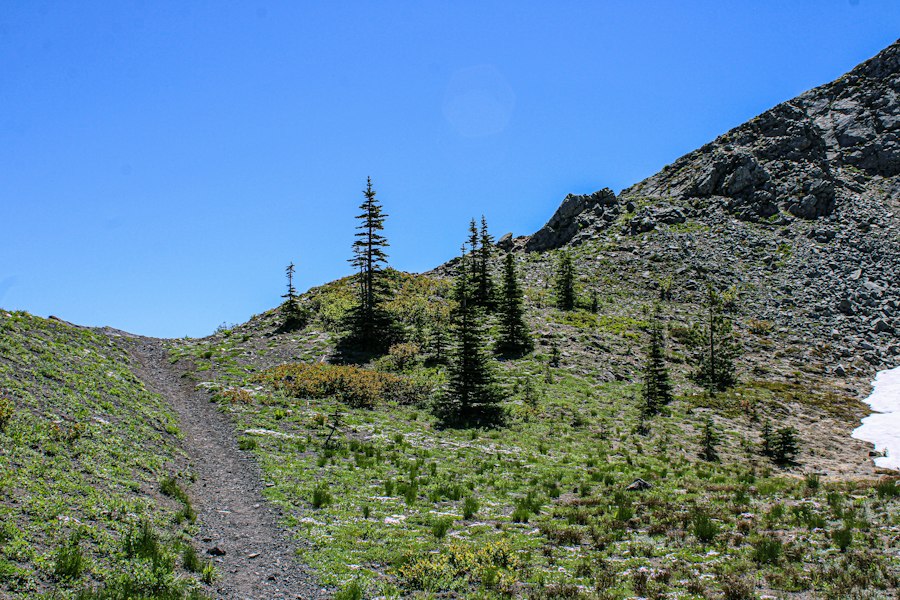
These narrow mountain passes were not merely conduits of travel; they were dynamic interfaces between different ecological zones and social groups. They connected disparate communities to vital resources, facilitated trade, and served as meeting grounds for exchange, ritual, and social interaction. The very landscape dictated the flow of human movement, and the passes were the nexus points where this flow was most concentrated and significant.
The Lure of Sustenance: Access to Food and Water
The primary driver for human movement, then as now, was survival. The mountain passes often provided access to crucial resources that were unevenly distributed across the landscape. This included reliable water sources – springs, perennial streams, and glacial meltwater – which were essential for both human and animal survival. Furthermore, these routes could lead to areas rich in game, providing hunting grounds. For settled communities, these passes might connect them to arable land in sheltered valleys or to coastal resources. For nomadic or semi-nomadic groups, these routes facilitated the seasonal migration of herds and the exploitation of different foraging opportunities at different times of the year.
The Exchange of Goods: Prehistoric Trade Networks
The movement through these passes fostered early forms of trade and exchange. Obsidian, highly prized for its sharp cutting edge, was often transported over vast distances, and its presence in archaeological sites far from its geological source is a clear indicator of these ancient networks. Salt, another essential commodity, was also a significant trade item, and passes often led to salt licks or productive salt-producing areas. Shells, valuable pigments, and even finished tools could be exchanged, creating a web of interconnectedness that stretched across geographical and cultural divides. The discovery of non-local materials in prehistoric settlements along these routes is a powerful testament to this long-distance exchange.
Crossroads of Culture: Meeting Places and Ritual Sites
Beyond the utilitarian, these passes often held significant social and ritualistic importance. They could be neutral territories where different groups met for purposes beyond simple trade, such as arranging marriages, settling disputes, or participating in shared ceremonies. The presence of megalithic structures, such as standing stones or burial mounds, situated near or along these passes further suggests their ritualistic significance. These were sacred places, where the spiritual and the practical intertwined, marking the passage of life and death, and the continuity of community.
Navigating the Perilous Heights: Challenges and Adaptations
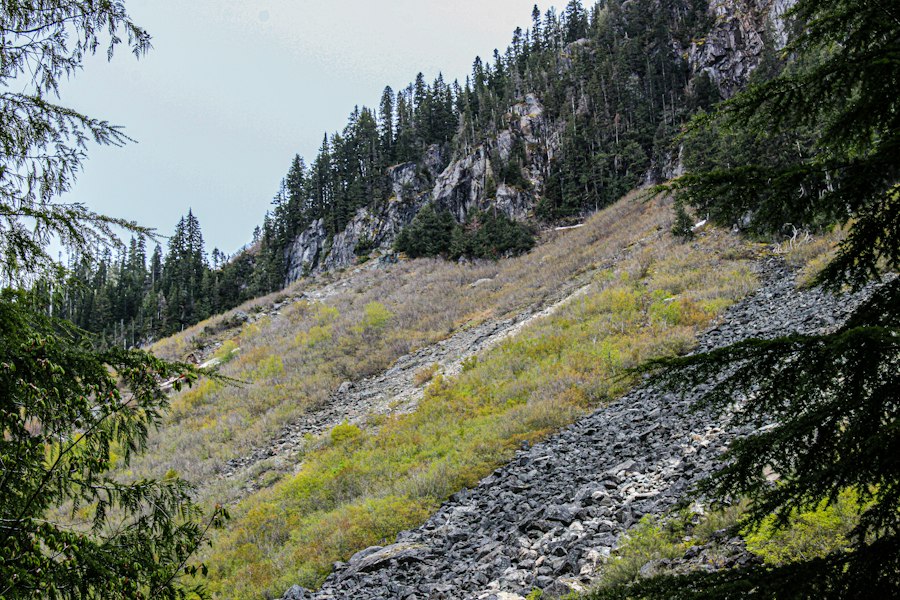
The journey through a narrow mountain pass was far from a leisurely stroll. It demanded considerable resilience, ingenuity, and a deep understanding of the environment. The challenges were manifold, and human adaptations were equally remarkable, showcasing an intimate knowledge of the natural world.
The Fury of the Elements: Weather and Seasonality
The most immediate and formidable challenge was the weather. Extreme temperatures, unpredictable storms, avalanches, and treacherous ice posed constant threats. Prehistoric travelers would have relied on a deep understanding of seasonal patterns, timing their journeys to coincide with the most favorable periods. The construction of rudimentary shelters, windbreaks, and the use of natural caves provided refuge. The development of appropriate clothing, likely made from animal hides and woven fibers, would have been crucial for survival in harsh conditions.
The Treacherous Terrain: Rockfalls, Steep Inclines, and Narrow Ledges
The very nature of a mountain pass presented significant physical obstacles. Steep inclines demanded careful foot placement and often required the use of hands for balance. Narrow ledges, sometimes hundreds of feet above the valley floor, necessitated extreme caution. Rockfalls, both natural and triggered by the passage of humans and animals, were a constant danger. The development of specialized footwear, the use of walking sticks, and the careful selection of the safest routes, often marked by subtle cairns or worn depressions, were essential survival strategies. The ability to navigate by stars, sun, and familiar landmarks would have been paramount.
The Weight of the Load: Carrying Supplies and Materials
Foraging and hunting were not the only activities; people also carried possessions. Whether it was tools, food, hides, or materials for shelter, the need to transport goods added another layer of complexity. This could involve wearing packs, using carrying frames, or even domesticating animals for burden bearing. The efficiency of movement, given the challenging terrain, would have been a key consideration in how much could be transported and the pace of travel.
Unraveling the Past: Discoveries and Interpretations
The ongoing exploration of these ancient mountain routes continues to yield fascinating discoveries, constantly refining our understanding of prehistoric human societies. Each artifact, each subtle alteration to the landscape, is a piece of a larger puzzle, revealing connections and complexities previously unimagined.
The Rosetta Stone of Obsidian: Tracing Movement and Exchange
The study of obsidian, with its unique geological signatures, has been particularly illuminating. By analyzing the chemical composition of obsidian artifacts found at archaeological sites, researchers can trace their origin back to specific volcanic sources. When obsidian from a distant mountain source is found along a prehistoric pass, it provides irrefutable evidence of long-distance travel and trade. These obsidian “Rosetta Stones” have helped to reconstruct intricate trade networks and demonstrate the far-reaching connections between seemingly isolated prehistoric communities.
Whispers of Identity: Burial Practices and Social Structures
The discovery of burial sites along these routes offers profound insights into the social and spiritual lives of the people who used them. The type of burial, the grave goods interred, and the location of the interments can reveal information about social hierarchies, belief systems, and kinship structures. Were these individuals travelers who met their end on the journey, or were these routes chosen specifically for their sacredness, serving as final resting places? The answers to these questions are slowly emerging from the earth.
A Connected World: Reconstructing Prehistoric Societies
Ultimately, the exploration of ancient mountain passes allows us to move beyond viewing prehistoric societies as isolated, insular groups. Instead, it paints a picture of a dynamic, interconnected world where people traveled, exchanged, and interacted across vast distances. These routes served as the connective tissue, binding together communities and cultures, facilitating the spread of ideas, technologies, and even genetic material. The seemingly simple act of traversing a mountain pass was, in fact, a crucial component of a complex and vibrant prehistoric tapestry.
Exploring the narrow mountain pass prehistoric routes reveals fascinating insights into the migration patterns of ancient civilizations. These pathways, often carved through rugged terrain, served as vital connections between different regions, allowing for trade and cultural exchange. For a deeper understanding of how historical routes have shaped modern landscapes and economies, you might find this article on retirement account safety particularly interesting, as it discusses the importance of safeguarding assets in a changing world. Check it out here.
The Future of Ancient Trails: Preservation and Continued Exploration
| Route Name | Location | Estimated Age (Years BP) | Width (meters) | Primary Use | Notable Findings |
|---|---|---|---|---|---|
| Inca Trail Pass | Andes Mountains, Peru | ~600 | 1.5 | Trade and Pilgrimage | Stone terraces, ancient waystations |
| Via Nova Pass | Alps, Europe | ~2,000 | 2.0 | Trade and Military | Roman artifacts, road remnants |
| Silk Road Mountain Pass | Pamir Mountains, Central Asia | ~2,500 | 1.2 | Trade | Ancient caravan remains, pottery shards |
| Himalayan Pass Route | Himalayas, South Asia | ~3,000 | 1.0 | Migration and Trade | Stone tools, burial sites |
| Rocky Mountain Pass | Rocky Mountains, North America | ~1,500 | 1.8 | Hunting and Migration | Animal bones, fire pits |
The ongoing study and appreciation of these ancient routes are crucial for understanding our collective past. However, many of these pathways are vulnerable to modern development, erosion, and neglect. Their preservation and continued exploration are essential for future generations.
Safeguarding Fragile Landscapes: Threats and Conservation Efforts
Modern infrastructure projects, such as roads and dams, can obliterate ancient trails. Unregulated tourism and agricultural expansion also pose threats to these delicate archaeological landscapes. Conservation efforts are therefore vital. This involves designating protected areas, implementing responsible land management practices, and educating local communities about the historical significance of these routes. Archaeological surveys and documentation are crucial first steps in identifying and prioritizing these vulnerable sites.
Technology as a New Compass: Future Research Avenues
The continued advancement of technology offers exciting possibilities for future research. High-resolution drones equipped with multispectral cameras can provide unprecedented detail for mapping and analysis. Geochemical analysis of soil samples can reveal subtle traces of past human activity. Citizen science initiatives, where trained volunteers assist in documenting and surveying potential ancient routes, can significantly expand the reach of research efforts.
Leaving a Legacy: Education and Sustainable Tourism
By understanding and appreciating these ancient trails, we can foster a deeper connection to our past. Promoting responsible and sustainable tourism along these routes can not only provide economic benefits to local communities but also raise awareness about their historical and cultural importance. Leaving a legacy of preservation and understanding ensures that the whispers of passage through these narrow mountain passes continue to inform and inspire for generations to come. The mountains, in their silent grandeur, continue to hold their secrets, inviting us to listen and to learn from the enduring journeys of our ancestors.