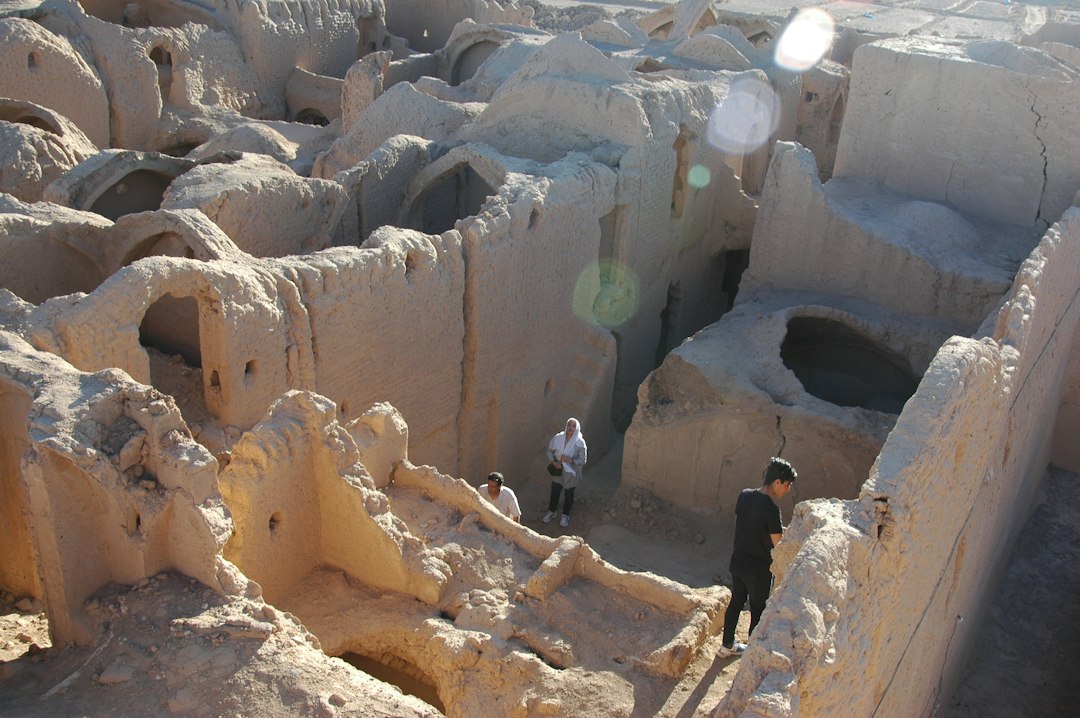
Morocco, a land steeped in millennia of history, has long been a fertile ground for archaeological exploration. Its strategic location at the crossroads of Africa and Europe, coupled with a rich tapestry of indigenous cultures and successive civilizations, has left an indelible mark on its landscape. From the dawn of humanity to the grandeur of ancient empires, Moroccan soil holds secrets waiting to be unveiled. Recent decades, in particular, have witnessed a surge in significant archaeological discoveries, pushing the boundaries of our understanding of North African prehistory, the Punic and Roman eras, and the foundational periods of Islamic civilization. These unearthed treasures offer a tangible link to the past, illuminating the lives, beliefs, and societal structures of those who came before, and reshaping narratives previously understood through fragmented texts and oral traditions alone. The ongoing work of Moroccan and international archaeologists continues to paint a more nuanced and comprehensive picture of this captivating region’s deep historical roots.
The Cradle of Humanity: Early Hominin Sites and Their Significance
The sands of Morocco have yielded some of the most profound insights into the very origins of humankind, pushing back the timeline for human evolution and challenging established theories. These discoveries are not merely a matter of academic interest; they represent crucial milestones in understanding our species’ journey from its earliest ancestors to its present form. The sites scattered across the Moroccan landscape offer a unique window into a period where hominin populations were migrating, evolving, and developing rudimentary tools and social structures. The implications of these findings resonate globally, contributing to a collective understanding of human dispersal and adaptation.
Jebel Irhoud: A Game-Changer for Human Evolution
Perhaps the most sensational discovery in recent Moroccan archaeology is the Jebel Irhoud site, located near the city of Safi. Here, fossilized remains of Homo sapiens have been dated to approximately 300,000 years ago, making them the oldest known fossils of our species yet found. Previously, the oldest Homo sapiens fossils were thought to be around 200,000 years old, discovered in Ethiopia. The Jebel Irhoud findings significantly predate these, suggesting that the emergence of Homo sapiens was not a singular event confined to East Africa, but rather a more widespread phenomenon across the African continent.
The fossils themselves exhibit a mosaic of features. While possessing a more archaic braincase shape compared to modern humans, their facial structure is remarkably similar to our own. This suggests a complex evolutionary process, where certain traits associated with modern humanity may have developed earlier in some populations than others. The sophisticated lithic assemblage found at Jebel Irhoud, characterized by Levallois technology – a technique for preparing stone cores to produce predictable flakes – further underscores the cognitive abilities of these early hominins. This level of technological advancement at such an early stage indicates a capacity for planning, foresight, and innovation, hallmarks of our species. The Jebel Irhoud discovery has thus fundamentally altered the scientific consensus on the origin and early evolution of Homo sapiens, shifting the focus to a broader African context and highlighting the potential for a pan-African evolutionary model.
Dar es-Soltan: Evidence of Early Neanderthal Presence and Behavior
Beyond the direct lineage of Homo sapiens, Moroccan archaeological sites also provide critical evidence for the presence and behavior of other hominin species, notably Neanderthals. The cave of Dar es-Soltan, situated on the Atlantic coast, has yielded significant findings related to Neanderthal occupation. Excavations have uncovered a rich collection of stone tools, animal remains, and hearths, offering insights into the daily lives of these ancient populations.
The animal bones found at Dar es-Soltan suggest that Neanderthals were adept hunters, preying on a variety of fauna, including gazelles, horses, and even larger animals. The presence of hearths indicates their ability to control fire, a crucial development for warmth, cooking, and protection. Importantly, the stratigraphy of the site allows for relative dating, placing these Neanderthal occupations within a significant temporal span, coexisting with or predating early Homo sapiens in the region. While direct genetic evidence for Neanderthal- Homo sapiens interaction in Morocco is still limited, the presence of both species in overlapping timeframes raises intriguing questions about their potential encounters and influences. The study of Dar es-Soltan continues to refine our understanding of Neanderthal capabilities and their distribution across North Africa, demonstrating that these hominins were not solely confined to Eurasia.
Recent discoveries in Moroccan archaeology have shed light on the ancient civilizations that once thrived in the region, revealing artifacts that date back thousands of years. These findings not only enhance our understanding of Morocco’s historical significance but also contribute to the broader narrative of human development in North Africa. For those interested in exploring more about how scientific advancements are influencing our understanding of planetary resources, check out this related article on NASA’s plans to control the moon’s water ice at NASA to Control Moon’s Water Ice.
The Echoes of Empires: Punic, Roman, and Vandalic Legacies
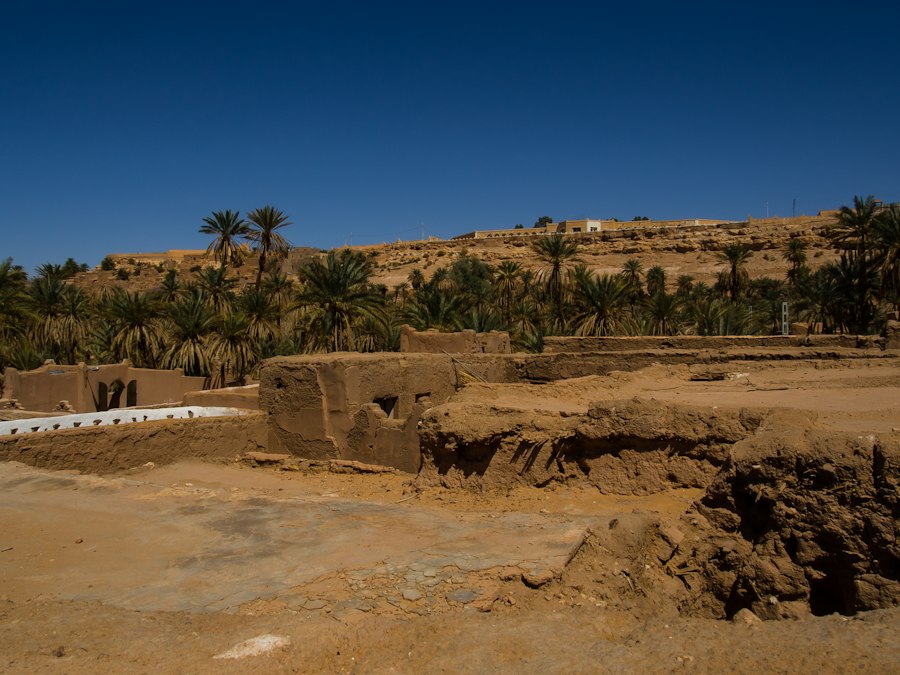
Morocco’s strategic position along the Mediterranean has made it a natural stage for the rise and fall of powerful empires. The Phoenicians, Carthaginians (Punic), Romans, and later the Vandals, all left their indelible mark on the Moroccan landscape, and archaeological excavations continue to unearth the remnants of their presence, revealing complex trade networks, sophisticated urban planning, and administrative structures that shaped the region for centuries.
Volubilis: A Flourishing Roman Metropolis
The most prominent and well-preserved example of Roman influence in Morocco is the ancient city of Volubilis. Located near Meknes, this sprawling archaeological site was once a thriving administrative and economic center of the Roman province of Mauretania Tingitana. The city’s remarkably intact ruins offer a vivid glimpse into Roman urban life in North Africa.
Excavations at Volubilis have revealed impressive public buildings, including a basilica, a capitol, and a forum, testifying to the city’s importance as a Roman hub. The presence of numerous triumphal arches, such as the Arch of Caracalla, further attests to the city’s prosperity and its integration into the Roman imperial system. Beyond public architecture, Volubilis is renowned for its exquisite private residences adorned with intricate mosaics. These vibrant floor decorations depict mythological scenes, daily life, and geometric patterns, showcasing the artistic prowess of local craftsmen and the wealth of the city’s inhabitants. The discovery of olive oil presses and amphorae points to Volubilis’s significant role in the production and export of olive oil, a key commodity in the Roman economy. The city’s layout, with its well-defined streets, aqueducts, and sanitation systems, exemplifies Roman engineering and urban planning principles. Volubilis not only demonstrates the reach of the Roman Empire but also highlights the fusion of Roman culture with local traditions, creating a unique North African Roman identity.
Lixus: A Punic Port City with a Rich Past
Before the Romans, the Phoenicians established important trading posts along the Moroccan coast, and Lixus, near the modern city of Larache, stands as a testament to their early presence. Originally a Phoenician settlement, Lixus later developed into a significant Punic city and was eventually incorporated into the Roman Empire.
Archaeological investigations at Lixus have uncovered evidence of its Punic origins, including pottery shards, architectural remains, and burial sites that align with Punic customs. The city’s strategic location on the mouth of the Loukkos River made it an ideal port for maritime trade, facilitating the exchange of goods between North Africa and the Mediterranean world. The Punic period at Lixus is characterized by its integration into the wider Carthaginian commercial network, engaging in trade of agricultural products, metals, and manufactured goods. Following the Punic Wars, Lixus came under Roman control, and the site reveals layers of Roman occupation, with further development of its infrastructure and the construction of Roman-style buildings. The discovery of mosaics, Roman baths, and a theater at Lixus showcases the continued importance of the city under Roman rule. Lixus offers a fascinating case study of cultural continuity and transformation, demonstrating the transition from Punic influence to Roman dominance and the enduring legacy of these ancient maritime powers.
Thamusida: A Roman Naval Base and Defensive Stronghold
Further along the Atlantic coast, the ruins of Thamusida, near present-day Sidi Slimane, reveal the strategic importance of the region for the Romans. Thamusida served as a significant Roman military base and a vital point for controlling the coastline and riverine routes.
Excavations at Thamusida have unearthed the remains of a well-fortified Roman settlement, including city walls, barracks, and administrative buildings. The presence of a Roman military contingent suggests its role in maintaining order and defending the frontier of Mauretania Tingitana. Evidence of a harbor and the discovery of ship-related artifacts point to its function as a naval outpost, vital for patrolling the Atlantic coast and protecting maritime trade routes from piracy. The urban layout of Thamusida reflects Roman military engineering and planning, with a clear grid of streets and defensive structures. While perhaps not as grand as Volubilis, Thamusida provides crucial insights into the military and logistical operations of the Roman Empire in North Africa, highlighting its commitment to securing its territories and projecting power. The site underscores the multifaceted nature of Roman presence, encompassing not only urban centers but also crucial military garrisons and strategic outposts.
The Dawn of Islam: Early Mosques and Urban Developments
The advent of Islam in the 7th century marked a profound transformation for North Africa, including Morocco. Archaeological evidence from this period offers valuable insights into the establishment of new religious and societal structures, the construction of early Islamic places of worship, and the evolution of urban centers under Islamic rule. These discoveries help to trace the process of Islamization and the emergence of a distinct Moroccan Islamic identity.
Anfa: Traces of Early Islamic Trade and Settlement
The ancient port city of Anfa, the precursor to modern Casablanca, has yielded archaeological evidence pointing to its early significance during the Islamic period. While Anfa’s history stretches back to antiquity, excavations have revealed layers of settlement and activity corresponding to the early centuries of Islamic rule.
Discoveries at Anfa include pottery, coins, and architectural fragments that help date and characterize the settlement. The city’s location on the Atlantic coast made it a valuable point for maritime trade and a defensive outpost. During the early Islamic era, Anfa played a role in regional trade networks, connecting Morocco to other parts of the Islamic world and beyond. While extensive ruins of grand mosques or palaces from this very early period are scarce, the material culture found suggests a thriving community and ongoing economic activity. The archaeological record from Anfa from this period, though less monumental than later Islamic periods, is crucial for understanding the initial establishment and development of Islamic presence and infrastructure in coastal Morocco, setting the stage for its future prominence.
Tlemcen (Algeria, but historically linked to Moroccan dynasties): Early Aghlabid and Idrisid Influence
While Tlemcen is located in present-day Algeria, its history is intrinsically linked to the early Islamic dynasties that shaped Morocco. The Aghlabids, who ruled Ifriqiya, and the Idrisids, the founders of the first Moroccan state, exerted influence over and interacted with regions that now form parts of both Morocco and Algeria. Archaeological findings in areas influenced by these dynasties, even if outside modern Morocco’s borders, offer context for understanding early Islamic cultural and political developments in the broader Maghreb.
Excavations in the Tlemcen region have revealed remnants of early mosques and urban settlements dating back to the Aghlabid period. These sites often exhibit architectural styles that reflect the early Islamic aesthetic, with simple yet functional designs for religious and civic structures. The Idrisid dynasty, which established its rule in Morocco in the late 8th century, also had a significant impact on the region. While their major centers were in Morocco proper, their influence extended outwards, and archaeological evidence from areas they controlled or interacted with sheds light on their administrative and religious policies. The study of these interconnected sites helps scholars understand the spread of Islamic governance, architectural innovations, and religious practices across the Maghreb during its formative Islamic centuries, providing a broader picture of the geopolitical landscape in which early Moroccan states emerged.
Rediscovering the Pre-Roman North: Berber Civilizations and Their Material Culture
Long before the arrival of Phoenicians, Romans, or Arabs, the indigenous Berber peoples inhabited Morocco. Their rich and diverse cultures, though often overlooked in favor of later imperial histories, are increasingly being illuminated by archaeological research. The ongoing efforts to uncover and understand Berber civilizations reveal complex societal structures, sophisticated craftsmanship, and a deep connection to the land.
Volubilis’s Berber Roots: Beyond Roman Overlay
While Volubilis is celebrated for its Roman grandeur, archaeological evidence suggests that the site had a significant Berber presence even before Roman conquest. The origins of the settlement likely lie in an earlier Berber village, which was subsequently Romanized and expanded.
Excavations at the periphery of Volubilis and in surrounding areas have uncovered artifacts that predate the Roman period. These include pottery, tools, and burial sites indicative of indigenous Berber cultures. The discovery of inscriptions in Libyco-Berber script, although rare, provides a direct glimpse into the language and written traditions of these early inhabitants. Understanding the pre-Roman layers of Volubilis is crucial for appreciating the continuity of settlement and the adaptation of Roman culture by the existing Berber population. It highlights that the Roman presence was not an entirely alien imposition but rather a layer added to a long-standing indigenous civilization, which continued to influence the evolving cultural landscape.
Rock Art of the Atlas Mountains: Timeless Expressions of Berber Life
The vast and rugged Atlas Mountains are home to a wealth of prehistoric rock art, offering a direct and often breathtaking connection to the lives and beliefs of ancient Berber communities. These engravings and paintings, found in remote caves and on exposed rock faces, provide invaluable insights into the fauna, social activities, and spiritual practices of early inhabitants.
The iconography of the Atlas rock art is diverse, featuring depictions of animals such as antelopes, lions, and cattle, which were likely important to the subsistence and symbolic world of these communities. Human figures are also present, sometimes engaged in hunting scenes, dances, or ritualistic activities. The style and sophistication of these artworks suggest a long tradition of artistic expression and a complex understanding of their environment. Dating these artworks remains a challenging task, but many are believed to be from the Neolithic and later periods, predating and overlapping with the emergence of organized Berber societies. The study of this rock art is not just an artistic endeavor but a vital archaeological pursuit, offering a unique, unmediated glimpse into the cultural heritage of Morocco’s original inhabitants, long before the written word became prevalent.
Recent discoveries in Moroccan archaeology have shed light on the ancient civilizations that once thrived in the region, revealing intricate details about their daily lives and societal structures. These findings not only enhance our understanding of Morocco’s historical landscape but also connect to broader themes of survival in challenging environments. For instance, an insightful article discusses how ancient cities adapted to drought conditions, offering a fascinating perspective on resilience and innovation. You can read more about this topic in the article titled “Surviving Drought: Life in Ancient Cities” found here.
The Tangible Past: Ceramics, Metalwork, and Numismatic Discoveries
| Discovery Name | Location | Period | Significance | Year Discovered |
|---|---|---|---|---|
| Jebel Irhoud Fossils | Jebel Irhoud | Middle Paleolithic (~300,000 years ago) | Oldest Homo sapiens fossils found, reshaping human evolution timeline | 2007 (reanalysis) |
| Cave of Taforalt | Taforalt, Eastern Morocco | Upper Paleolithic (~15,000 years ago) | Early evidence of burial practices and symbolic behavior | 2003 |
| Volubilis Ruins | Volubilis | Roman Period (3rd century BC – 3rd century AD) | Well-preserved Roman city ruins, mosaics, and architecture | 1915 (excavations began) |
| El-Khil Cave Art | Atlas Mountains | Neolithic Period (~7,000 years ago) | Rock art depicting early human life and fauna | 2010 |
| Adrar Bous Rock Art | Adrar Bous, Sahara | Neolithic Period | Important Saharan rock engravings showing domesticated animals | 1990s |
Beyond monumental structures and hominin fossils, the archaeological richness of Morocco is also found in its smaller, yet equally significant, artifacts. Ceramics, metalwork, and numismatic finds serve as vital tools for dating sites, tracing trade routes, understanding technological advancements, and reconstructing the economic and social histories of past Moroccan societies.
Moroccan Ceramics: A Chronicle of Cultural Exchange and Daily Life
Pottery, due to its durability and ubiquity, is a cornerstone of archaeological interpretation. Moroccan sites have yielded a vast array of ceramic fragments, spanning from the prehistoric era through to the Islamic period. These finds provide a detailed chronicle of technological evolution, artistic styles, and cultural influences.
Prehistoric pottery, often characterized by simpler forms and decorative techniques, speaks to the early stages of ceramic production. The Punic and Roman periods are marked by the introduction of sophisticated pottery-making techniques, including the use of the potter’s wheel and the production of fine wares like terra sigillata. The designs and motifs found on these ceramics often reflect Roman artistic trends, but can also incorporate local Berber elements, indicating a degree of cultural synthesis. During the Islamic periods, Moroccan ceramics developed distinct styles, with a flourishing tradition of glazed pottery, intricate geometric patterns, and calligraphic inscriptions. Discoveries of specialized ceramics, such as those used for cooking, storage, and ritualistic purposes, offer intimate details about the daily lives and practices of past Moroccan populations. The study of Moroccan ceramics is a dynamic field, continuously revealing new insights into the interconnectedness of North African cultures with the wider Mediterranean and beyond.
Metalworking Traditions: From Bronze Age Tools to Islamic Artistry
The skillful manipulation of metals has been a hallmark of Moroccan civilizations for millennia. Archaeological excavations have unearthed a significant body of evidence showcasing the development of metalworking technologies, from the earliest bronze age implements to the intricate artistry of Islamic metal objects.
The Bronze Age in Morocco saw the production of tools, weapons, and decorative items from bronze. These artifacts demonstrate an understanding of alloying copper and tin, and the techniques of casting and forging. As societies developed, so too did their metallurgical capabilities. The Punic and Roman periods witnessed the continued use and refinement of metalworking for both practical and decorative purposes, with discoveries of bronze statues, iron tools, and decorative metalwork adorning architecture and personal adornments. The Islamic era in Morocco is particularly renowned for its sophisticated metalworking traditions, especially in the production of brass, copper, and silver objects. Intricately decorated ewers, trays, lamps, and jewelry, often featuring elaborate geometric patterns, arabesques, and calligraphic inscriptions, exemplify the high level of craftsmanship achieved during dynasties like the Almoravids, Almohads, and Marinids. These metal objects are not only aesthetically stunning but also serve as crucial historical documents, often bearing inscriptions that provide valuable information about their patrons, dates, and the political context in which they were created.
Numismatic Treasures: Coins as Historical Narratives
Coins, often overlooked by the casual observer, are invaluable archaeological artifacts that provide a wealth of historical information. Moroccan sites have yielded a diverse range of coinage, reflecting the various powers and economic systems that have held sway over the region throughout history.
From the Punic period, coins minted in cities like Carthage and later by Roman governors offer evidence of trade and administrative control. The Roman period saw the widespread circulation of imperial coinage, along with local issues that sometimes featured regional deities or rulers. The arrival of Islam brought with it a new monetary system, with early Islamic dynasties issuing coins that often bore religious inscriptions and rulers’ names. The independent Moroccan dynasties, such as the Idrisids, Almoravids, Almohads, and Marinids, all established their own mints, producing coins that are distinct in their design, weight, and inscription. These numismatic treasures allow archaeologists and historians to establish precise chronological frameworks for sites, trace the extent of trade networks, understand economic policies, and even reconstruct political lineages. The study of Moroccan coinage is a specialized but crucial aspect of its archaeology, unlocking detailed narratives about its economic history and its place within broader regional and international monetary systems.

They Found a 4,000-Year-Old Defense Line in Morocco
FAQs
What are some recent archaeological discoveries in Morocco?
Recent archaeological discoveries in Morocco include ancient rock carvings in the High Atlas Mountains, Roman ruins in Volubilis, and prehistoric tools and fossils in the Draa Valley.
How do these discoveries contribute to our understanding of Moroccan history?
These discoveries provide valuable insights into the diverse cultures and civilizations that have inhabited Morocco over thousands of years, shedding light on their daily lives, beliefs, and interactions with other societies.
What is the significance of the rock carvings found in the High Atlas Mountains?
The rock carvings, known as petroglyphs, depict scenes of hunting, dancing, and rituals, offering a glimpse into the religious and social practices of ancient Berber communities that lived in the region.
Why is Volubilis considered an important archaeological site in Morocco?
Volubilis was a thriving Roman city in ancient times, showcasing well-preserved ruins of temples, houses, and public buildings that provide valuable insights into Roman influence and urban life in North Africa.
What can we learn from the prehistoric tools and fossils discovered in the Draa Valley?
The prehistoric tools and fossils found in the Draa Valley offer clues about early human migration patterns, technological advancements, and environmental changes in the region, helping archaeologists piece together the story of human evolution in Morocco.