
The Ancestral Anglers: A Deep Dive into Ancient Trout Introductions and Their Lake Ecosystems
The story of lakes, as we understand them today, is intrinsically linked to the arrival and establishment of their inhabitants. While glaciers and geological events sculpted the physical basins, it was the biological colonization that truly shaped their character. Among the most fascinating and impactful introductions are those of ancient trout species. These powerful predators, often predating human intervention in their natural ranges, have, through a combination of natural dispersal and subsequent human-driven introductions, played a profound role in orchestrating the complex tapestries of lake ecosystems across the globe. Understanding these ancient introductions is not merely an exercise in paleontology or ichthyology; it is a critical lens through which to view ecological succession, trophic cascades, and the long-term stability, or instability, of aquatic environments. The subtle, yet powerful, presence of these early piscine colonists has, over millennia, left an indelible mark on the very fabric of lake life, influencing everything from algal blooms to the survival of smaller invertebrates.
The narrative of ancient trout introductions is a multifaceted one, often intertwined with the ebb and flow of glacial periods, the formation of land bridges, and the eventual, more recent, but equally significant, intentional movements by human populations. These introductions were not always benign; they often represented a dramatic shift in the existing ecological balance, ushering in new dynamics of predation, competition, and resource utilization. The sheer adaptive capacity of many trout species, coupled with their voracious appetites, has allowed them to thrive in a wide array of lacustrine environments, from the frigid, oligotrophic waters of the far north to the more temperate, mesotrophic lakes found at lower latitudes. The impact of these introductions, therefore, extends far beyond the direct consumption of prey; it encompasses indirect effects that ripple through entire food webs, altering the community structure and even the biogeochemical cycles within these aquatic realms.
The introduction of ancient trout species to various lakes has sparked considerable interest among ecologists and fishery managers, as it can significantly impact local ecosystems. For a deeper understanding of how species introductions can influence environmental dynamics, you may find the article on the new space cold war relevant, as it discusses the broader implications of introducing new elements into established systems. To read more about this topic, visit this article.
Genesis of Lacustrine Predators: Natural Dispersal and Early Colonization

The earliest chapters of lake ecosystem formation, particularly in regions recently sculpted by glaciation, are characterized by a process of gradual biological colonization. Ancient trout, in many instances, were among the pioneering vertebrate fauna to establish a foothold in these newly formed aquatic environments. Their ability to navigate and colonize freshwater systems, often through connecting river networks and during periods of fluctuating sea levels, speaks to their evolutionary resilience and adaptability.
Glacial Legacy and Riverine Highways
During the Pleistocene epoch, vast ice sheets repeatedly advanced and retreated across much of the Northern Hemisphere. As these glaciers melted, they carved out numerous lake basins and created extensive networks of rivers. Many salmonid species, including ancestral trout, were intrinsically linked to these riverine systems. During interglacial periods, when ice retreated, these rivers served as vital corridors for dispersal. Trout, being anadromous or potamodromous in their ancestral forms, would have naturally migrated through these waterways, colonizing newly accessible lakes as they became available. This natural process, driven by climatic shifts and geological events, represents the very first “introduction” of trout into many of these nascent lake ecosystems.
The characteristics of these early lakes were often starkly different from those we observe today. They were typically oligotrophic, meaning they had low nutrient levels and high water clarity. The food webs were less complex, and the resident fauna, if any, were often limited to invertebrates and perhaps smaller fish species that had also managed to disperse. The arrival of a large, predatory fish like trout in such an environment would have had an immediate and profound impact on the developing ecosystem.
Pre-Human Dispersal Patterns
Before the widespread influence of human activity, the dispersal of trout into new lake systems was a slow, organic process. It relied on natural geographic connections between water bodies, such as overflowing lakes that spilled into adjacent drainage systems, or the formation of temporary connections during flood events. Certain trout species, particularly those with a broader tolerance for varying water conditions and a more generalized diet, would have been better equipped to exploit these new niches. This natural colonization laid the groundwork for the ecological roles that trout would later assume, roles that would be amplified and sometimes drastically altered by human intervention. The study of paleolimnology, the science of ancient lakes, provides crucial evidence of these early introductions through the analysis of fossil remains, sediment cores, and genetic signatures found in ancient lake sediments.
The Anthropogenic Epoch: Human-Driven Introductions and Their Ramifications
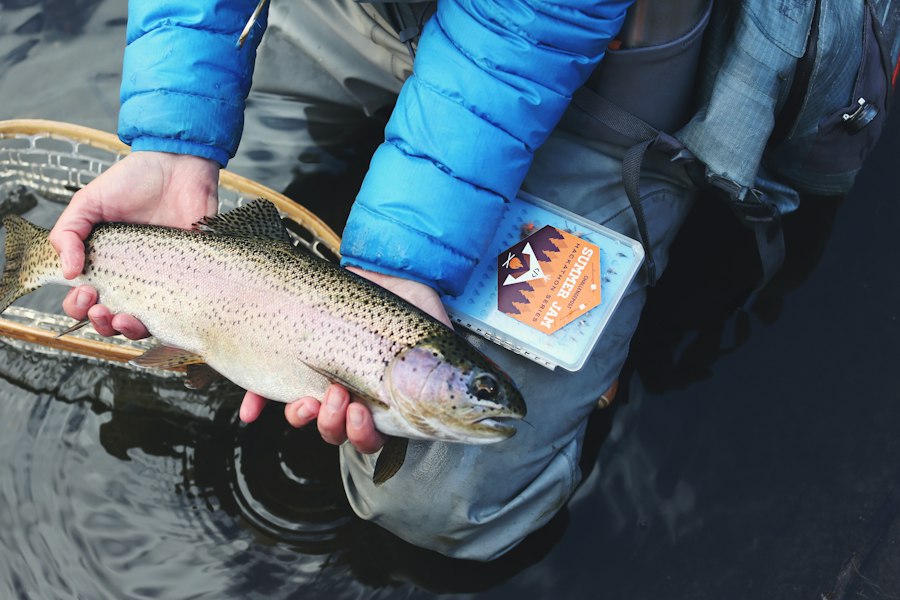
While natural dispersal set the initial stage, the advent of human civilization, particularly in the last few centuries, has been the most significant driver of trout introductions into lake ecosystems. Driven by a desire for sport fishing, food security, and often a misguided attempt to “improve” perceived deficiencies in native fauna, humans have transported trout across continents and oceans, transplanting them into environments where they had never naturally existed. These introductions have often led to complex and far-reaching ecological consequences, reshaping lake ecosystems in profound and sometimes irreversible ways.
The Angler’s Ambition: Sport Fishing and Economic Development
The rise of recreational fishing, particularly in the 19th and 20th centuries, coincided with an explosion in deliberate trout stocking programs. Species like the Rainbow Trout (Oncorhynchus mykiss), Brown Trout (Salmo trutta), and various species of Brook Trout (Salvelinus fontinalis) were extensively moved from their native ranges in North America and Eurasia to lakes and rivers across the globe. This was often done to establish viable sport fisheries, providing economic benefits through tourism and local commerce. The belief was that these charismatic and challenging sport fish would enhance the recreational value of these waters.
However, the ecological implications of these introductions were often overlooked or underestimated. The sheer scale of these stocking efforts, combined with the adaptability and predatory prowess of these trout species, meant that they often outcompeted or preyed upon native fish populations. The introduction of a highly efficient predator into a naive ecosystem, where native prey species had not evolved defenses against such a threat, could lead to rapid declines and even local extinctions of indigenous fish.
The Quest for Food and Fisheries Management
Beyond sport fishing, trout have also been introduced for commercial fishing purposes. In some regions, particularly where native fisheries were depleted or unsustainable, efforts were made to establish trout populations as a new source of food. This often involved large-scale stocking of hatchery-raised fish. While these programs might have provided short-term economic gains, they frequently masked underlying issues related to habitat degradation, overfishing of native species, and pollution.
Furthermore, fisheries managers, operating with a limited understanding of complex ecosystem dynamics, sometimes introduced trout as a means of biological control for perceived pest species, such as zooplankton or smaller fish that were thought to be limiting algal growth. These interventions, however, often resulted in unintended consequences, disrupting food webs in ways that were difficult to predict or reverse. The introduction of a top predator can have cascading effects that alter the abundance of organisms at lower trophic levels, leading to novel ecological states.
Ecological Footprints: Trophic Cascades and Community Restructuring
The introduction of ancient trout into lake ecosystems, whether through natural processes or human intervention, invariably triggers a cascade of ecological effects. As apex or near-apex predators, their presence can fundamentally alter the structure and functioning of the entire food web, leading to dramatic shifts in community composition and abundance. These alterations are often characterized by the phenomenon of trophic cascades, where the impact of a top predator is transmitted down through multiple trophic levels.
Apex Predators and Prey Dynamics
When trout are introduced into lakes that lack suitable predators, or where native predators have been extirpated, they quickly assume the role of apex predators. Their primary impact is on populations of smaller fish, invertebrates, and even amphibians. These prey species, having not evolved in the presence of such efficient hunters, may experience rapid population declines. This can lead to a significant reduction in the biomass of these prey populations, with direct implications for their own food sources.
The intensity of this predatory impact is often related to the density of the introduced trout population and the vulnerability of the native prey. In some cases, introduced trout have been implicated in the extinction of native fish species that were unable to adapt to the new predatory pressure. The concept of “novel ecosystems” arises here, where the introduction of a non-native species creates an entirely new ecological configuration that is difficult to manage or restore to a previous state.
The Ripples Through the Food Web: Indirect Effects
The impact of introduced trout extends far beyond direct predation. The reduction in populations of smaller fish and invertebrates can have significant indirect effects on lower trophic levels. For example, if smaller fish are heavily preyed upon by trout, their populations of zooplankton prey may increase. This increase in zooplankton can, in turn, lead to a decrease in phytoplankton (algal) populations, resulting in clearer water. This is a classic example of a top-down trophic cascade.
Conversely, if trout primarily prey on herbivorous invertebrates, the reduction in grazing pressure can lead to an increase in algal biomass, potentially resulting in eutrophication or algal blooms, especially in nutrient-rich lakes. The complex interplay of direct predation and indirect effects means that the ecological consequences of trout introductions can be intricate and surprising. The energy flow through the ecosystem is reconfigured, with a significant portion of energy being channeled towards the introduced predator.
The introduction of ancient trout species to various lakes has sparked significant interest among researchers studying aquatic ecosystems. These introductions can have profound effects on local biodiversity and food webs, leading to both positive and negative outcomes. For a deeper understanding of how environmental changes impact species in isolated ecosystems, you might find the article on uncovering the secrets beneath Antarctica’s ice particularly enlightening. It explores the delicate balance of life in extreme conditions and offers insights into how ancient species adapt to their surroundings. You can read more about it here.
Biodiversity Hotspots and Biodiversity Declines: A Dual Legacy
| Lake Name | Region | Year of Trout Introduction | Trout Species Introduced | Initial Population Size | Current Population Estimate | Ecological Impact |
|---|---|---|---|---|---|---|
| Lake Tahoe | California/Nevada, USA | 1880 | Rainbow Trout (Oncorhynchus mykiss) | 5000 | Approx. 150,000 | Increased predation on native fish species |
| Lake Geneva | Switzerland/France | 1890 | Brown Trout (Salmo trutta) | 3000 | Approx. 50,000 | Altered food web dynamics |
| Lake Baikal | Russia | 1905 | Lenok Trout (Brachymystax lenok) | 2000 | Approx. 30,000 | Competition with native fish species |
| Lake Windermere | England, UK | 1875 | Brown Trout (Salmo trutta) | 4000 | Approx. 60,000 | Improved recreational fishing but impacted native invertebrates |
| Lake Taupo | New Zealand | 1885 | Rainbow Trout (Oncorhynchus mykiss) | 3500 | Approx. 100,000 | Boosted local economy through fishing tourism |
The introduction of ancient trout presents a complex and often contradictory legacy regarding biodiversity. In some instances, the introduction of a charismatic species has led to the decline and even extinction of native fauna, thereby reducing overall biodiversity. However, in other contexts, the presence of trout has, unintentionally, supported the existence of other species or created novel ecological niches that can sustain a unique assemblage of organisms.
The Threat to Native Ichthyofauna
One of the most consistently documented negative impacts of trout introductions is their threat to native fish populations. Many native fish species are smaller, slower-reproducing, or occupy different ecological niches than introduced trout. They may be outcompeted for food and habitat, or directly preyed upon by the more aggressive and efficient trout. This has led to the decline and endangerment of numerous native fish species in lakes around the world.
For example, the introduction of Brown Trout into the Sierra Nevada mountains of California, where native frogs and insects were the primary food sources for aquatic invertebrates, led to the decline of several species of native frogs. In New Zealand, the introduction of Brown and Rainbow Trout has had a significant impact on native fish species, some of which are now threatened. The loss of these native species represents a permanent reduction in the biodiversity of these lake ecosystems, impacting their resilience and the services they provide.
Supporting Unique Assemblages or Creating Novel Ecosystems
While the detrimental effects are significant, it is also important to acknowledge that in some cases, introduced trout have become integral components of their new environments, and their presence can support the existence of other species. For instance, the waste products of trout, including their feces, can provide nutrients that support the growth of algae and invertebrates, creating a new basal level to the food web.
Furthermore, the fishing pressure associated with trout populations can, in some instances, lead to the development of specialized fishing communities and economies that rely on the presence of these fish. These introduced species can also act as novel habitat modifiers, their movements and feeding behaviors influencing the distribution and abundance of other organisms. In such instances, the lake ecosystem may transition into a “novel ecosystem,” where the introduced species are now essential for its current functioning, making complete eradication ecologically disruptive. The long-term sustainability of such novel ecosystems and their ability to adapt to future environmental changes remains a subject of ongoing scientific inquiry.
Management and Mitigation: Navigating the Complexities of Introduced Trout
The widespread nature of ancient trout introductions, and their profound ecological impacts, presents significant challenges for conservation and ecosystem management. Eradicating established non-native trout populations is often extremely difficult, costly, and can itself have negative ecological consequences. Therefore, management strategies often focus on mitigating their impact, preventing further introductions, and, in some cases, attempting to restore native ecological processes.
The Difficult Path of Eradication and Control
In some highly sensitive or ecologically unique environments, efforts are made to eradicate or control introduced trout populations. This can involve a range of methods, including chemical treatments (such as rotenone, which is toxic to fish but breaks down relatively quickly), physical removal through netting or electrofishing, and the selective removal of stocked fish. These efforts are often expensive, labor-intensive, and may require repeated applications.
The success of eradication is highly dependent on the size and connectivity of the lake system, the reproductive capacity of the introduced trout, and the availability of suitable refuge areas for them. In many large, interconnected lake systems, complete eradication is simply not feasible. Management then shifts to control, aiming to reduce trout populations to levels where they have a less significant impact on native species or ecosystem processes. This might involve regulating fishing pressure, implementing specific fishing regulations, or continuing targeted removal efforts.
Prevention and Restoration: A Forward-Looking Approach
The most effective long-term strategy for managing the impacts of introduced trout is prevention. This involves strict biosecurity measures to prevent the further movement of trout between water bodies, particularly in regions where native species are vulnerable. Education and public awareness campaigns are also crucial to discourage unauthorized introductions by individuals.
In parallel, efforts can be made to restore native ecological functions and biodiversity in lakes where introduced trout are present. This might involve reintroducing native fish species that have been outcompeted or preyed upon, restoring degraded habitats that favor native species, or managing nutrient inputs to reduce eutrophication that may be exacerbated by trout populations. The goal is to create more resilient ecosystems that can better withstand the pressures of invasive species and other environmental changes. The challenge lies in balancing the desire to restore a pristine state with the reality of established introduced populations, often requiring a more nuanced, adaptive management approach that acknowledges the complex ecological realities of these altered lake systems. The ongoing study of these introduced trout and their impacts is vital for informing future conservation and management decisions, ensuring the long-term health and biodiversity of lake ecosystems worldwide.

The 7,000-Year-Old Secret Hidden Under a Lake
FAQs
What is the significance of introducing ancient trout to lakes?
Introducing ancient trout to lakes can help restore ecological balance, enhance biodiversity, and provide recreational opportunities for fishing enthusiasts.
How are ancient trout different from modern trout species?
Ancient trout, such as the Lahontan cutthroat trout, are native species that have evolved over thousands of years in specific habitats, making them well-adapted to their environment compared to modern trout species.
What challenges are involved in reintroducing ancient trout to lakes?
Challenges in reintroducing ancient trout to lakes include habitat degradation, competition with non-native species, and ensuring genetic diversity to prevent inbreeding.
Which lakes are suitable for introducing ancient trout?
Lakes with suitable water quality, habitat conditions, and minimal threats from non-native species are ideal for introducing ancient trout species to ensure their survival and successful establishment.
How can the community support the introduction of ancient trout to lakes?
The community can support the introduction of ancient trout to lakes by participating in conservation efforts, following fishing regulations, and promoting awareness about the importance of preserving native species in aquatic ecosystems.