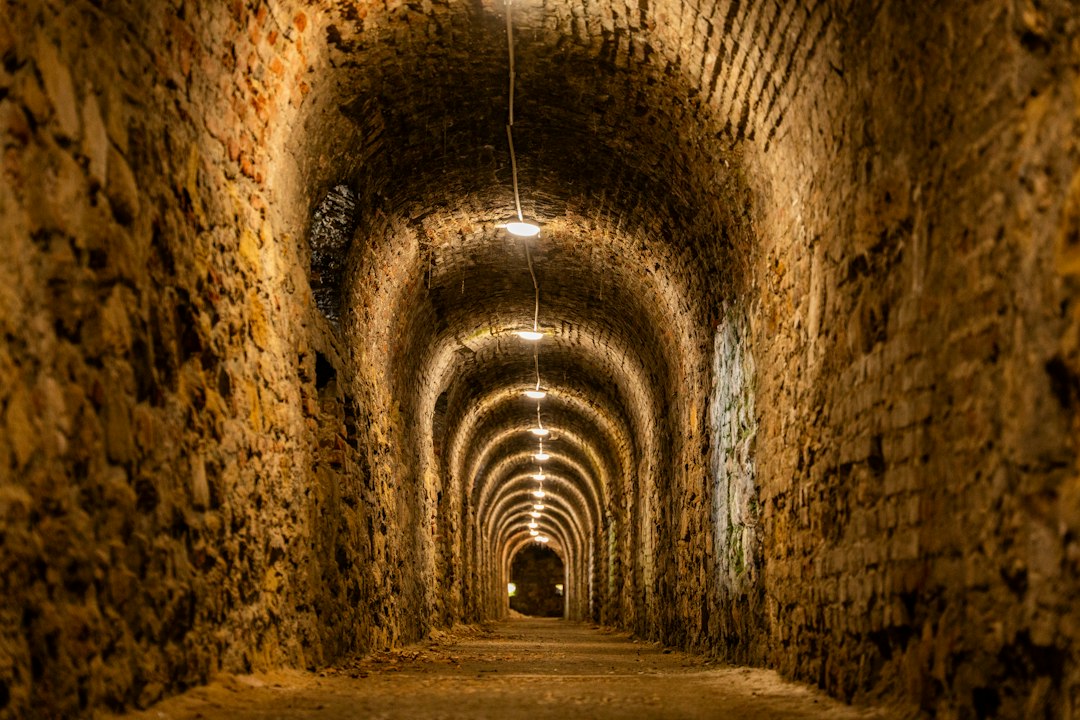
The construction of ancient tunnels represents a triumph of human ingenuity, a testament to the precise engineering capabilities that existed long before the advent of modern surveying equipment and sophisticated measurement tools. These subterranean passages, carved through solid rock and earth, were not merely utilitarian structures for transportation, warfare, or water management; they were meticulously planned and executed marvels where gradient control was paramount. The successful navigation of these tunnels, whether for the steady flow of water, the controlled descent of armies, or the smooth passage of carts, hinged on an astonishingly accurate understanding and application of slope. Examining the methods employed by ancient engineers reveals a sophisticated grasp of geometry, gravity, and the very earth beneath their feet, pushing the boundaries of what was thought possible.
The Unseen Slopes: Why Gradient Mattered in Ancient Tunnels
The importance of precise gradient in ancient tunnel construction cannot be overstated. For structures designed to convey water, even subtle deviations could lead to stagnant pools, inefficient flow, or even a complete failure of the system. In military contexts, a consistent downhill gradient could facilitate rapid troop deployment or the controlled movement of siege engines, while an inconsistent slope could prove hazardous. For transportation tunnels, a uniform gradient was essential for preventing undue strain on draft animals and ensuring a smooth, predictable journey. The very act of digging a long, subterranean passage demanded a constant reference point and a method for maintaining a predetermined fall over considerable distances. This required a profound understanding of how gravity operated and how to harness it effectively, all without the aid of modern laser levels or GPS. The precision achieved, often across hundreds or even thousands of meters, speaks volumes about the advanced observational and calculational skills of these ancient builders.
Waterways of Antiquity: Ensuring the Flow
For many ancient civilizations, the construction of aqueducts and underground water channels was a matter of survival and prosperity. From the Roman aqueducts that supplied bustling cities with fresh water to the ingenious qanat systems of Persia, the controlled movement of water was a critical element of urban planning and agricultural development. In these systems, the gradient was not just a matter of efficiency; it was the driving force. A precisely calculated slope ensured that water flowed steadily from its source to its destination, overcoming geological obstacles and maintaining a consistent velocity. Any significant undulation in the tunnel’s floor would interrupt this flow, potentially causing sedimentation, oxygen depletion in the water, or even backflow. The engineers had to account for the specific properties of water, its tendency to seek its own level, and the subtle effects of friction against the tunnel walls. Achieving this required a deep empirical knowledge of fluid dynamics, refined through generations of observation and practical application. The qanats, for instance, relied on a gentle, continuous downward slope from the water source to the distribution point, often stretching for many kilometers across uneven terrain. The success of these life-giving arteries depended entirely on the unwavering accuracy of their gradients.
Military Ingress and Egress: The Strategic Advantage
Beyond civilian infrastructure, ancient tunnels played a crucial role in military strategy. Siege tunnels, for example, were dug to undermine enemy fortifications, allowing attackers to breach walls or collapse defenses. The gradient of these tunnels was critical for several reasons. A slight downhill slope could aid in the rapid advance of soldiers and the easy movement of heavy siege equipment, like battering rams or mining tools. Conversely, a tunnel designed for a controlled retreat or for enabling surprise attacks from behind enemy lines would also require careful gradient planning. Imagine an army attempting to move stealthily through a pitch-dark tunnel only to encounter a sudden drop or a steep incline; the resulting chaos and noise could compromise the entire operation. The ability to maintain a consistent, predetermined gradient over potentially long and complex subterranean routes was therefore a significant strategic advantage, allowing for calculated and effective military maneuvers. These were not just holes in the ground; they were carefully engineered pathways designed to facilitate the movement of armed forces with speed and precision, often under immense pressure and within tight timelines.
Subterranean Commerce and Travel: Facilitating Movement
While less commonly discussed than water channels or military passages, some ancient tunnels may have also served the purpose of facilitating trade or movement of goods and people. In mountainous regions or areas prone to extreme weather, a subterranean passage could offer a more reliable and less arduous route. For such applications, a well-maintained gradient would be essential for the efficient passage of carts, pack animals, and potentially even rudimentary wheeled vehicles. A steep or uneven gradient would significantly increase the effort required for transport, rendering the tunnel less practical. The ancient Egyptians, for example, constructed elaborate tomb tunnels in the Valley of the Kings, and while their primary purpose was funerary, the meticulous construction and attention to detail suggest a sophisticated approach to their design, which would likely have included considerations for ease of access and movement during their construction and intended use. The very concept of a functional, navigable tunnel for any purpose implies a degree of gradient control that ensured accessibility and ease of passage, even if it wasn’t the primary driver of its existence.
The study of ancient tunnel gradient precision reveals fascinating insights into the engineering skills of past civilizations. For a deeper understanding of how historical maps, such as those created by Piri Reis, played a crucial role in navigation and exploration, you can read more in the article titled “Exploring Topkapi Palace with Piri Reis Map.” This article delves into the significance of these maps and their connection to ancient architecture and geography. You can find it here: Exploring Topkapi Palace with Piri Reis Map.
The Tools of the Trade: Ancient Gradient Measurement Techniques
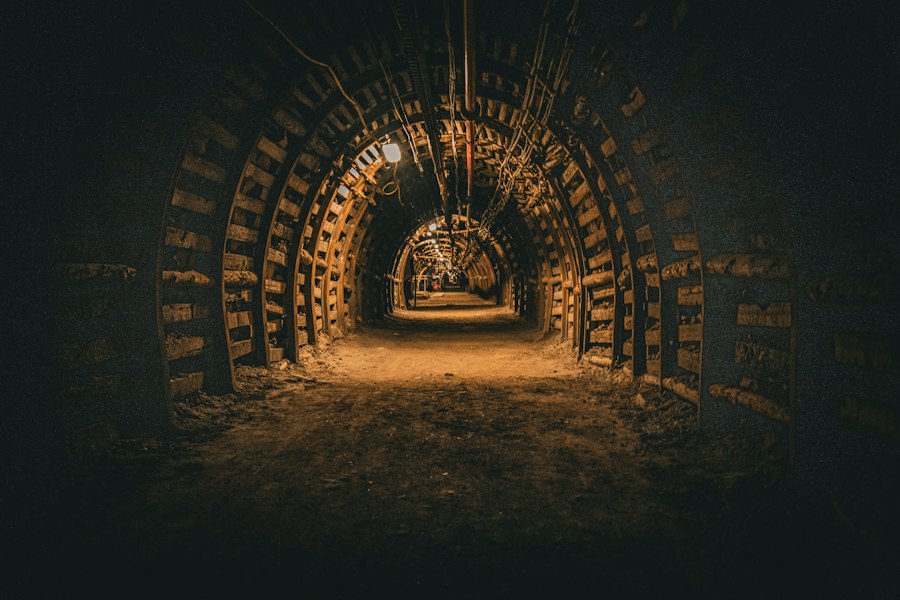
The remarkable precision of ancient tunnel gradients was achieved through a combination of observational skills, ingenious simple tools, and an intimate understanding of basic physics. Without the luxury of modern electronic devices, these engineers relied on methods that were both clever and remarkably effective. These techniques, honed over centuries, allowed them to establish and maintain a consistent downward slope over vast distances, often through challenging and unseen terrain. The simplicity of the tools belies the sophistication of the underlying principles they employed, demonstrating a profound connection between practical application and theoretical understanding.
The A-Frame Level and the Plumb Bob: Simplicity and Accuracy
The most fundamental tools for establishing and checking gradients in ancient times likely involved the plumb bob and various forms of rudimentary leveling devices. The plumb bob, a weight suspended on a string, has been used since antiquity to establish a vertical line. By observing the angle at which the string hung relative to a surface, engineers could infer deviations from the horizontal. More sophisticated, though still simple, would have been variations of the A-frame level. This consisted of an A-shaped wooden frame with a plumb line suspended from its apex. When the base of the A-frame rested on a surface, the plumb line would indicate whether the surface was level (hanging directly in the middle), sloping downwards (hanging to one side), or sloping upwards (hanging to the opposite side). By repeatedly setting up these levels along the intended tunnel path, and carefully marking points to achieve a consistent fall of the plumb line, engineers could gradually establish and maintain the desired gradient. This process, while labor-intensive, allowed for remarkable accuracy over long distances, especially when combined with careful record-keeping and experienced judgment.
Recent studies have shed light on the remarkable precision of ancient tunnel gradients, revealing sophisticated engineering techniques used by early civilizations. This fascinating topic is explored in greater detail in an article that discusses the implications of such advancements on our understanding of ancient technology. For those interested in delving deeper into this subject, you can read more about it in the article on ancient technology. The findings not only highlight the ingenuity of our ancestors but also challenge modern perceptions of their capabilities.
Water Levels and Sightlines: Extending the Measurement
For greater distances and to overcome the limitations of direct sight over uneven terrain, ancient engineers likely employed water-based leveling techniques and sophisticated sightline measurements. A simple water level could be created by filling a long trough or series of connected containers with water. The surface of the water in each section would always be at the same horizontal level. By observing the water surface at different points along the proposed tunnel route, engineers could determine relative elevations and ensure a consistent downward slope. Furthermore, the use of sighting rods and a consistent horizon or fixed reference points would have been crucial. Teams of workers, positioned at intervals, could have used these rods to align themselves with a predetermined line of sight, ensuring that each section of the tunnel maintained the correct gradient relative to the one before it. This required excellent communication, precise sighting techniques, and a clear understanding of how to transfer measurements accurately from one point to the next. The Romans, in particular, were known for their meticulous surveying practices, employing a range of instruments and methodologies that allowed them to achieve remarkable feats of construction over vast distances.
Astronomical Observations and Natural Inclines: Leveraging the Cosmos and Earth
While direct measurement tools were essential, ancient engineers also possessed a keen observational sense, leveraging natural phenomena to inform their work. Understanding the predictable path of the sun and stars could provide a baseline for directional accuracy, and by extension, for understanding the orientation of their constructions. More importantly, they would have paid close attention to the natural inclinations of the land. Rivers, for example, provide a natural indicator of gradient, and understanding their flow patterns would have offered invaluable insights into how water behaved over terrain. Engineers would have observed how water naturally collected and drained, and used these observations to inform the slopes they designed. They might have also used the predictable forces of gravity itself, through methods like observing how objects rolled or slid down slopes, to gain an empirical understanding of inclination. This holistic approach, combining direct measurement with observation of natural processes, allowed them to create structures that harmonized with their environment and functioned effectively.
Case Studies in Gradient Precision: Wonders of the Ancient World
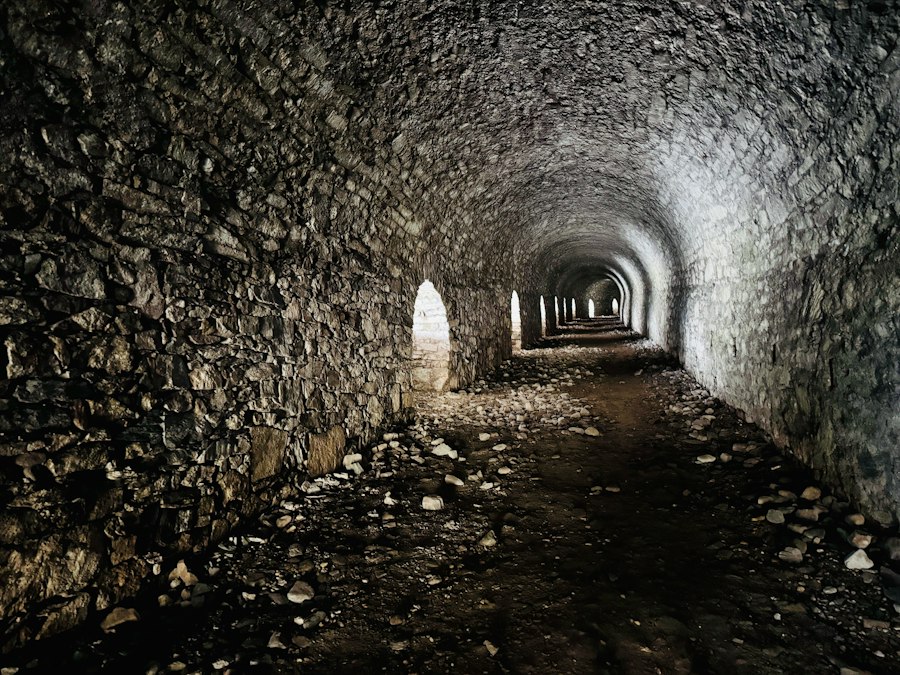
The archaeological record offers compelling evidence of the sophisticated gradient control employed in ancient tunnel construction. From the vast Roman aqueduct systems to the intricate burial chambers of Egypt, these projects demonstrate a mastery of engineering that continues to inspire awe. Examining these specific examples reveals the practical application of the techniques discussed and highlights the impressive scale and accuracy achieved by ancient builders. These are not mere historical curiosities; they are enduring monuments to human ingenuity and a testament to the vital role of gradient precision in their success.
The Roman Aqueducts: Lifelines of an Empire
The Roman Empire’s network of aqueducts stands as perhaps the most celebrated example of ancient hydraulic engineering. These monumental structures, stretching for hundreds of miles, supplied cities with water, demanding an almost impossibly precise gradient. The Aqua Appia, one of the earliest, carried water for approximately 16 kilometers, with a remarkably shallow gradient of about 0.33%. This means that for every 1000 meters of horizontal distance, the aqueduct dropped only 3.3 meters. This seemingly minuscule slope was sufficient to ensure a steady, continuous flow of water, preventing both stagnation and excessive erosion. The Romans employed a combination of surveying tools, including the chorobates (a long wooden beam with a water channel or plumb bobs to ensure horizontality) and sighting rods, to achieve this accuracy. Their ability to maintain such a consistent gradient over such vast and often challenging terrain is a profound testament to their engineering prowess. The success of Roman cities, their sanitation, and their public baths were directly dependent on the flawless function of these water-carrying tunnels and channels.
The Qanats of Persia: Underground Rivers of Life
The qanat system, originating in ancient Persia (modern-day Iran), represents another extraordinary achievement in gradient control. These underground water channels tapped into subterranean aquifers and transported water over sometimes vast distances to arid lands for irrigation and domestic use. The construction of a qanat involved digging a series of vertical access shafts and then excavating a gently sloping tunnel connecting them. The success of a qanat relied entirely on maintaining a precise, consistent downward gradient from the water source to the distribution point. A gradient that was too steep would cause rapid erosion and collapse, while one that was too shallow would result in insufficient water flow or stagnation. The engineers would meticulously plan the gradient, often using simple tools like water levels and observations of natural topography. The qanats, some stretching for over 20 kilometers, are a powerful demonstration of how ancient peoples could harness gravity through meticulous gradient planning to create sustainable water systems in challenging environments. These systems often provided water for centuries, a lasting legacy of their engineering brilliance.
The Tombs of the Pharaohs: Precision in the Underworld
While primarily known for their religious significance, the elaborate underground tomb complexes of ancient Egypt, particularly in the Valley of the Kings, also exhibit remarkable precision in their construction, including their internal gradients. These subterranean passages were not simply dug; they were carefully planned and executed to provide access and, in some cases, to facilitate the movement of sarcophagi and funerary goods. While the gradient might not have been as critical as in an aqueduct, maintaining a consistent and navigable slope was undoubtedly important for the construction crews and for the rituals associated with the burial. The Egyptians possessed sophisticated knowledge of geometry and surveying, using tools like plumb bobs, water levels, and potentially sighting instruments to achieve the precise angles and alignments required for these sacred spaces. The enduring stability and precise orientation of these ancient structures suggest a level of control over their construction, including their internal gradients, that speaks to a highly developed engineering tradition.
The Enduring Legacy: Lessons from Ancient Gradient Mastery
The ancient world’s mastery of gradient precision in tunnel construction offers invaluable lessons that resonate even today. It underscores the fundamental principles of engineering that transcend technological advancement and highlights the enduring power of observation, meticulous planning, and an intimate understanding of natural forces. These ancient marvels serve as a constant reminder that true innovation often lies in the elegant and efficient application of fundamental knowledge, a principle that remains as relevant in modern engineering as it was millennia ago.
Timeless Principles of Gravity and Flow
The success of ancient tunnels, particularly those designed for water transport, underscores the timeless principles of gravity and fluid dynamics. The engineers of antiquity understood, through generations of observation and practical experience, that gravity was the invisible force that could be harnessed to move water. They learned to work with this force, rather than against it, by meticulously calculating and controlling the slope of their constructions. The consistent, gentle gradient of Roman aqueducts and Persian qanats is a direct manifestation of this understanding. It demonstrates that even without advanced calculus or fluid simulation software, ancient engineers could effectively apply the fundamental laws of physics to create functional and long-lasting infrastructure. This reliance on natural forces and empirical knowledge forms a crucial bedrock of engineering that remains indispensable.
The Power of Meticulous Planning and Execution
The precision evident in ancient tunnels is a testament to the power of meticulous planning and execution. These projects were not undertaken haphazardly. They required careful site selection, detailed surveying, and a disciplined approach to excavation and construction. The ability to maintain a consistent gradient over long distances, often through unstable ground, demanded unwavering attention to detail at every stage of the process. This emphasis on precision, from the initial design to the final finishing, highlights a cultural value placed on quality and durability. The enduring nature of these ancient structures is a direct consequence of this commitment to excellence. It serves as a powerful reminder that even the most ambitious engineering feats are built upon a foundation of careful forethought and diligent craftsmanship.
Inspiration for Modern Engineering Challenges
The achievements of ancient tunnel builders continue to inspire modern engineers facing complex challenges. In an era of advanced technology, it is easy to overlook the fundamental principles that have guided construction for millennia. The ancient mastery of gradient precision reminds us of the importance of understanding the basics, of working with natural forces, and of the value of simple, yet effective, tools and techniques. Whether designing new water systems, underground transportation networks, or subterranean facilities, the lessons learned from these ancient marvels offer a valuable perspective. They encourage a thoughtful approach to problem-solving, emphasizing ingenuity and efficiency, proving that even with seemingly limited resources, extraordinary engineering feats are possible through a deep understanding of underlying principles and a commitment to precision. The silent testimony of these ancient tunnels continues to teach us about the enduring power of human ingenuity applied with thoughtful precision.

They Dug Water Tunnels Under the Desert… And They Still Flow
FAQs
What is the significance of ancient tunnel gradient precision?
Ancient tunnel gradient precision refers to the remarkable accuracy with which tunnels were constructed in ancient times, showcasing the advanced engineering skills of civilizations such as the Romans and the Egyptians.
How did ancient civilizations achieve such precise tunnel gradients?
Ancient civilizations achieved precise tunnel gradients through meticulous planning, skilled labor, and the use of tools such as plumb bobs, water levels, and measuring rods to ensure the correct slope was maintained throughout the tunnel’s construction.
What were some of the purposes of tunnels built with such precision in ancient times?
Tunnels built with precision in ancient times served various purposes, including providing efficient transportation routes, facilitating water drainage systems, and enabling the construction of underground passages for religious or ceremonial purposes.
Can modern engineering techniques replicate the precision of ancient tunnel gradients?
Modern engineering techniques can replicate the precision of ancient tunnel gradients, thanks to advancements in technology such as laser leveling, GPS surveying, and computer-aided design software that allow for highly accurate tunnel construction.
Are there any existing ancient tunnels that showcase remarkable gradient precision?
Yes, there are several existing ancient tunnels around the world that showcase remarkable gradient precision, such as the tunnels of the Cloaca Maxima in Rome, the tunnels of the Great Pyramid of Giza, and the underground passages of the Cappadocia region in Turkey.