The Silent Flow: Unearthing Ancient Aqueducts
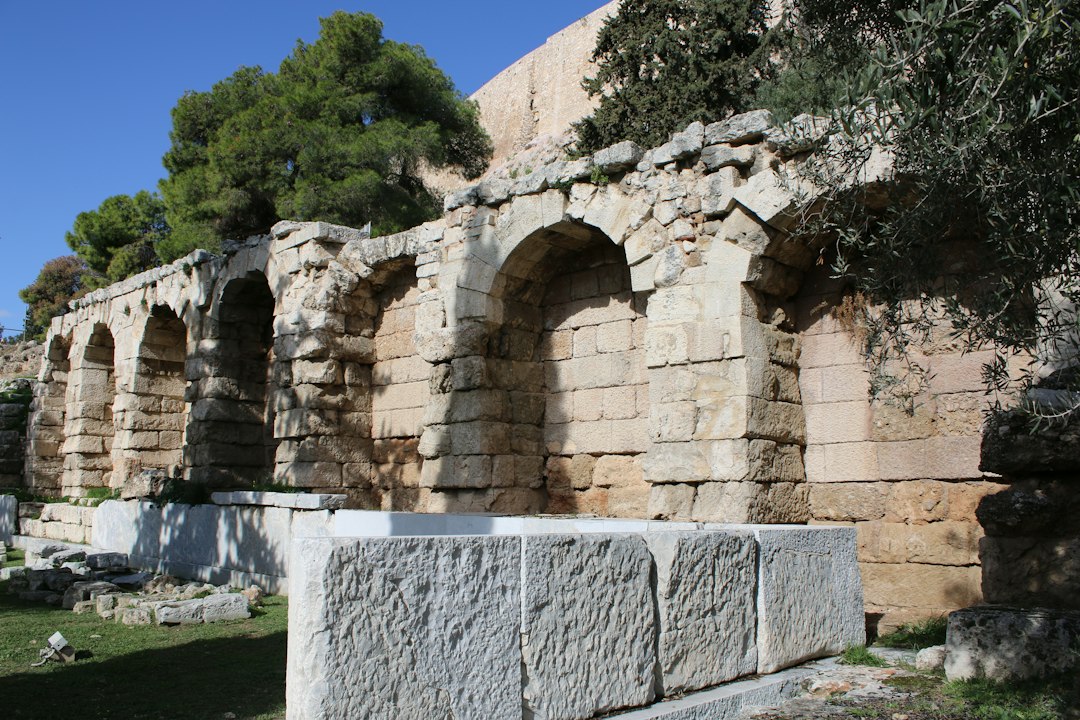
The history of human civilization is inextricably linked to its ability to harness and manage water. Long before the advent of modern plumbing and sophisticated water treatment plants, ancient peoples conceived and constructed ingenious systems to transport this vital resource, often across vast distances and through challenging terrain. Among these feats of ancient engineering, the underground aqueducts stand out as particularly remarkable. These subterranean arteries, carved from earth and stone, represent a testament to the ingenuity, perseverance, and foresight of our ancestors, silently channeling life-giving water for millennia and shaping the development of empires and cities. They are more than just conduits; they are monuments to human adaptability and a profound understanding of hydrodynamics, predating much of our contemporary scientific knowledge.
The decision to construct aqueducts underground was not merely an aesthetic choice. It was a pragmatic solution driven by a complex interplay of environmental, practical, and strategic considerations. Protecting the water source from contamination, preventing evaporation in arid climates, and safeguarding these vital arteries from enemy sabotage were all crucial factors. Furthermore, the ability to maintain a consistent gradient, essential for gravity-fed water flow, was often more easily achieved by tunneling through hills and mountains rather than attempting to bridge them. These subterranean marvels, though often hidden from view, were the lifeblood of ancient societies, enabling the growth of dense urban populations, the flourishing of agriculture, and the maintenance of public health and hygiene. Their construction demanded immense labor, intricate planning, and a deep understanding of geology and hydraulics, making them some of the most impressive engineering achievements of the ancient world.
Ancient underground aqueducts are remarkable engineering feats that highlight the ingenuity of past civilizations in managing water resources. For a deeper understanding of how ancient societies utilized natural elements to enhance their infrastructure, you may find the article on the strategic importance of the moon particularly interesting. It explores how lunar cycles influenced agricultural practices and water management in ancient cultures, which often intersected with the functioning of aqueduct systems. You can read more about it here: The Strategic Importance of the Moon.
Foundations of Flow: Early Innovations in Water Management
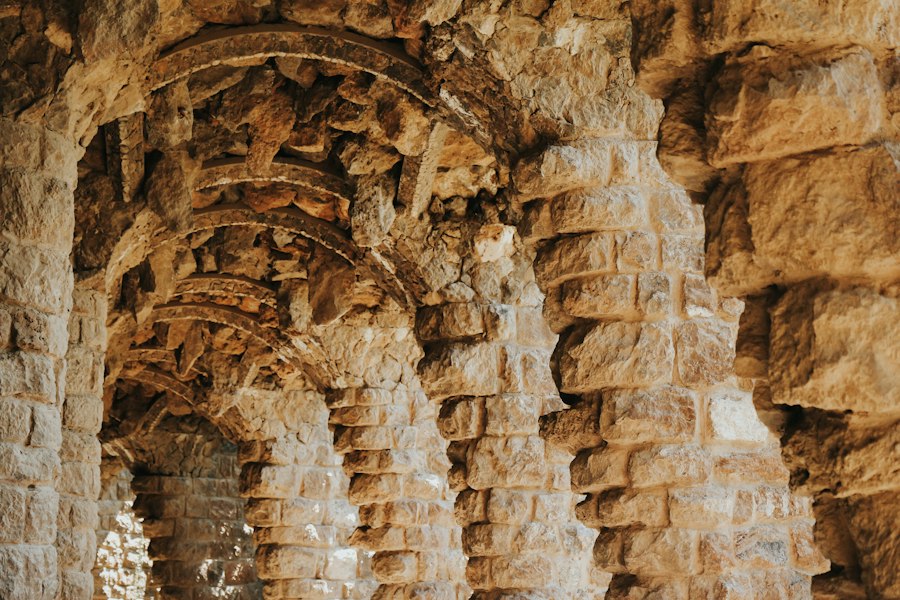
The earliest attempts at water management can be traced back to prehistoric times, where communities sought to access and control nearby water sources. Simple ditches and rudimentary channels were the precursors to the more complex systems that would later emerge. However, it was with the rise of settled civilizations that the need for more sophisticated water management became paramount. The development of agriculture, which required reliable irrigation, and the growth of villages into towns and cities, demanding a clean and consistent water supply, spurred innovation.
The Dawn of Irrigation Channels
In Mesopotamia, around the 6th millennium BCE, evidence suggests the existence of irrigation canals designed to bring water from rivers like the Tigris and Euphrates to cultivated fields. These early channels were likely dug by hand, utilizing basic tools and a keen observation of natural water flow. They represent a fundamental shift in human interaction with the environment, moving from passive reliance on rain and rivers to active manipulation of water resources for sustained food production. The success of these irrigation systems directly contributed to the ability of Mesopotamian civilizations to support larger populations and develop complex societal structures.
Early Reservoirs and Cisterns
Alongside channels, the development of reservoirs and cisterns marked another significant step in water management. These structures, often constructed by excavating large pits and lining them with clay or stone, allowed for the storage of water, ensuring a supply during dry periods or for times of peak demand. Early examples can be found in Minoan Crete, where large cisterns were integrated into palatial complexes, demonstrating an early understanding of water storage for both domestic use and perhaps even defensive purposes. The ability to store water was crucial for urban development, providing a buffer against the vagilancia of natural water availability.
The First Glimmers of Underground Systems
While extensive underground aqueducts would come later, some early societies began to explore subterranean water capture. The ancient Egyptians, for instance, utilized qanats (though the term is more commonly associated with Persia) – underground channels that tapped into groundwater tables. These were often simple tunnels designed to draw water from the base of hills where the water table was closer to the surface. These early, less elaborate systems laid the conceptual groundwork for the more ambitious subterranean networks that would characterize later aqueduct construction. The challenge was always to move water from source to settlement, and the earth offered a potential solution to overcome obstacles and protect the precious commodity.
Masters of the Underworld: The Grand Designs of Classical Civilizations
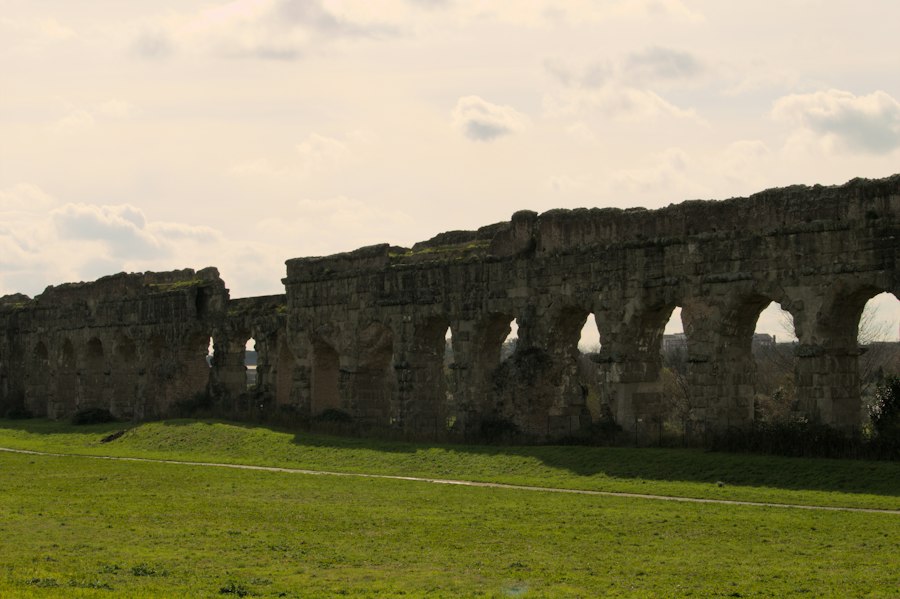
The true golden age of underground aqueduct construction arrived with the classical civilizations, particularly the Romans, but also including the Greeks and Persians. These societies possessed the organizational capacity, the technological knowledge, and the sheer manpower to undertake projects of unprecedented scale and complexity. Their aqueducts were not just functional necessities; they were symbols of power, prosperity, and engineering prowess, bringing clean water to burgeoning cities and enabling public health standards that were revolutionary for their time.
The Roman Aqueduct Network: An Empire’s Lifeline
The Romans are perhaps the most celebrated builders of aqueducts, constructing an extensive network that spanned their vast empire. While many Roman aqueducts are known for their impressive above-ground arcades, a significant portion of their water conveyance systems was also subterranean. These underground sections were crucial for maintaining the precise gradient required for gravity flow, especially when traversing challenging terrain. They were often constructed by excavating trenches, building the inverted siphon or channel, and then backfilling the earth, leaving only access shafts visible. The sheer scale of Roman engineering is astonishing; at their peak, Roman aqueducts supplied cities like Rome with more water per capita than many modern cities.
Engineering the Gradient: The Art of Gravity Flow
The fundamental principle behind all gravity-fed aqueducts is maintaining a consistent, gentle downward slope from the water source to the destination. This required meticulous surveying and planning. Roman engineers employed tools like the chorobates, a long level, and the groma, a surveying instrument for laying out right angles, to ensure the correct gradient. Underground construction offered an advantage in maintaining this gradient by allowing engineers to directly excavate along a planned path, minimizing deviations and ensuring a smooth, uninterrupted flow. The slightest error in gradient could lead to water either flowing too slowly, becoming stagnant and contaminated, or flowing too rapidly, eroding the channels.
Construction Techniques: From Trench to Tunnel
Roman aqueduct construction involved a variety of techniques. For shallower sections, trenches were dug, the aqueduct channel (often lined with waterproof concrete called opus caementicium) was built within the trench, and then the earth was replaced. For deeper or more difficult terrain, tunnels were bored through hills and mountains. These tunnels were incredibly labor-intensive, often dug from both ends to meet in the middle. Ventilation shafts were incorporated at intervals to provide fresh air for the workers and to allow for the removal of excavated material. The precision required to connect two tunneling operations, sometimes hundreds of meters underground, is a testament to their surveying skills.
The Aqua Claudia and Aqua Virgo: Roman Masterpieces
Two of the most famous Roman aqueducts, the Aqua Claudia and the Aqua Virgo, provide excellent examples of underground construction. The Aqua Claudia, completed in 52 CE, brought water from the Aniene River to Rome. A significant portion of its 69-kilometer length was underground, passing through tunnels and trenches. The Aqua Virgo, built in 19 BCE, is notable for remaining in use for the longest period, even today supplying the Trevi Fountain. Much of its original course was also subterranean, allowing it to maintain its gentle slope through the urban landscape. These structures not only supplied water for drinking and domestic use but also fed public baths, fountains, and latrines, contributing to Roman hygiene and public life.
The Persian Qanat System: A Deeply Ingrained Tradition
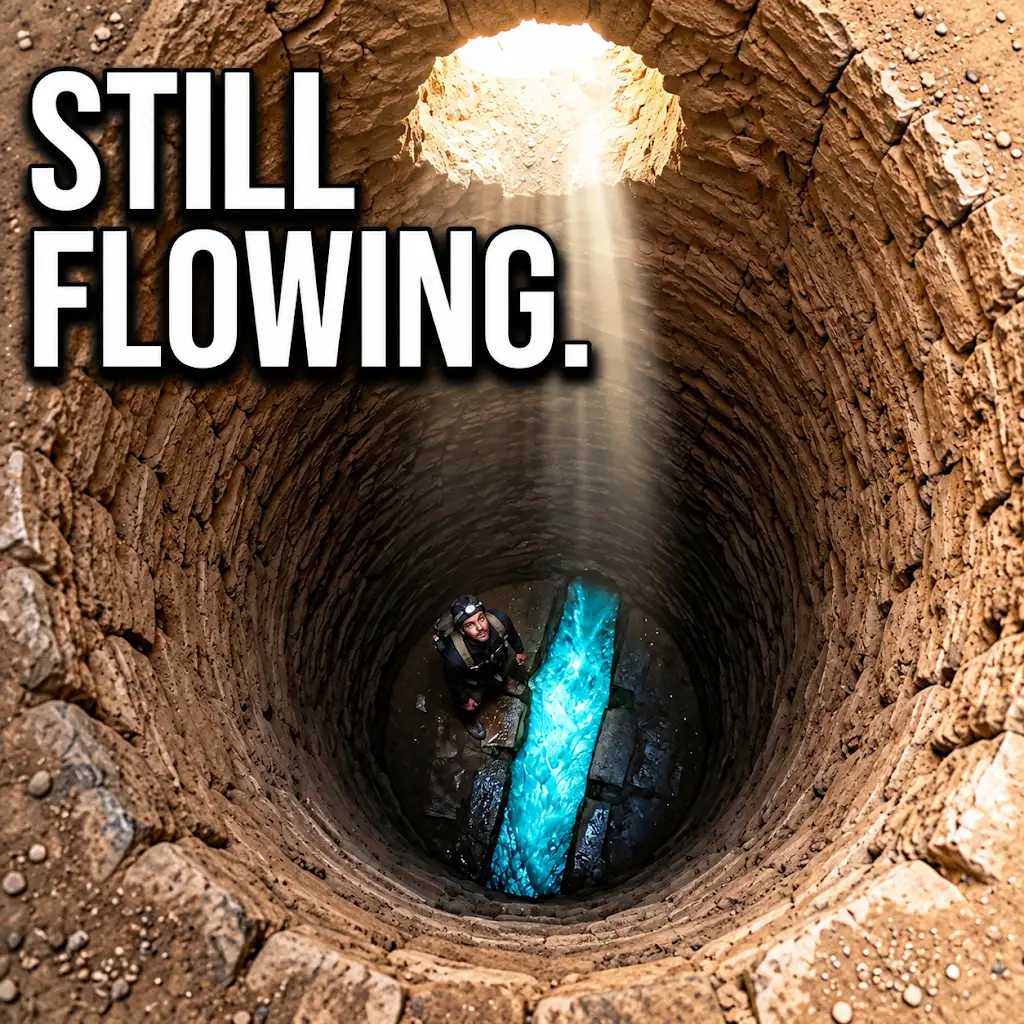
While the Romans are famous for their monumental aqueducts, the Persian qanat system represents a parallel, and in many ways, more enduring tradition of underground water management. Originating in ancient Persia (modern-day Iran) perhaps as early as the 8th century BCE, qanats are networks of gently sloping underground channels that tap into alluvial fans and subterranean water sources. They are characterized by a series of vertical shafts, known as “wells” or “access shafts,” that descend from the surface to the water table, followed by a horizontal tunnel that carries the water to the surface at a lower elevation.
Tapping the Aquifer: The Genius of the Qanat
The genius of the qanat lies in its ability to exploit groundwater without the need for pumping or extensive surface excavation. The water table is often found at considerable depths beneath the ground. Qanat builders would carefully survey the terrain to locate areas where water was likely to be present. They would then begin digging a series of vertical shafts, spaced at regular intervals, until they reached the water-bearing strata. Once water was encountered in a shaft, a horizontal tunnel would be excavated, connecting this shaft to the previous one, and so on, gradually sloping downhill towards the destination. The excavated earth from the shafts and tunnels was brought to the surface and often used to build the spoil heaps around the shafts, a characteristic feature of qanat landscapes.
Maintenance and Longevity: A Living Heritage
Qanats were designed for longevity and required ongoing maintenance. The vertical shafts served as access points for cleaning out sediment and repairing any collapses in the tunnels. The spoil heaps around the shafts also helped to consolidate the surrounding soil, preventing erosion and the collapse of the shafts themselves. The qanat system was not a static construction but a dynamic and living infrastructure, managed and maintained by specialized communities of “qanat diggers” and caretakers. Many qanats in Iran and other parts of the Middle East have been in continuous operation for hundreds, even thousands, of years, a remarkable feat of sustainable engineering.
Beyond Persia: The Spread of the Qanat Concept
The qanat system, or similar underground water extraction techniques, spread far beyond its Persian origins. Variations of the qanat can be found in North Africa (where they are sometimes called foggaras), the Arabian Peninsula, Central Asia, and even parts of China. This widespread adoption highlights the universality of the challenges of water scarcity and the ingenious solutions developed by different cultures to overcome them. The qanat represents a deeply ingrained cultural practice, intimately tied to the survival and prosperity of communities in arid and semi-arid regions.
Greek Ingenuity: Subterranean Water for City-States
While the Romans and Persians are often highlighted, the ancient Greeks also employed underground aqueducts, particularly in their city-states where access to clean water was essential. The city of Athens, for example, benefited from an extensive network of tunnels and underground channels to supply its population. These systems were crucial for providing a reliable water source, especially during sieges, and for supporting the city’s growing population and public facilities.
Early Athenian Water Systems
Evidence suggests that the Athenians were utilizing underground water sources as early as the 6th century BCE. These early systems involved excavating tunnels to tap into springs and groundwater. The Periclean building program in the 5th century BCE saw further development and expansion of these water infrastructure projects. The primary goal was to bring water from sources outside the city walls, protecting them from potential contamination and ensuring a consistent supply for both domestic use and the famous Athenian baths and fountains.
The Challenge of Urban Aqueducts
Constructing underground aqueducts within a densely populated urban environment presented unique challenges. Engineers had to navigate existing structures, avoid underground utilities (though less complex than today), and ensure that the construction did not destabilize the ground beneath buildings. The careful planning and execution of these urban aqueduct systems were critical to the functioning and growth of these ancient city-states, demonstrating a sophisticated understanding of both hydraulics and urban planning.
The Unseen Infrastructure: The Vital Role and Legacy of Underground Aqueducts
The impact of ancient underground aqueducts extends far beyond their impressive engineering. They were instrumental in the development of urban centers, the advancement of public health, and the very survival of civilizations. Their legacy continues to resonate today, not only in the preserved remains of these ancient marvels but also in the fundamental principles of water management that they embody.
Enabling Urban Growth and Public Health
The ability to transport clean water reliably and in large quantities was a prerequisite for the development of large, dense urban populations. Underground aqueducts provided this vital resource, allowing cities to grow beyond the immediate vicinity of natural water sources. Furthermore, the availability of clean, fresh water facilitated improved sanitation and hygiene. Public baths, latrines, and the general availability of water for domestic use significantly reduced the incidence of waterborne diseases, contributing to higher life expectancies and healthier populations. The construction and maintenance of these systems also fostered specialized trades and provided employment, contributing to the economic vitality of these urban centers.
Military and Strategic Importance
Underground aqueducts also held significant strategic importance. For cities that were frequently under siege, a secure and hidden water supply was a critical advantage. Enemies could easily cut off above-ground water sources, but the subterranean nature of these aqueducts made them much more difficult to sabotage. This allowed besieged cities to withstand longer periods of conflict, as their water supply remained intact. The ability to control water resources also became a tool of political power and influence, both within city-states and between them.
Engineering Principles That Endure
The principles of hydraulics, gradient maintenance, and water conveyance that underpinned the construction of ancient aqueducts remain fundamental to modern water engineering. While the materials and technologies have evolved dramatically, the core understanding of how to move water using gravity and maintain its quality is a direct descendant of the knowledge accumulated by ancient engineers. The resilience and longevity of many ancient aqueduct systems serve as a powerful reminder of the enduring quality of well-designed and carefully constructed infrastructure.
The engineering marvels of ancient civilizations often included sophisticated water management systems, such as underground aqueducts that transported water over long distances. These structures not only showcased the ingenuity of their builders but also played a crucial role in sustaining urban life. For a deeper understanding of how ancient societies navigated their environments, you might find it interesting to explore the related article on ancient mariners and their wayfinding techniques, which can be found here. This piece highlights the interconnectedness of water management and navigation in the ancient world, revealing how both were essential for trade and survival.
Echoes in the Present: Preserving and Learning from Ancient Waterways
| Aqueduct Name | Location | Construction Period | Length (km) | Purpose | Water Source | Notable Features |
|---|---|---|---|---|---|---|
| Qanat | Persia (Iran) | Circa 1000 BCE | Up to 70 km | Irrigation and drinking water | Underground water tables | Series of vertical shafts connected by gently sloping tunnels |
| Roman Cloaca Maxima | Rome, Italy | 6th century BCE | ~11 km | Drainage and sewage | N/A (drainage system) | One of the world’s earliest sewage systems, partially underground |
| Subterranean Aqueduct of Derinkuyu | Cappadocia, Turkey | Circa 8th century BCE | Several km (part of underground city) | Water supply for underground city | Natural springs and wells | Integrated with underground city, complex ventilation and water system |
| Hezekiah’s Tunnel | Jerusalem, Israel | 8th century BCE | 533 meters | Water supply during siege | Gihon Spring | Carved through solid rock, connects spring to city pool |
The study and preservation of ancient underground aqueducts offer invaluable insights into the past and hold crucial lessons for the future of water management. These remarkable structures, though often hidden from view, are an integral part of our shared human heritage.
Archaeological Exploration and Documentation
Ongoing archaeological research continues to uncover and document previously unknown aqueduct systems. Excavations, geophysical surveys, and remote sensing technologies are employed to map the courses of these subterranean networks and to understand their construction and operation. Detailed documentation of these sites is crucial for both historical understanding and for informing conservation efforts. This research often reveals new details about the engineering techniques, labor organization, and social context of the societies that built them.
The Challenge of Preservation
Preserving ancient aqueducts, particularly underground sections, presents significant challenges. Natural processes like erosion, seismic activity, and groundwater fluctuations can all threaten their structural integrity. Human activities, such as modern construction and agricultural practices, can also inadvertently damage or destroy these historical sites. Conservation efforts often involve stabilizing tunnels, preventing water ingress where it is detrimental, and protecting access points from vandalism. The challenge is to balance preservation with the need for ongoing access for research and, in some cases, to integrate historical systems into modern water management where feasible and appropriate.
Lessons for Modern Water Scarcity
In an era of increasing global water scarcity and climate change, the ingenuity and resourcefulness of ancient aqueduct builders offer profound lessons. Their ability to efficiently manage and transport water, often in arid or semi-arid regions, using sustainable methods and gravity flow, is highly relevant. Understanding how they tapped into groundwater, minimized water loss, and maintained their systems for centuries provides a valuable framework for developing more resilient and sustainable water management strategies for the future. The quiet flow of these ancient arteries continues to speak volumes, reminding us that solutions to complex modern challenges can sometimes be found by looking back to the wisdom of the past. Their enduring presence, though often unseen, serves as a constant reminder of humanity’s long and intricate relationship with water and its vital importance to civilization.
They Dug Water Tunnels Under the Desert… And They Still Flow
FAQs
What is an ancient underground aqueduct?
An ancient underground aqueduct is a system of tunnels or channels built by ancient civilizations to transport water from a water source to a destination, such as a city or agricultural area.
How were ancient underground aqueducts constructed?
Ancient underground aqueducts were typically constructed by digging tunnels or channels underground, often using primitive tools such as picks and shovels. Some aqueducts were lined with materials like stone or clay to prevent water leakage.
Which ancient civilizations are known for building underground aqueducts?
Ancient civilizations such as the Romans, Greeks, Persians, and Egyptians are known for building underground aqueducts to supply water to their cities, farms, and public baths.
What was the purpose of ancient underground aqueducts?
The main purpose of ancient underground aqueducts was to provide a reliable source of water for drinking, irrigation, and other daily needs of the population living in the area served by the aqueduct.
Are ancient underground aqueducts still in use today?
Some ancient underground aqueducts have been restored and are still in use today, while others have been abandoned or replaced by modern water supply systems. These aqueducts serve as a testament to the engineering skills of ancient civilizations.