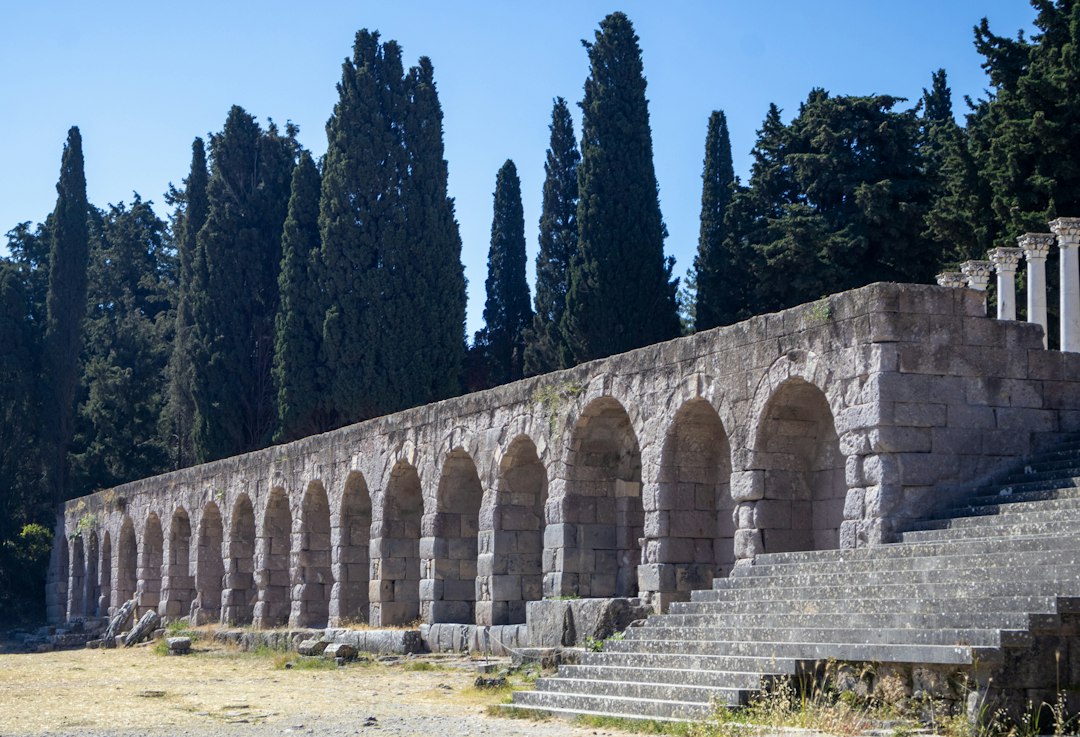
The human drive to harness and manage water, a fundamental element for life, has spurred innovation across millennia. Long before modern plumbing and sophisticated water treatment plants, ancient civilizations, driven by necessity and ingenuity, developed remarkable underground water systems. These engineering marvels, often hidden from view, represent a profound understanding of hydraulics, geology, and resource management, showcasing the extraordinary capabilities of our ancestors. These systems were not merely conduits for water; they were intricate networks designed to sustain agriculture, provide drinking water, and even offer defense, all constructed with tools and techniques that seem remarkably primitive by today’s standards. Their longevity and continued functionality in some cases are testaments to the enduring quality of their design and execution.
The Aqueduct’s Subterranean Cousin
While above-ground aqueducts, like those of the Romans, are often celebrated for their grandeur and visible engineering prowess, the intricate world of underground water systems often goes overlooked. These subterranean marvels served similar purposes – transporting water from distant sources to population centers – but did so with a strategic elegance that offered distinct advantages. The decision to build underground was not always a matter of choice but often a necessity dictated by terrain, climate, or strategic considerations. These systems required immense labor, meticulous planning, and a deep understanding of the earth itself.
The Need for Concealment and Stability
One of the primary drivers for constructing water systems underground was the desire for concealment and stability. Above-ground structures were vulnerable to damage from weather, earthquakes, and enemy action. By burying their aqueducts, ancient peoples protected these vital lifelines from both natural and human threats. This secrecy also played a role in maintaining the purity of the water. Exposed channels were susceptible to contamination from animals, debris, and human activity. Underground conduits offered a more controlled and protected environment, ensuring a cleaner and more reliable water supply. Furthermore, in arid or hot climates, the earth’s insulating properties helped to keep the water cooler, reducing evaporation and maintaining a more consistent temperature, which was crucial for both consumption and certain industrial processes. The sheer labor involved in excavating and lining these tunnels, often through solid rock, highlights the immense value placed on a secure and constant water source.
Principles of Gravity and Flow
The fundamental principle governing most ancient water systems, whether above or below ground, was gravity. Engineers had to carefully calculate gradients to ensure a steady flow of water without excessive speed that could erode the channels or insufficient speed that would lead to stagnation. This involved a deep, intuitive understanding of topography. They would survey the land, identify natural water sources at higher elevations, and then meticulously plan the route, accounting for hills, valleys, and geological formations. The precision required for these calculations, without the benefit of modern surveying equipment, is astonishing. Slight miscalculations could render an entire system useless, so understanding the subtle nuances of land contours was paramount. The construction itself often involved a combination of digging trenches, tunneling through rock, and building supporting structures within the subterranean passages.
The ancient underground water systems, known for their intricate designs and engineering marvels, have played a crucial role in sustaining civilizations throughout history. These systems, often overlooked, reveal much about the ingenuity of past societies in managing their water resources. For a deeper understanding of how ancient technologies continue to influence modern practices, you might find the article on the risks of commercializing orbital space insightful. It discusses the importance of sustainable practices, which can draw parallels to the sustainable management of ancient water systems. You can read it here: The Risks of Commercializing Orbital Space.
Ancient Innovations in Water Conveyance
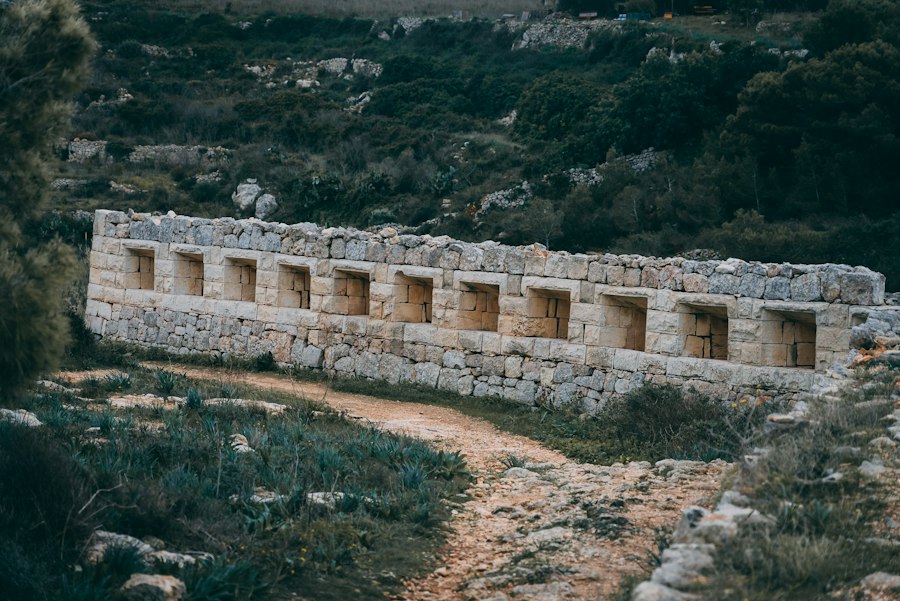
The engineering solutions developed by ancient civilizations for their underground water systems were remarkably diverse and often adapted to local conditions and available materials. From the sophisticated qanats of Persia to the rock-cut wells of the Indus Valley, each system represented a unique approach to a universal challenge. These innovations were not isolated incidents; they often spread and evolved across cultures, demonstrating a shared human ingenuity in the face of environmental pressures. The materials used, the methods of excavation, and the maintenance strategies all speak to a sophisticated understanding of engineering principles.
The Persian Qanat: A Masterpiece of Subterranean Hydrology
Perhaps the most celebrated example of ancient underground water systems is the qanat, originating in Persia (modern-day Iran). These were not just simple tunnels but complex networks of gently sloping underground channels that tapped into groundwater aquifers. The system typically consisted of a vertical access well, sunk from the surface to the water table, connected to a long, sloping tunnel that conveyed water to a surface outlet for distribution. The brilliance of the qanat lies in its ability to transport water over vast distances, often across arid plains, with minimal loss due to evaporation. The access wells served multiple purposes: they allowed for construction, ventilation, inspection, and maintenance, and they also helped to regulate the flow and prevent excessive water table depletion. The construction of qanats was a monumental undertaking, requiring the coordinated effort of skilled engineers, laborers, and surveyors. The qanats were often maintained for centuries, a testament to their robust design and the communal responsibility for their upkeep. They are a prime example of how ancient peoples could harness natural forces to create sustainable water resources in seemingly inhospitable environments. The sheer scale and meticulous construction of some qanats, stretching for tens of kilometers, are awe-inspiring.
The Minoan Kerame: Early Sophistication in Crete
On the island of Crete, the Minoan civilization, renowned for its advanced Bronze Age culture, developed sophisticated water management systems, including underground channels. While not as extensive as the Persian qanats, these Minoan systems demonstrate an early understanding of hydraulics and urban planning. Evidence suggests that they constructed underground conduits to channel wastewater away from settlements and potentially to supply fresh water to certain areas. The complexity of Minoan palaces, such as Knossos, with their intricate plumbing and drainage systems, points to a society that valued hygiene and efficient resource management. The discovery of lead pipes and terracotta conduits within these ancient structures reveals a level of technological sophistication that was far ahead of its time. These systems likely played a crucial role in maintaining the health and sanitation of their densely populated urban centers, showcasing an early awareness of public health infrastructure.
The ancient underground water systems, often referred to as aqueducts, played a crucial role in the development of civilizations by providing a reliable source of water for agriculture and daily life. These remarkable engineering feats are just one aspect of the many wonders of the ancient world. For a deeper understanding of how these systems contributed to the growth of societies, you can explore more in this insightful article about the seven wonders of the ancient world.
The Roman Hypocaust and Drainage
While the Romans are famed for their aqueducts, their engineering prowess extended to sophisticated underground drainage and even heating systems that relied on subterranean structures. The Roman hypocaust system, for example, involved a network of hollow spaces beneath floors and within walls, through which hot air from a furnace circulated to heat buildings. This required extensive underground construction for the furnace rooms and the intricate network of channels. Furthermore, Roman cities were equipped with extensive underground sewer systems, known as cloacae, which were essential for sanitation and public health. The Cloaca Maxima in Rome, still partially in use today, is a testament to their advanced understanding of civil engineering and their commitment to creating habitable urban environments. These underground networks were not just for water supply but also for waste removal, a critical component of any developed society. The meticulous planning and construction of these subterranean arteries were essential for the functioning and health of their vast empire.
Building Below: Techniques and Materials
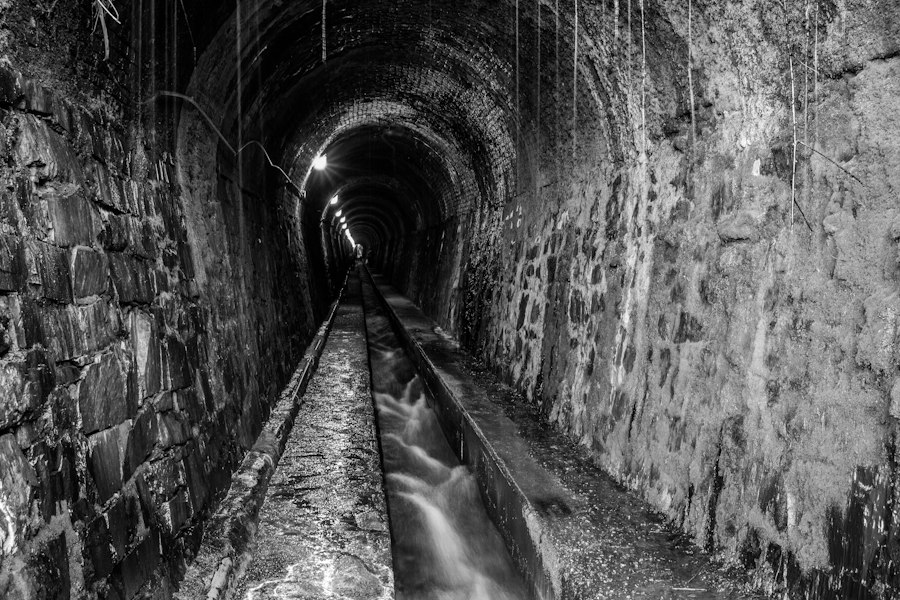
The construction of underground water systems was a labor-intensive process that required ingenuity in excavation, engineering, and the selection of appropriate materials. The challenges presented by different geological formations and the need for structural integrity demanded innovative solutions, often developed through trial and error and passed down through generations. The materials employed were invariably local, reflecting the resourcefulness of each civilization.
Excavation Methods: From Simple Digging to Rock-Cutting
The methods used for excavating underground channels varied greatly depending on the geological conditions. In softer soils, simple digging and shoring techniques would have been employed. However, many systems required tunneling through solid rock, a far more demanding endeavor. This often involved the use of hardened tools, such as picks and chisels, and potentially fire-setting – heating the rock with fire and then rapidly cooling it with water to cause it to fracture. The sheer physical effort involved in such endeavors is almost unimaginable. In some cases, specialized techniques like the Egyptian wadys involved excavating along natural drainage channels, facilitating the process. The precision required to maintain a consistent gradient over long distances would have necessitated careful measurement and alignment, even with rudimentary tools. The management of excavated spoil was also a significant logistical challenge, requiring the removal of vast quantities of earth and rock.
Lining and Structural Integrity: Stone, Clay, and Bitumen
To prevent collapse and maintain the flow of water, underground channels had to be lined. The choice of lining material was dictated by local availability and the specific requirements of the system. In many regions, stone blocks were used, carefully cut and fitted together. In other areas, baked clay tiles or bricks provided a durable and waterproof lining. For particularly challenging environments or where extreme waterproofing was needed, natural bitumen, a sticky, tar-like substance, was often employed as a sealant. This sticky, waterproof material was invaluable in preventing leaks and reinforcing the structure. The careful selection and placement of these materials, often over thousands of meters, ensured the longevity of these subterranean networks. The combination of structural support and waterproofing was essential for the continued functionality of these ancient water arteries, allowing them to serve communities for centuries.
Ventilation and Access: The Importance of the Well Shaft
As mentioned with the qanats, well shafts were a critical component of many underground water systems. These vertical shafts served multiple vital functions. Firstly, they provided access for workers to excavate and maintain the tunnels. Secondly, they allowed for ventilation, preventing the buildup of dangerous gases in the confined spaces and ensuring a safer working environment. Thirdly, they acted as monitoring points, allowing engineers to check water levels and the condition of the channel. In some cases, these shafts were also strategically placed to regulate the flow of water, acting as rudimentary valves or control points. The consistent spacing and depth of these shafts often provided a subsurface map of the water system, a testament to the meticulous planning involved. Without these access points, the construction and ongoing maintenance of such extensive underground networks would have been virtually impossible.
The Legacy and Enduring Significance
The ancient underground water systems, though often hidden, have left an indelible mark on human history and continue to offer valuable lessons. Their ingenuity, durability, and the sheer scale of their construction are a testament to human capacity for innovation and adaptation. Many of these systems, or the principles they embody, have influenced modern water management practices, demonstrating their enduring relevance.
Resilience and Sustainability
One of the most striking aspects of these ancient systems is their resilience and sustainability. Many qanats, for example, continued to function for over a thousand years, providing water for agriculture and communities. This longevity is a direct result of their careful design, the use of durable materials, and the communal responsibility for their maintenance. In an era of rapid technological obsolescence, the enduring functionality of these ancient marvels is particularly noteworthy. They represent a model of sustainable resource management, utilizing natural forces and local materials to create a reliable water supply with minimal environmental impact. This focus on long-term viability, rather than short-term gain, is a crucial lesson for contemporary society grappling with resource scarcity and climate change.
Inspiration for Modern Engineering
The principles behind ancient underground water systems continue to inspire modern engineering solutions. While we now have advanced technology for water extraction, purification, and distribution, the fundamental understanding of gravity flow, aquifer management, and the importance of maintaining water quality, all demonstrated by these ancient systems, remains crucial. The concept of managed aquifer recharge, for instance, echoes the way qanats tapped into groundwater reserves. Furthermore, the meticulous surveying and gradient calculations of ancient engineers are the precursors to modern topographical engineering. The historical context provided by these systems underscores the continuous human quest for efficient and sustainable water management. The development of new tunneling techniques and materials is, in a sense, an evolution of the challenges faced and overcome by these ancient innovators.
Cultural and Archaeological Importance
Beyond their engineering achievements, these underground water systems are of immense cultural and archaeological importance. They offer tangible evidence of the sophistication of ancient societies, their technological capabilities, and their understanding of their environment. Studying these systems provides invaluable insights into the daily lives, agricultural practices, and urban planning of past civilizations. They are a testament to the ingenuity and perseverance of people who, with limited tools, were able to create infrastructure that shaped their world and sustained their populations for millennia. The ongoing archaeological exploration of these sites continues to reveal new details about their construction, use, and the societies that built them, enriching our understanding of human history. The careful preservation and study of these sites are vital for safeguarding this rich heritage.
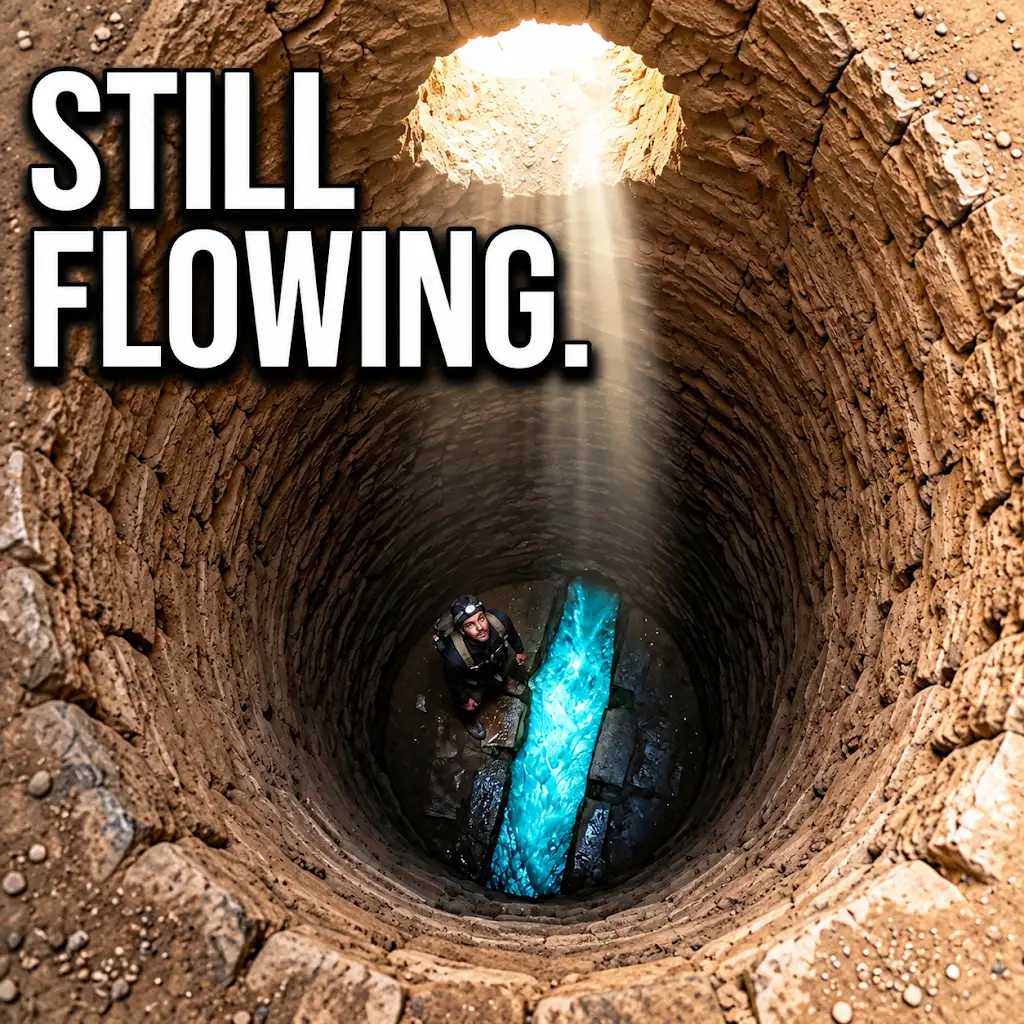
They Dug Water Tunnels Under the Desert… And They Still Flow
FAQs
What is an ancient underground water system?
An ancient underground water system refers to a network of tunnels, channels, and reservoirs built by ancient civilizations to manage and distribute water for various purposes such as irrigation, drinking water, and sanitation.
Where are ancient underground water systems commonly found?
Ancient underground water systems are commonly found in arid regions where water scarcity was a significant challenge for ancient civilizations. Examples include the qanats in Iran, the stepwells in India, and the cisterns in Rome.
How were ancient underground water systems constructed?
Ancient underground water systems were typically constructed using manual labor and simple tools such as picks, shovels, and baskets. Skilled engineers and laborers would excavate tunnels, dig wells, and build reservoirs to create a sustainable water supply system.
What was the purpose of ancient underground water systems?
The primary purpose of ancient underground water systems was to provide a reliable and sustainable water supply for agriculture, urban settlements, and public baths. These systems played a crucial role in supporting the growth and development of ancient civilizations.
Are ancient underground water systems still in use today?
Some ancient underground water systems are still in use today, either in their original form or after being restored and modernized. These systems continue to provide water for agriculture, drinking water, and cultural heritage purposes in various parts of the world.