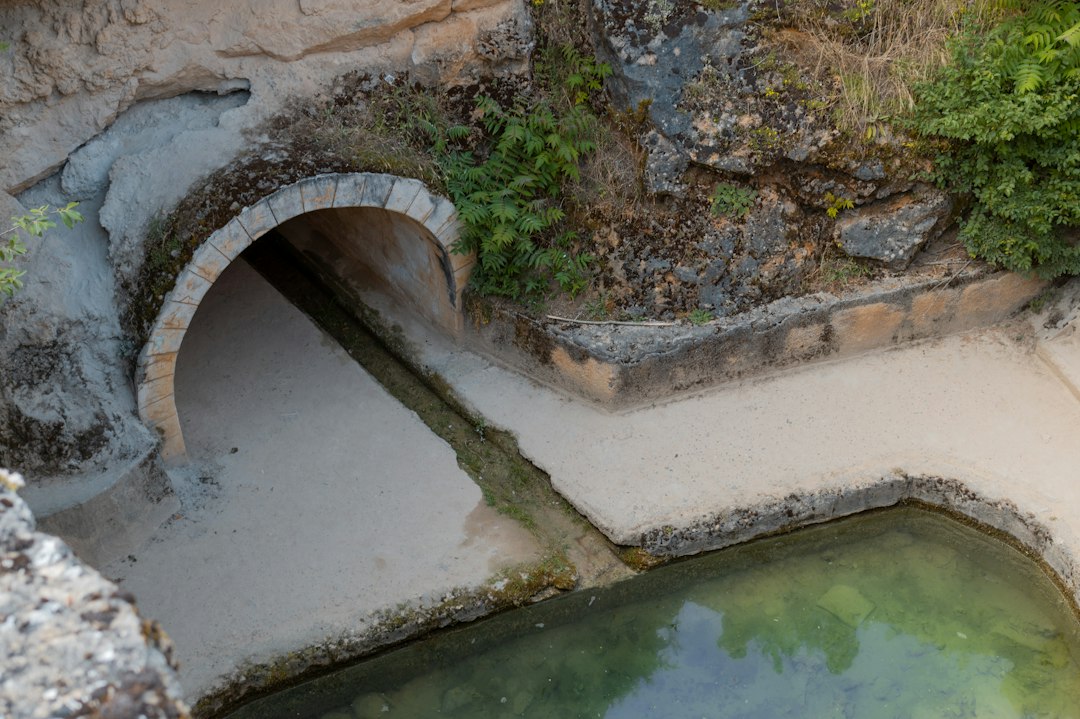
The quest for reliable water sources has been a defining characteristic of human civilization since its inception. Long before the sophisticated aqueducts of Rome or the complex plumbing of modern cities, ancient peoples grappled with the challenge of bringing water where it was needed most – for drinking, agriculture, and sanitation. Their solutions, often hidden beneath the earth’s surface, represent some of the earliest and most ingenious feats of engineering, demonstrating a profound understanding of hydraulics, geology, and resource management. These ancient underground water transport systems, though largely unseen, played a crucial role in the rise and sustenance of numerous civilizations, shaping landscapes and enabling the flourishing of urban centers in arid and semi-arid regions.
The Necessity of the Unseen Flow
The impulse to move water underground stemmed from a confluence of practical needs and environmental realities. Above-ground water sources, such as rivers and springs, were often vulnerable to contamination, evaporation, and seasonal fluctuations. In many regions, direct access to these sources was limited by distance, terrain, or political control. Furthermore, channeling water openly across the surface invited loss through seepage and evaporation, particularly in hot climates. Burying water channels offered a multitude of advantages. It protected the precious resource from the elements and from potential pilferage or damage. It also allowed for the manipulation of gravity with greater subtlety, enabling the construction of systems that could traverse uneven terrain without the obvious visual impact of surface channels or the extensive engineering required for elevated aqueducts. The development of these hidden arteries of civilization was not a singular event but a gradual evolution, spurred by necessity and refined through generations of observation and experimentation.
Agricultural Demands and Early Irrigation
The earliest and perhaps most widespread application of underground water transport was in agriculture. The development of settled agriculture, a cornerstone of civilization, was inextricably linked to the ability to control and distribute water to crops. In areas where rainfall was insufficient or unpredictable, the systematic irrigation of fields was essential for ensuring a stable food supply. Ancient societies learned to tap into underground aquifers or divert water from distant surface sources and channel it through subterranean conduits to irrigate their farmlands. These systems often involved a network of small, hand-dug trenches, lined with clay or stone to minimize leakage, that snaked across agricultural landscapes. The precision with which these systems were engineered, considering gradient and flow rate, allowed for efficient water delivery and the maximization of arable land. The success of early empires was often directly proportional to their ability to manage water for agricultural purposes, and these underground systems were the unsung heroes of this vital endeavor.
Urbanization and Domestic Supply
As populations grew and cities began to form, the demand for clean and accessible water escalated dramatically. The proximity of settlements to reliable water sources became a limiting factor in their growth. Underground water transport systems provided a vital solution, enabling cities to draw water from springs, wells, or rivers located miles away and deliver it directly into the urban core. These systems not only supplied drinking water but also facilitated rudimentary sanitation by carrying away wastewater. The construction of these urban water supply networks required significant planning and labor. It involved mapping out routes, excavating tunnels, and constructing reservoirs and distribution points, all while ensuring the water remained potable. The existence of such systems was a testament to a society’s capacity for large-scale public works and its commitment to public health, laying the groundwork for the complex urban infrastructure that would characterize later periods.
The fascinating world of ancient underground water transport systems showcases the ingenuity of early civilizations in managing their water resources. For a deeper understanding of the hydraulic engineering marvels that enabled these societies to thrive, you can explore the article on ancient hydraulic engineering masterpieces at this link. This resource delves into the sophisticated techniques and structures that were developed to transport water efficiently, highlighting the significance of these innovations in the context of ancient urban planning and sustainability.
Ingenuity in Construction and Material Science
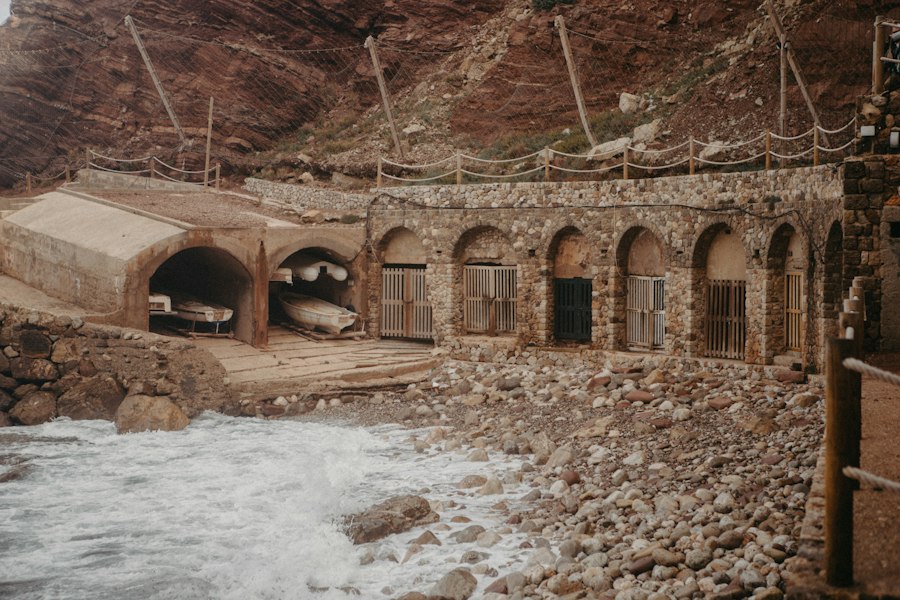
The construction of these ancient underground water transport systems was a remarkable feat, demanding ingenuity in both design and material selection. Without the advanced tools and machinery of modern engineering, ancient builders relied on a deep understanding of natural principles and a mastery of available resources. The methods employed varied widely depending on the local geology, climate, and cultural traditions, but a common thread of innovative problem-solving runs through them all.
Tunneling Techniques and Excavation Methods
Excavating long, subterranean channels was a formidable challenge. Ancient engineers employed a variety of techniques to overcome the resistance of the earth. In softer soils, simple digging with shovels and picks was the primary method. However, when faced with rock, more elaborate approaches were necessary. Blasting with fire and water – heating rocks and then rapidly cooling them with water to cause fracturing – was a common technique. In some cases, rudimentary levers and wedges were used to break apart stone. The process was painstakingly slow and labor-intensive, often involving armies of workers. The selection of routes was crucial, with engineers carefully considering the natural topography to minimize the depth of excavation and maximize the efficiency of water flow. In mountainous regions, they would often follow natural contours or utilize existing geological formations to their advantage, creating tunnels that blended seamlessly with the natural landscape. The planning and execution of these tunneling projects were sophisticated endeavors, requiring an understanding of structural integrity and the potential for collapse.
The Role of Gravity and Gradient Control
The fundamental principle powering most ancient underground water transport systems was gravity. Engineers had to meticulously calculate and maintain a precise gradient along the entire length of the channel. Even a slight deviation could result in either the water flowing too slowly, leading to stagnation and contamination, or flowing too rapidly, causing erosion of the channel and potential damage to structures. Achieving this consistent, gentle slope over significant distances, especially when traversing varied terrain, was a testament to their surveying skills and understanding of fluid dynamics. They would use simple leveling tools, such as A-frames with plumb bobs, and carefully monitor water flow in test sections to ensure the desired gradient was achieved and maintained. The success of these systems was a direct reflection of their ability to harness gravity effectively, turning a natural force into a reliable means of water delivery.
Materials for Conduit Construction
The choice of materials for lining and constructing the water channels was critical to their longevity and efficiency. Durability, impermeability, and availability were key considerations. In many instances, natural materials were modified or enhanced to serve this purpose.
Clay and Terracotta Piping
Clay, being readily available in many regions, was a popular choice. Workers would fashion clay into cylindrical pipes, often interlocking them to form continuous lengths. These pipes were then fired in kilns to create terracotta, a ceramic material that was significantly harder, more durable, and less permeable than raw clay. The use of fired clay pipes allowed for the creation of relatively watertight conduits that could be buried and protected. The construction of the piping system involved careful fitting and sealing of individual sections to prevent leakage. In some cases, bitumen or other natural adhesives were used to further seal the joints. This method represented a significant advancement in the ability to create controlled and efficient water distribution networks.
Stone and Masonry Conduits
In areas where stone was abundant, it was often used for constructing more robust and permanent underground channels. Large stones could be shaped and fitted together to form rectangular or trapezoidal conduits. In other instances, smaller stones were laid in courses and bound together with mortar. The mortar itself was often a sophisticated mixture, incorporating ingredients like lime, sand, and volcanic ash (pozzolana) to create a strong, waterproof binding agent. These stone-lined channels could be very substantial, capable of carrying large volumes of water and enduring for centuries. They were particularly common in large-scale public works, such as major aqueduct systems that channeled water over long distances, but also in smaller, more localized distribution networks within urban areas. The sheer scale and enduring nature of some of these stone masonry systems are a testament to the skill and dedication of their ancient builders.
Bitumen and Natural Sealants
Beyond the primary construction materials, ancient engineers also employed natural sealants to enhance the impermeability of their water systems. Bitumen, a sticky, tar-like substance found in natural asphalt deposits, was a valuable resource. It could be used to coat the interior surfaces of channels or to seal the joints between pipes or masonry blocks, significantly reducing water loss through seepage. The understanding of how to extract, refine, and apply these natural sealants demonstrates a practical and empirical approach to engineering. In arid regions, where every drop of water was precious, the effective use of such materials was crucial for the success of any water transport system.
Illustrious Examples from the Ancient World
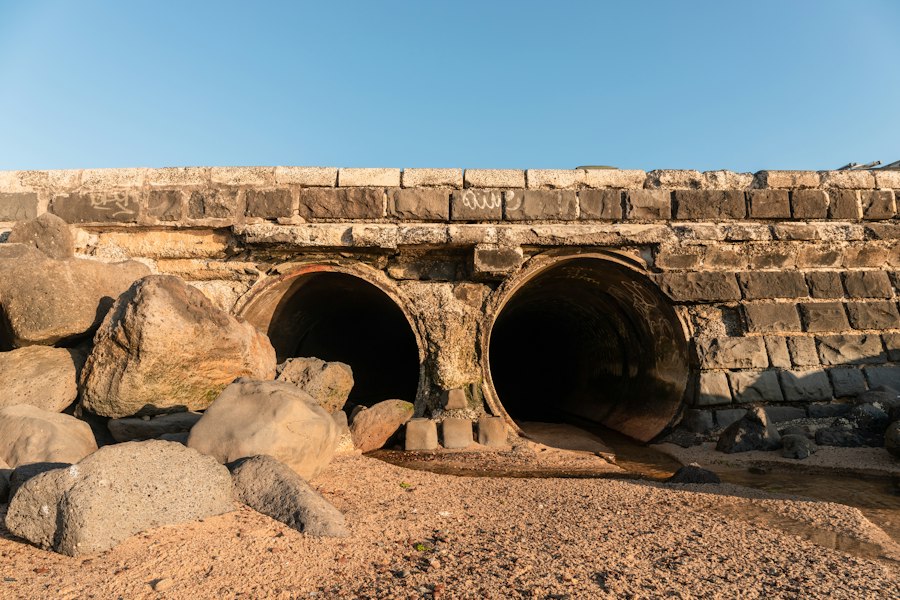
The ingenuity of underground water transport systems is best understood through the lens of specific civilizations that mastered these techniques. Across continents and millennia, distinct approaches emerged, each tailored to local conditions and cultural ambitions. These examples offer tangible proof of the sophistication and far-reaching impact of these often-hidden engineering marvels.
The qanats of Persia: Masters of Subterranean Flow
The qanat system, originating in ancient Persia (modern-day Iran), stands as one of the most remarkable and enduring examples of underground water management. A qanat is essentially a series of gently sloping underground tunnels that tap into groundwater aquifers in hilly areas and channel the water to lower-lying settlements or agricultural land. The genius of the qanat lies in its intricate design, which minimizes water loss through evaporation.
The Construction and Function of Qanats
The construction of a qanat began with the excavation of a vertical shaft, known as a “mother well,” dug down to the water table. From this point, a tunnel was excavated horizontally, with a precise, gentle gradient, towards the area to be irrigated. Further vertical shafts were then dug at regular intervals along the tunnel’s path. These shafts served multiple purposes: they allowed for ventilation, facilitated the removal of excavated material, and provided access for maintenance and repair. The gradient of the main tunnel was meticulously maintained, often just a few centimeters per kilometer, to ensure a steady flow of water without excessive velocity. The qanat system effectively intercepted groundwater, preventing it from seeping uselessly into deeper strata, and brought it to the surface in a controlled manner.
The Impact and Legacy of Qanats
The qanat system was instrumental in supporting the development of agriculture and urban life in the arid regions of Persia and beyond. For millennia, qanats provided a reliable water supply for crops, gardens, and human consumption, transforming vast desert areas into fertile oases. The ingenuity of the qanat design allowed for water to be delivered over distances of many kilometers, sustaining populations and fostering economic prosperity. While many qanats have fallen into disuse due to changing environmental conditions or the advent of modern pumping technology, the surviving systems are still in operation and stand as a testament to the enduring power of ancient engineering. Their principles have influenced water management techniques in other arid regions, and they remain an iconic symbol of human adaptation and ingenuity.
Roman Innovations: The Unseen Aqueducts
While the Romans are most famous for their magnificent above-ground aqueducts, they also employed extensive underground channels as integral parts of their water supply networks. These subterranean sections often played a crucial role in traversing difficult terrain, maintaining pressure, or protecting the water from contamination.
Integrating Underground Channels into Roman Aqueducts
Roman aqueducts were complex systems that often combined various engineering solutions. When an aqueduct needed to pass through or under a hill, or when a consistent, gentle gradient was required over a stretch of undulating land, engineers would construct subterranean tunnels. These tunnels were typically built using similar techniques to those employed in Persia, with vertical shafts for excavation and ventilation. The interiors were often lined with the Romans’ characteristic waterproof concrete and faced with brick or stone to ensure durability and prevent leakage. These underground segments were meticulously surveyed and constructed to maintain the precise gradient necessary for gravity-fed water flow.
The Scale and Sophistication of Roman Subterranean Systems
The scale of Roman engineering was immense, and their underground water channels were no exception. The Appian Way, for instance, featured extensive underground work to maintain its course. Many of the aqueducts supplying Rome itself, such as the Aqua Marcia and the Aqua Virgo, incorporated significant underground sections. These hidden arteries were essential for delivering vast quantities of water to the city, supporting its burgeoning population, public baths, fountains, and extensive sanitation systems. The integration of underground and above-ground components demonstrated a holistic approach to water management, utilizing the best engineering solution for each part of the journey. The Romans’ mastery of concrete and their systematic approach to surveying and construction allowed them to create subterranean water channels that were both efficient and remarkably enduring.
The Minoans and Early Aegean Systems
Evidence suggests that even earlier civilizations, such as the Minoans on Crete, understood and utilized underground water transport for their sophisticated urban centers. Their palaces, like Knossos, were equipped with complex drainage and water supply systems that hint at a deep understanding of hydraulics.
Advanced Drainage and Supply in Minoan Palaces
The Minoan civilization, flourishing in the Bronze Age, was known for its advanced architecture and urban planning. Excavations at sites like Knossos have revealed intricate plumbing systems, including terracotta pipes and channels designed for both water supply and wastewater removal. While much of this system was likely above ground or just below the surface, the need to manage water in a complex, multi-story palace environment would have necessitated some form of concealed transport. The presence of what appear to be cisterns and covered channels suggests an awareness of the benefits of protecting water sources and managing their flow discreetly.
Early Innovations in the Aegean
The precise extent of Minoan underground water transport is still a subject of ongoing research, but the evidence points to an early grasp of hydraulic principles. The need to supply a large, centralized palace complex with potable water and to manage storm runoff and wastewater would have required a sophisticated system. The use of terracotta pipes, a material well-suited for both surface and subsurface construction, likely played a role. These early systems, though perhaps less extensive than later Persian or Roman examples, represent a crucial step in the evolution of urban water management and the development of concealed infrastructure.
Challenges and Maintenance of Ancient Waterways
Maintaining these ancient underground water transport systems was a perpetual challenge. The very elements that protected them – the earth – also posed threats. Over time, subterranean channels could become clogged with sediment, damaged by seismic activity, or compromised by encroaching roots. The success of these systems was not solely dependent on initial construction but also on ongoing vigilance and a dedicated labor force for maintenance.
Sedimentation and Blockages
The primary threat to the continuous flow of water through underground channels was sedimentation. As water traveled, it carried with it fine particles of sand, silt, and debris. Over time, these particles would settle, gradually reducing the effective diameter of the channel and impeding the flow. In systems designed for gravity flow, even a small reduction in cross-sectional area could significantly slow the water, leading to stagnation and increasing the risk of contamination.
Clearing and Dredging Operations
Ancient engineers developed methods for dealing with sedimentation. Regular inspections of the channels were carried out, often through the vertical access shafts. Teams of laborers would then enter the tunnels to manually clear out accumulated sediment using shovels, buckets, and other rudimentary tools. In larger systems, more elaborate dredging techniques might have been employed, utilizing ropes and buckets to excavate material. The frequency of these clearing operations would have depended on the type of terrain the water traversed and the nature of the water source itself. For systems like the qanats, the regular removal of sediment from the main tunnel and the maintenance of the mother wells were critical for their long-term viability.
Structural Integrity and Earth Movements
Underground structures are inherently susceptible to the forces of the earth. Tunnels could be weakened by the pressure of the overlying soil or rock, and seismic activity could cause collapses or fractures. The stability of the ground in which these channels were dug was a crucial consideration during initial construction, and ongoing monitoring was essential.
Repair and Reinforcement Techniques
When structural damage occurred, ancient engineers had to devise methods for repair. In stone-lined channels, damaged blocks would be replaced, and mortar joints would be repointed. For brick or terracotta piping, cracked sections would be removed and new ones installed. In cases of more significant collapse, portions of the tunnel might need to be entirely re-excavated. The use of reinforcing elements, such as wooden beams or stone supports within the tunnels, would have been employed to shore up sections deemed unstable. The ability to diagnose and repair these structural issues without modern surveying equipment speaks volumes about the practical knowledge of these ancient builders.
Water Quality and Contamination Concerns
Despite the protection offered by being underground, water in these systems was not immune to contamination. In some instances, leakage from surrounding soil, particularly in areas with agricultural runoff or human waste, could seep into the water channels. Inadequate maintenance could lead to the growth of algae or bacteria within stagnant sections.
Safeguarding Potability
Maintaining the quality of water was paramount, especially for drinking water supplies. This was often achieved through careful selection of the water source, ensuring it was as clean as possible to begin with. The impermeable linings of the channels, whether clay, stone, or concrete, also played a role in preventing external contaminants from entering. Regular cleaning and flushing of the systems would have helped to remove accumulated organic matter and reduce the proliferation of harmful microorganisms. The construction of settling basins or filtration systems at various points within the network, though simple in design, might also have been employed to improve water clarity and purity before it reached the end-users.
The fascinating history of underground water transport in ancient civilizations reveals how innovative engineering solutions were employed to manage water resources effectively. For those interested in exploring the broader implications of ancient infrastructure on modern practices, a related article discusses contemporary labor value content in trade agreements, which can be found here. This connection highlights the enduring impact of historical advancements on today’s economic frameworks.
Enduring Lessons and Modern Relevance
| Ancient Civilization | Water Transport System | Purpose | Approximate Era | Key Features | Estimated Length (km) |
|---|---|---|---|---|---|
| Persian Empire | Qanat | Irrigation and drinking water supply | Circa 1000 BCE | Underground tunnels with vertical shafts to transport water from aquifers | Up to 70 km |
| Ancient Rome | Roman Aqueducts (partly underground) | Urban water supply | 312 BCE – 226 CE | Combination of underground channels and above-ground arches | Up to 80 km |
| Ancient India | Stepwells and subterranean channels | Water storage and transport | Circa 600 CE | Underground water storage with access steps and channels | Varied, typically under 5 km |
| Ancient China | Underground canals and wells | Irrigation and urban water supply | Han Dynasty (206 BCE – 220 CE) | Use of underground channels to reduce evaporation | Several kilometers |
The ancient underground water transport systems, though largely relics of the past, offer profound and enduring lessons that remain relevant today. They speak to humanity’s innate drive to innovate and adapt, to harness natural forces for our benefit, and to build resilient infrastructure in the face of environmental challenges. Their legacy extends beyond mere historical curiosity; it provides a blueprint for sustainable water management and a reminder of the foundational engineering principles that underpin modern civilization.
The Principles of Sustainable Water Management
The ancient engineers, driven by necessity, developed systems that were remarkably sustainable. Their reliance on gravity eliminated the need for energy-intensive pumping. Their careful selection of materials, often utilizing locally sourced and renewable resources, minimized environmental impact. The qanat system, in particular, is a prime example of a technology that worked in harmony with its environment, extracting groundwater at a rate that allowed for natural replenishment. These systems demonstrate the power of working with natural processes rather than against them, a principle that is increasingly vital in our efforts to address contemporary water scarcity.
Inspiration for Modern Infrastructure Design
The ingenuity and foresight displayed in ancient underground water transport systems continue to inspire modern engineers. The fundamental principles of gradient control, tunnel construction, and material science, honed over millennia by these early builders, remain cornerstones of contemporary civil engineering. Studying these ancient systems provides valuable insights into problem-solving techniques, resourcefulness, and the long-term implications of infrastructure design. They serve as a tangible reminder that sometimes, the most elegant and effective solutions are those that are built with an understanding of natural laws and a respect for the environment.
The Human Element: Collaboration and Knowledge Transmission
The construction and maintenance of these vast underground networks were not solely the product of individual brilliance but also of collective effort and the organized transmission of knowledge. These projects required the coordination of large labor forces, the pooling of resources, and the passing down of technical skills from generation to generation. This highlights the crucial role of collaboration and the importance of preserving and disseminating knowledge in the development of complex societies. The enduring presence of these systems is a testament to the human capacity for cooperation and the power of shared learning in overcoming significant engineering challenges.
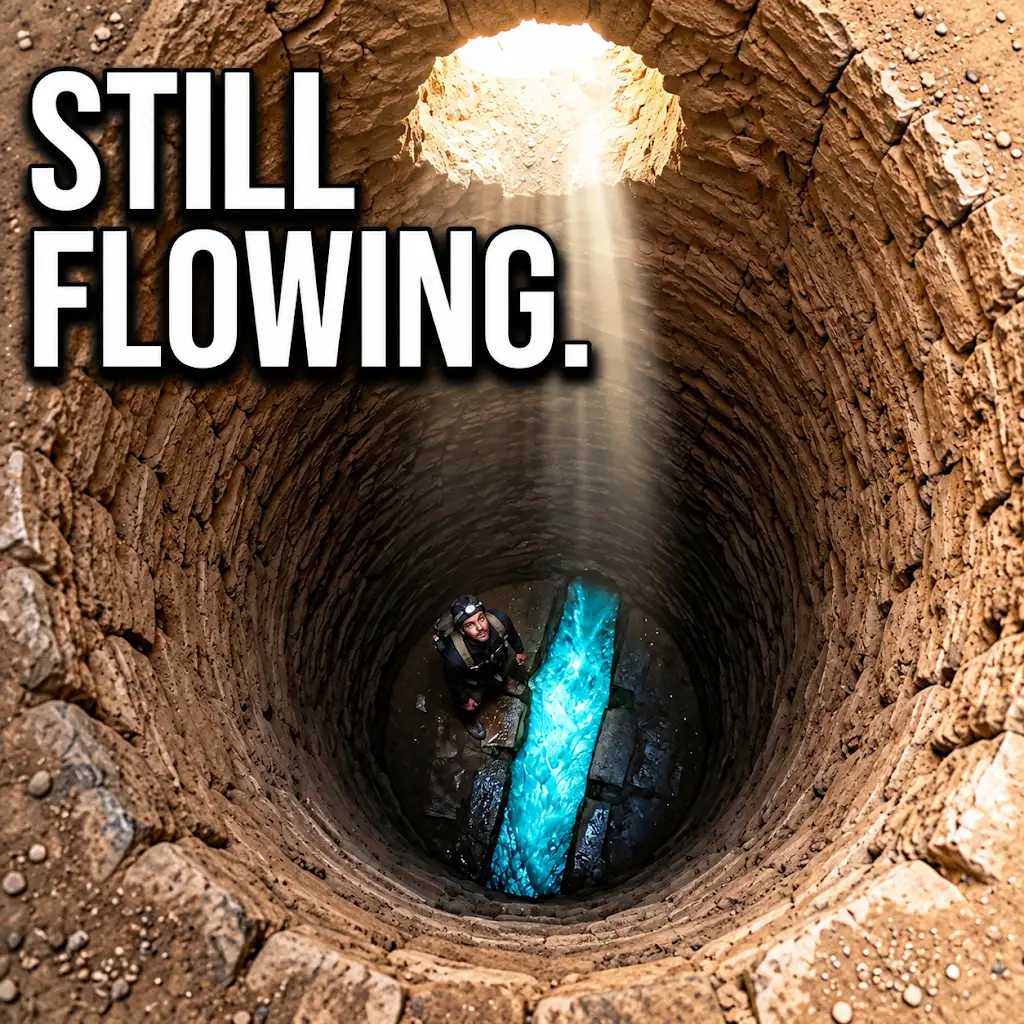
They Dug Water Tunnels Under the Desert… And They Still Flow
FAQs
What is underground water transport in ancient times?
Underground water transport in ancient times refers to the system of channels, tunnels, and aqueducts used by civilizations to transport water from one location to another beneath the surface of the earth.
Which ancient civilizations utilized underground water transport systems?
Ancient civilizations such as the Romans, Persians, Egyptians, and Greeks are known to have utilized underground water transport systems to supply water to their cities, agricultural lands, and public baths.
How did ancient civilizations construct underground water transport systems?
Ancient civilizations constructed underground water transport systems by digging tunnels, building aqueducts, and creating channels using various tools and techniques such as shovels, picks, and manual labor. They also used materials like stone, clay, and bricks to line the tunnels and channels.
What was the purpose of underground water transport in ancient times?
The primary purpose of underground water transport in ancient times was to provide a reliable and efficient means of supplying water for drinking, irrigation, and other daily needs to urban centers, agricultural areas, and public facilities.
What advancements in technology were made in underground water transport systems by ancient civilizations?
Ancient civilizations made advancements in technology for underground water transport systems by developing sophisticated aqueducts, reservoirs, and filtration systems to improve water quality, increase water flow, and regulate water distribution to meet the growing needs of their populations.