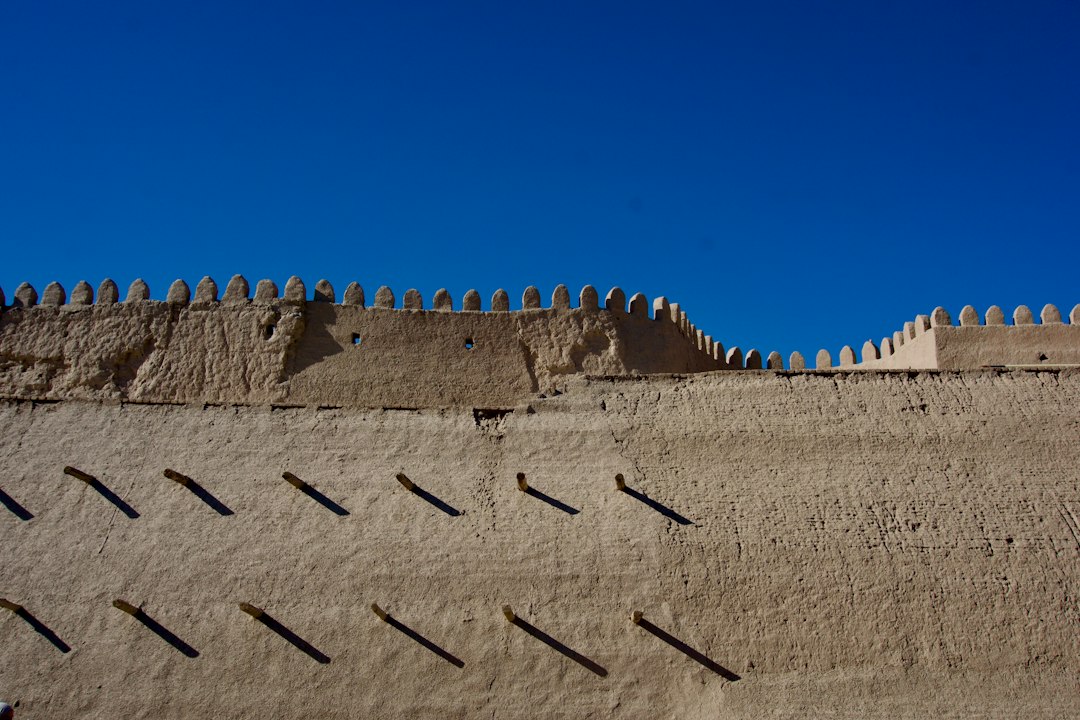
The Enduring Foundations: Ancient Wall Construction Techniques in Morocco
Morocco’s landscape is punctuated by the silent testaments of its past – imposing kasbahs, fortified medinas, and ancient city walls that have stood against the relentless march of time, sandstorms, and conflict. These structures, often crafted from the very earth upon which they stand, reveal a sophisticated understanding of materials, engineering, and an intimate connection with the environment. The ancient wall construction techniques employed by Moroccan builders represent a rich tapestry of indigenous knowledge, adapted over millennia to suit diverse climates, available resources, and evolving societal needs. From the sun-baked plains to the rugged Atlas Mountains, these methods have not only provided shelter and defense but have also shaped the cultural and aesthetic identity of the nation.
The development of these techniques is intrinsically linked to the history of settlement and defense in Morocco. Early Berber communities, long before the arrival of Phoenicians, Romans, or Arabs, possessed rudimentary building skills. As civilizations rose and fell, bringing new technologies and influences, these foundational techniques were refined and integrated. The strategic importance of Morocco, situated at the crossroads of Africa and Europe, necessitated robust fortifications. This constant need for defense spurred innovation, leading to the development of durable and effective construction methods that have earned admiration for their longevity and resilience. Understanding these ancient techniques offers a window into the ingenuity and resourcefulness of Morocco’s ancestors, providing valuable insights into vernacular architecture and sustainable building practices that resonate even today.
Ancient wall construction in Morocco showcases the remarkable engineering skills of past civilizations, particularly in the use of local materials and techniques that have stood the test of time. For a broader perspective on ancient construction methods and their significance in different regions, you might find the article on Antarctica’s hidden coastline intriguing. It explores how ancient techniques can be observed in various forms across the globe, emphasizing the ingenuity of human adaptation to diverse environments. You can read more about it here: Exploring Antarctica’s Hidden Coastline.
Early Foundations: Earth and Stone in Ancient Fortifications
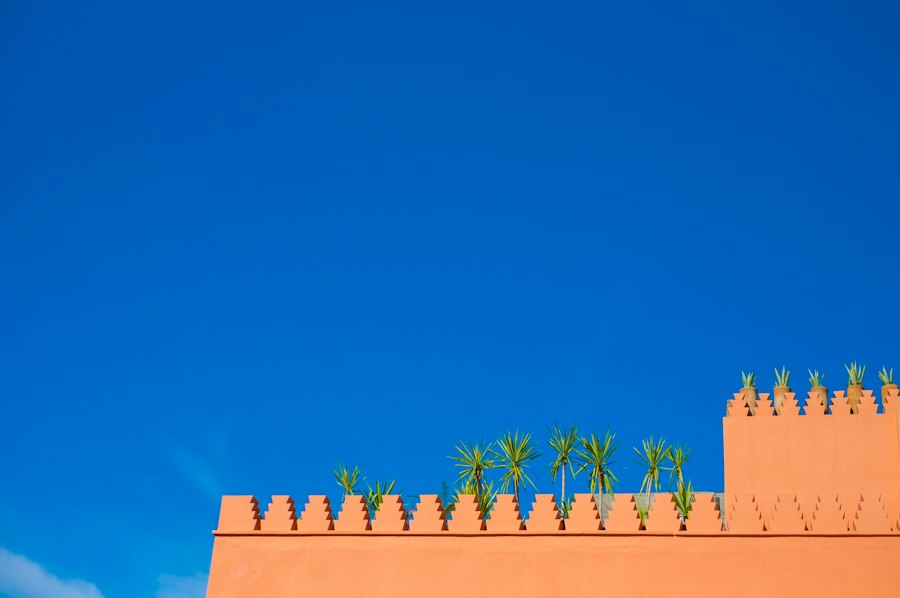
The earliest and arguably most prevalent building material in ancient Morocco was earth, primarily in the form of rammed earth (pisé) and adobe bricks. This choice was dictated by the abundance of suitable soil and its excellent thermal properties, offering natural insulation against the extreme temperature fluctuations characteristic of many Moroccan regions. The construction of these earthen structures was a labor-intensive process, requiring significant communal effort and a deep understanding of soil composition.
Rammed Earth: The Backbone of Fortifications
Rammed earth, known in Arabic as adobes or tabia, was a cornerstone of ancient Moroccan defensive architecture. This technique involved compacting layers of moist earth, typically a mixture of clay, sand, and gravel, between wooden formwork. The earth was often mixed with straw or other fibrous materials to improve its tensile strength and prevent cracking as it dried. The process began by preparing a sturdy foundation, often of stone, to prevent erosion and provide a stable base. The formwork, meticulously constructed from timber, was erected to the desired wall thickness. Moist earth was then introduced in successive layers, typically 10-15 centimeters thick, and thoroughly compacted using heavy wooden or stone tampers. This compaction was crucial for achieving density and strength, minimizing porosity and maximizing the wall’s resistance to weathering.
The construction proceeded upwards, layer by layer, with the formwork being dismantled and re-erected as each section was completed. The resulting walls were solid, monolithic structures, remarkably resistant to seismic activity due to their inherent flexibility. The thickness of these rammed earth walls could vary significantly, often reaching several meters at the base of defensive fortifications to provide maximum stability and protection. The smooth, continuous surfaces created by this method also offered fewer handholds for attackers attempting to scale the walls. The exterior surfaces were often plastered with a lime-based mortar, which further protected the earth from erosion and provided a more aesthetically pleasing finish. This plaster also acted as a sealant, repelling water and increasing the lifespan of the structure. The remarkable longevity of many rammed earth kasbahs and city walls across Morocco is a testament to the effectiveness and skill with which this technique was employed. Examples such as the Kasbah of Ait Benhaddou, a UNESCO World Heritage site, showcase the grandeur and resilience achievable with rammed earth construction. The sheer scale and intricate details of these ancient structures highlight the mastery of the builders in manipulating this humble material into forms of enduring strength and beauty.
Adobe Bricks: Sun-Dried Strength
Complementary to rammed earth, adobe bricks played a significant role, particularly in less demanding fortifications and residential buildings, and also as infill for stone structures. Adobe bricks were made by mixing clay with water and often straw, then shaping the mixture into rectangular molds. These molds, typically made of wood, were filled with the adobe mixture and then left to dry in the sun for several days or weeks. Once dried, the bricks were remarkably hard and durable, ready to be laid in courses using an earth-based mortar, often a mix of clay and sand.
The advantage of adobe bricks lay in their modularity. They could be produced in advance and stored, allowing for more flexible construction schedules. While individual bricks might be less resistant to direct water damage than well-constructed rammed earth, their use in bonded walls with effective plastering provided a robust and readily repairable building system. The uniform size and shape of adobe bricks facilitated faster construction compared to the intricate formwork required for rammed earth. In many instances, adobe bricks were used in conjunction with stone, with stone forming the lower, more vulnerable sections of a wall, and adobe used for the upper portions or as infill within a stone framework. This dual approach leveraged the strengths of both materials, providing a cost-effective and structurally sound solution. The widespread use of adobe across North Africa and the Middle East is a testament to its adaptability and the ease with which it could be produced and utilized by communities with limited access to advanced tools or materials. The visual texture and warm, earthy tones of adobe-built structures are an integral part of the Moroccan architectural vernacular, creating a harmonious relationship between buildings and their natural surroundings.
The Strength of Stone: From Foundations to Fortresses
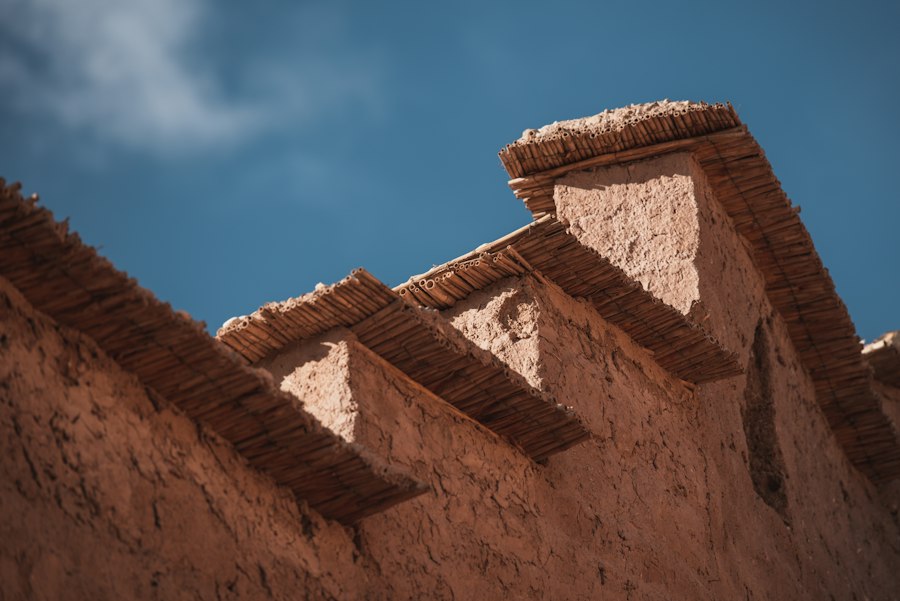
While earth was a dominant building material, stone was also indispensable in ancient Moroccan wall construction, particularly for foundational elements, defensive strongpoints, and in regions where stone was more readily available than suitable earth. The strategic use of stone provided inherent strength, durability, and a visually imposing presence, often employed for critical defensive structures.
Dry Stone: Mastering Nature’s Blocks
Dry stone construction, the art of building walls without mortar, was a fundamental technique in ancient Morocco, especially in mountainous regions and for agricultural terraces. This method relies on the precise selection, shaping, and placement of stones to create stable and interlocking structures. Builders would carefully choose stones of varying sizes and shapes, seeking those with flat surfaces and irregular forms that would fit together like a puzzle. The process involved selecting large, foundational stones for the base, followed by progressively smaller stones. The skill lay in ensuring that each stone was well-seated and supported by its neighbors, creating a cohesive and self-supporting wall.
The inherent strength of dry stone walls comes from their mass and the friction between the stones. When properly constructed, these walls can withstand significant lateral forces, including earth pressure and even moderate seismic tremors. The interstitial spaces between stones could be filled with smaller pebbles or soil to further stabilize the structure and prevent excessive erosion. This technique was particularly effective for building retaining walls, terraces on steep slopes to prevent soil erosion, and the lower courses of defensive walls, providing a robust base that could resist the battering of siege weaponry or the force of flowing water. The aesthetic of dry stone walls, with their irregular textures and organic forms, blends seamlessly with the natural landscape, evoking a sense of timelessness and connection to the earth. This method, passed down through generations, demonstrates a profound understanding of gravity, balance, and the inherent structural capabilities of natural materials.
Mortared Stone: Enhanced Durability and Height
Where greater structural integrity and height were required for defensive walls, mortared stone construction was employed. This technique involved using a binding agent – typically a lime-based mortar – to bond stones together. The process began with a strong foundation, often of larger, roughly dressed stones. Stones were then carefully selected and often dressed or squared to create more regular courses. The mortar, made from slaked lime, sand, and water, acted as a lubricant for positioning the stones and, upon setting, hardened to create a rigid and incredibly strong bond.
The quality of the mortar was crucial. Moroccan builders were skilled in producing high-quality lime, which was heated in kilns to produce quicklime, then slaked with water to create a reactive paste. This lime was then mixed with sand and aggregates, creating a durable mortar that could withstand weathering and the test of time. For major fortifications, such as the city walls of Marrakech or Fes, enormous quantities of stone and mortar were utilized, creating imposing barriers that defined the urban landscape and offered formidable defense. The stones themselves were often quarried locally, with different regions developing preferences for specific types of rock, such as sandstone, granite, or limestone, depending on availability and suitability. The careful dressing of stones and the precise application of mortar allowed for the construction of walls with exceptional stability and height, capable of withstanding prolonged sieges and attacks. The visual impact of these mortared stone fortifications is undeniable, conveying a sense of impregnability and historical grandeur. The intricate patterns of stonework and the weathered patina of the mortar speak volumes about the engineering prowess and dedication of the ancient Moroccan builders.
The Art of Mortars and Plasters: Sealing and Strengthening
The effectiveness and longevity of ancient Moroccan walls, whether earth or stone, were significantly enhanced by the sophisticated use of mortars and plasters. These materials not only bound structural elements together but also provided crucial protection against environmental degradation, particularly water erosion and extreme temperatures. Moroccan builders possessed a deep understanding of local materials and developed specialized mixes to suit specific purposes.
Lime Mortar: The Versatile Binder
Lime mortar was the most common binder used in ancient Moroccan construction, particularly for stone walls and as a finishing plaster for both earth and stone structures. The production of lime was a well-established craft, involving the quarrying of limestone, which was then fired in kilns at high temperatures to produce quicklime. This quicklime was then carefully slaked with water, a process that generated considerable heat and transformed the quicklime into calcium hydroxide, a fine white powder. This slaked lime was then mixed with sand, often sourced from riverbeds, to create the mortar. The ratio of lime to sand was critical, with higher lime content generally yielding a stronger, more durable mortar.
The application of lime mortar required skill and precision. For stone walls, it was used to fill the gaps between stones, ensuring a solid and interlocking construction. As it set, the lime mortar would reabsorb carbon dioxide from the atmosphere, a process known as carbonation, which hardened the mortar and created a strong bond. For plastered surfaces, a finer mix of lime and sand was used, providing a smooth and protective coating. The plasticity of lime mortar allowed for the creation of curved surfaces and intricate decorative elements, contributing to the aesthetic richness of Moroccan architecture. The ability of lime mortar to “breathe” also played a role in regulating internal humidity in buildings, contributing to a healthier and more comfortable living environment.
Earth-Based Renders: Natural Protection and Aesthetics
In conjunction with lime, earth-based renders were also widely used, particularly for finishing rammed earth and adobe walls. These renders, often a mixture of clay, sand, and sometimes fine straw, provided an additional layer of protection against the elements and offered a smooth, aesthetically pleasing finish. The clay component provided binding properties, while the sand improved durability and reduced shrinkage. The addition of straw acted as a binder and helped to prevent cracking as the render dried.
These earth-based plasters were often applied in multiple layers, with each layer carefully smoothed before the next was applied. This process created a robust and relatively waterproof surface. The natural, earthy tones of these renders, ranging from ochre to deep red, blended harmoniously with the surrounding landscape and contributed to the distinctive visual character of Moroccan vernacular architecture. In some instances, natural pigments were added to these earth renders to create decorative patterns and color variations. The regular maintenance and reapplication of these renders were essential for preserving the integrity of the underlying earthen structures, ensuring their longevity for centuries. The use of such natural, locally sourced materials reflects a profound understanding of sustainable building principles and a deep respect for the environment.
Ancient wall construction in Morocco showcases the remarkable engineering skills of early civilizations, particularly in the use of local materials and techniques that have stood the test of time. For a deeper understanding of how historical practices influence modern economic structures, you might find it interesting to explore the impact of nearshoring on global trade frameworks. This connection highlights how traditional craftsmanship can still resonate in today’s global economy. You can read more about this topic in the article here.
Defense and Daily Life: The Dual Purpose of Ancient Walls
| Metric | Details |
|---|---|
| Common Materials | Stone, mudbrick (adobe), rammed earth, lime mortar |
| Wall Thickness | Typically 1 to 3 meters depending on purpose and location |
| Height | Ranges from 3 to 10 meters for defensive walls |
| Construction Techniques | Rammed earth layering, stone masonry with lime mortar, adobe brick stacking |
| Typical Wall Length | Varies widely; city walls could extend several kilometers |
| Purpose | Defense, territorial demarcation, protection of kasbahs and medinas |
| Notable Examples | Walls of Ait Benhaddou, Marrakech Medina walls, Essaouira ramparts |
| Estimated Age | Some structures date back to 11th century and earlier |
Ancient Moroccan walls were not merely static structures of defense; they were integral to the fabric of daily life, shaping urban planning, facilitating commerce, and providing a sense of community and security. Their construction and maintenance were communal endeavors, reflecting the interconnectedness of society.
Fortified Cities and Kasbahs: Bastions of Power and Community
The most imposing examples of ancient Moroccan wall construction are the fortified cities, or medinas, and the numerous kasbahs scattered across the landscape. These structures served as vital centers of defense, political power, and economic activity. The thick, imposing walls, often punctuated by towers and bastions, were designed to repel invaders and protect the inhabitants within. The design of these fortifications often incorporated sophisticated defensive features, such as winding entrances to slow down attackers, machicolations for dropping projectiles, and crenellated battlements for archers.
Within these fortified enclosures, a complex urban ecosystem thrived. The walls delineated the boundaries between the city and the surrounding countryside, creating a sense of order and security. Inside, bustling souks, mosques, and residential areas were interconnected by a network of narrow, winding streets, designed to confuse and disorient potential intruders. The kasbahs, often the seat of local rulers or tribal leaders, acted as administrative centers and also provided refuge for the surrounding population during times of conflict. The construction and upkeep of these massive fortifications required immense resources and labor, often organized through a system of corvée labor or communal contributions. This shared responsibility fostered a strong sense of collective identity and mutual dependence among the inhabitants. The very existence of these walled cities and kasbahs speaks to a history of both internal and external threats, necessitating robust and enduring architectural solutions.
Adapting to the Environment: Resilience and Sustainability
A key characteristic of ancient Moroccan wall construction is its remarkable adaptability to diverse and often challenging environmental conditions. Builders demonstrated an acute awareness of local climate, geology, and resource availability, developing techniques that maximized durability and minimized environmental impact.
In the arid regions of the south, where water scarcity is a constant concern, rammed earth and adobe techniques were particularly effective. The thermal mass of these earthen walls provided natural insulation, keeping interiors cool during the intense summer heat and retaining warmth during the colder nights. The use of lime plaster further protected these structures from wind erosion and the damaging effects of infrequent but intense rainfall. In contrast, in the mountainous regions of the Atlas, where stone is abundant, dry stone and mortared stone constructions were favored. These structures were built to withstand the harsh mountain climate, including heavy snowfall and strong winds. The interlocking nature of dry stone walls provided flexibility, allowing them to absorb seismic shocks, a common occurrence in the region.
Furthermore, the materials used were almost exclusively locally sourced, reducing the need for long-distance transportation and minimizing the carbon footprint of construction. The cyclical nature of these building methods, relying on readily available earth, stone, and lime, represented a form of sustainable architecture that predated the modern concept by centuries. The enduring presence of these ancient structures is a testament to the ingenuity and wisdom of Moroccan builders, who understood how to work in harmony with their environment, creating buildings that were not only functional and defensible but also deeply integrated with the natural world. Their legacy continues to inspire contemporary efforts in sustainable architecture and the preservation of cultural heritage.
They Found a 4,000-Year-Old Defense Line in Morocco
FAQs
What materials were used in ancient wall construction in Morocco?
Ancient walls in Morocco were typically constructed using a combination of locally sourced materials such as stone, clay, and sometimes mud bricks. These materials were readily available and provided durability against the elements.
How were ancient walls in Morocco constructed?
Ancient walls in Morocco were often built using traditional techniques such as dry stone masonry, where stones were carefully stacked without the use of mortar. In some cases, a mixture of clay or mud was used to bind the stones together.
What was the purpose of ancient walls in Morocco?
Ancient walls in Morocco served multiple purposes, including providing protection and defense for cities and settlements, marking boundaries, and controlling access to certain areas. They also served as a symbol of power and prestige for the ruling elite.
Are any ancient walls in Morocco still standing today?
Yes, there are several ancient walls in Morocco that are still standing today, such as the walls of the old city of Marrakech and the historic city of Fes. These walls have been preserved and restored over the years to maintain their historical significance.
Did ancient wall construction in Morocco influence other regions?
Ancient wall construction in Morocco had a significant influence on other regions, particularly in North Africa and the Mediterranean. The techniques and styles used in Moroccan wall construction were often adopted and adapted by neighboring cultures, leading to similar architectural features in different parts of the world.