
The Silent Witnesses: Unearthing the Secrets of Ancient Craftsmanship
The remnants of ancient civilizations, often found buried beneath layers of earth and time, offer us a profound glimpse into the lives and ingenuity of our ancestors. Among the most revealing of these artifacts are the tools and pottery that have survived millennia, each piece a silent witness to the skill, resourcefulness, and cultural nuances of early human societies. These seemingly simple objects are not merely functional; they are imbued with stories of daily life, technological advancement, and the very foundations of civilization. By examining the materials, techniques, and stylistic variations of ancient wall tools and pottery, archaeologists and historians can reconstruct the intricate tapestry of early human craftsmanship, providing invaluable insights into their understanding of the natural world and their ability to shape it to their needs.
The term “wall tools” in this context refers to implements that were either used to construct or modify walls, or tools discovered within ancient walls, suggesting a domestic or workshop setting. This can include stone tools for quarrying and shaping building materials, implements for applying plaster or mortar, and even fragments of tools found embedded in collapsed structures. Pottery, on the other hand, encompasses a vast array of vessels, from utilitarian cooking pots to finely crafted ceremonial pieces. Together, these artifacts paint a vivid picture of societies that were not only concerned with survival but also with developing sophisticated methods of production, social organization, and artistic expression. The study of these objects allows us to trace the evolution of human technology, understand early economic systems, and appreciate the deep-seated human drive to create and innovate.
Ancient wall tools and pottery have long fascinated archaeologists and historians, shedding light on the daily lives and craftsmanship of early civilizations. For those interested in the broader implications of historical craftsmanship and its impact on modern economies, a related article discusses the shifting trends of companies relocating from China to Mexico. This article can be found at Exploring the Shift: Companies Flocking to Mexico from China, which highlights how historical practices can influence contemporary manufacturing and trade dynamics.
The Genesis of Tools: Shaping Stone for Survival and Construction
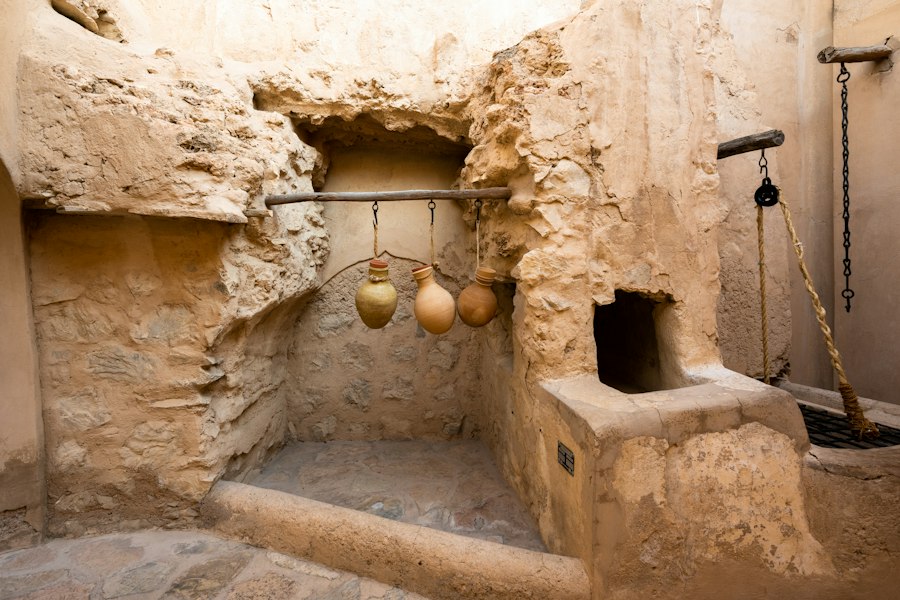
The earliest human endeavors in toolmaking were intrinsically linked to survival, but the development of specialized tools for construction marked a significant leap forward in the complexity of early societies. The ability to quarry, shape, and assemble building materials transformed the landscape, enabling the creation of permanent settlements, defensive structures, and monumental architecture. The study of these stone tools, often found in association with quarry sites or building foundations, reveals the meticulous processes employed by ancient peoples.
Quarrying and Shaping the Building Blocks
The extraction of raw materials was a fundamental prerequisite for any construction project. Ancient peoples utilized a variety of stone tools to dislodge and shape larger rocks, forming the very foundations of their world. These tools were not randomly produced; their design and use were dictated by the type of stone available and the intended application.
Hammers and Mallets: The Force of Creation
The most basic, yet crucial, tools for working stone were hammers and mallets. These were typically fashioned from dense, hard stones such as granite or basalt, chosen for their durability and weight. Simple rounded stones, often found with evidence of battering and chipping from repeated impact, served as hand-held hammers. For more substantial work, larger stones were hafted onto wooden handles, creating levers that amplified the force of each strike. These tools were instrumental in breaking down large boulders, splitting rock faces, and initially shaping blocks for walls. The wear patterns on these hammers can indicate whether they were used for direct percussion, striking the stone, or for driving chisels.
Chisels and Picks: Precision and Detail
As construction projects became more sophisticated, so too did the tools employed. Chisels, often made of harder stone or, in later periods, copper or bronze, allowed for more precise shaping and detailing of stone. These were typically pointed or beveled implements, driven by hammers to chip away smaller pieces of stone, create smoother surfaces, or carve specific shapes. Picks, with their pointed ends, were essential for excavating trenches for foundations, loosening compacted earth, and breaking apart harder rock strata. The length and shape of chisel tips could vary significantly, suggesting specialization for different tasks, such as rough shaping versus fine finishing. The presence of stone chisels, even before the widespread adoption of metal, indicates a remarkable level of control and an understanding of material properties.
Grinding Stones and Abrading Tools: Refinement and Smoothing
Beyond the initial shaping, many ancient walls required smooth, finished surfaces. Grinding stones and various forms of abrading tools played a vital role in this process. Large, flat stones, often with a concave depression, were used as grinding surfaces, while smaller stones, known as mullers, were used to rub against the larger ones, creating friction. Sand, water, or other abrasive materials were often used in conjunction with these tools to polish stone surfaces, remove rough edges, and achieve a desired aesthetic. The careful use of these tools demonstrates an appreciation for the tactile and visual qualities of building materials, hinting at an early understanding of aesthetics in architecture.
The Art of the Vessel: Pottery as a Chronicle of Daily Life and Culture
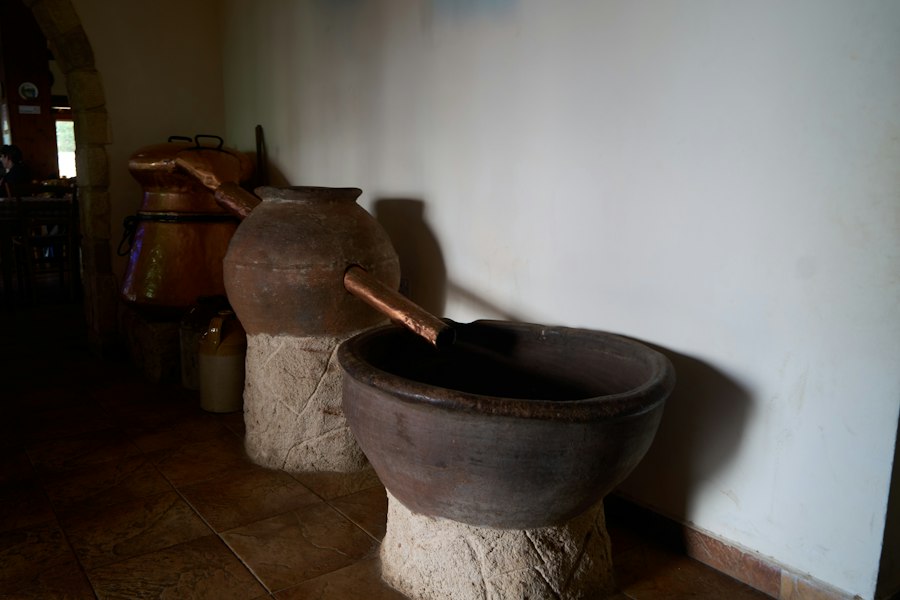
Pottery, with its remarkable durability, has proven to be one of the most abundant and informative artifact types recovered from ancient sites. The evolution of pottery-making techniques reflects technological advancements, while the diverse forms, decorations, and functions of vessels provide profound insights into the daily routines, social structures, and symbolic beliefs of early civilizations.
The Foundation of Form: Clay Selection and Preparation
The journey of a clay pot begins with the careful selection and preparation of its primary material. Ancient potters possessed an intimate knowledge of their local environment, understanding the types of clay that were suitable for their craft. Different clay deposits yielded varying properties, influencing the plasticity, firing characteristics, and final durability of the pottery.
Sourcing the Right Earth: Understanding Clay Deposits
Potters would typically source clay from riverbanks, lakebeds, or natural clay deposits. The ideal clay was plastic enough to be molded without cracking, yet contained sufficient fine particles to hold its shape when dry and become hard when fired. Impurities within the clay, such as sand or organic matter, could also be a consideration. Some potters might intentionally add temper, such as ground pottery shards, sand, or crushed shells, to the clay to improve its workability, reduce shrinkage during drying and firing, and prevent cracking. The careful selection and sourcing of clay demonstrate a deep understanding of the natural resources available and the specific requirements of pottery production.
Tempering and Mixing: Achieving Optimal Consistency
Once sourced, the clay underwent a crucial preparation stage known as tempering. This involved mixing the raw clay with water to achieve a workable consistency and incorporating temper. The ratio of clay to temper was critical; too much temper could weaken the finished pot, while too little could lead to excessive shrinkage and cracking. Artisans would meticulously knead and work the clay, often for extended periods, to homogenize the mixture, remove air bubbles, and develop a smooth, consistent texture. This manual labor was essential for creating a pliable material that could be shaped without compromising its structural integrity. The presence of specific tempering materials can sometimes even help archaeologists trace the origin of the clay and the trade networks of ancient peoples.
Shaping the Future: Techniques of Vessel Creation
The methods by which ancient potters shaped their clay were as diverse as the cultures that produced them, evolving over time from simple hand-building to more sophisticated techniques. These techniques not only dictated the form of the vessel but also reflected the available technology and the potters’ skill.
Hand-Building: The Earliest Forms of Ceramic Art
The most ancient method of pottery production was hand-building, a process that relied solely on the potter’s dexterity and understanding of clay. This encompassed several distinct techniques, each contributing to the earliest ceramic forms.
Pinching: The Genesis of Simple Vessels
Pinching was perhaps the most rudimentary hand-building technique. A small lump of clay was placed in the palm of the hand and repeatedly pinched and squeezed between the thumb and fingers to gradually form a hollow cavity. This method was ideal for creating small, personal vessels such as cups, bowls, and small storage containers. The characteristic thumb impressions often left on the interior surfaces serve as a direct fingerprint of the potter’s touch.
Coiling: Building Up for Larger Forms
Coiling allowed for the creation of larger and more complex shapes. Ropes or coils of clay were rolled out and then carefully layered one on top of another, with each coil being pressed and smoothed into the one below. This technique provided a sturdy framework for building up substantial vessels. The potter would systematically add coils, gradually shaping the walls and opening of the pot. The visible lines of the coils, though often smoothed, can sometimes remain as a distinctive characteristic of coiling. This method was particularly well-suited for producing large storage jars, cooking pots, and basins.
Slab Building: Creating Geometric Structures
Slab building involved rolling out flat sheets or slabs of clay, which were then cut and joined together to form geometric shapes. This technique was particularly effective for creating rectangular or angular vessels, such as boxes or platters. The edges of the slabs were often scored and moistened with slip (a watery clay mixture) to ensure a strong bond when pressed together. While less common for early utilitarian pottery, slab building demonstrates a growing understanding of geometric principles and a capacity for more structured forms.
The Advent of the Potter’s Wheel: Revolutionizing Production
The invention and widespread adoption of the potter’s wheel marked a profound turning point in ceramic history, ushering in an era of mass production and standardized forms. The wheel’s ability to rotate a lump of clay at a consistent speed allowed for unparalleled control and efficiency in shaping.
Slow Wheels and Turntables: Early Innovations
Early forms of the potter’s wheel were often simple turntables or slow wheels, essentially a flat disk that could be rotated by hand or foot. This allowed the potter to spin the clay while shaping it, offering a degree of symmetry and uniformity not easily achievable with hand-building alone. These early wheels facilitated the creation of more perfectly rounded vessels and enabled potters to achieve thinner and more consistent wall thicknesses.
The Fast Wheel: Efficiency and Precision Unleashed
The development of the fast wheel, powered by a kick mechanism or a treadle, revolutionized pottery production. This allowed for higher rotational speeds, enabling potters to create more intricate forms, thinner walls, and perfectly symmetrical vessels with remarkable speed and precision. The fast wheel facilitated the development of specialized pottery types and the mass production of standardized wares, which in turn supported growing trade and economic specialization. The ability to produce identical or near-identical vessels also suggests an increase in organizational capacity and a greater emphasis on efficiency in ancient workshops.
Decorative Delights: Embellishing Pottery with Meaning and Beauty
Beyond their functional purposes, ancient pottery was frequently adorned with decorative elements that conveyed cultural narratives, religious beliefs, or simply a desire for aesthetic appeal. These decorations range from simple incised patterns to elaborate painted designs, each offering a window into the artistic sensibilities and symbolic language of early civilizations.
Incised and Impressed Patterns: Etching Stories onto Clay
Incising and impressing were among the earliest decorative techniques used by potters. Incising involved scratching designs into the wet clay using a sharp implement, such as a bone sliver, a twig, or a pointed stone. This could create linear patterns, geometric motifs, or even stylized depictions of animals and humans. Impressing involved pressing various objects into the clay to leave a patterned imprint. This could include stamps made from wood or bone, woven mats, or even the edges of shells or reeds. These techniques offered a straightforward way to add texture and visual interest to the surface of the pottery.
Slip Decoration: Adding Color and Contrast
Slip, a liquid suspension of clay, was used for both decorative and functional purposes. It could be applied to the surface of unfired pottery to create a smooth, polished finish, or it could be colored with natural pigments, such as iron oxides or manganese, to create contrasting patterns. Slip painting allowed for the creation of a wide range of colors, from earthy reds and browns to black and white. The application of slip could be done with brushes made from animal hair or plant fibers, allowing for fine lines or broader strokes. This technique offered a more nuanced approach to surface decoration, enabling the creation of intricate designs and a greater interplay of colors.
Polychrome Painting: A Symphony of Hues
The most sophisticated form of ceramic decoration was polychrome painting, which involved the application of multiple colors to the pottery surface. This technique typically involved using slips or mineral-based pigments that would vitrify (fuse into a glassy layer) during firing, creating durable and vibrant designs. Polychrome pottery is often associated with more developed civilizations, as it required a greater understanding of pigment chemistry and firing control. The elaborate scenes and motifs found on some polychrome pottery can provide invaluable information about mythology, daily life, religious practices, and even historical events. The ability to create such complex and colorful artwork on pottery speaks volumes about the artistic skill and technological advancements of these ancient societies.
The Workshop Unveiled: Reconstructing Ancient Production Sites
The discovery of ancient workshops, often identified by concentrations of pottery shards, discarded tools, raw materials, and firing structures, allows for a more holistic understanding of the production process. These sites are invaluable for reconstructing the organization of labor, the flow of materials, and the technological infrastructure that supported ancient craftsmanship.
Evidence of Organization and Labor Division
The layout and contents of ancient workshops provide clues about how work was organized. The presence of specialized areas for different tasks, such as clay preparation, forming, and decorating, suggests a degree of division of labor. Some workshops might have been organized around a master potter with apprentices, while others may have involved larger teams of artisans. The scale of the workshop and the quantity of finished products can also indicate whether pottery was produced for domestic use, local trade, or wider distribution.
The Art of the Kiln: Firing Pottery to Perfection
The firing process was a critical and often challenging stage in pottery production. Ancient kilns varied greatly in design and complexity, from simple open pits to sophisticated multi-chambered structures. The ability to control the temperature and atmosphere within the kiln was essential for transforming fragile clay into durable ceramic objects.
Open Pit Firing: The Earliest Methods
The most rudimentary method of firing involved burying pottery in a pit filled with fuel, such as wood or dung, and then igniting it. While simple, this method offered limited control over temperature and atmosphere, often resulting in unevenly fired pottery with a range of colors. Despite its limitations, open pit firing was widely used for a considerable period and demonstrates the early human understanding of heat’s transformative power.
Clam-Shell and Updraft Kilns: Gradual Refinements
As pottery production became more sophisticated, so too did kiln technology. Clam-shell kilns, characterized by their dome-like structures, offered better heat retention and more controlled firing. Updraft kilns, which featured a combustion chamber below a firing chamber, allowed hot air and gases to rise through the pottery, leading to more uniform heating. These advancements allowed for higher firing temperatures, resulting in harder, more durable, and less porous pottery. The presence of specific kiln designs can help archaeologists date sites and understand the technological trajectory of different cultures.
Beehive and Multi-Chambered Kilns: The Pinnacle of Ancient Firing
The most advanced ancient kilns, such as beehive kilns and multi-chambered kilns, represent the pinnacle of ancient ceramic engineering. These structures were designed for maximum efficiency, heat retention, and precise temperature control. Beehive kilns, with their sealed domes, created a consistent and high-temperature environment, ideal for producing fine wares. Multi-chambered kilns allowed for different firing stages to occur simultaneously, significantly increasing production capacity. The construction and operation of these complex kilns required a high level of engineering skill and a deep understanding of thermodynamics.
The study of ancient wall tools and pottery offers fascinating insights into the daily lives and technological advancements of past civilizations. These artifacts not only reveal the craftsmanship of their makers but also reflect the societal structures and political dynamics of the time. For a deeper understanding of how ancient technology influenced political control, you can explore this related article that delves into the connections between innovation and governance in historical contexts. This exploration highlights the intricate relationship between material culture and power dynamics in ancient societies. To learn more, visit this article.
Enduring Legacies: The Impact of Ancient Craftsmanship on Subsequent Civilizations
| Tool Type | Material | Period | Region | Common Use | Dimensions (cm) |
|---|---|---|---|---|---|
| Stone Chisel | Flint | Neolithic (4000-2500 BCE) | Mesopotamia | Carving and shaping walls | 10-15 length, 2-3 width |
| Bone Scraper | Animal Bone | Bronze Age (3300-1200 BCE) | Europe | Smoothing pottery surfaces | 5-8 length, 1-2 width |
| Clay Modeling Tool | Wood | Iron Age (1200-600 BCE) | China | Shaping and detailing pottery | 12-20 length, 1-2 width |
| Stone Hammer | Granite | Neolithic (4000-2500 BCE) | South America | Breaking stones for wall construction | 15-25 length, 5-7 width |
| Pottery Wheel | Wood and Clay | Ancient Egypt (3000 BCE) | Egypt | Shaping pottery vessels | Diameter 30-50 |
The innovations and traditions established by ancient artisans in their creation of wall tools and pottery did not disappear with their creators. These enduring legacies profoundly influenced the development of craftsmanship in subsequent eras, shaping technological advancements, artistic styles, and cultural exchange. The knowledge and techniques passed down through generations formed the bedrock upon which later civilizations built their own innovations.
Technological Diffusion and Evolution
The techniques of stone tool making, pottery forming, and kiln construction, once perfected, were not confined to their original locations. Through trade, migration, and cultural exchange, these technologies diffused across vast distances, inspiring new applications and adaptations. For instance, the principles of the potter’s wheel, once invented, spread rapidly, leading to regional variations in design and operation. Similarly, the methods of stone quarrying and shaping influenced architectural styles and the construction of monumental structures across different cultures. The continuous refinement of these basic technologies laid the groundwork for future metallurgical and industrial advancements.
Artistic Inspiration and Cultural Continuity
The aesthetic sensibilities and decorative motifs found on ancient pottery also left an indelible mark on later artistic traditions. Patterns, styles, and symbolic imagery were adopted, reinterpreted, and evolved by subsequent generations of artisans. The enduring appeal of certain ceramic forms and decorative schemes speaks to their cultural significance and their ability to resonate across time. The study of these stylistic continuities allows us to trace cultural lineages and understand the complex interplay of artistic influences. Furthermore, the preservation of certain pottery forms, like the amphora for storing liquids, demonstrates a practical continuity of function that persisted for millennia, highlighting the enduring relevance of ancient designs.
The Foundation of Economic and Social Structures
The ability to produce tools and pottery in significant quantities had a direct impact on the economic and social structures of early civilizations. Specialized craft production allowed for the development of trade networks, the accumulation of wealth, and the emergence of distinct social classes. The manufacture of utilitarian items like cooking pots and agricultural tools supported daily life and subsistence, while the creation of more elaborate pieces served social and religious functions, reinforcing community identity and hierarchy. The study of pottery distribution patterns, for example, can reveal ancient trade routes and spheres of influence, providing invaluable insights into the economic interconnectedness of early societies. The very act of skilled craftsmanship fostered a sense of identity and pride within communities, contributing to the stability and growth of nascent civilizations. The legacy of their ingenuity, etched in stone and fired in clay, continues to inform and inspire us today.

They Found a 4,000-Year-Old Defense Line in Morocco
FAQs
What were some common tools used to build ancient walls?
Ancient civilizations used tools such as hammers, chisels, trowels, and levels to construct walls. These tools were typically made of materials like stone, wood, or bronze.
How did ancient civilizations create pottery?
Ancient civilizations created pottery by shaping clay into various forms, such as bowls, vases, and jars. The pottery was then fired in kilns at high temperatures to harden the clay and create durable vessels.
What role did pottery play in ancient societies?
Pottery served a variety of purposes in ancient societies, including storing food and water, cooking, and as decorative items. It was also used for trade and as a form of artistic expression.
Were there specific techniques used to decorate ancient pottery?
Ancient potters used various techniques to decorate pottery, including painting, carving, and stamping designs onto the clay before firing. Some civilizations also used glazes to add color and shine to their pottery.
What can we learn from studying ancient wall tools and pottery?
Studying ancient wall tools and pottery can provide insights into the technological advancements, artistic styles, and daily life of past civilizations. It can also help archaeologists and historians understand trade networks, cultural exchanges, and societal structures of ancient societies.