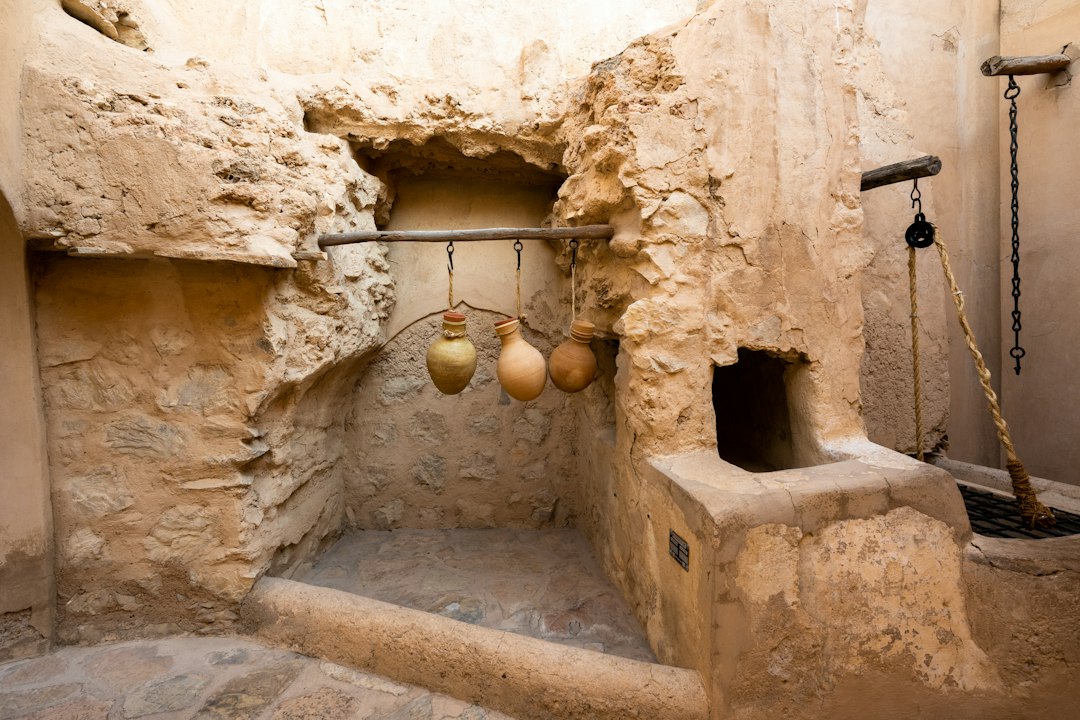
The desert sun beat down on the parched earth, yet life bloomed in abundance within the ancient city. This was not a testament to divine intervention, but to the ingenuity of human hands and minds, crafting water systems that have defied the ravages of time. Across the globe, from the arid plains of the Middle East to the mountainous regions of the Andes, remnants of these ancient aqueducts, cisterns, and irrigation networks stand as silent witnesses to a sophisticated understanding of hydrology and engineering. These are not merely historical curiosities; many continue to function, a testament to their enduring design and the timeless principles of water management. Their preservation and continued utility offer invaluable lessons for modern engineers and urban planners grappling with the escalating challenges of water scarcity and sustainable resource management.
Echoes of Ancient Ingenuity: Foundations of Water Management
The human relationship with water is as old as civilization itself. Early settlements naturally gravitated towards reliable water sources – rivers, springs, and lakes. However, as populations grew and settlements expanded beyond immediate proximity to these natural sources, the need for artificial water conveyance and storage became paramount. This necessity spurred innovation, leading to the development of diverse water management techniques tailored to specific geographical and climatic conditions. The success of these ancient societies was often directly linked to their ability to secure and distribute water effectively, transforming barren landscapes into arable land and supporting thriving urban centers.
The Dawn of Conduits: Early Aqueducts and Channels
The earliest forms of water systems often involved simple channels dug to divert water from a source to a point of use. These were rudimentary but effective for localized needs. As societies evolved, so did the complexity of these channels. The Mesopotamians, for instance, developed elaborate canal systems to irrigate vast tracts of land, transforming the fertile crescent into a breadbasket. These early engineers understood the importance of gravity flow, meticulously surveying land to ensure a consistent downward gradient for water to travel. The Egyptians, too, relied heavily on the Nile’s predictable floods, but also developed sophisticated irrigation techniques to maximize its bounty, using basins and channels to control water distribution. The principles of channeling water, even in their most basic form, laid the groundwork for more ambitious projects to come.
Harnessing Subterranean Flow: The Ingenious Qanat
Perhaps one of the most remarkable and enduring ancient water systems is the qanat, a gently sloping underground channel used to tap into groundwater and bring it to the surface. Originating in Persia (modern-day Iran) over 2,500 years ago, qanats are a marvel of engineering and labor. They consist of a series of vertical shafts, dug at regular intervals, that descend to an underground tunnel. This tunnel, meticulously excavated by hand, intercepts the aquifer at a higher elevation and allows the water to flow downhill via gravity to a lower terminal well or reservoir. The genius of the qanat lies in its ability to minimize water loss through evaporation, a critical advantage in arid regions. Furthermore, the shafts serve as access points for maintenance and ventilation, a testament to the foresight of their creators. The sheer scale of some qanat systems is astounding, with some stretching for tens of kilometers. Their continued operation in many parts of Iran, Afghanistan, and even as far as China, underscores their remarkable efficiency and durability.
The Art of Storage: Cisterns and Reservoirs
Beyond conveyance, the ability to store water was equally crucial, especially in regions with seasonal rainfall or unreliable sources. Ancient civilizations developed a sophisticated understanding of water storage through various means. Cisterns, often carved into bedrock or constructed from stone and mortar, were common in both urban and rural settings. These underground reservoirs could collect rainwater, spring water, or even water channeled from distant sources. The Romans, renowned for their advanced engineering, built massive cisterns, such as the Basilica Cistern in Istanbul (then Constantinople), a breathtaking subterranean marvel capable of holding vast quantities of water. In drier climates, civilizations also developed large-scale reservoirs and artificial lakes, often created by damming rivers or natural depressions. These storage systems provided a buffer against drought and ensured a consistent supply for domestic use, agriculture, and even recreational purposes.
Ancient water systems have long fascinated historians and engineers alike, as many of these ingenious designs continue to function effectively even today. A related article that delves into the significance of these ancient technologies and their impact on modern society can be found at this link. The piece explores how lost innovations from the past can offer valuable lessons for contemporary water management and infrastructure, highlighting the resilience and ingenuity of ancient civilizations.
Roman Engineering: Masters of Water Distribution

The Roman Empire, known for its military prowess and administrative organization, was equally celebrated for its architectural and engineering achievements. Their contribution to water management, particularly through aqueducts, remains legendary. The Romans understood the critical role of water in supporting their burgeoning cities and maintaining public health and sanitation. Their aqueducts were not just conduits; they were monumental structures, often spanning vast distances and employing sophisticated techniques to maintain precise gradients.
The Majesty of Roman Aqueducts
Roman aqueducts are perhaps the most iconic examples of ancient water systems. These impressive structures, constructed from stone, brick, and concrete, carried water over long distances, often across valleys and difficult terrain. The engineering involved in their construction was remarkable. Roman engineers meticulously surveyed the landscape, calculating the precise gradient required to ensure a steady flow of water without excessive velocity that could erode the channels or cause damage. They utilized gravity as their primary motive force, understanding that even a slight, consistent slope was sufficient. When crossing valleys, they employed elegant arcaded bridges, a feat of structural engineering that allowed them to maintain the necessary elevation while minimizing the footprint on the ground. The Pont du Gard in France and the Aqueduct of Segovia in Spain are enduring testaments to this Roman mastery. These structures not only supplied water to cities for public baths, fountains, and domestic use but also played a vital role in sanitation and hygiene.
Ancient water systems have long fascinated researchers, especially those that continue to function effectively even in modern times. For instance, the intricate aqueducts of the Roman Empire showcase remarkable engineering that has withstood the test of time. These systems not only highlight the ingenuity of ancient civilizations but also provide valuable insights into sustainable practices that can be applied today. If you’re interested in exploring how historical frameworks influence contemporary systems, you might find this article on trade alignment and its implications quite enlightening. You can read more about it here.
Innovations in Plumbing and Distribution
Beyond the grand aqueducts, the Romans also developed advanced internal distribution systems within their cities. They employed lead pipes for smaller conduits and a complex network of channels and reservoirs to distribute water to various parts of the urban landscape. The concept of public fountains, fed by these aqueducts, provided free access to water for the general populace, a testament to their commitment to public welfare. Furthermore, the Romans understood the importance of water pressure and even experimented with siphons, though their primary reliance remained on gravity. Their sophisticated understanding of hydraulics, coupled with their organizational capacity to manage large-scale construction and maintenance projects, set a benchmark for water management that would be unparalleled for centuries.
Beyond Rome: Diverse Water Wisdom from Around the Globe
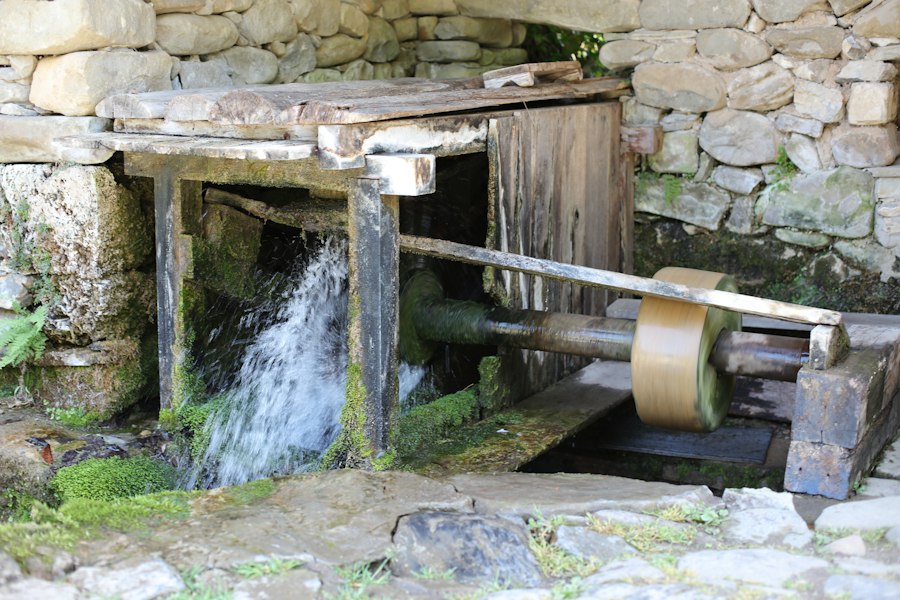
While Roman aqueducts often capture the imagination, a wealth of ingenious water management systems flourished across other ancient civilizations, each adapted to its unique environment and cultural needs. These diverse approaches highlight a global understanding of water’s vital importance and the ingenuity of humans in harnessing and controlling this precious resource.
The Incan Mastery of Mountainous Hydrology
In the dramatic landscapes of the Andes, the Inca Empire developed an intricate and highly effective system of water management to support their high-altitude settlements and extensive agricultural terraces. Their engineers demonstrated a profound understanding of mountainous hydrology, designing channels that followed the contours of steep slopes with remarkable precision. They utilized natural springs, rivers, and glaciers as their water sources, often channeling water over long distances through stone-lined aqueducts and tunnels. A key feature of their system was the meticulous construction of agricultural terraces, which not only provided arable land but also served as an integral part of their water distribution and conservation strategy. Water would flow from higher terraces to lower ones, irrigating crops and preventing excessive runoff. The Incas also developed sophisticated methods for capturing and storing rainwater, often in reservoirs carved into the mountainside. Their ability to sustain a large population in such challenging terrain is a testament to their mastery of water engineering in a mountainous environment.
Ancient India’s Water Harvesting and Storage
Ancient India boasts a rich tradition of water harvesting and storage, with evidence of sophisticated systems dating back millennia. The Indus Valley Civilization, with its well-planned cities like Mohenjo-daro and Harappa, featured advanced drainage systems and what appear to be large public baths, indicating a strong emphasis on water management and sanitation. Later, in regions with monsoonal climates, ancient Indian communities developed an impressive array of stepwells, reservoirs, and tanks. Stepwells, like the Chand Baori in Rajasthan, are architectural marvels, descending deep into the earth with multiple flights of stairs leading to the water table. These structures not only provided access to water during dry seasons but also served as important social gathering places. Furthermore, the construction of elaborate tank systems for rainwater harvesting was common, with communities meticulously designing and maintaining these reservoirs to ensure a reliable water supply. The knowledge of water conservation and efficient utilization was deeply ingrained in the culture.
Southeast Asian Rice Paddies: A Symphony of Water and Agriculture
In the lush, tropical landscapes of Southeast Asia, the cultivation of rice has been inextricably linked to sophisticated water management for thousands of years. The iconic rice paddy systems are a testament to the ingenuity of ancient agricultural engineers. These systems involve the careful construction of terraces and irrigation channels to control the flow of water, allowing for the precise flooding and draining required for optimal rice growth. The systems are often intricately interconnected, with water flowing from higher elevations down through a network of paddies, ensuring that each plot receives the necessary water while also preventing erosion. The management of these systems requires a deep understanding of water cycles, rainfall patterns, and community cooperation. In many areas, these ancient paddy systems are still in use today, demonstrating their enduring effectiveness and the sustainable practices they embody.
The Enduring Legacy: Lessons from Timeless Water Systems
The continued functionality of these ancient water systems is not merely a matter of historical curiosity; it offers profound lessons for contemporary challenges. The principles of gravity flow, efficient water conveyance, and sustainable storage, honed over millennia, remain remarkably relevant in an era grappling with increasing water scarcity, climate change, and the need for resilient infrastructure.
Principles of Sustainability Embedded in Ancient Design
Many ancient water systems were designed with an inherent understanding of sustainability. The use of gravity for water transport, for instance, eliminated the need for energy-intensive pumping. The careful excavation of qanats minimized disruption to the surrounding environment, and the construction of cisterns and reservoirs allowed for the effective utilization of natural precipitation. These systems were often built with local materials and integrated seamlessly into the landscape, reflecting a harmonious relationship with nature. The emphasis was on long-term functionality and minimal environmental impact, a stark contrast to some of the more resource-intensive modern infrastructure projects. The longevity of these systems is a testament to their sound engineering principles and their intrinsic sustainability.
Relevance in the Modern Age: Inspiration for Future Solutions
In a world facing unprecedented water challenges, the timeless engineering marvels of ancient civilizations offer invaluable inspiration. Modern engineers can learn much from the efficiency and ingenuity demonstrated in ancient aqueducts, qanats, and irrigation networks. The principles of gravity flow and passive water management remain highly relevant for developing sustainable water solutions, particularly in arid and semi-arid regions. Furthermore, the communal approach often employed in the maintenance and management of these ancient systems highlights the importance of community involvement in water resource management. By studying and adapting these time-tested techniques, we can develop more resilient, efficient, and environmentally responsible water systems for the future. The wisdom of our ancestors, etched in stone and flowing through ancient channels, continues to quench our thirst for knowledge and offer a path towards a more water-secure world.

They Dug Water Tunnels Under the Desert… And They Still Flow
FAQs
1. How old are the ancient water systems that are still functioning today?
Some of the ancient water systems that are still working today date back thousands of years, with some being over 2,000 years old.
2. Where can these ancient water systems still be found in operation?
Ancient water systems that are still functioning can be found in various parts of the world, including regions in the Middle East, Asia, and South America.
3. How were these ancient water systems designed to work without modern technology?
Ancient water systems were ingeniously designed to utilize gravity, natural water sources, and sophisticated engineering techniques to transport and distribute water without the need for modern technology.
4. What purposes did these ancient water systems serve in their respective societies?
These ancient water systems served crucial purposes in their societies, such as providing water for irrigation, drinking, sanitation, and even for decorative fountains and baths.
5. How have these ancient water systems managed to survive for so long?
These ancient water systems have managed to survive for centuries due to the durable materials used in their construction, as well as the continuous maintenance and upkeep by generations of people who recognized their importance.