
The documentary, “Ancient Water Technology: Innovations from the Past Explored,” offers a captivating journey through millennia of human ingenuity, showcasing how our ancestors harnessed, managed, and utilized water – a resource as vital then as it is today. This exploration transcends mere historical accounts, delving into the sophisticated engineering and scientific understanding that underpinned these ancient systems. The film meticulously pieces together evidence from diverse civilizations, demonstrating a shared, and in many cases, remarkably advanced, approach to water management that continues to resonate in our modern world. It’s a testament to the enduring power of human intellect and its capacity to solve fundamental challenges, even in the absence of contemporary technology.
The Foundations of Civilization: Water as the Lifeblood
The documentary immediately establishes the inextricable link between water and the rise of human civilization. It posits that the earliest sedentary societies, and subsequently the great empires, were not accidental formations but rather deliberate responses to the presence and management of water resources. The film presents compelling archaeological evidence and expert analysis to support this foundational premise.
Rivers of Life: The Cradle of Civilizations
The exploration begins with the iconic river valleys, such as Mesopotamia, Egypt, the Indus Valley, and the Yellow River. These regions, fertile and life-sustaining due to their river systems, served as the crucibles for early human development. The documentary highlights how nomadic hunter-gatherer groups gradually transitioned to settled agricultural communities precisely because these waterways provided a consistent and abundant source of irrigation water.
The narrative emphasizes that the control and redirection of these mighty rivers were not passive occurrences. Instead, they represented the first monumental feats of engineering. The construction of rudimentary canals, dams, and levees, often with the collective effort of entire communities, allowed for the expansion of arable land beyond immediate riverbanks. This surplus production of food, facilitated by controlled irrigation, freed up a portion of the population to specialize in other tasks, leading to the development of complex social structures, crafts, and eventually, governance. The documentary skillfully uses CGI reconstructions and expert interviews to illustrate the scale and ambition of these early water projects, demonstrating how they were fundamental to the very survival and growth of these nascent societies. The concept of “ownership” or “control” over water sources also emerges as a significant factor in the development of early political and social hierarchies, with those who managed the water often wielding considerable power.
From Rain to Rivers: Early Water Collection Strategies
Beyond large-scale river management, “Ancient Water Technology” also shines a light on the ingenious methods developed by early peoples to capture and store water from more ephemeral sources, particularly rainfall. The film illustrates that even in regions without major perennial rivers, human settlements flourished by cleverly anticipating and collecting precipitation.
This section of the documentary delves into the construction of cisterns, reservoirs, and underground storage systems. The nomadic peoples of the arid regions, for instance, developed sophisticated techniques for identifying and excavating natural depressions or creating artificial basins to trap rainwater. In more developed societies, the construction of elaborate cisterns, often lined with waterproof materials like clay or lime plaster, allowed for the storage of water for extended dry periods. The documentary showcases examples from Minoan Crete, where elaborate cisterns were integrated into urban planning, and from the Nabataean civilization in Petra, where rock-cut cisterns were essential for survival in their desert environment. The careful selection of sites, often utilizing natural geological formations and channeling runoff from surrounding hillsides, underscores a profound understanding of hydrology and landscape. The film emphasizes that these systems were not simply holes in the ground but carefully engineered structures designed for efficiency and longevity, reflecting an empirical knowledge of water flow and evaporation.
In exploring the fascinating realm of ancient water technology, one can draw intriguing parallels with modern manufacturing practices, particularly in how resources are managed and utilized. A related article that delves into the economic aspects of resource allocation can be found at Comparing Manufacturing Wages: Mexico vs. China. This piece highlights the importance of efficient resource management in contemporary manufacturing, echoing the innovative approaches of ancient civilizations in harnessing water for agriculture and urban development.
Masters of the Flow: Irrigation and Distribution Systems

The documentary dedicates a significant portion to the sophisticated irrigation and water distribution systems that enabled agricultural productivity and sustained large urban populations. These were not mere channels of water, but carefully designed networks that demonstrate a deep understanding of hydraulics and efficient resource allocation.
The Art of Irrigation: Nourishing the Land
The film illustrates that irrigation was far from a simple process of flooding fields. Ancient societies developed nuanced techniques to deliver water precisely where and when it was needed, minimizing waste and maximizing crop yields. The documentary showcases various irrigation methods, from simple gravity-fed canals to more complex systems involving water lifting devices.
Examples from ancient China, with their intricate networks of canals and sluice gates to control water flow for rice paddies, are presented. The documentary explains how these systems allowed for multiple harvests per year and supported a burgeoning population. The use of terracotta pipes for controlled water delivery in some parts of the Roman Empire also features, highlighting a level of sophistication in material science and fluid dynamics. The film emphasizes that the success of these irrigation systems relied on a deep understanding of land topography, soil types, and the water requirements of different crops. The constant maintenance and management of these networks also required organized labor and a degree of administrative oversight, further contributing to the development of complex societies. The visual representations in the documentary, showing animated flow patterns and cross-sections of canals, make these ancient systems easily understandable and highlight their remarkable efficiency.
Bringing Water to the City: Aqueducts and Urban Supply
Perhaps the most visually striking innovations explored are the aqueduct systems that brought fresh water from distant sources to urban centers. The documentary dedicates considerable time to the engineering marvels of the Romans, but also explores comparable systems from other civilizations.
The Roman aqueducts, with their iconic arches, are presented not just as feats of construction but as complex engineering solutions. The film explains how Romans utilized precise gradients, often so slight they are imperceptible to the human eye, to ensure a continuous flow of water over vast distances, overcoming natural obstacles like valleys and rivers. The documentary details the meticulous surveying and construction techniques, including the use of concrete and skilled labor, that allowed for the creation of these enduring structures. Beyond the Romans, the documentary also features the water supply systems of ancient Greece, particularly Athens, and the impressive underground channels (qanats) developed in Persia and the Middle East. These qanats, ingeniously tapping into groundwater and channeling it downhill through underground tunnels, minimized evaporation and provided a reliable water source in arid regions. The film highlights the importance of these urban water systems in supporting sanitation, public baths, and the general well-being of city dwellers, contributing to the development of denser, more sophisticated urban environments.
Conserving and Reclaiming: Advanced Water Management Techniques
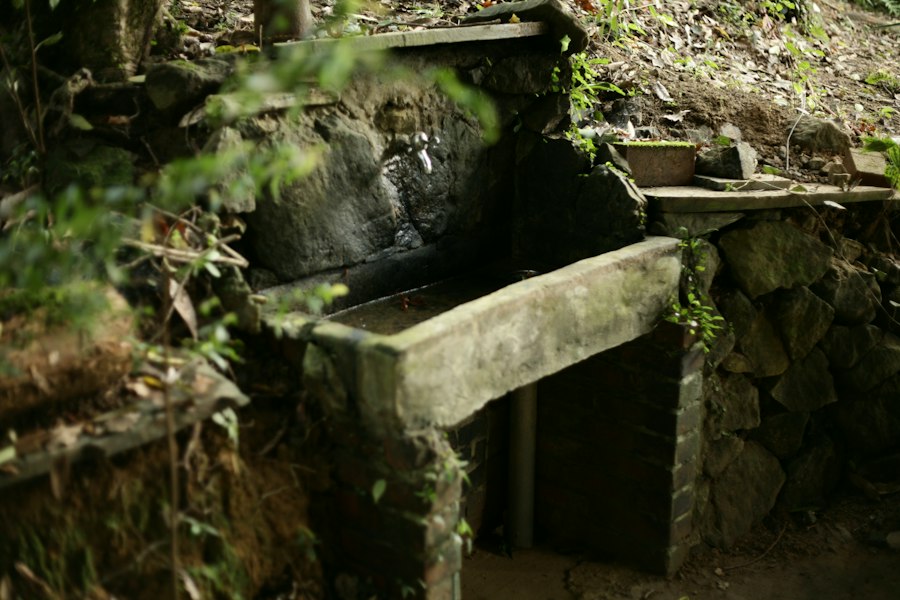
The documentary moves beyond simply supplying water to explore the sophisticated strategies ancient peoples employed for its conservation, purification, and even reclamation. These demonstrate a forward-thinking approach to resource management that echoes modern concerns.
In exploring the fascinating world of ancient water technology, one might find it intriguing to consider how these innovations have influenced modern advancements. For instance, the role of contemporary technologies in space exploration can be seen in various contexts, including the recent developments in lunar defense systems. A related article discusses this connection in detail, highlighting the significance of these advancements in our understanding of water management in extraterrestrial environments. To learn more about this topic, you can read the article on lunar defense systems here.
The Wisdom of Preservation: Storage and Minimizing Waste
The film underscores that the ancient understanding of water extended to its preservation and the minimization of its loss. This section highlights the multifaceted approaches to water storage and management that aimed to ensure supply during lean periods.
The documentary revisits the concept of reservoirs and cisterns, but focuses on their larger-scale implementation and the strategies employed to reduce evaporation and contamination. The construction of large, covered reservoirs, often lined with impermeable materials and strategically located to minimize sun exposure, is discussed. The film also examines the ingenious use of natural landscapes, such as terraced fields and natural depressions, to capture and retain rainfall, preventing runoff and maximizing infiltration into the soil. The documentary provides examples from ancient India, where elaborate stepwells were constructed not only for water access but also as cool, shaded environments that reduced evaporation. In arid regions, the careful planning of agricultural lands to capture dew and fog, a practice still employed in some parts of the world, is also explored. The emphasis is on a holistic approach, where water management was integrated into the broader landscape and agricultural practices. The documentary conveys that these were not isolated solutions but part of a sophisticated system designed to make the most of every drop.
Purity and Health: Ancient Water Purification Methods
The documentary sheds light on the surprisingly advanced methods ancient civilizations used to purify water and ensure its safety for consumption. This section debunks the myth that ancient peoples were unaware of the need for clean water.
The film explores the use of filtration systems, often constructed with layers of sand, gravel, and charcoal. These natural filters, implemented in various forms across different cultures, were remarkably effective at removing sediment and impurities. Examples from ancient Roman baths, which incorporated sophisticated filtration and circulation systems, are presented. The documentary also discusses the use of boiling water, a practice known and employed by many ancient cultures to kill pathogens. The discovery of ancient pottery with features designed to facilitate boiling, such as specialized lids or handles, is highlighted. Furthermore, the use of natural coagulants, such as alum, to precipitate impurities from water is also examined, drawing parallels to modern water treatment processes. The documentary emphasizes that while their understanding of microbiology was limited, their empirical observations led them to develop effective methods for improving water quality, demonstrating a pragmatic approach to public health.
Beyond Infrastructure: Water in Culture and Spirituality
The documentary expands its scope to explore the profound cultural and spiritual significance that water held for ancient societies. It argues that water was not merely a practical resource but a potent symbol deeply interwoven into their belief systems and daily lives.
The Sacred Flow: Water in Ritual and Belief
This section delves into how water was venerated and integrated into religious practices and mythologies across the ancient world. The documentary illustrates that the awe and respect for water’s life-giving and destructive powers translated into a rich tapestry of spiritual beliefs.
The film explores the worship of water deities in ancient Mesopotamia and Egypt, where rivers were seen as divine gifts and their annual floods were celebrated as acts of divine benevolence. The documentary discusses the purification rituals involving water in ancient Greece and Rome, where sacred springs and wells were central to temples and public ceremonies. The concept of liminality – the idea of water as a boundary between the earthly and the spiritual realms – is also explored. The use of water in funeral rites, symbolizing transition and rebirth, is presented with examples from various cultures. The documentary suggests that the unpredictability of water, its ability to both sustain and destroy, contributed to its sacred status, making it a powerful symbol of life, death, and renewal. The careful construction of ritualistic water features, like sacred pools and fountains, in ancient religious sites further underscores this deep connection.
The Art of Hydro-Aesthetics: Water in Gardens and Public Spaces
The final section of the documentary showcases the deliberate and artistic incorporation of water into public spaces and private gardens. This highlights a sophisticated understanding of water’s aesthetic qualities and its ability to enhance human environments.
The film examines the magnificent gardens of ancient Persia, renowned for their intricate water channels, fountains, and pools, designed to create oases of beauty and tranquility. The documentary details how these gardens were not only aesthetically pleasing but also functional, providing cooling and a sense of abundance in arid climates. Examples from the Hanging Gardens of Babylon, though their exact form remains debated, are discussed as a testament to the ancient aspiration of bringing water into urban landscapes for visual splendor. The Roman peristyle gardens, with their central pools and the sound of flowing water, are also presented as an example of integrating water into domestic architecture for both sensory pleasure and practical cooling. The documentary emphasizes that this deliberate use of water for aesthetic purposes demonstrates a mature civilization that valued not just survival, but also beauty, comfort, and the creation of harmonious environments. The meticulous planning and engineering involved in these hydro-aesthetic designs further cement the legacy of ancient water technology as a multifaceted discipline.
“Ancient Water Technology: Innovations from the Past Explored” ultimately leaves the viewer with a profound appreciation for the ingenuity and foresight of our ancestors. The documentary successfully demonstrates that their mastery of water was not a primitive endeavor but a sophisticated science and art form that laid the groundwork for much of what we consider modern infrastructure and civilization itself. The lessons learned from these ancient innovations continue to offer valuable insights for contemporary water management challenges, reminding us that the wisdom of the past remains a vital resource for the future.

They Dug Water Tunnels Under the Desert… And They Still Flow
FAQs
What is the focus of the ancient water technology documentary?
The documentary explores the advanced water management systems developed by ancient civilizations and how they continue to influence modern water technology.
Which ancient civilizations are featured in the documentary?
The documentary showcases the water technology of civilizations such as the Romans, Egyptians, Greeks, and Mesopotamians, highlighting their innovative methods of water storage, transportation, and purification.
How were ancient water technologies utilized in daily life?
Ancient water technologies were used for various purposes, including irrigation for agriculture, supplying water to cities, powering water mills, and providing drinking water to the population.
What are some examples of advanced water technologies developed by ancient civilizations?
Examples of advanced water technologies include aqueducts, cisterns, water wheels, and filtration systems, all of which demonstrate the ingenuity and engineering skills of ancient societies.
How has the study of ancient water technology influenced modern water management practices?
Studying ancient water technology has provided valuable insights for modern engineers and urban planners, inspiring sustainable water management practices and innovative solutions to current water challenges.