
The quest for reliable water sources has been a defining characteristic of human civilization, a fundamental necessity that spurred innovation and ingenuity from the earliest settlements. Long before modern plumbing and sophisticated treatment plants, ancient peoples faced the formidable challenge of bringing water from distant sources to their burgeoning communities. Their solutions, often born of necessity and a deep understanding of their environments, resulted in some of the most remarkable feats of engineering ever achieved: the ancient water tunnels. These subterranean arteries, carved by hand and often through incredibly difficult terrain, represent a profound testament to human foresight, perseverance, and an enduring mastery of hydraulic principles.
The Genesis of Subterranean Waterways
The impulse to construct underground water channels arose from a confluence of environmental pressures and societal needs. As human populations grew, so did the demand for potable water, exceeding the capacity of readily accessible wells and surface springs. Cities and settlements, particularly those situated in arid or semi-arid regions, were acutely vulnerable to water scarcity. The development of agricultural practices further amplified this need, requiring consistent water supplies for irrigation to ensure food security.
Responding to Arid Climates and Environmental Constraints
Many of the earliest and most sophisticated water tunnel systems emerged in regions characterized by limited rainfall and a reliance on distant, often seasonal, water sources. The Levant, Mesopotamia, and parts of the Mediterranean are prime examples. These areas frequently experienced prolonged dry spells, making surface water unreliable. The construction of dams and reservoirs, while also ancient technologies, had their limitations. They were susceptible to evaporation, silting, and potential catastrophic failure. Underground channels offered a more stable and protected method of water transport.
The Strategic Advantage of Concealment and Protection
Beyond mere availability, the strategic advantage of channeling water underground was significant. Surface aqueducts, while impressive, were exposed to potential damage from natural events like earthquakes or floods, and critically, from enemy forces. Enemy raids could cripple a city by cutting off its water supply. Underground tunnels, by contrast, provided a secure and concealed conduit, safeguarding a vital resource during times of conflict and instability. This strategic element likely played a crucial role in the development and preservation of these systems in many ancient civilizations.
Early Precursors and Conceptual Evolution
The concept of moving water through channels is as old as civilization itself. Early attempts likely involved simple open ditches or rudimentary covered channels to reduce evaporation. However, the true engineering marvel lies in the transition to fully enclosed, subterranean tunnels. The development of techniques for excavation in rock and soil, coupled with an understanding of gravity and flow, allowed for the creation of these complex systems. Evidence suggests a gradual evolution, from simpler gravity-fed channels to increasingly intricate networks designed to traverse challenging geological formations.
The study of ancient water tunnels offers fascinating insights into the engineering prowess of early civilizations and their ability to manipulate natural resources. For a deeper understanding of how historical infrastructure impacts modern geopolitical dynamics, you can explore the article on navigating global tensions at this link. This piece delves into the connections between ancient innovations and contemporary issues, highlighting the enduring legacy of past societies in shaping our current world.
Engineering Prowess and Construction Techniques
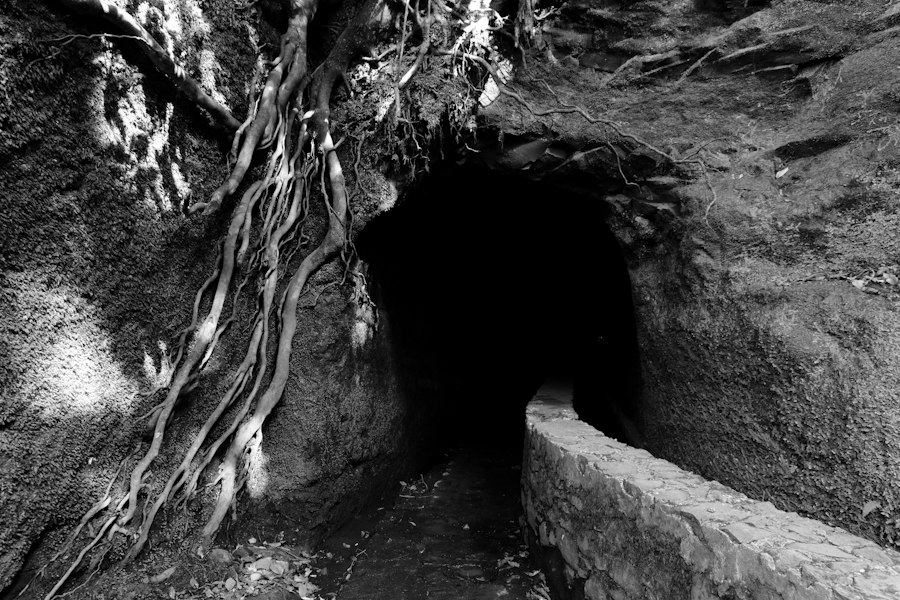
The construction of ancient water tunnels was an undertaking of immense scale and complexity, demanding a sophisticated understanding of engineering principles, resource management, and human labor. These were not simple excavations; they were meticulously planned and executed projects that pushed the boundaries of ancient technology.
Excavation: The Herculean Labor
The primary challenge in constructing these tunnels was the excavation itself. Without modern machinery, this was a labor-intensive process carried out with basic tools. Hammers, chisels, picks, and shovels were the primary instruments for breaking through rock and soil. In harder rock formations, fire-setting—heating the rock and then rapidly cooling it with water to induce cracking—was a common technique. Workers, often numbering in the thousands, would toil in confined, dark, and often dangerous conditions. Specialized teams would excavate from both ends of the intended tunnel, meeting in the middle, a feat that required remarkable surveying and alignment skills.
Recent studies have shed light on the fascinating origins of ancient water tunnels, revealing their significance in early civilizations. These intricate systems not only provided essential irrigation but also played a crucial role in urban planning and public health. For those interested in exploring how historical innovations continue to influence modern infrastructure, a related article discusses the impact of advanced technologies on military decision-making, which can be found here. Understanding the past can offer valuable insights into contemporary challenges.
The Unseen Hand of Gravity: Hydraulic Principles at Play
The guiding principle behind most ancient water tunnels was gravity. Engineers understood that water would flow downhill, and they meticulously calculated the gradient required to ensure a consistent and steady flow from the source to the destination. This involved precise measurements of elevation differences, often over considerable distances and across varied terrain. The gradient had to be steep enough to maintain flow but not so steep as to cause erosion within the tunnel or excessive turbulence. This delicate balance demonstrated a profound grasp of hydraulic physics, even if the theoretical underpinnings were not formally articulated as they are today.
Materials and Structural Integrity
While the primary construction material was the earth or rock through which the tunnel was bored, lining and reinforcing techniques were employed to ensure structural integrity and prevent collapse. In softer soils, timber supports were often used. In more stable rock, the natural walls sufficed. However, for critical sections, particularly where the tunnel passed under structures or through particularly unstable ground, stone or brick linings were sometimes employed. Waterproofing, though rudimentary, was also a consideration, with packed clay or bitumen used in some instances to prevent leakage.
Ventilation and Access: Addressing Human Needs
The sheer scale of these tunnels presented a significant challenge for the workers involved: maintaining breathable air and providing access for ongoing maintenance. Ventilation shafts were often incorporated at regular intervals along the tunnel’s length, allowing for fresh air to circulate. These shafts also served as points of access for construction crews and later for inspection and repair. The precise placement and design of these shafts were crucial for the safety and efficiency of the project.
Iconic Examples and Their Ingenuity

Across the ancient world, numerous water tunnel systems stand as testaments to human ingenuity. While many have been lost to time or remain undiscovered, several iconic examples provide invaluable insights into the engineering capabilities of past civilizations.
The Siloam Tunnel: A Masterpiece of the Kingdom of Judah
Perhaps one of the most celebrated ancient water tunnels is the Siloam Tunnel, located in Jerusalem. Constructed during the reign of King Hezekiah in the 8th century BCE, its primary purpose was to secure Jerusalem’s water supply during an impending Assyrian siege. The tunnel runs for over 500 meters, channeling water from the Gihon Spring, located outside the city walls, to the Pool of Siloam within the city. What makes this tunnel particularly remarkable is the method of its construction. Two teams of excavators, working from opposite ends, met in the middle, guided by an inscription found on the tunnel wall that describes their efforts. The inscription, written in ancient Hebrew, is a testament to the skill of the surveyors and engineers who ensured the two teams met accurately. The tunnel’s gradient is expertly engineered to maintain a consistent flow, demonstrating a sophisticated understanding of hydraulics even with limited tools. The Siloam Tunnel is not only an engineering marvel but also a historically significant artifact, providing crucial context for biblical narratives.
Ancient Roman Aqueducts: Beyond the Visible Arches
While the Romans are most famous for their grand, above-ground aqueduct structures, they also extensively utilized underground tunnels to convey water. These subterranean sections were crucial for traversing mountainous terrain, maintaining gradients, and protecting the precious water supply. The Pont du Gard, a celebrated Roman aqueduct, features a significant portion that is entirely underground, demonstrating the Romans’ ability to integrate subterranean engineering with their more visible monumental constructions. These Roman tunnels were often lined with opus caementicium, a type of Roman concrete, and carefully graded to ensure optimal flow. Their scale and efficiency allowed the Romans to supply vast quantities of water to their cities, supporting public baths, fountains, and domestic consumption.
The Qanats of Persia: A Subterranean Network of Life
The qanat system, originating in ancient Persia (modern-day Iran), represents a distinct yet equally impressive form of subterranean water management. Qanats are not single tunnels but rather a network of gently sloping underground channels that tap into groundwater aquifers and bring water to the surface through a series of vertical shafts. The construction of a qanat requires extensive geological surveying to locate suitable water sources and to establish the correct gradient for gravity flow. The vertical shafts, dug at regular intervals, served multiple purposes: they provided access for construction and maintenance, acted as ventilation, and allowed for the removal of excavated material. The qanat system, perfected over millennia, allowed for the cultivation of arid lands, transforming deserts into fertile oases. Many qanats are still in use today, a testament to their enduring engineering principles and the sustainability of their design.
Minoan and Mycenaean Water Systems: Early Aegean Innovations
Even before the rise of the great empires, civilizations in the Aegean region were developing sophisticated water management systems. The Minoans on Crete and the Mycenaeans on mainland Greece constructed complex networks of channels and cisterns to manage water resources. While their systems might not always involve the vast subterranean tunnels of later civilizations, they demonstrate an early understanding of hydraulic principles and the importance of controlled water distribution. Excavations at sites like Knossos reveal intricate drainage systems, covered channels, and reservoirs, indicating a keen awareness of water’s vital role in urban life and sanitation.
The Enduring Legacy and Modern Relevance
The ancient water tunnels, though products of a bygone era, continue to inspire and inform our understanding of engineering, resource management, and human adaptability. Their study offers invaluable lessons that resonate even in our technologically advanced age.
Lessons in Sustainable Resource Management
The ancient engineers who designed and built these water systems were, in many ways, masters of sustainable resource management. They worked with the natural environment, harnessing gravity and understanding local hydrology to create systems that were remarkably efficient and long-lasting. The qanat system, in particular, exemplifies this, as it taps into groundwater without depleting aquifers excessively. The careful consideration of gradients and flow rates also minimized energy expenditure and prevented environmental damage. These ancient approaches offer a valuable counterpoint to some of the more resource-intensive water management strategies of today.
Inspiring Modern Engineering and Innovation
The ingenuity displayed in ancient water tunnels continues to inspire modern engineers and urban planners. The fundamental principles of gravity-fed systems, the challenges of subterranean construction, and the importance of reliable water infrastructure remain relevant. While modern technology allows for more complex and efficient solutions, the historical examples serve as a reminder of the core challenges and the remarkable human capacity to overcome them with limited resources. Understanding how ancient peoples solved these problems can spark new ideas and approaches in contemporary water engineering.
Archaeological Significance and Historical Insights
Beyond their engineering merits, ancient water tunnels are invaluable archaeological sites. They provide tangible evidence of the daily lives, societal structures, and technological capabilities of past civilizations. The inscriptions, tools, and construction methods found within these tunnels offer a unique window into the past, helping historians and archaeologists reconstruct the history of settlements, warfare, and resource management. The preservation of these sites is therefore
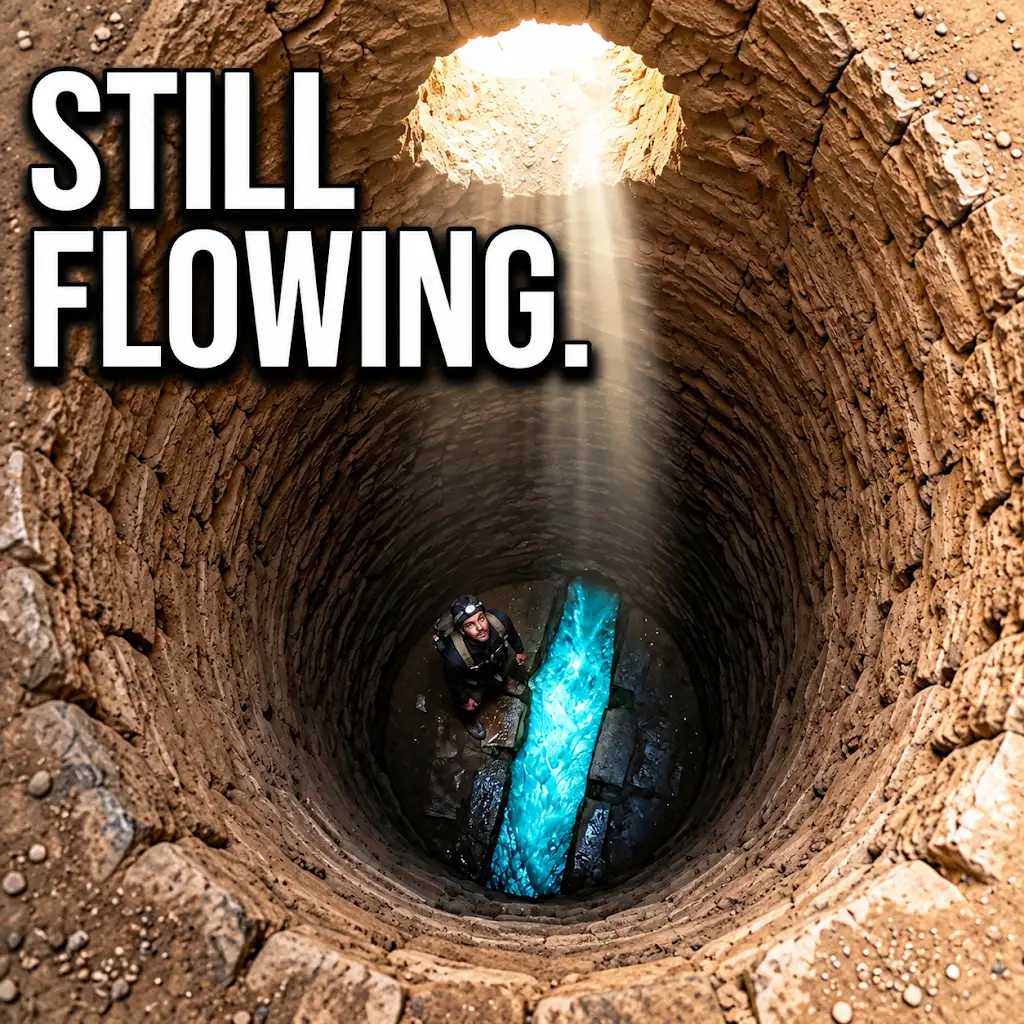
They Dug Water Tunnels Under the Desert… And They Still Flow
FAQs
What is an ancient water tunnel?
An ancient water tunnel is a man-made underground passage designed to transport water from one location to another, typically for irrigation, drinking water, or other purposes.
How were ancient water tunnels constructed?
Ancient water tunnels were typically constructed by digging into the ground using hand tools such as picks and shovels. The tunnels were often lined with stone or clay to prevent collapse and ensure the water flowed smoothly.
Where are ancient water tunnels found?
Ancient water tunnels can be found in various parts of the world, including regions with arid climates where water management was crucial for survival. Examples include the Middle East, North Africa, and parts of Europe.
What was the purpose of ancient water tunnels?
Ancient water tunnels served multiple purposes, including providing water for agriculture, supplying drinking water to communities, and facilitating the construction of fountains and baths in ancient cities.
What is the significance of studying ancient water tunnels?
Studying ancient water tunnels can provide valuable insights into the technological capabilities and water management practices of ancient civilizations. It can also help researchers understand the historical development of urban centers and the importance of water resources in shaping human societies.