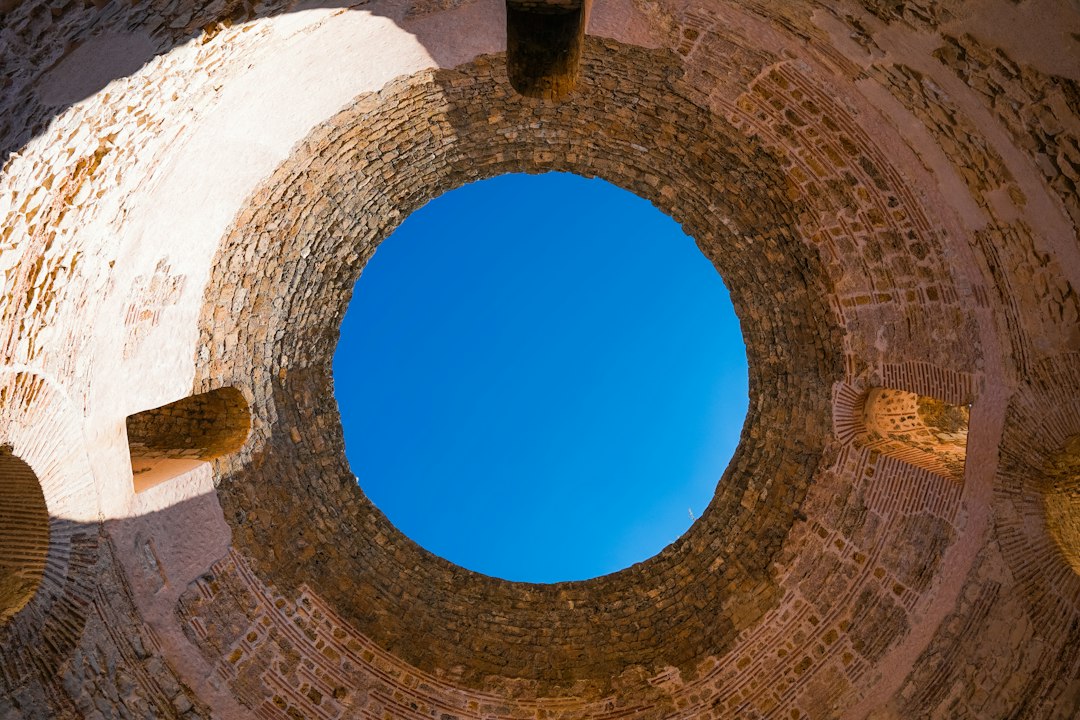
The ceaseless quest for water has shaped human civilization since its very beginnings. Long before sophisticated pumps and modern filtration systems, ancient peoples demonstrated remarkable ingenuity in their pursuit of this vital resource. Their achievements in water management, particularly the construction and maintenance of wells, stand as a testament to their deep understanding of geology, hydraulics, and communal needs. These ancient well technologies, often built with rudimentary tools and immense labor, were not merely holes dug in the ground; they were complex, carefully engineered systems that sustained burgeoning societies and enabled the development of agriculture, trade, and urban life. The enduring legacy of these early water systems continues to inspire awe and provide valuable lessons for contemporary water management challenges.
Foundations of Thirst Quenching: Early Human Water Needs and Discovery
The story of human civilization is inextricably linked to the availability of water. From the earliest nomadic hunter-gatherer groups to the first settled agricultural communities, access to a reliable water source was paramount. Rivers, lakes, and springs provided immediate sustenance, but these were often seasonal, geographically limited, or prone to contamination. The realization that water could be found beneath the surface, accessible through the earth itself, marked a profound leap in human ingenuity. This discovery, likely born from observation of animals digging for water or natural seepages, led to the development of the first rudimentary wells.
The Dawn of Subterranean Access: Accidental Discoveries and Early Techniques
The earliest forms of well digging were likely serendipitous. Observing animals, particularly during dry seasons, instinctively digging into the earth to reach moisture, might have provided crucial clues to early humans. Natural depressions where rainwater collected and slowly seeped into the ground, or areas where vegetation remained unusually green, could have indicated the presence of subsurface water. The initial methods of accessing this water would have been crude: simple pits dug by hand, perhaps with sharpened sticks or stones to loosen the soil. These early “wells” were likely shallow and prone to collapse, but they represented a vital step in securing a more consistent water supply than surface sources alone could offer. The focus was on reaching the zone of saturation, the point where the ground becomes completely filled with water.
The Power of Observation: Understanding Water Tables and Geology
As communities grew and settled, the need for more reliable and deeper water sources intensified. This spurred a more systematic approach to well digging, driven by careful observation and an innate understanding of local geology. Ancient peoples learned to recognize signs that indicated the presence of groundwater. Certain types of vegetation, like specific willows or reeds, thrive in moist soil and often signal the proximity of a water table. Similarly, soil consistency played a crucial role. Sandy or gravelly layers were more likely to hold and transmit water than dense clay. This empirical knowledge, passed down through generations, allowed communities to select promising locations for their wells, reducing the risks of digging fruitless holes. They understood, even without formal scientific terminology, that digging deeper into permeable layers would eventually lead to water. This practical knowledge formed the bedrock of ancient well technology.
Ancient well technology has played a crucial role in the development of water management systems throughout history, showcasing the ingenuity of early civilizations in addressing their resource needs. For a more contemporary perspective on resource management, you might find the article on lunar mining property rights interesting, as it explores the legal frameworks that could govern the extraction of resources beyond Earth. This discussion draws parallels to ancient practices, highlighting how societies have always sought to secure and manage vital resources. You can read more about this topic in the article here: Legal Framework for Lunar Mining Property Rights.
Engineering the Depths: Crafting Permanent and Productive Wells
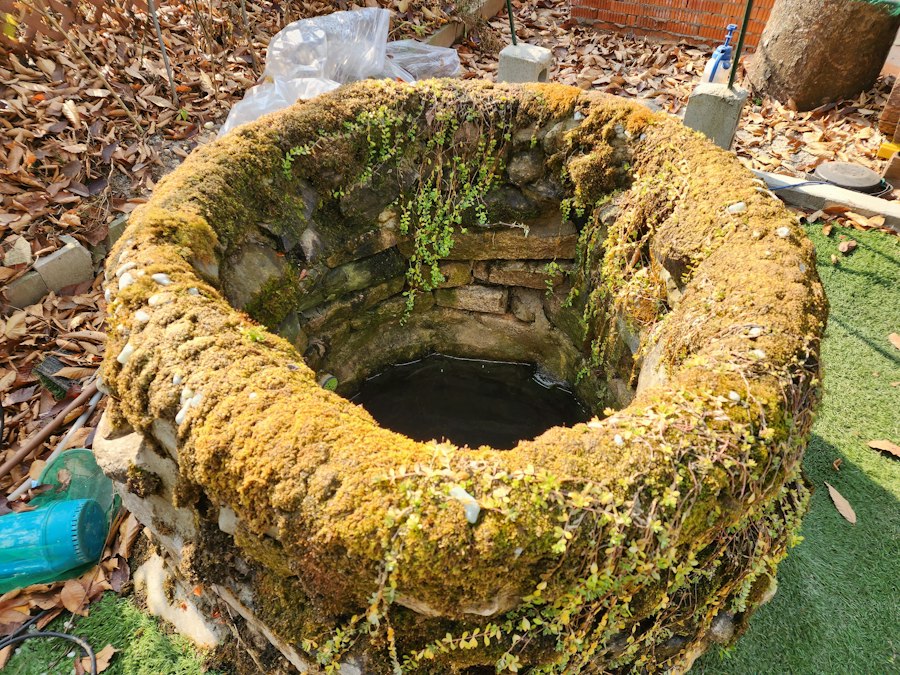
The transition from shallow, temporary pits to more permanent and robust wells represented a significant technological advancement. Early civilizations, even those lacking metal tools for much of their history, developed sophisticated techniques to excavate, reinforce, and maintain these life-giving structures. The goal was not just to reach water, but to do so in a manner that ensured safety, longevity, and a consistent yield.
Excavation Techniques: From Digging Sticks to Sophisticated Labor
The primary tool for excavation in many early cultures was the digging stick, often hardened by fire. While seemingly primitive, these tools, in the hands of skilled laborers, could effectively break up soil and softer rock. For more challenging geological formations, stone tools, axes, and adzes were employed to chip away at harder material. The sheer scale of well construction, especially in urban centers or for irrigation, often required organized communal labor. Teams would work in shifts, removing excavated material and disposing of it. The process was slow and arduous, demanding immense physical effort and careful coordination. The depth of wells could vary dramatically, from a few meters in areas with shallow water tables to tens or even hundreds of meters in arid regions or where access to deeper aquifers was necessary.
Structural Integrity: Reinforcing Walls Against Collapse
A critical challenge in well construction was preventing the walls from collapsing, especially in loose soil or during excavation. Ancient builders developed ingenious methods to shore up these subterranean shafts. In softer soils, a lining of woven branches, reeds, or straw was sometimes used to provide initial stability. More commonly, however, the walls were reinforced with carefully placed stones or mud bricks. These materials created a more durable and stable structure, capable of withstanding the pressures of the surrounding earth. In some instances, particularly in waterlogged areas, wooden cribbing or timbers were used to create a supportive framework within the well shaft. The selection of materials and the complexity of the reinforcement varied depending on the local geology, available resources, and the desired depth and lifespan of the well. This attention to structural integrity ensured that the wells remained functional for extended periods, often serving communities for centuries.
The Art of the Inflow: Managing Water Entry and Filtration
Beyond simply digging a hole, ancient well builders understood the importance of managing how water entered the well and maintaining its quality. They recognized that drawing water directly from saturated soil could also bring sediment and debris. To mitigate this, they often incorporated simple filtration mechanisms. Gravel and sand layers were strategically placed around the base of the well, acting as natural filters. Water would seep through these permeable layers before entering the main shaft, trapping larger particles. In some more advanced designs, particularly in Mesopotamia, small perforations were made in the well lining near the water table, allowing water to enter more gradually and with less disturbance to the accumulated sediment. The placement of these inflow points was crucial to maximizing water yield while minimizing turbidity.
Beyond the Simple Shaft: Advanced Well Designs and Innovations
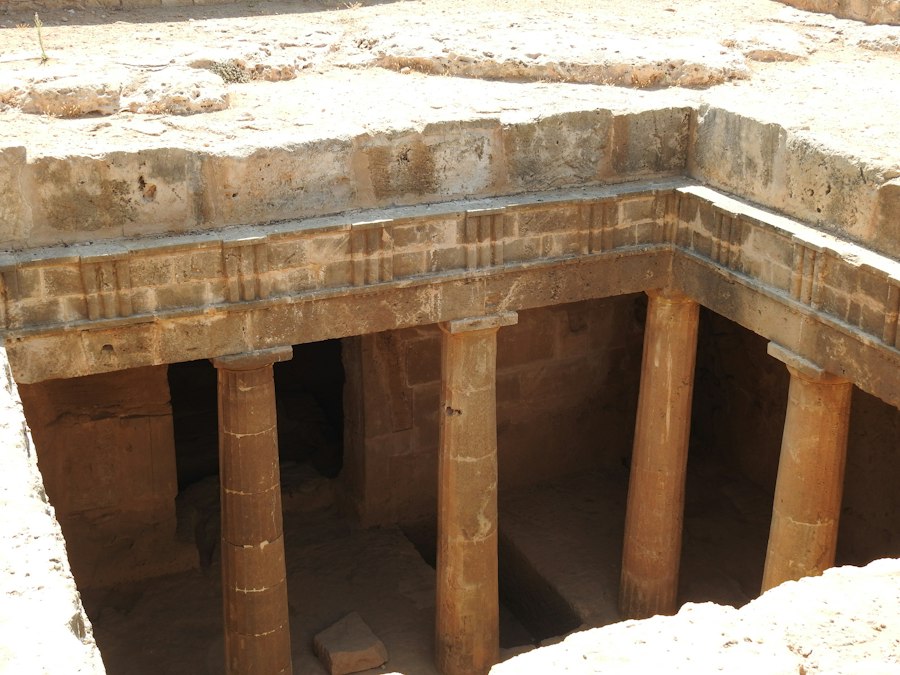
As civilizations matured, so too did their understanding and application of well technology. They moved beyond basic vertical shafts to create more sophisticated structures that addressed specific challenges, improved water extraction efficiency, and even provided integrated solutions for water management.
Reaching Deeper Resources: The Genesis of Deep Wells
In regions where surface water was scarce and shallow groundwater was insufficient, ancient peoples devised methods to access deeper aquifers. This often involved a combination of increased excavation depth and innovative structural techniques. The construction of very deep wells was an undertaking of immense proportion, requiring specialized knowledge of rock mechanics and the ability to manage hazardous working conditions. The process would involve progressively deeper excavation, with constant reinforcement of the shaft walls. The development of more robust lifting mechanisms, such as levers and pulleys, would have been essential to remove the increasing volume of excavated material from these deep shafts. These deep wells represent some of the most ambitious engineering feats of the ancient world, demonstrating a profound commitment to securing water, even from seemingly inaccessible sources.
The qanat System: Harnessing Gravity for Distant Water
Perhaps one of the most remarkable achievements in ancient water management is the qanat system, particularly prevalent in Persia (modern-day Iran) and later adopted across the Middle East and North Africa. A qanat is not a well in the traditional sense of a vertical shaft for direct extraction, but rather an underground aqueduct that taps into an underground water source (an aquifer) and carries it by gravity to the surface, often over considerable distances. It consists of a series of vertical access shafts dug at regular intervals, connected by a gently sloping tunnel. The brilliance of the qanat lies in its ability to tap into artesian or perched water tables, deliver water over long distances without significant evaporation loss (unlike open canals), and maintain a relatively constant flow. The construction of qanats required immense surveying skill to maintain the precise gradient of the tunnel, along with substantial labor for excavation and maintenance. They represent a sophisticated understanding of hydraulics and a testament to long-term planning and engineering.
The Artesian Well: Natural Pressure Triumphs
The discovery and exploitation of artesian wells represent a significant understanding of hydrogeology. An artesian well is formed when a water-bearing layer (aquifer) is sandwiched between two impermeable layers. If this aquifer is tilted and outcrops at a higher elevation where it receives rainfall, the water within it can become pressurized. When a well is drilled into this confined aquifer, the natural pressure can force the water to rise to the surface, and sometimes even above it, without the need for pumping. While the precise scientific understanding of artesian pressure was centuries away, ancient peoples likely observed and exploited areas where water naturally emerged from the ground under pressure. They would have then learned to drill into these locations to create more reliable and flowing water sources. The existence of naturally flowing wells would have been seen as almost miraculous and was a highly sought-after resource.
Water Retrieval and Management: Devices and Communal Systems
The construction of a well was only part of the challenge; efficiently and equitably retrieving the water was equally important. Ancient civilizations developed a range of devices and communal systems to manage water access, from simple tools to complex social organizations.
Lifting the Precious Liquid: Ancient Pumping and Hoisting Mechanisms
Once water was reached, it needed to be brought to the surface. The most basic method was the use of buckets or containers lowered and raised by hand, often using ropes made from plant fibers or animal hides. However, as wells became deeper and the demand for water increased, more sophisticated lifting mechanisms were developed. The shaduf, a counterbalanced lever system, was a significant innovation. It consisted of a long pole with a bucket attached to one end and a counterweight on the other, pivoting on a support. This allowed a single person to lift much larger quantities of water with less effort. Later developments included simple pulley systems and even rudimentary screw pumps in some regions, though these were less common for domestic wells and more suited to irrigation. These mechanisms, while simple by modern standards, dramatically increased the efficiency of water extraction.
Communal Access and Governance: Ensuring Fair Distribution
Wells were often central to community life, serving as vital hubs for social interaction and resource management. In many settled communities, wells were communal property, and their use was governed by established rules and customs. The equitable distribution of water was a significant concern, particularly during dry periods. Societies developed social structures and leadership roles to oversee well maintenance, regulate usage, and resolve disputes. In some cases, formal agreements or by-laws dictated who could draw water, when, and how much. The maintenance of wells also required collective effort, with villagers or townspeople contributing labor or resources to repair linings, clear sediment, or deepen the well when necessary. This communal responsibility fostered a sense of shared ownership and ensured the long-term viability of these essential resources.
Integrating Wells into Urban and Agricultural Landscapes
The strategic placement of wells was crucial for the development of both urban centers and agricultural systems. In cities, wells were often located within residential areas, courtyards, or public spaces, ensuring easy access for all inhabitants. They were also vital for public health, providing water for sanitation and hygiene. For agriculture, wells served as critical supplementary sources, especially in regions that relied on rain-fed farming or where rivers were distant. Wells dug to serve irrigation needs were often larger and more numerous, sometimes feeding into elaborate canal systems. The presence of a reliable well could transform a piece of land into a productive farm, fostering economic growth and supporting larger populations. The integration of wells into the broader infrastructure of ancient societies underscores their fundamental importance.
Ancient well technology has long fascinated historians and archaeologists, revealing the ingenuity of early civilizations in harnessing water resources. For a deeper understanding of the engineering feats achieved by these cultures, you can explore an insightful article that discusses the complexities of megalithic structures and their construction techniques. This article sheds light on how ancient societies managed to create enduring monuments while also developing sophisticated water management systems. To learn more about these remarkable achievements, visit this article.
Enduring Legacies: Lessons from Ancient Well Technologies
| Ancient Civilization | Well Type | Depth (meters) | Construction Material | Water Source | Notable Features |
|---|---|---|---|---|---|
| Mesopotamia | Hand-dug well | 10-20 | Stone and mud bricks | Groundwater | Use of clay lining to prevent collapse |
| Ancient Egypt | Shallow well | 5-15 | Stone and wood | Water table near Nile floodplain | Integration with irrigation canals |
| Indus Valley | Brick-lined well | 10-30 | Baked bricks | Groundwater | Advanced drainage and filtration systems |
| Ancient China | Tube well | 20-40 | Bamboo and wood | Deep groundwater | Use of chain pumps for water lifting |
| Roman Empire | Stone-lined well | 15-25 | Stone and concrete | Groundwater and aquifers | Integration with aqueduct systems |
The ingenuity displayed by ancient civilizations in their development of well technologies continues to resonate today. Their practical solutions to fundamental human needs offer valuable insights, not only into historical engineering but also into the sustainable management of water resources. The principles they employed, often born from direct observation and empirical understanding, remain relevant in addressing contemporary water challenges.
A Foundation of Practical Science: Empirical Knowledge in Action
The success of ancient well builders lay in their deep, practical understanding of the natural world. They were masters of empirical science, meticulously observing geological formations, water behavior, and the subtle signs of subterranean moisture. They learned through trial and error, refining their techniques over generations. This process of observation, experimentation, and adaptation allowed them to develop robust and effective water systems without the benefit of advanced scientific theory. Their knowledge of soil types, permeability, and the concept of a water table, though not formally articulated in scientific terms, was remarkably accurate. This legacy reminds us that practical, on-the-ground knowledge is an invaluable component of resource management.
Sustainability and Resourcefulness: Building for the Long Term
Ancient well technologies often embody principles of sustainability and resourcefulness. The materials used – stone, mud brick, wood, and natural fibers – were locally sourced and renewable. The emphasis on durable construction and communal maintenance ensured that these wells served communities for centuries, minimizing the need for constant rebuilding. Furthermore, the qanat system, with its gravity-fed design and minimal water loss, represents a highly sustainable approach to water distribution. These ancient systems demonstrate that it is possible to meet essential needs without depleting resources or causing significant environmental harm. Their longevity speaks volumes about their inherent efficiency and the careful stewardship of their creators.
Inspiring Modern Innovations: Echoes in Contemporary Water Solutions
The enduring lessons of ancient well technology are not merely historical curiosities; they continue to inspire modern solutions. The fundamental principles of understanding hydrogeology, ensuring structural integrity, and managing water flow are still at the heart of contemporary water engineering. While modern technology offers vastly more sophisticated tools and techniques, the ingenuity of ancient builders in harnessing natural forces and working with available materials remains a powerful example. Studying these ancient systems can provide valuable perspectives on decentralized water solutions, low-tech water harvesting, and community-based resource management, particularly in developing regions or in contexts where advanced infrastructure is not feasible. The silent testimonies of these ancient wells continue to offer wisdom for the challenges of securing water for a growing global population.
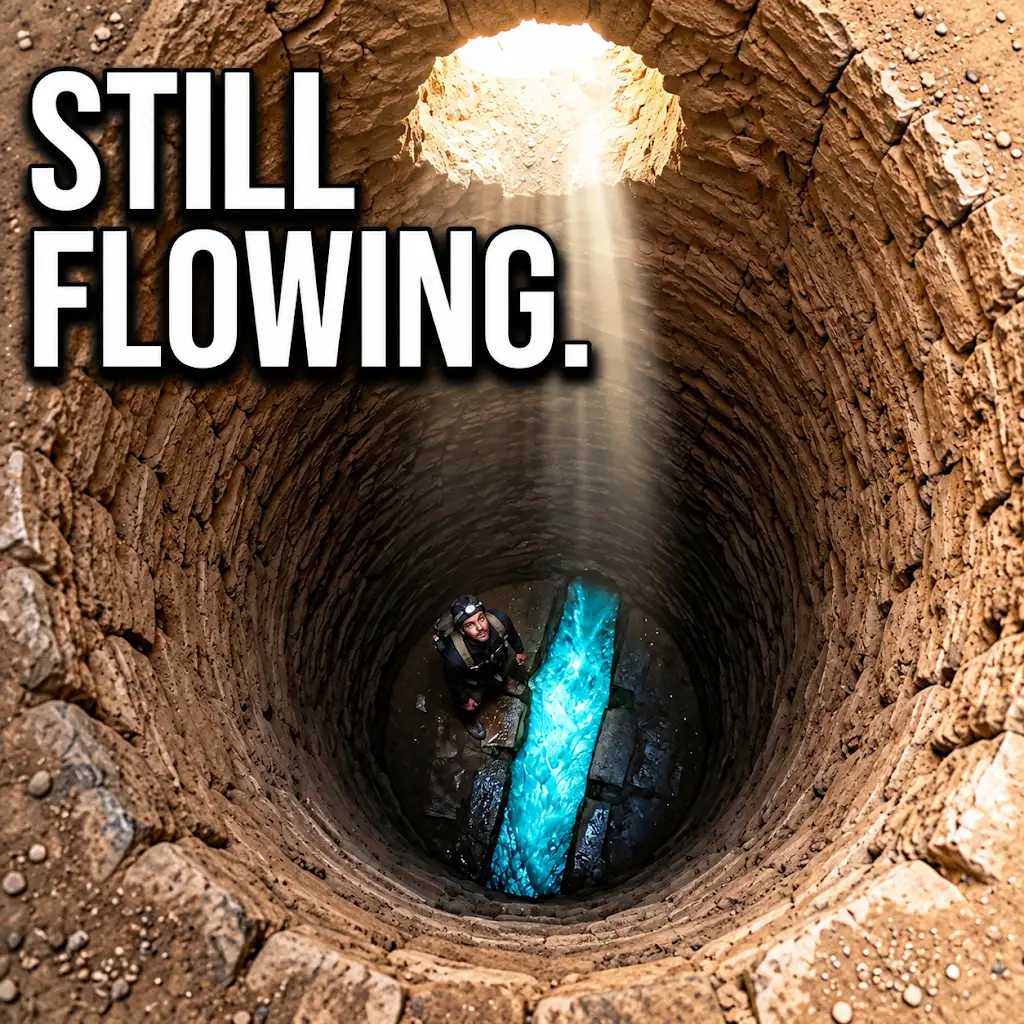
They Dug Water Tunnels Under the Desert… And They Still Flow
FAQs
What is ancient well technology?
Ancient well technology refers to the methods and techniques used by ancient civilizations to construct, maintain, and utilize wells for accessing groundwater.
Which ancient civilizations were known for their advanced well technology?
Ancient civilizations such as the Romans, Greeks, Egyptians, and Mesopotamians were known for their advanced well technology, including the use of sophisticated well construction methods and tools.
What were some common materials used in ancient well construction?
Ancient well construction often involved materials such as stone, brick, wood, and clay. These materials were used to create well shafts, linings, and mechanisms for drawing water.
How did ancient civilizations ensure the quality of well water?
Ancient civilizations used various methods to ensure the quality of well water, such as lining wells with impermeable materials to prevent contamination, and incorporating filtration systems using sand or charcoal.
What impact did ancient well technology have on society?
Ancient well technology played a crucial role in the development of early civilizations by providing access to clean water for drinking, agriculture, and sanitation, leading to improved health, increased agricultural productivity, and urban growth.