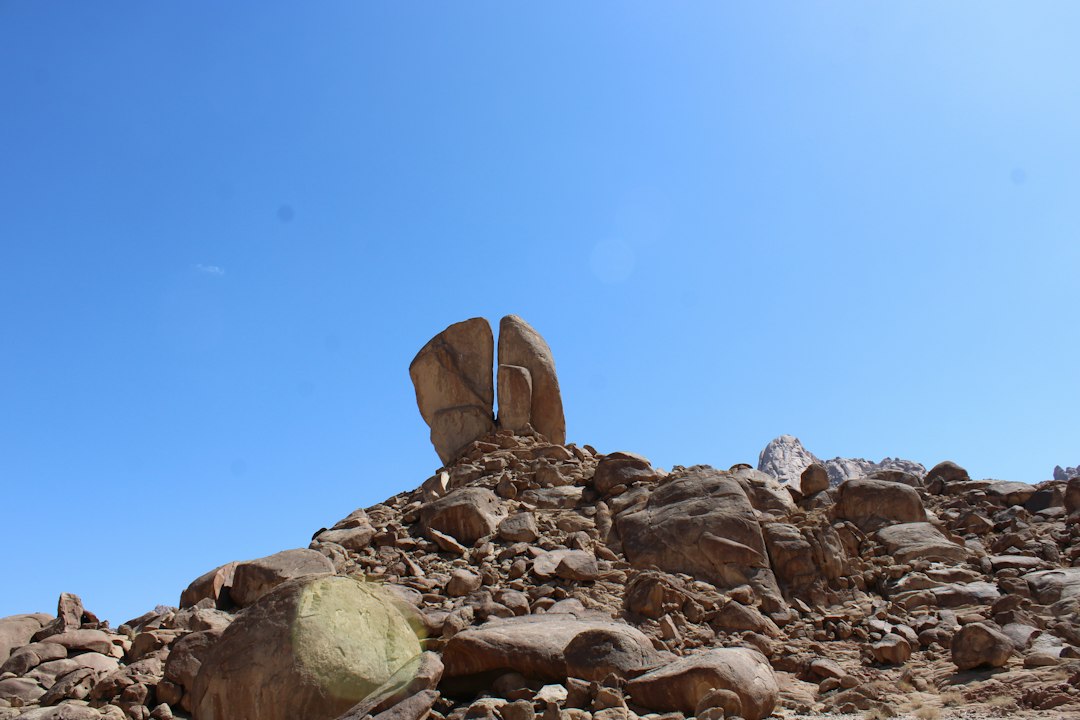
Whispers from the Stone Age
The Arabian Peninsula, often envisioned as a vast expanse of golden dunes and sun-baked plains, holds secrets far older than the camel caravans that once traversed its sands. Beneath the surface, etched into the very bedrock of mountains and cliffs, lies a profound testament to humanity’s earliest artistic impulses: prehistoric rock art. These ancient markings, spanning millennia, offer a captivating glimpse into the lives, beliefs, and environments of peoples who roamed this land long before the advent of written history. Exploring these enigmatic creations is not merely an archaeological pursuit; it is a journey back in time, a dialogue with our distant ancestors whose stories are painted in ochre, charcoal, and the enduring spirit of human expression.
From the rugged fjords of the Musandam Peninsula to the vast plateaus of Saudi Arabia and the remote reaches of Oman, the Arabian landscape is punctuated by sites of extraordinary rock art. These are not the grand monuments of empires, but intimate narratives carved and painted by hands that understood the subtle language of the natural world. They depict animals that are now scarce or extinct, scenes of hunting and herding, abstract symbols whose meanings remain tantalizingly elusive, and perhaps even the earliest attempts at depicting the human form and cosmic ideas. To truly appreciate these ancient wonders is to step outside the modern world and immerse oneself in the profound silence of millennia, listening to the whispers from the stone age.
Prehistoric rock art in Arabia offers a fascinating glimpse into the lives and beliefs of ancient civilizations. These artworks, which include intricate carvings and paintings, provide valuable insights into the social and cultural dynamics of the region. For a broader understanding of how ancient cultures have influenced modern societies, you might find it interesting to explore the article on Mexico’s growing role in global trade, which discusses the interconnectedness of historical and contemporary practices. You can read more about it here: Mexico’s Growing Role in Global Trade.
The Canvas of Arabia: Unveiling Diverse Galleries
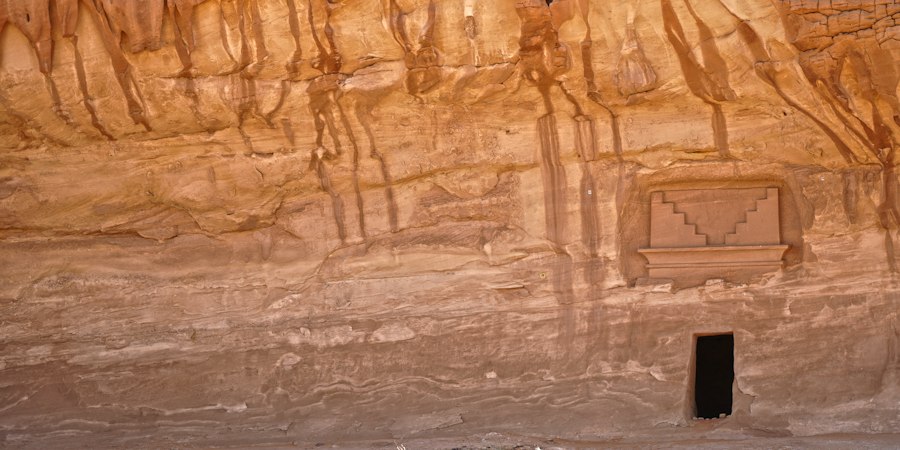
The sheer geographical spread of prehistoric rock art across Arabia is remarkable, each region contributing its unique palette and subject matter to the grand narrative of ancient human creativity. The diverse topography – from coastal plains to mountainous interiors and arid wadis – provided a multitude of canvases, each shaped by the geological history and the subsequent human interaction with the environment. These galleries, often hidden from casual view, have been preserved by the arid climate, offering an unparalleled window into the past.
Jubbah and the Northern Highlands: A Prehistoric Hunting Ground
One of the most significant concentrations of prehistoric rock art is found in the northern regions of Saudi Arabia, particularly around Jubbah. Here, towering sandstone outcrops, sculpted by wind and time, serve as immense canvases for a rich tapestry of imagery. The dominant theme is undoubtedly the fauna of ancient Arabia, a stark contrast to the desert landscape of today. Large, imposing depictions of aurochs, cattle with formidable horns, and wild asses suggest a time when these creatures were prevalent, supporting human populations through hunting and perhaps early domestication.
The artistic techniques employed in Jubbah are varied, ranging from simple pecked outlines to more elaborate engravings and painted figures. The scale of some of these depictions is impressive, suggesting a deliberate and communal effort. Hunting scenes are common, illustrating the prowess and resourcefulness of the hunter-gatherer societies that inhabited this region. Figures of archers, spears, and the animals they pursued are rendered with a surprising degree of naturalism, conveying a deep understanding of animal anatomy and behavior. Beyond the animals, abstract symbols and geometric patterns also appear, hinting at a complex symbolic system that is yet to be fully deciphered. These motifs, often repeated across different sites, suggest shared cultural understandings and perhaps even spiritual beliefs. The presence of human figures, though less common than animal depictions, provides further insights into the social fabric of these ancient communities, depicting individuals engaged in various activities, from dancing to ritualistic poses.
Eastern Arabia: Coastal Echoes and Pastoral Life
The eastern coastal regions of Arabia, including parts of the United Arab Emirates and Oman, also boast significant rock art sites, though often with a distinct focus reflecting their proximity to the sea and the development of pastoralism. Here, the imagery often shifts towards depictions of domesticated animals, particularly goats and sheep, indicating a transition towards a more sedentary or semi-nomadic lifestyle centered on animal husbandry. The ubiquity of these pastoral scenes speaks to the central role livestock played in the economy and social structure of these communities.
The artistic style in these areas can be more schematic and fluid, with a greater emphasis on movement and gesture. The human figures, when present, are often depicted in dynamic poses, suggesting a vibrant social life and the importance of communal activities. Scenes of herding, milking, and perhaps even ceremonies involving livestock are common. Alongside these pastoral themes, marine life also makes an appearance, reflecting the coastal environment. Though less prominent than terrestrial animals, depictions of fish and perhaps even boats hint at the importance of maritime resources for these communities. The abstract symbols found here often complement the figurative art, suggesting a rich symbolic language that may have been used for communication, record-keeping, or spiritual expression. The dating of these sites is crucial, allowing scholars to trace the evolution of artistic styles and thematic preoccupations over time, from early hunting societies to more developed pastoral economies.
The Southern Highlands: Mysteries of the Yemenite Plateaus
The southern highlands of Arabia, particularly the mountainous regions of Yemen, harbor some of the most ancient and enigmatic rock art in the region. These sites, often situated in dramatic and remote landscapes, contain a wealth of imagery that continues to challenge interpretation. The sheer age of some of these engravings, potentially dating back to the early Holocene or even the Upper Paleolithic, places them among the earliest examples of human symbolic behavior in the region.
The imagery here is often characterized by a striking blend of naturalism and abstraction. Highly detailed engravings of wild animals, executed with remarkable precision, coexist with a profusion of geometric patterns, spirals, and other abstract symbols. The meaning of these abstract forms is a subject of intense speculation, with theories ranging from cosmological representations to complex calendrical systems or even early forms of writing. Human figures are present but often rendered in a stylized manner, sometimes appearing in ritualistic or shamanistic contexts. The presence of anthropomorphic figures with animal attributes suggests a sophisticated belief system that may have involved the merging of human and animal identities. The challenging terrain and the remoteness of many of these sites have contributed to their preservation, but also to the difficulty in their study. Nevertheless, the rock art of the southern highlands offers a unique and profound insight into the cognitive and symbolic capacities of early Arabian peoples.
Deciphering the Meanings: Symbols, Stories, and Beliefs
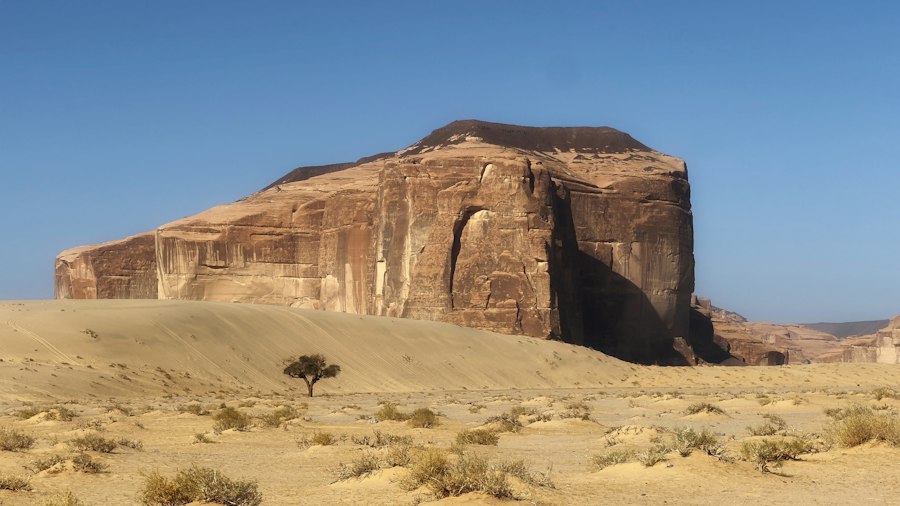
The allure of prehistoric rock art lies not only in its aesthetic appeal but also in the profound questions it raises about the minds and lives of its creators. These markings are more than just decorations; they are the visual language of ancient cultures, offering clues to their worldview, their relationship with the natural world, and their understanding of the cosmos. While definitive interpretations remain elusive, ongoing research and comparative studies are gradually piecing together the narratives etched in stone.
The Language of Animals: Totems, Prey, and the Divine
Animals form the bedrock of much of Arabian rock art. Their prominence suggests a deep and multifaceted relationship between humans and the fauna that shared their environment. On one level, these depictions are clearly records of subsistence. Hunting scenes, with hunters and their prey depicted in dynamic interaction, highlight the critical role of animals in providing food, hides, and other resources. The naturalistic rendering of many animal figures speaks to a keen observation and intimate knowledge of their habits, movements, and characteristics, honed by generations of observation and experience.
Beyond their practical significance, animals in rock art often carry deeper symbolic weight. Many researchers propose that certain animals may have served as totems, representing ancestral lineage, tribal affiliations, or spiritual guardians. The repeated depiction of specific animals at certain sites could indicate their particular importance to the communities that created the art. Furthermore, the grandeur and power of certain animals, such as the aurochs or the lion (though less commonly depicted in Arabia), may have led to their association with divine or supernatural forces. Some scholars suggest that certain animal forms might have been seen as intermediaries between the human and spirit worlds, or even as manifestations of deities. The inclusion of mythical creatures or hybrid beings, though rare, further supports the idea that these depictions extended beyond mere biological representation into the realm of myth and cosmology.
Abstract Visions: Cosmology, Ritual, and Social Order
Interspersed with the figurative imagery are a myriad of abstract symbols – dots, lines, circles, spirals, and geometric patterns. The interpretation of these abstract motifs is perhaps the most challenging aspect of rock art research. However, their systematic recurrence and deliberate placement suggest that they were not random scribbles but held specific meanings for the ancient communities.
One prominent theory posits that these abstract symbols represent cosmological concepts. Spirals, for instance, are often interpreted as representations of the sun, moon, celestial cycles, or even the journey of the soul. Concentric circles might symbolize settlements, families, or social units. Dots arranged in patterns could relate to star constellations or numerical systems. The complexity and variation of these patterns suggest a sophisticated understanding of the natural world and its cyclical rhythms. Ritualistic practices are also thought to be encoded within the abstract art. Geometric patterns might have been used in ceremonies, as markers for sacred spaces, or as mnemonic devices for remembering important traditions and narratives. The repetitive nature of some symbols could also indicate their use in chants or as focal points for meditation. Furthermore, abstract symbols might have served to convey social order, marking boundaries, territories, or hierarchies within the community. They could have been used as identifiers, conveying information about lineage, status, or membership in particular groups, acting as a form of early social mapping or communication.
The Human Element: Ritual, Identity, and Daily Life
While animals often dominate the rock faces, human figures, when present, offer invaluable insights into the social and cultural lives of prehistoric Arabians. Their depiction varies considerably, from simple stick figures to more detailed representations, and their context can be just as revealing as their form.
Hunting scenes often feature human figures in action, wielding spears, bows, and arrows, emphasizing their skill and the arduous nature of their subsistence strategies. Scenes of herding and communal activities, such as dancing or feasting, provide glimpses into the social fabric, highlighting the importance of cooperation and collective endeavors. The presence of human figures in ritualistic postures – perhaps with arms raised, or in seemingly trance-like states – suggests the significant role of ceremony and spiritual practice in their lives. Some scholars interpret these figures as shamans or spiritual leaders, mediating between the earthly and the divine. The depiction of anthropomorphic figures, sometimes with animal heads or other hybrid features, hints at complex mythologies and belief systems that blurred the lines between human, animal, and the supernatural. These representations could signify transformation, spirit possession, or the embodiment of ancestral spirits. The limited number of human figures, and the often schematic or generalized way they are depicted, suggests that the focus was often on the collective or the symbolic rather than individual portraits, emphasizing their role within a larger community and cosmological framework.
The Hands That Created: Tools, Techniques, and Artistic Traditions
The enduring nature of prehistoric rock art is a testament to the skill and ingenuity of its creators. The techniques employed, though seemingly rudimentary by modern standards, were highly effective in inscribing and painting indelible images onto the rugged surfaces of Arabia’s rock shelters and outcrops. Understanding these methods provides a deeper appreciation for the labor and artistry involved.
Engraving: The Art of the Peck and Scrape
Engraving, the process of incising images into the rock surface, is one of the most ancient and durable forms of rock art. In Arabia, this technique primarily involved pecking and scraping. The artists would have used hard stone tools, such as pointed flint or chert implements, to gradually chip away at the rock surface, creating outlines, depressions, and textured areas. The depth and clarity of the engravings vary depending on the type of rock and the tools used. Softer sandstones might have been more easily worked, allowing for finer detail, while harder volcanic rocks would have required more forceful and prolonged effort.
The process was likely a laborious one, requiring patience and precision. The artists would have carefully planned their compositions, often working on a large scale to ensure visibility from a distance. The resulting engravings could be either outlines, where the edges of the design were incised, or more fully rendered figures, where the interior of the design was pecked or scraped to create a different tonal or textural effect. The contrast between the incised lines and the surrounding rock surface, or the textural variations created by pecking, would have made these images stand out, particularly in the soft light of dawn or dusk. The use of natural features of the rock, such as fissures or color variations, was often incorporated into the designs, demonstrating a sophisticated understanding of the medium.
Painting: Pigments of the Earth
The use of pigments to create painted rock art, while perhaps less common in the arid climate of Arabia than engravings, is no less significant. The ancient artists harnessed the rich mineral resources of their environment to create a palette of earthy hues. The primary pigments were derived from iron oxides, yielding shades of red, yellow, and brown, often referred to as ochre. These mineral pigments were likely ground into fine powders and then mixed with a binder, such as animal fat, plant sap, or even water, to create a durable paint.
The application of these pigments could have been achieved through various methods. Fingers were likely the most direct tools, allowing for broad strokes and smudging. Brushes made from animal hair, plant fibers, or twigs might have been used for finer lines and details. The paint could have been applied directly to the rock surface, or perhaps blown onto the rock through a hollow bone or reed, creating a stencil-like effect. The longevity of these painted figures is remarkable, a testament to the durability of the mineral pigments and the protective qualities of the rock surfaces on which they were applied. The vibrant colors, though sometimes faded by millennia of exposure, still resonate, offering a direct and emotional connection to the past. The choice of rock surface was also crucial, with artists often selecting smooth, prepared areas that would best receive and retain the pigment.
Artistic Traditions and Regional Styles
The vastness of Arabia and the passage of millennia have resulted in a diverse array of artistic traditions and regional styles. While there are overarching similarities, distinct characteristics emerge when examining art from different geographical areas and time periods. This evolution of style reflects cultural shifts, environmental changes, and perhaps even the transmission of artistic knowledge between different groups.
For instance, the naturalistic and dynamic depictions of animals found in some northern Saudi sites contrast with the more schematic and fluid representations of pastoral life seen in eastern Arabia. Similarly, the ancient and enigmatic abstract motifs of the southern highlands present a different stylistic vocabulary altogether. The continuity of certain symbols or motifs across vast distances and time spans can indicate the presence of widespread cultural networks or shared belief systems. Conversely, the emergence of unique artistic conventions in specific regions highlights the development of distinct local identities and artistic schools. The study of these regional variations is crucial for understanding the complex tapestry of prehistoric Arabian societies and their cultural interactions. Dating techniques, such as radiocarbon dating of associated organic materials or thermoluminescence dating of burnt rock, are essential for establishing chronological frameworks and tracing the development and diffusion of these artistic traditions.
Prehistoric rock art in Arabia offers a fascinating glimpse into the lives and beliefs of ancient cultures, showcasing their connection to the natural world. Researchers have uncovered numerous sites featuring intricate carvings and paintings that depict animals, human figures, and celestial motifs, highlighting the significance of these artworks in understanding early human societies. For those interested in exploring the broader implications of celestial bodies in ancient cultures, a related article discusses the strategic importance of the moon and its influence on various civilizations. You can read more about this intriguing topic here.
Preserving Our Past: Challenges and Future Directions
| Metric | Details |
|---|---|
| Location | Various sites across Saudi Arabia, Yemen, Oman, and UAE |
| Estimated Age | From 10,000 BCE to 1,000 BCE |
| Common Themes | Animals (ibex, camels, lions), human figures, hunting scenes, symbols |
| Techniques Used | Engraving, pecking, painting with natural pigments |
| Number of Sites | Hundreds documented, with thousands of individual petroglyphs and pictographs |
| Significance | Provides insight into prehistoric life, climate, and cultural practices in Arabia |
| UNESCO Status | Some sites proposed or listed as World Heritage Sites |
The invaluable legacy of prehistoric rock art in Arabia faces a multitude of challenges, from natural degradation to the increasing pressures of human activity. Ensuring the long-term preservation of these ancient sites is paramount, not only for scientific research but also for safeguarding a crucial part of our collective human heritage.
The Threats of Time and Nature
Even in the arid environment of Arabia, rock art is not immune to the forces of nature. Natural weathering processes, such as wind erosion, salt crystallization, and thermal expansion and contraction of the rock, can gradually wear away the engraved lines and fade the painted pigments. In areas prone to flash floods, the constant inundation of rock surfaces can cause significant damage. Microorganisms, such as lichens and algae, can also colonize the rock, obscuring the art and potentially accelerating its deterioration. In some instances, geological instability of the rock formations themselves poses a threat to the integrity of the art.
Human Impact: A Double-Edged Sword
Human activity presents both a threat and an opportunity for rock art preservation. Increased tourism, while raising awareness and fostering appreciation, can also lead to unintended damage. Visitors may inadvertently touch or lean on rock surfaces, inadvertently transferring oils and dirt that can harm the art. Vandalism, though thankfully not widespread, remains a concern, with graffiti or attempts to remove artifacts causing irreparable harm. Conversely, responsible tourism, guided by conservation principles and educational initiatives, can generate revenue for preservation efforts and foster a sense of custodianship.
Archaeological excavation and scientific study, while crucial for understanding the art, must also be conducted with the utmost care to minimize disturbance. The development of infrastructure, such as roads and settlements, in proximity to significant rock art sites can lead to habitat destruction, increased human traffic, and potential pollution. Balancing the needs of modern development with the imperative to protect these ancient sites requires careful planning, rigorous environmental impact assessments, and a commitment to sustainable practices.
The Path Forward: Conservation and Research
The future of Arabian rock art hinges on a concerted effort involving international collaboration, scientific innovation, and community engagement. Conservation strategies must be tailored to the specific needs of each site, employing non-invasive techniques whenever possible. This includes regular monitoring of the condition of the art, stabilization of fragile rock surfaces, and the removal of damaging biological growth.
Research remains a critical component of preservation. Ongoing studies employing advanced imaging techniques, such as photogrammetry and 3D scanning, are creating detailed digital records of the art, invaluable for both documentation and analysis. DNA analysis of any residual organic materials, combined with improved dating methodologies, will continue to refine our understanding of the chronology and cultural contexts of the art. Furthermore, fostering a sense of ownership and responsibility among local communities is vital. Educational programs, the involvement of local guides in site management, and the promotion of cultural heritage tourism that benefits these communities can transform them into stakeholders in the preservation of their ancestral art. By embracing these multifaceted approaches, we can ensure that the whispers from the stone age continue to echo for generations to come.
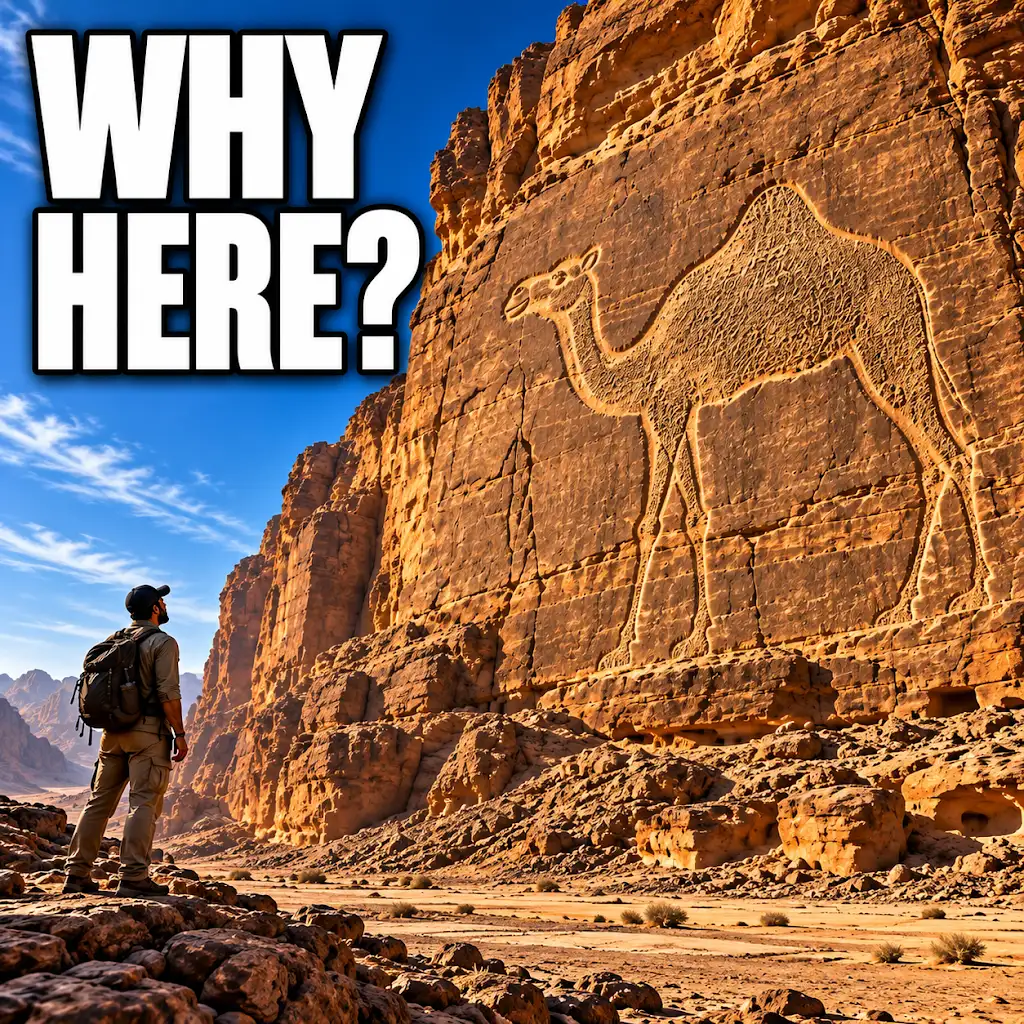
Why Were Giant Camels Carved Above the Desert?
FAQs
What is prehistoric rock art?
Prehistoric rock art refers to ancient drawings, paintings, and carvings found on rocks and cave walls created by early humans thousands of years ago.
Where is prehistoric rock art found in Arabia?
Prehistoric rock art can be found in various regions of Arabia, including the deserts of Saudi Arabia, Oman, Yemen, and the United Arab Emirates.
What is the significance of prehistoric rock art in Arabia?
Prehistoric rock art in Arabia provides valuable insights into the lives, beliefs, and cultures of ancient civilizations that once inhabited the region. It offers a glimpse into their artistic expressions, rituals, and daily activities.
How old is the prehistoric rock art in Arabia?
The prehistoric rock art in Arabia dates back thousands of years, with some of the oldest examples believed to be from the Neolithic period, around 10,000 years ago.
What themes are commonly depicted in prehistoric rock art in Arabia?
Common themes depicted in prehistoric rock art in Arabia include hunting scenes, wildlife, human figures, geometric patterns, and symbols that may have held cultural or spiritual significance to the ancient inhabitants of the region.