The ancient world, often perceived as a collection of disparate and isolated civilizations, was in reality a vibrant tapestry woven with threads of extensive trade, cultural exchange, and profound interconnectedness. This phenomenon, what might be termed “ancient globalization,” was not a spontaneous occurrence but a direct consequence of deliberate human endeavor, primarily through the construction and utilization of sophisticated networks of highways and other forms of connectivity. These arteries of communication and commerce, stretching across continents and seas, facilitated the movement of goods, ideas, people, and technologies, fundamentally shaping the trajectory of human history and laying the groundwork for the interconnected world we inhabit today. Understanding these ancient pathways offers invaluable insights into the forces that drive globalization, the resilience of human interaction, and the enduring impact of infrastructure on societal development.
The Arteries of Empire: Ancient Highway Networks
The development of extensive and well-maintained road systems stands as a testament to the organizational prowess and strategic foresight of ancient empires. These were not mere tracks worn by foot traffic but meticulously engineered routes designed to facilitate the rapid and efficient movement of armies, administrators, and merchants. The construction and maintenance of such networks required immense resources, labor, and planning, reflecting a deep understanding of the strategic and economic benefits of connectivity. The effectiveness of these highways in binding together vast territories and fostering interaction among diverse populations cannot be overstated. They were the physical manifestation of imperial ambitions and the conduits through which cultural and economic influences flowed, often transforming the very fabric of the societies they connected.
Roman Roads: The Backbone of the Republic and Empire
Perhaps the most iconic example of ancient highway engineering is that of the Roman Empire. The Romans were masters of road construction, developing techniques that allowed for durable, all-weather surfaces capable of supporting heavy wheeled traffic. The famed “All roads lead to Rome” adage was more than just a saying; it reflected the reality of a meticulously planned network that radiated outwards from the capital, connecting the furthest reaches of the empire. These roads were built with a strategic purpose: to facilitate troop movements for military conquest and control, but their economic and social implications were equally profound. The Via Appia, initiated in 312 BCE, was one of the earliest and most significant, allowing legions to march swiftly to the south. Later, emperors commissioned vast expansions, creating a network of over 400,000 kilometers (250,000 miles) of paved roads, complete with milestones, bridges, and inns. This infrastructure was crucial for the efficient administration of such a sprawling empire, enabling swift communication between Rome and its provinces through the cursus publicus, the imperial postal and transportation service. Beyond military and administrative functions, these roads fostered trade, allowing for the movement of agricultural goods, raw materials, and manufactured products across vast distances. Merchants could travel with greater safety and speed, reducing the risks and costs associated with long-distance trade, thereby stimulating economic growth and specialization within different regions of the empire. The influence of Roman roads extended beyond the empire’s borders, inspiring similar initiatives in neighboring territories and leaving a lasting legacy on transportation infrastructure in Europe.
The Silk Road: More Than Just a Single Path
While often depicted as a singular route, the Silk Road was in fact a complex web of interconnected pathways, both overland and maritime, that facilitated trade and cultural exchange between East and West for centuries. Emerging in the Han Dynasty of China around the 2nd century BCE, it stretched thousands of kilometers, linking East Asia with the Mediterranean world. This network was not built or maintained by a single state but rather evolved organically through the interactions of numerous cultures and empires. Its primary purpose was the trade of luxury goods, most famously silk from China, but it also carried spices, precious metals, gemstones, textiles, and exotic animals. However, the impact of the Silk Road far transcended commerce. It served as a conduit for the transmission of ideas, technologies, religions, and even diseases. Buddhism spread from India to Central Asia and China along these routes, while technologies like papermaking and gunpowder, originating in China, gradually made their way westward. The exchange of artistic styles, scientific knowledge, and philosophical concepts enriched civilizations on both ends of the route. The constant movement of people—merchants, pilgrims, diplomats, and soldiers—ensured a continuous flow of cultural influences, leading to syncretism and innovation. The Silk Road was a prime example of ancient globalization driven by the desire for exotic goods and the pursuit of economic gain, demonstrating that vast interconnectedness could arise even without a single, overarching controlling power. The dynamism of these routes meant they were constantly shifting and adapting to political changes, the rise and fall of empires, and the development of new technologies, underscoring the resilient nature of intercontinental exchange.
Persian Royal Road: An Early Model of Imperial Communication
Long before the Romans, the Achaemenid Persian Empire, in the 5th century BCE, established a remarkably efficient communication and transportation system known as the Persian Royal Road. Stretching approximately 2,500 kilometers (1,600 miles) from Susa in the west to Sardis in the east, this road was a marvel of ancient engineering and a crucial tool for administering their vast empire. Under the supervision of Darius the Great, the road was paved in sections and equipped with regular stations (caravanserais) that provided fresh horses, provisions, and lodging for royal messengers and travelers. These stations were strategically placed at intervals of about 20-25 kilometers (12-15 miles), enabling riders to cover remarkable distances in a short time. Herodotus famously described the speed and efficiency of the Persian postal system, noting that “neither snow nor rain nor heat nor gloom of night stays these couriers from the swift completion of their appointed rounds.” This system, known as the angarium, was a precursor to modern postal services and was vital for the rapid dissemination of information and commands across the empire. The Royal Road facilitated not only military and administrative communication but also economic activity. Merchants could utilize the infrastructure, though perhaps not with the same speed as the royal couriers, benefiting from the security and established routes. The existence of such a well-organized network highlights the early recognition by powerful states of the strategic and economic advantages of investing in robust communication infrastructure, demonstrating a sophisticated understanding of how to leverage geography for imperial control and prosperity. The Persian Royal Road served as a pioneering model for subsequent imperial road-building projects, influencing the development of similar systems in other ancient empires.
The ancient world was marked by significant globalization, facilitated by extensive highway networks that connected various civilizations, fostering trade, cultural exchange, and the spread of ideas. A related article that explores the impact of government policies on asset management and connectivity in modern contexts can be found at this link. This piece delves into how contemporary governance can influence economic interactions, drawing parallels to the interconnectedness established in ancient times.
Maritime Connections: The Unseen Highways of the Sea
While land-based highways captured the imagination with their visible permanence, the seas and oceans served as equally vital, albeit often less visible, highways of the ancient world. Maritime trade routes connected continents, fostering a scale of exchange that often dwarfed overland journeys in terms of volume and reach. The development of seafaring technologies, navigational techniques, and port infrastructure was paramount to unlocking the potential of these watery pathways. These maritime connections were not solely about the movement of goods; they were also crucial for the spread of cultures, religions, and populations, creating a dynamic and interconnected ancient world that transcended geographical barriers.
The Mediterranean Sea: The Cradle of Ancient Trade
The Mediterranean Sea, with its relatively calm waters and abundant coastlines, served as a natural highway for some of the earliest and most extensive globalized networks. From the Bronze Age onwards, civilizations like the Minoans, Mycenaeans, Phoenicians, Greeks, and Romans all relied heavily on maritime trade to connect their settlements, acquire resources, and project their influence. Ships, initially simple merchant vessels, evolved into more sophisticated designs capable of carrying significant cargoes. The Phoenicians, renowned seafarers and traders, established colonies and trading posts across the Mediterranean, linking the Levant with North Africa and Southern Europe. Their alphabet, a revolutionary system of writing, spread via these sea lanes, profoundly impacting literacy and communication throughout the region. The Greeks, while initially focused on their own waters, expanded their reach through colonization and trade, establishing a vast network of city-states from the Black Sea to Spain. The Romans, upon consolidating their power, effectively turned the Mediterranean into a “Roman lake” (Mare Nostrum), dominating its waters and ensuring the safe passage of merchant ships. This maritime dominance facilitated the unprecedented flow of grain from Egypt and North Africa to Rome, as well as olive oil, wine, pottery, and raw materials from various provinces. The Roman navy played a crucial role in policing these routes, suppressing piracy, and maintaining the stability necessary for thriving commerce. The infrastructure of ports, lighthouses, and shipyards further cemented the Mediterranean’s role as a central nexus of ancient globalization, enabling a level of economic interdependence and cultural diffusion that was foundational to the development of Western civilization.
The Indian Ocean: A Monsoon-Powered Marketplace
The Indian Ocean basin, encompassing a vast area from East Africa and the Arabian Peninsula to India and Southeast Asia, was another region of immense maritime connectivity in the ancient world. Unlike the Mediterranean, the dominant force driving trade here was the monsoon system, predictable seasonal winds that allowed for efficient two-way travel. By understanding and harnessing these winds, ancient mariners could undertake long-distance voyages with relative regularity. Evidence suggests trade across the Indian Ocean dates back millennia, but it truly flourished with the rise of empires like the Maurya and Gupta in India and the expansion of Roman trade into the East. Commodities like spices (pepper, cinnamon, cardamom), textiles, precious stones, and exotic woods were transported in large quantities. The Romans, in particular, developed a taste for Eastern luxuries, and their demand fueled extensive trade networks. Ports like Alexandria in Egypt, on the western edge of the Indian Ocean trade, and various ports in India and Sri Lanka became bustling hubs of exchange. The maritime Silk Road, a sea-based extension of the overland routes, connected these regions with Southeast Asia and eventually China, facilitating the movement of goods and ideas across even greater distances. The cultural exchange was equally significant, with the spread of Buddhism, Hinduism, and later Islam across the Indian Ocean. The cosmopolitan nature of these port cities, where people from diverse backgrounds interacted, fostered a unique blend of traditions and innovations. The Indian Ocean trade demonstrates a different model of globalization, one driven by natural phenomena and the ingenuity of sailors in exploiting them, resulting in a vibrant and interconnected economic and cultural zone.
River Systems and Canals: Inland Waterways as Lifelines
Beyond the grand oceans and seas, ancient civilizations also recognized the immense value of river systems and strategically constructed canals as vital arteries for trade, communication, and transport. These inland waterways often served as the initial lifelines for early settlements, providing water for agriculture and facilitating the movement of people and goods in ways that were often more efficient and less arduous than overland travel. The development of sophisticated canal systems further amplified their importance, allowing for the extension of navigable waterways and the creation of artificial connections between previously disparate regions.
Mesopotamia: The Cradle of Civilization and Its Waterways
The civilizations of Mesopotamia, situated between the Tigris and Euphrates rivers, were inherently shaped by their riverine environment. The fertile crescent, nourished by these mighty rivers, became a cradle of civilization, and its development was inextricably linked to the control and utilization of its waterways. Early Mesopotamian city-states like Sumer, Akkad, and Babylon developed extensive irrigation systems, transforming arid lands into productive agricultural regions. These rivers also served as natural highways, facilitating the transport of agricultural surplus, building materials, and manufactured goods between settlements. Simple reed boats and later more robust wooden vessels plied these waters, enabling trade and communication across the vast Mesopotamian plain. The construction of canals was a major undertaking that further enhanced connectivity. These artificial waterways allowed for the transport of goods to areas not directly on the rivers and provided crucial irrigation to support ever-growing populations. The Akkadian Empire, under Sargon the Great, and later the Babylonian Empire, actively managed and expanded these canal networks, recognizing their importance for economic prosperity and imperial control. The rivers and canals of Mesopotamia were not merely conduits for commerce; they were the very lifeblood of these ancient societies, enabling the rise of complex urban centers and laying the foundation for advancements in agriculture, engineering, and governance that would influence subsequent civilizations. The constant ebb and flow of traffic on these waterways fostered a sense of interconnectedness within the region, promoting cultural diffusion and economic specialization.
Ancient Egypt and the Nile: The Ultimate Lifeline
The civilization of Ancient Egypt is perhaps the most striking example of a society profoundly shaped and unified by a single, dominant river system: the Nile. The annual inundation of the Nile, a predictable flood that deposited fertile silt, made agriculture possible in an otherwise arid desert landscape. This predictable natural phenomenon not only sustained the Egyptian population but also served as the primary transportation network for the entire kingdom. From the earliest dynasties, the Nile was used to transport grain, stone for monumental construction projects like the pyramids, and goods for trade. The relatively gentle currents and prevailing northerly winds made travel upstream (south) and downstream (north) efficient. While the Nile itself was the primary artery, the Egyptians also developed more sophisticated maritime capabilities. Their ships, initially simple wooden vessels, became capable of sailing the Mediterranean, facilitating trade with regions like Crete, Cyprus, and the Levant. However, it was the Nile that truly unified Egypt, enabling the central administration to maintain control over a long and narrow territory and fostering a shared identity. The ease of transport along the river allowed for the efficient mobilization of labor and resources, contributing to the monumental achievements of Egyptian civilization. The Nile was more than just a river; it was a divine gift that provided sustenance, facilitated communication, and served as the ultimate highway, binding together a remarkable and enduring ancient civilization. The river’s consistent flow and the predictable cycles of inundation provided a stability that allowed for the development of a highly organized society and a sophisticated understanding of logistics and infrastructure.
The Exchange of Ideas and Innovations: Beyond Tangible Goods
The highways, both terrestrial and maritime, of the ancient world were not solely conduits for the movement of tangible goods like spices, textiles, and metals. They were equally, if not more importantly, conduits for the invisible, yet profoundly transformative, exchange of ideas, technologies, religions, and cultural practices. This intangible globalization, facilitated by the movement of people, was a catalyst for innovation and the enrichment of human knowledge, fundamentally shaping the intellectual and spiritual landscapes of the ancient world.
The Spread of Religions and Philosophies
The ancient world witnessed a remarkable diffusion of religious and philosophical thought, often following the established trade routes. Buddhism, originating in India, spread eastward along the Silk Road, carried by merchants and monks. Its philosophy of enlightenment and compassion resonated with people across Central Asia and China, leading to the establishment of monastic centers and the translation of sacred texts. Similarly, the cult of Mithras, a mystery religion originating in Persia, found adherents among Roman soldiers throughout the empire, demonstrating how a belief system could transcend geographical and cultural boundaries. The spread of Hellenistic philosophy and science, a legacy of Alexander the Great’s conquests, influenced intellectual life in regions far beyond the Greek homeland. Greek scientific and mathematical treatises, translated into Syriac and Arabic, would later play a crucial role in the development of Islamic scholarship. The philosophical schools of Athens and Alexandria attracted students from across the Mediterranean, fostering a shared intellectual discourse. The very act of religious conversion and the adoption of new philosophical tenets demonstrate a willingness to engage with the “other” and to integrate foreign ideas into existing belief systems, a hallmark of genuine globalization. The establishment of pilgrimage routes, such as the journey to Jerusalem or the shrine of the Buddha at Sanchi, further solidified these exchanges, creating dedicated pathways for spiritual seekers and reinforcing the interconnectedness of religious communities.
Technological Diffusion: From Papermaking to Aqueducts
The ancient world was a crucible of technological innovation, and the movement of people along its highways was instrumental in the diffusion of these groundbreaking advancements. Papermaking, invented in China, gradually made its way westward along the Silk Road, a journey that took centuries. The adoption of paper revolutionized record-keeping, scholarship, and the dissemination of knowledge in the Middle East and later Europe. Similarly, gunpowder, another Chinese invention, eventually traveled west, profoundly altering warfare and society. Agricultural techniques, such as new irrigation methods and crop cultivation, were also shared. The Romans, in turn, were masters of civil engineering, and their innovations in aqueduct construction, concrete, and road building were adopted and adapted by cultures they interacted with. The spread of shipbuilding techniques, from the Phoenician trireme to the Roman quinquereme and beyond, facilitated greater maritime capabilities and expanded the reach of trade and exploration. The simple act of a craftsman or engineer migrating to a new region, or a merchant bringing back knowledge of a new tool or technique, could have a ripple effect, leading to improvements in productivity, living standards, and societal complexity. This technological cross-pollination highlights that ancient globalization was not just about the transfer of finished products but also about the transfer of the knowledge and skills necessary to create them, a process that accelerated progress across continents.
The Transmission of Artistic Styles and Architectural Influences
The movement of people and goods along ancient highways also led to a fascinating intermingling of artistic styles and architectural influences. The Gandhara art of present-day Pakistan and Afghanistan, for example, is a striking fusion of Greco-Roman artistic traditions and Buddhist themes, a direct result of cultural contact along the Silk Road. Sculptures from this region often depict Buddha figures with Hellenistic features and drapery. Similarly, Roman architecture, with its emphasis on arches, domes, and concrete, influenced building styles in regions far beyond the empire’s borders. The adoption of Roman architectural elements can be seen in structures in North Africa, the Middle East, and even as far east as Palmyra in modern Syria. In the maritime sphere, the cross-cultural influences are equally evident. The spice trade across the Indian Ocean led to the exchange of architectural motifs and decorative styles, evident in the syncretic temple architecture found in Southeast Asia. The transmission of decorative patterns, pottery techniques, and metalworking styles demonstrates a constant dialogue between cultures, where artists and artisans were inspired by foreign designs and incorporated them into their own creations. This artistic and architectural exchange was a visible manifestation of the interconnectedness of the ancient world, creating a shared visual language that transcended linguistic and political divides. It showcased a globalized aesthetic that celebrated innovation through the adaptation and synthesis of diverse traditions.
The Unforeseen Consequences: Disease, Conflict, and Environmental Impact
While ancient globalization fostered immense progress, it was not without its significant drawbacks and unforeseen consequences. The increased interconnectedness, while beneficial in many ways, also created new vulnerabilities, facilitating the rapid spread of diseases, exacerbating conflicts, and placing new pressures on the environment. These negative impacts serve as a cautionary reminder that globalization, in any era, carries inherent risks alongside its rewards.
The Dark Side of Connectivity: The Spread of Epidemics
One of the most devastating consequences of ancient globalization was the facilitated spread of infectious diseases. The extensive travel and trade networks, while vital for economic and cultural exchange, also acted as pathways for pathogens. The Roman Empire, with its vast and interconnected network of roads and its dominance of the Mediterranean, was particularly susceptible to large-scale epidemics. The Antonine Plague (165-180 CE) and the Plague of Cyprian (249-262 CE) are believed to have been devastating pandemics that swept across the empire and beyond, likely originating in the East and spreading via trade routes. These plagues caused massive mortality, depopulated cities, disrupted economies, and weakened the military and administrative capacity of empires. The sheer volume of movement meant that a localized outbreak could quickly become a continental crisis. Similarly, the Silk Road was not just a route for silk and spices; it was also a highway for the bubonic plague, which would go on to have catastrophic impacts on human populations throughout history. The lack of understanding of germ theory and effective public health measures meant that these diseases could spread with terrifying speed and severity, profoundly shaping demographic trends and altering the course of history in ways that are still studied by historians and epidemiologists. The interconnectedness that fostered prosperity also created a shared vulnerability that could unravel civilizations.
Conflict and Competition Fueled by Connectivity
The very routes and resources that facilitated trade and cultural exchange also became sources of competition and conflict. Control over lucrative trade routes, access to vital resources, and the wealth generated by long-distance commerce were often the root causes of imperial expansion and inter-state warfare. The competition for dominance in the Mediterranean, for instance, fueled the Punic Wars between Rome and Carthage, a conflict that ultimately reshaped the geopolitical landscape of the ancient world. The vast wealth generated by the Silk Road led to repeated struggles for control of key oases and mountain passes in Central Asia, with various empires and tribal confederations vying for a share of the profits. The increased interaction between different cultures, while often enriching, could also lead to friction, misunderstanding, and the imposition of dominance by more powerful groups. The expansionist ambitions of empires like the Roman, Persian, and Han Chinese were, in part, driven by the desire to secure and control these vital trade networks. Furthermore, the flow of military technologies and strategies along these routes also contributed to the escalation of conflicts. The effectiveness of new weapons or tactics learned from a neighboring culture could lead to an arms race and increased instability. The interconnectedness of the ancient world, therefore, meant that conflict in one region could have far-reaching repercussions, destabilizing trade and leading to widespread disruption.
Environmental Pressures and Resource Exploitation
The expansion of ancient trade and the growth of interconnected urban centers also placed significant pressures on the environment. The demand for resources to fuel construction, manufacturing, and trade often led to deforestation, soil erosion, and the depletion of natural resources. The clearing of forests for timber to build ships and for fuel for smelting metals was a widespread practice. The increased agricultural production required to feed growing populations in interconnected urban centers often led to intensive farming practices and the unsustainable use of land and water resources. The impact of large-scale irrigation projects, while beneficial in the short term, could also lead to salinization of the soil, making it infertile. The extensive movement of livestock along trade routes could also lead to the spread of diseases and overgrazing. While ancient civilizations did not possess the industrial capacity of modern times, the cumulative impact of their activities, amplified by the scale of their interconnectedness, did have discernible environmental consequences. The quest for resources to support a globalizing economy often came at a significant ecological cost, a phenomenon that resonates with the environmental challenges faced by our own interconnected world. The sustained exploitation of natural resources to fuel trade and support burgeoning populations serves as an early example of the environmental footprint of globalization.
The ancient world was significantly shaped by the development of globalization highways, which facilitated trade and cultural exchange across vast distances. These routes not only connected distant civilizations but also had a profound impact on economic systems and social structures. For a deeper understanding of how connectivity influences value in today’s economy, you might find it interesting to explore this article on the implications of dollar devaluation and its relationship with assets like gold and real estate. You can read more about it here.
The Enduring Legacy: Foundations of Our Modern World
| Highway/Route | Region | Period | Length (km) | Connectivity Impact | Economic/Cultural Impact |
|---|---|---|---|---|---|
| Silk Road | Asia to Europe | 2nd century BCE – 14th century CE | 6,500+ | Connected East Asia with Mediterranean civilizations | Facilitated trade of silk, spices, and ideas; cultural exchanges |
| Roman Roads | Roman Empire (Europe, North Africa) | 4th century BCE – 4th century CE | 80,000+ | Unified vast empire; enabled military and administrative control | Boosted trade, communication, and cultural integration |
| Royal Road | Persian Empire | 5th century BCE | 2,700 | Connected Sardis to Susa, facilitating rapid communication | Enhanced administrative efficiency and trade across empire |
| Incense Route | Arabian Peninsula to Mediterranean | 3rd century BCE – 2nd century CE | 2,000+ | Linked Arabian producers with Mediterranean markets | Promoted trade of frankincense, myrrh, and luxury goods |
| Grand Trunk Road | Indian Subcontinent | 6th century BCE – present | 2,500+ | Connected eastern and western parts of South Asia | Facilitated trade, cultural exchange, and political control |
The ancient world’s ventures into globalization, driven by the development of highways and other forms of connectivity, laid the essential groundwork for the interconnected world we inhabit today. The patterns of trade, the diffusion of ideas and technologies, and even the challenges of managing interconnectedness were all pioneered in these earlier eras. Understanding this ancient legacy is not merely an academic exercise; it offers profound lessons about the forces that drive globalization, the enduring human desire for connection and exchange, and the critical role of infrastructure in shaping societal development. The ambitions and achievements of these ancient civilizations continue to inform our own understanding of global integration.
Shaping Global Trade and Economic Interdependence
The ancient world’s extensive trade networks established enduring patterns of global commerce. The Silk Road, for instance, demonstrated the immense potential for lucrative long-distance trade and fostered a demand for exotic goods that persisted for centuries. The maritime routes of the Mediterranean and Indian Ocean laid the foundations for global shipping lanes, showcasing the economic benefits of specialization and interregional exchange. The reliance of empires on imported grain and raw materials highlighted the vulnerability and interdependence that can arise from globalization. These ancient networks not only facilitated the movement of goods but also contributed to the development of complex financial systems, rudimentary forms of banking, and the standardization of weights and measures, all of which are crucial for modern global trade. The concept of comparative advantage, where regions specialize in producing what they do best, was implicitly understood and practiced in the ancient world. This legacy of economic interdependence continues to shape our globalized economy, where disruptions in one part of the world can have ripple effects across continents. The historical precedent of large-scale, interconnected economies, forged in antiquity, serves as a testament to the power and persistence of global commerce.
The Cultural Tapestry of Interconnectedness
The cultural impact of ancient globalization is arguably its most profound and enduring legacy. The highways of the ancient world acted as melting pots, facilitating the exchange of languages, religions, artistic styles, and philosophical ideas. The spread of Buddhism from India, the diffusion of Hellenistic culture, and the transmission of knowledge across vast distances fundamentally enriched the cultural landscape of humanity. This process of cultural syncretism, where different traditions blend and influence one another, is a defining characteristic of globalization. The development of alphabetic scripts, the transmission of scientific knowledge, and the evolution of artistic motifs are all testaments to the power of cross-cultural exchange. This ancient mixing and mingling of cultures created a shared heritage that continues to inform our contemporary world, from the languages we speak to the art we admire and the beliefs we hold. The interconnectedness of ancient civilizations fostered a globalized cultural consciousness, demonstrating that human creativity thrives on interaction and the cross-pollination of ideas. This heritage of cultural exchange underscores the idea that our modern world is not a product of isolated development but of millennia of interconnected human experience.
Lessons for the Present and Future
The study of ancient globalization offers invaluable lessons for navigating the complexities of our own increasingly interconnected world. The challenges faced by ancient civilizations in managing the spread of disease, mitigating conflict arising from competition, and addressing environmental pressures are strikingly relevant today. Understanding how they established and maintained infrastructure, facilitated trade, and managed the flow of information provides a historical perspective on the enduring principles of globalization. The resilience and adaptability of ancient trade networks, which often persisted through periods of political upheaval, offer insights into the inherent drive for connection. Furthermore, the recognition that globalization is not solely an economic phenomenon but also a profound cultural and social force, as evidenced by the spread of religions and philosophies, is a crucial takeaway. By examining the successes and failures of these ancient endeavors, we can gain a deeper appreciation for the forces that shape our globalized present and inform more sustainable and equitable approaches to global integration in the future. The echoes of ancient highways in our modern world remind us that the pursuit of connection is a fundamental aspect of the human condition, with a long and complex history.
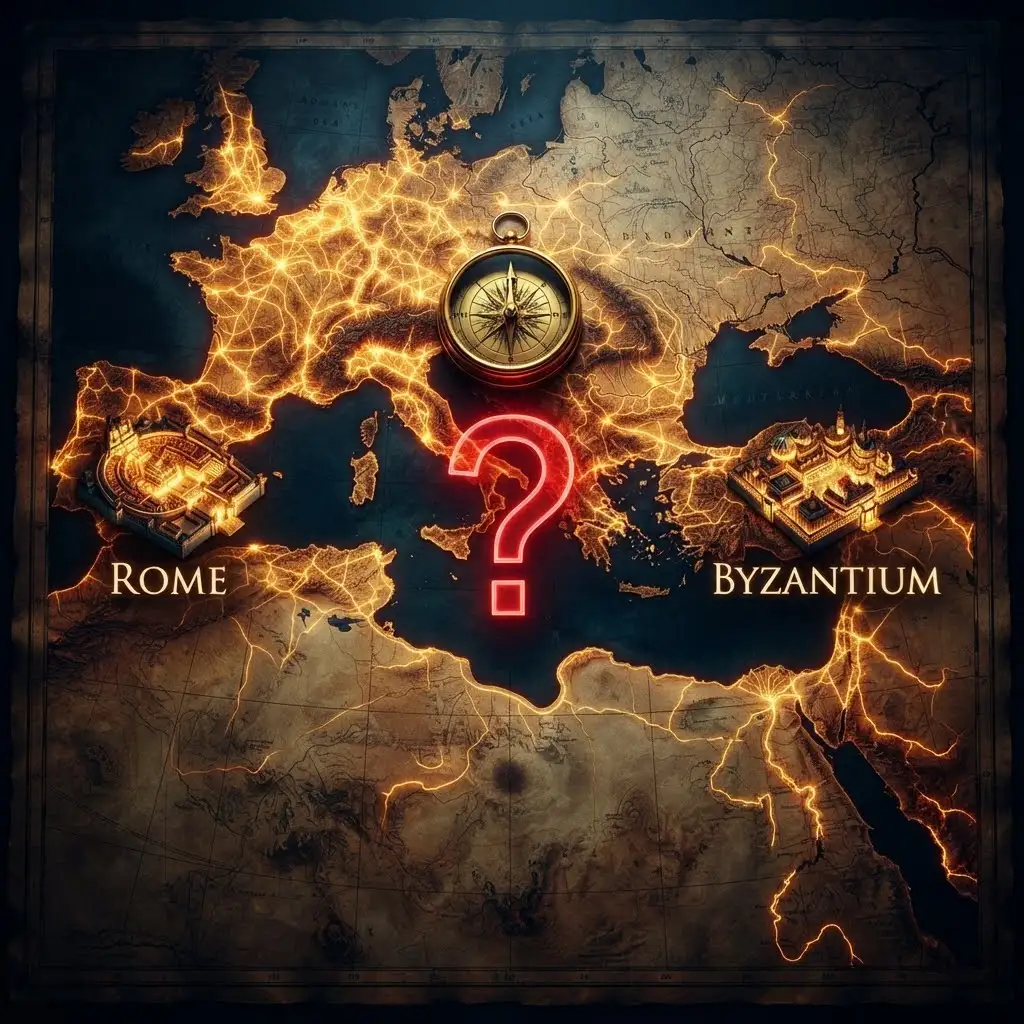
The 2.7% Statistic That Terrifies Roman Historians
FAQs
What were the ancient world globalization highways?
Ancient world globalization highways were a network of trade routes that connected different regions and civilizations, facilitating the exchange of goods, ideas, and culture.
How did connectivity along these highways impact ancient societies?
The connectivity along these highways led to the spread of technology, religion, language, and cultural practices, contributing to the development and enrichment of ancient societies.
Which civilizations were most affected by the connectivity of these highways?
Civilizations such as the Roman Empire, Han Dynasty, Persian Empire, and the civilizations of Mesopotamia were among the most affected by the connectivity of these ancient world globalization highways.
What were some of the key goods traded along these ancient highways?
Goods such as silk, spices, precious metals, ivory, and ceramics were commonly traded along these ancient highways, enriching the economies of the civilizations involved in the trade.
How did the impact of these highways contribute to the phenomenon of cultural diffusion?
The connectivity along these highways facilitated the exchange of cultural practices, beliefs, and traditions, leading to the phenomenon of cultural diffusion where different societies adopted and adapted elements from one another.