Angkor: The Rise and Fall of an Ancient Empire
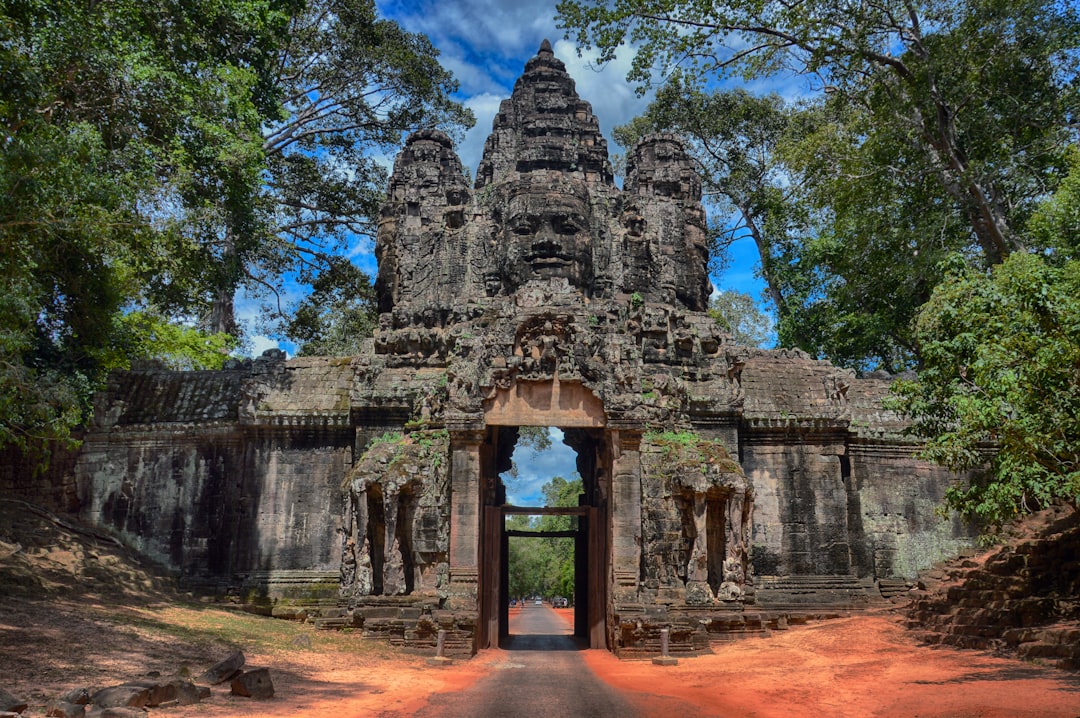
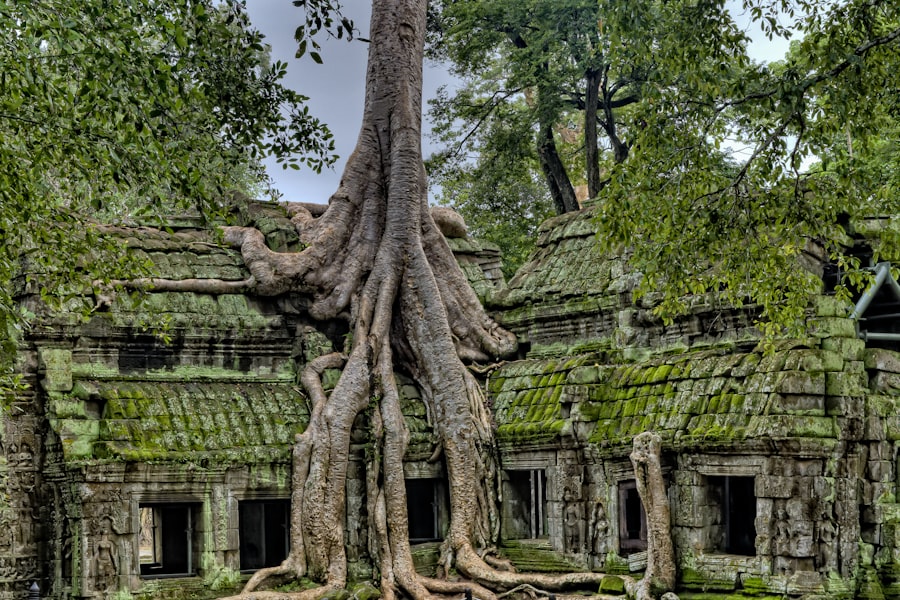
The name “Angkor” evokes a powerful image: a sprawling jungle teeming with forgotten temples, their stone faces weathered by centuries of monsoon rains and the relentless creep of banyan roots. But Angkor was more than just a collection of magnificent structures; it was the heart of a vast and influential empire that dominated Southeast Asia for nearly half a millennium. Its story is one of remarkable ingenuity, profound spiritual devotion, ambitious expansion, and ultimately, an enigmatic decline that continues to fascinate historians and archaeologists. The rise and fall of the Khmer Empire, centered at Angkor, is a testament to the cyclical nature of power and the enduring mysteries of history.
Before the monumental constructions of Angkor, a series of precursor states laid the groundwork for the empire’s eventual ascendance. These early kingdoms, though often shrouded in less definitive historical records, were crucial in shaping the cultural, political, and religious landscape that would define Angkor.
Traces of Pre-Angkorian Power
Archaeological evidence, though limited, points to sophisticated societies in the fertile river valleys of Cambodia prior to the 9th century. These early polities, such as Funan and Chenla, demonstrated an early engagement with Indian cultural and religious influences, particularly Hinduism and Buddhism.
The Influence of Indianization
The process of “Indianization” profoundly impacted the development of Southeast Asian societies. Trade routes facilitated the transmission of religious ideas, political concepts, and artistic styles from the Indian subcontinent. Sanskrit became a sacred language, Hindu deities were incorporated into local pantheons, and the concept of the god-king (devaraja) began to take root. This cultural borrowing was not a passive reception but an active adaptation, blending with indigenous beliefs and practices to create unique Khmer identities.
Early Settlements and Economic Foundations
Evidence of early settlements suggests agricultural communities thriving on the region’s rich alluvial soil. The mastery of water management, a skill that would become a hallmark of Angkor, likely began to develop during these early periods, crucial for supporting larger populations and more complex social structures. These early kingdoms, while smaller in scale, provided the essential building blocks – established leadership, religious frameworks, and agricultural expertise – for the empire to come.
The rise and fall of Angkor, the magnificent Khmer Empire capital, has long fascinated historians and archaeologists alike. One intriguing aspect of this ancient civilization is how its architectural marvels, such as the temples of Angkor Wat, may have utilized sound in their design and construction. For a deeper exploration of how sound played a role in ancient cultures, you can read the article on the mysteries of archaeoacoustics, which delves into the significance of sound in historical contexts. To learn more, visit this article.
The Age of Empire: The Rise of Angkor
The 9th century marked a pivotal turning point with the ascension of Jayavarman II, credited with unifying the Khmer principalities and establishing a new capital at Angkor. This era witnessed a monumental building program, the expansion of territorial control, and the consolidation of a distinct Khmer identity.
Jayavarman II and the Devaraja Cult
Jayavarman II is hailed as the founder of the Khmer Empire. His most significant act, according to inscriptions, was the performance of a religious ritual on Mount Kulen in 802 CE. This ceremony, which established the cult of the devaraja (god-king), was a foundational element of Khmer kingship. The devaraja was not merely a political leader but a divine ruler, a conduit between the mortal and the divine realms. This concept solidified the king’s absolute authority and his divine mandate to rule.
The Sacred Mountain and Ritual Prowess
Mount Kulen, with its natural springs and sacred significance, provided the perfect setting for this transformative ritual. The act of performing the devaraja ceremony on this prominent natural feature symbolized the king’s elevation to a divine status, setting him apart from ordinary mortals and reinforcing his legitimacy in the eyes of his subjects.
The Grand Design: Angkor Wat and Its Predecessors
The defining characteristic of the Angkorian period is its monumental architecture. Starting with temples like Preah Ko and Bakong, the Khmer kings embarked on an unparalleled construction spree, culminating in the breathtaking Angkor Wat.
Early Temple-Mountains
The concept of the temple-mountain, symbolic of Mount Meru – the mythical center of the universe in Hindu and Buddhist cosmology – became a central motif. These temples, often built on raised platforms and featuring concentric galleries and towering spires, were not just places of worship but also potent symbols of royal power and cosmic order. Early examples like the temples at Hariharalaya (modern-day Roluos) demonstrated the evolving architectural and religious ideologies.
The Zenith of Khmer Architecture: Angkor Wat
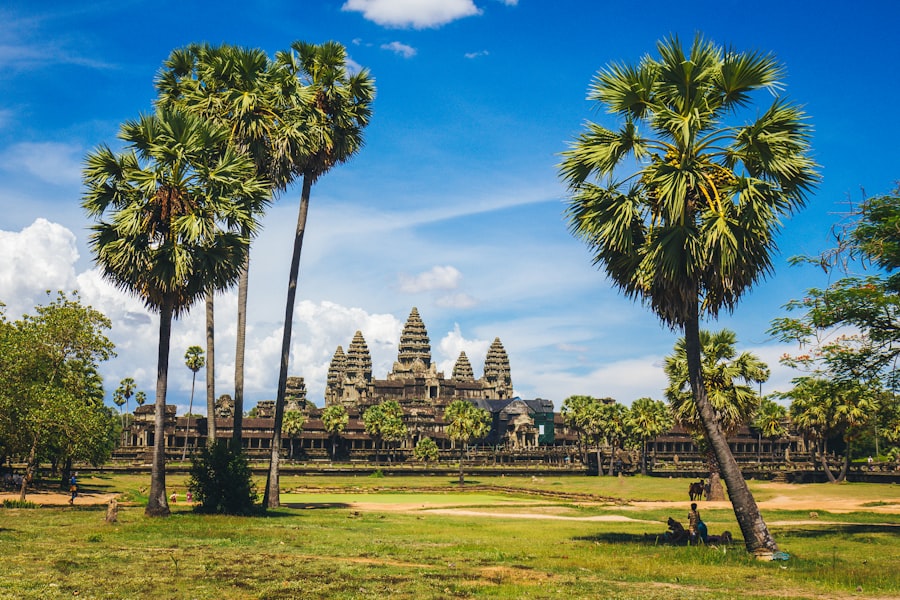
Commissioned by King Suryavarman II in the early 12th century, Angkor Wat stands as the largest religious monument in the world. Initially dedicated to Vishnu, the Hindu god of preservation, it later transitioned into a Buddhist temple. Its sheer scale, intricate bas-reliefs depicting epic narratives and scenes of daily life, and its sophisticated hydraulic engineering are a testament to the empire’s immense wealth, organizational capacity, and artistic prowess.
Imperial Expansion and Administration
The Khmer Empire was not merely a religious and architectural marvel; it was a formidable political and military power. Its reign extended over vast territories, encompassing much of modern-day Cambodia, Thailand, Laos, and Vietnam.
Military Might and Strategic Alliances
The empire’s expansion was fueled by a well-organized military and strategic alliances. The control of fertile agricultural land and vital trade routes provided the economic engine for its military endeavors. Overlords and tributaries were integrated into the empire, contributing resources and manpower.
The Hydraulic Kingdom: Mastering Water for Prosperity
A key to Angkor’s success was its sophisticated hydraulic system. A vast network of canals, reservoirs (barays), and aqueducts channeled water for agriculture, providing the surplus food necessary to support a large population and a massive workforce for temple construction. This mastery of water management, a feat of engineering for its time, was fundamental to the empire’s sustainability and prosperity.
The Golden Age: Flourishing Culture and Beliefs
The Angkorian period was a time of immense cultural richness, characterized by advancements in art, literature, and the syncretic blending of religious traditions. The empire’s spiritual landscape was complex and dynamic, reflecting the interplay of indigenous beliefs, Hinduism, and Buddhism.
Syncretism: A Tapestry of Faith
The Khmer rulers and populace embraced a fascinating blend of religious traditions. While Hinduism, particularly the worship of Shiva and Vishnu, held sway in the early centuries, Buddhism, in its various forms, also gained prominence. Temples often incorporated elements of both, and the iconography frequently depicted Hindu deities alongside Buddhist figures.
The Role of Shiva and Vishnu
Hinduism provided a rich pantheon of gods and goddesses that influenced Khmer art and cosmology. Shiva, the destroyer and transformer, and Vishnu, the preserver, were particularly important. Their worship was integrated into the devaraja cult, further solidifying the divine nature of kingship.
The Rise of Buddhism
Buddhism, with its emphasis on compassion and enlightenment, also deeply influenced Khmer society. The rise of Mahayana Buddhism, and later Theravada Buddhism, saw the construction of numerous monasteries and the veneration of Buddha images. This religious pluralism contributed to the dynamism and adaptability of Khmer civilization.
Artistic Expressions: Stone and Storytelling
The artistic achievements of Angkor are breathtaking. Beyond the grandeur of the temples, the empire produced exquisite sculptures, intricate carvings, and detailed bas-reliefs that offer invaluable insights into their beliefs, daily lives, and historical narratives.
The Bas-Reliefs of Angkor Wat
The bas-reliefs of Angkor Wat are a UNESCO World Heritage site in themselves. They depict scenes from the Ramayana and the Mahabharata, historical battles, processions, and daily life of the Khmer people. These detailed carvings served as both religious instruction and a visual chronicle of the empire’s glory.
Sculptural Masterpieces
Khmer sculpture is renowned for its elegance and power. From imposing statues of deities to delicate depictions of dancers and courtiers, the skill of Angkorian artisans is evident in every stone. The refinement of technique and the expressive qualities of these sculptures continue to awe viewers.
The Slow Decline: Seeds of Decay
Despite its immense power and cultural achievements, the Khmer Empire began to exhibit signs of decline from the 13th century onwards. Various factors, both internal and external, contributed to its gradual weakening and eventual collapse.
Internal Strains and Shifting Priorities
The enormous resources poured into temple construction and the maintenance of a vast empire inevitably placed a strain on the kingdom’s economy and populace. Internal political instability and the potential for over-centralization may have also played a role.
The Economic Burden of Grand Projects
The sheer scale of Angkor’s construction projects required immense labor and vast quantities of resources. Maintaining this infrastructure, alongside the military and administrative apparatus, could have led to economic exhaustion and resentment among the lower classes.
Succession Disputes and Political Fragmentation
As with many ancient empires, succession disputes among royal heirs could have led to internal conflicts and weakened central authority. The sheer size of the empire may have also made it difficult to maintain consistent control over distant provinces, leading to regional fragmentation.
External Pressures and Shifting Geopolitics
The rise of neighboring kingdoms and the changing geopolitical landscape also presented significant challenges to the Khmer Empire. The increasing power of Thai states, in particular, exerted constant pressure.
The Growing Power of Neighboring States
The emergence of powerful Thai kingdoms, such as Sukhothai and later Ayutthaya, posed a direct military threat to the Khmer Empire. These burgeoning states, fueled by their own ambitions and military innovations, began to chip away at Khmer territory and influence.
The Impact of the Siamese Invasions
The Siamese, as they were known to the Khmers, launched several devastating invasions. The sacking of Angkor in the 15th century is considered a significant turning point, marking the definitive end of the empire in its prime and leading to the eventual abandonment of the capital city.
The rise and fall of Angkor, a remarkable civilization that flourished in Southeast Asia, is a fascinating topic that highlights the complexities of power and societal structure. To gain deeper insights into how ancient elites maintained control over their societies, you can explore a related article that discusses the intricate relationship between power and knowledge in historical contexts. This exploration can provide a broader understanding of the factors that contributed to the eventual decline of great civilizations like Angkor. For more information, visit this article.
The Enigma of Abandonment: The Fall of Angkor
| Period | Event | Impact |
|---|---|---|
| 9th century | Founding of Angkor | Establishment of a powerful Khmer kingdom |
| 12th century | Peak of Angkor’s power | Construction of iconic temples like Angkor Wat |
| 14th century | Decline of Angkor | Due to environmental and political factors |
| 15th century | Abandonment of Angkor | Shift of power to Phnom Penh |
The “fall” of Angkor is not a single event but a complex process that culminated in the abandonment of the magnificent city as the imperial capital. The exact reasons for this grand exodus remain a subject of ongoing scholarly debate.
The Shift of Power and the Rise of Phnom Penh
Following the Siamese sack of Angkor, the Khmer capital was gradually relocated southwards, eventually settling in regions that would become modern-day Phnom Penh. This shift in power reflected both external pressures and a changing economic and strategic orientation.
The Strategic Advantages of the South
The southern regions may have offered better access to maritime trade routes and a more defensible position against Siamese incursions. The fertile Mekong Delta also provided a different but still significant agricultural base.
The Legacy of a Vanished Capital
While Angkor ceased to be the political and religious heart of the Khmer kingdom, its magnificent temples did not disappear. They remained sacred sites, gradually being reclaimed by the jungle and becoming the object of fascination and rediscovery by explorers and archaeologists in the 19th century.
Theories of Collapse: A Multifaceted Explanation
Scholars have proposed numerous theories to explain the decline and abandonment of Angkor, often emphasizing the interplay of several factors rather than a single cause.
Environmental Degradation and Climate Change
One prominent theory suggests that environmental factors played a significant role. Over-reliance on unsustainable agricultural practices, coupled with potential droughts and floods, may have led to resource depletion and societal stress.
The Role of Disease and Epizootics
The presence of endemic diseases and potential outbreaks of devastating epidemics could have also weakened the population and disrupted societal order, contributing to the empire’s decline.
Sociopolitical and Religious Transformations
Changes in religious practices, the decline of the devaraja cult, or shifts in the social hierarchy could have also contributed to the erosion of the empire’s foundations, making it more vulnerable to external pressures.
The story of Angkor is a compelling narrative of human ambition, spiritual devotion, and the inevitable cycles of rise and fall. The empire’s legacy endures in its breathtaking architecture, its rich cultural heritage, and the enduring mystery of its eventual decline. As we stand in awe of the colossal temples, we are reminded of the transient nature of power and the profound impact that even the greatest civilizations can have on the world.

The Machine That Kept Angkor Alive
FAQs
What is Angkor?
Angkor was a powerful and influential ancient city in the Khmer Empire, located in present-day Cambodia. It was the capital of the empire from the 9th to the 15th centuries.
What led to the rise of Angkor?
The rise of Angkor can be attributed to the Khmer Empire’s strong agricultural system, advanced infrastructure, and strategic military power. The empire’s ability to control water resources through a sophisticated irrigation system also contributed to its prosperity.
What caused the fall of Angkor?
The fall of Angkor is believed to have been caused by a combination of factors, including environmental degradation, prolonged drought, and the sacking of the city by neighboring kingdoms. Additionally, internal strife and political instability within the Khmer Empire also played a role in its decline.
What is the significance of Angkor?
Angkor is significant for its impressive architectural and artistic achievements, including the iconic Angkor Wat temple complex. It also played a crucial role in the development of Khmer culture, religion, and art, leaving a lasting impact on Southeast Asian history.
How is Angkor preserved and celebrated today?
Today, Angkor is a UNESCO World Heritage site and a major tourist destination. Efforts are being made to preserve and protect the remaining temples and structures within the Angkor Archaeological Park. The annual Angkor Sangkran festival is also celebrated to honor the cultural heritage of the ancient city.