The Aralkum Desert: A Documentary on the World’s Newest Desert
The vast, stark expanse of the Aralkum Desert is a stark testament to human intervention, a relatively new scar on the face of our planet. This man-made desert, born from the catastrophic shrinking of the Aral Sea, has become the subject of compelling documentaries that aim to educate and horrify viewers about the consequences of ecological mismanagement. These films delve into the history of this unprecedented environmental disaster, exploring the profound impact on the local populations, the devastated ecosystems, and the broader implications for global climate and human resilience.
The Aralkum Desert did not exist as a distinct geographical entity until the latter half of the 20th century. Its genesis is intrinsically linked to the fate of the Aral Sea, once one of the four largest lakes in the world, straddling the border between Kazakhstan and Uzbekistan. For millennia, this vast inland sea was a vibrant ecosystem, supporting abundant fish populations and a thriving regional economy. Its waters, fed by the Amu Darya and Syr Darya rivers, nurtured fertile deltas and supported a diverse array of flora and fauna.
The Soviet Grand Plan and its Unforeseen Consequences
The mid-20th century marked a turning point. The Soviet Union, driven by ambitious agricultural development plans, embarked on a massive irrigation project. The goal was to transform the arid Central Asian plains into vast cotton fields, a lucrative crop for export. To achieve this, an intricate network of canals was constructed, diverting the waters of the Amu Darya and Syr Darya away from their natural course into the Aral Sea. Documentaries often feature archival footage of these ambitious engineering feats, showcasing the scale of the undertaking and the optimistic pronouncements of Soviet planners. However, the underlying assumption—that the Aral Sea was an inexhaustible water source—proved tragically flawed.
The Rivers Diverted: A Slow Draining of Life
The sheer volume of water channeled away from the rivers was immense. The intricate canal systems, often poorly constructed and prone to leakage, siphoned off an estimated 90% of the inflow to the Aral Sea by the late 20th century. This systematic diversion meant that the natural replenishment of the sea was drastically reduced, while evaporation continued at its usual rate. The consequences were not immediate but insidious, a slow, inexorable drain that would ultimately lead to the sea’s dramatic decline.
The Vanishing Act: A Dramatic Environmental Collapse
As the water levels plummeted, the Aral Sea began to shrink at an alarming rate. The once-vast expanse of water fractured into smaller, more saline bodies, leaving behind a vast, exposed seabed. Documentaries meticulously chart this decline through satellite imagery, starkly illustrating the shrinking shoreline and the emergence of the Aralkum Desert. The transformation was breathtaking in its speed and devastating in its scope. Within decades, what was once a flourishing maritime region became an arid wasteland.
The Salt and Sandstorms: A New, Lethal Reality
The exposed seabed, rich in accumulated salts, pesticides, and industrial pollutants from agricultural runoff, became a source of a new and formidable threat. Wind erosion picked up these toxic particles, creating massive, black dust storms that swept across the region. These “black blizzards” carried a cocktail of harmful substances, contaminating agricultural land, posing severe health risks to local populations, and even impacting weather patterns far beyond the immediate vicinity. Documentaries often feature harrowing accounts from locals who have witnessed and suffered the effects of these storms, their memories tinged with the acrid taste of salt and the fear of respiratory illness.
The Aralkum Desert, once part of the Aral Sea, has become a poignant symbol of environmental degradation and the consequences of human intervention. For those interested in exploring the intricate relationship between nature and human craftsmanship, a related article on the art of creating Damascus steel can be found at this link. This article delves into the traditional techniques and cultural significance of Damascus steel, highlighting how human artistry can both shape and be shaped by the natural world, much like the transformation of the Aral Sea into the Aralkum Desert.
Life in the Wake of the Sea: The Human Cost of the Aralkum
The creation of the Aralkum Desert has had a profound and devastating impact on the human communities that once thrived on the shores of the Aral Sea. Fishing villages were abandoned, livelihoods were destroyed, and a once-vibrant culture was pushed to the brink of collapse. Documentaries offer a poignant and often heartbreaking look at the human face of this environmental catastrophe.
The Fishermen’s Lament: Lost Livelihoods and Empty Ports
For generations, the Aral Sea was the lifeblood of numerous communities. Fishing was not merely an occupation; it was a way of life, deeply woven into the cultural fabric of the region. Documentaries showcase the poignant stories of former fishermen, their hands calloused from nets that no longer catch fish, their eyes gazing out at a horizon that no longer holds the promise of a bountiful catch. They recount the days when their boats returned laden with fish, and the despair that set in as the sea receded, taking their livelihoods with it. The abandoned fishing ports, now miles from the nearest water, stand as silent monuments to this lost prosperity.
Empty Nets, Empty Bellies: The Struggle for Survival
The economic ramifications were immediate and severe. With the collapse of the fishing industry, unemployment soared, and poverty became endemic. Communities that had once prospered found themselves struggling for basic necessities. Documentaries highlight the ingenuity and resilience of these communities, as they attempt to adapt to their new reality, often turning to less sustainable or more arduous forms of subsistence farming or migration. The loss of the sea meant not just economic hardship but a profound loss of identity and purpose.
Health Crisis: The Toxic Legacy of the Exposed Seabed
The health consequences of the Aralkum Desert have been equally devastating. The toxic dust storms, laden with pesticides, fertilizers, and salt, have led to a dramatic increase in respiratory illnesses, cancers, and birth defects in the affected populations. Documentaries often feature interviews with doctors and public health officials who bear witness to the mounting health crisis, describing the alarming rates of diseases like tuberculosis and throat cancer. The long-term effects of exposure to these contaminants are still being studied, but the immediate impact on the health and well-being of the people living in the shadow of the Aralkum is undeniable.
A Legacy of Illness: Generations Scarred by Pollution
The health problems are not confined to the current generation. Children born in the region are often born with or develop health issues linked to environmental contamination. Documentaries portray the heartbreaking reality of families struggling to care for sick children, their meager resources stretched thin by the constant battle against illness. This is a legacy of environmental damage that will continue to affect generations to come, a stark reminder of the long-term costs of ecological negligence.
The Aralkum’s Ecological Devastation: A Landscape Transformed
The creation of the Aralkum Desert has resulted in a catastrophic loss of biodiversity and a radical alteration of the regional ecosystem. The delicate balance of life that once flourished around the Aral Sea has been irrevocably disrupted. Documentaries often employ stunning, yet somber, cinematography to capture the stark beauty and profound emptiness of this transformed landscape.
The Loss of Biodiversity: A Silent Extinction
The Aral Sea was once a rich ecosystem, home to a diverse array of marine life, including numerous species of fish, as well as a wealth of bird and mammal species that relied on the sea and its deltas for sustenance. Documentaries highlight the tragic extinction of many of these species, their habitats vanishing with the receding waters. The salt-tolerant plants that now dominate the landscape are a poor substitute for the lush vegetation that once characterized the deltas.
Ghosts of the Past: Echoes of a Lost Natural Heritage
The films often feature poignant moments where scientists or older residents recall the abundance of life that once existed. They speak of the vibrant colors of the fish, the calls of countless birds, and the rich diversity of plant life. These memories serve as a stark contrast to the current desolation, a mournful elegy for a lost natural heritage. The remaining pockets of life, often clinging to survival in the remnants of the deltas, serve as a fragile testament to what was.
Climate Change and the Aralkum: A Microcosm of Global Challenges
The Aralkum Desert is not just a local tragedy; it is a microcosm of the larger environmental challenges facing our planet. The creation of such a vast arid region has had a demonstrable impact on regional climate patterns, exacerbating existing issues and creating new ones. Documentaries often connect the Aralkum’s plight to the broader discussions surrounding climate change and the urgent need for sustainable environmental practices.
Shifting Weather Patterns: A Warmer, Drier Future
The absence of the vast body of water that once regulated temperature has led to more extreme weather conditions. Winters are colder, and summers are hotter. The humidity has decreased, leading to increased aridity. The dust storms themselves can also impact atmospheric conditions, potentially influencing cloud formation and precipitation patterns, though the full extent of these effects is still under investigation. Documentaries aim to illustrate how local environmental disasters can have far-reaching climatic consequences.
Efforts at Reclamation and the Future of the Aralkum
Despite the overwhelming scale of the disaster, there have been efforts, both large and small, to reclaim parts of the Aralkum and mitigate its devastating effects. These efforts, though often facing significant challenges, offer glimmers of hope and underscore the enduring human capacity for problem-solving and environmental stewardship. Documentaries explore these initiatives, showcasing both their successes and their limitations.
The Northern Aral Sea Project: A Partial Recovery
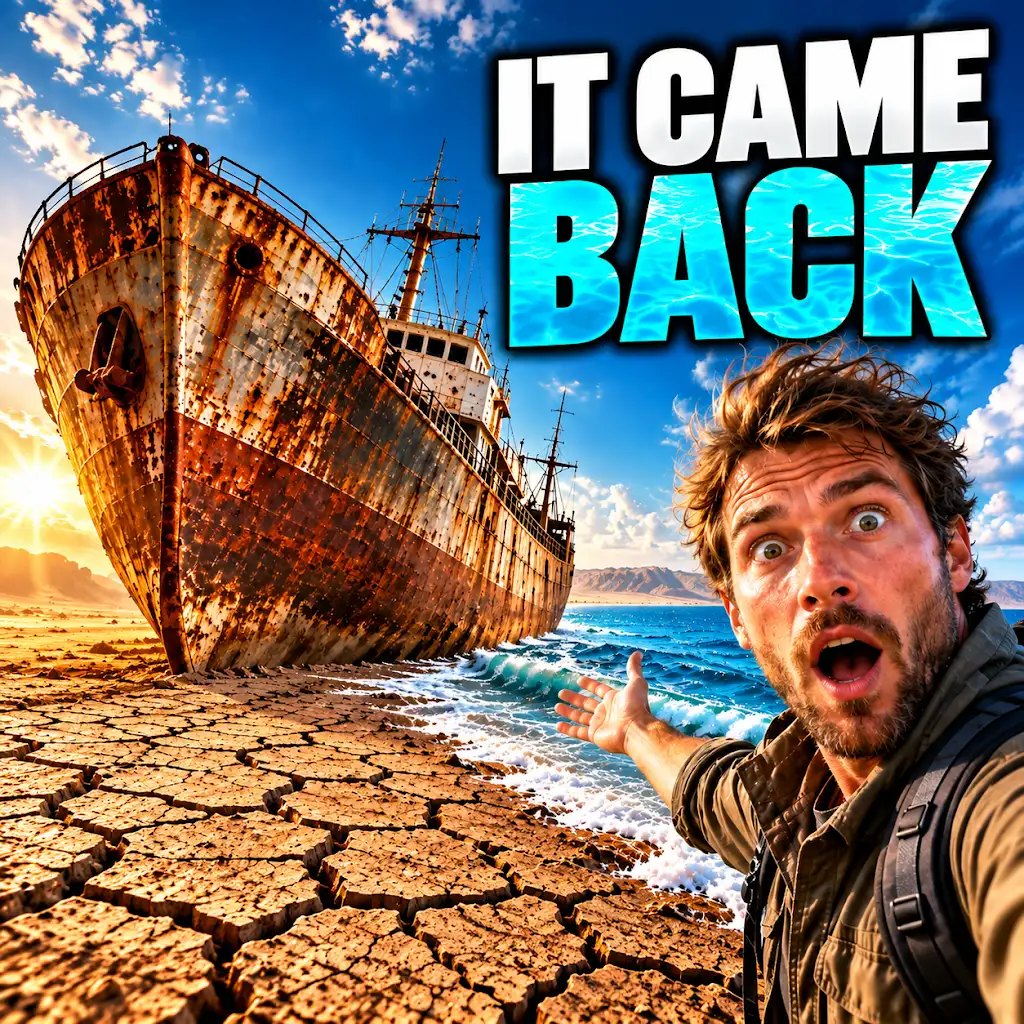
One of the most significant reclamation efforts has been focused on the Northern Aral Sea in Kazakhstan. A dam, the Kok-Aral Dam, was constructed in 2005 to separate the smaller Northern Aral from the more severely affected Southern Aral. This project has shown remarkable success in partially refilling the Northern Aral Sea, leading to a significant increase in water levels, a reduction in salinity, and a return of some fish populations. Documentaries often feature footage of the dam’s construction and the gradual return of life to the Northern Aral, a powerful visual representation of what can be achieved with dedicated effort.
Signs of Hope: The Return of Fish and Birds
The refilling of the Northern Aral has brought tangible improvements. Fish stocks have begun to recover, allowing for a limited return of commercial fishing. Birdlife has also started to return to the region, a welcome sign of ecological regeneration. While the Southern Aral remains largely a desert, the success in the north provides a crucial case study and a source of optimism for future environmental restoration projects.
Scientific Research and Innovation: Learning from the Disaster
Scientists and researchers are continually studying the Aralkum Desert, seeking to understand its complex dynamics and develop innovative solutions for its challenges. These efforts range from developing drought-resistant crops and improving water management techniques to exploring methods for stabilizing the toxic soils and mitigating the impact of dust storms. Documentaries often highlight the work of these dedicated individuals, showcasing their commitment to finding answers and their pursuit of a more sustainable future.
Technological Solutions and Community-Based Approaches
The film might explore various technological interventions, such as the use of windbreaks to combat erosion or advanced water purification systems. Equally important, however, are the community-based approaches, where local populations are actively involved in restoration efforts, drawing on their traditional knowledge and their deep connection to the land. The emphasis is on finding solutions that are both scientifically sound and culturally appropriate.
The Aralkum Desert, a stark reminder of environmental degradation, has drawn attention not only for its ecological implications but also for its socio-economic impact on the surrounding communities. In a related article, the evolving dynamics of global trade and its influence on local economies are explored, shedding light on how regions like the Aralkum Desert are affected by broader economic trends. For a deeper understanding of these connections, you can read more about it in this insightful piece on Mexico’s growing role in global trade here.
The Aralkum’s Enduring Legacy: Lessons for a Sustainable Future
| Metric | Details |
|---|---|
| Title | Aralkum Desert Documentary |
| Subject | Environmental impact and transformation of the Aral Sea into the Aralkum Desert |
| Location | Aral Sea region, Central Asia |
| Duration | Approximately 45 minutes |
| Release Year | Varies by production, commonly around 2010-2020 |
| Key Topics | Desertification, ecological disaster, climate change, human impact |
| Filming Techniques | Drone footage, satellite imagery, interviews with locals and experts |
| Languages | English (with subtitles available in multiple languages) |
| Audience | Environmentalists, students, general public interested in ecology and geography |
The Aralkum Desert stands as a stark and enduring monument to the destructive potential of unchecked human ambition and the profound consequences of ecological neglect. The documentaries that explore this man-made desert serve as critical educational tools, offering vital lessons for navigating the complex environmental challenges of our time.
A Cautionary Tale for the Anthropocene: The Dangers of Hubris
The story of the Aral Sea is a powerful cautionary tale about the dangers of human hubris and the mistaken belief that we can fundamentally alter natural systems without severe repercussions. The Soviet ambition to control nature for economic gain ultimately led to its devastation. Documentaries aim to impart this crucial lesson, urging viewers to approach environmental management with humility and a deep respect for the interconnectedness of ecosystems.
The Interdependence of Humanity and Nature: A Vital Realization
The Aralkum serves as a potent reminder that human well-being is intrinsically linked to the health of the environment. When we damage natural systems, we inevitably harm ourselves. The documentaries emphasize this interdependence, highlighting how the pursuit of short-term economic gains can lead to long-term environmental and human suffering. Understanding this connection is paramount for fostering a more sustainable and responsible relationship with our planet.
The Imperative of Global Cooperation: Addressing Transboundary Environmental Issues
The Aral Sea disaster underscores the need for international cooperation in addressing transboundary environmental issues. The decisions made by one nation can have profound impacts on its neighbors and on the global environment. Documentaries often call for a more collaborative approach to resource management, emphasizing the importance of shared responsibility and coordinated action to prevent similar ecological catastrophes from occurring in the future.
Shared Responsibility, Shared Future: Building a Sustainable World
The challenges presented by the Aralkum Desert, and by environmental degradation globally, are too vast to be tackled in isolation. The films advocate for a shift towards a global perspective, where nations work together to protect shared resources and build a more sustainable future for all. The lessons learned from the Aralkum’s transformation from a thriving sea to a desolate desert are not just for Central Asia; they are for the entire world, a stark warning and a powerful call to action. The Aralkum Desert, a desert born of water’s absence, stands as a silent witness to the urgent need for a more responsible and sustainable stewardship of our planet.
A Dam Brought the Aral Sea Back—But Only Part of It
FAQs
What is the Aralkum Desert?
The Aralkum Desert is a man-made desert that formed as a result of the shrinking of the Aral Sea in Central Asia due to irrigation projects diverting water from its tributary rivers.
What is the focus of the Aralkum Desert documentary?
The Aralkum Desert documentary sheds light on the environmental and human impact of the shrinking of the Aral Sea, exploring the consequences of the ecological disaster on the surrounding communities and wildlife.
Who produced the Aralkum Desert documentary?
The Aralkum Desert documentary was produced by a team of filmmakers and environmentalists who aimed to raise awareness about the environmental degradation caused by the shrinking of the Aral Sea.
What are some key themes covered in the Aralkum Desert documentary?
Some key themes covered in the Aralkum Desert documentary include environmental degradation, water scarcity, desertification, loss of biodiversity, and the socio-economic challenges faced by the communities living in the region.
Where can I watch the Aralkum Desert documentary?
The Aralkum Desert documentary may be available for viewing on streaming platforms, environmental film festivals, or through the production team’s website or social media channels.