
The vast, shimmering expanse of the Aral Sea was once a jewel of Central Asia, a vital lifeline for millions and a thriving hub of life. Its waters teemed with fish, its shores bustled with prosperous communities, and its very existence shaped the climate and culture of the region. For millennia, the Aral Sea was a constant, a testament to the enduring power of nature. This article will explore the Aral Sea’s vibrant past, the devastating environmental crisis that befell it, and the lingering consequences that continue to shape the lives of those who call its former shores home.
The Aral Sea, one of the largest inland bodies of water on Earth, was a marvel of natural abundance. Fed by two mighty rivers, the Amu Darya and the Syr Darya, it supported a complex and thriving ecosystem.
A Rich Ecosystem and Abundant Fisheries
The Aral Sea was renowned for its exceptional biodiversity. Its saline waters, though significant, were not a deterrent to a vibrant array of marine life.
Diverse Ichthyofauna
Numerous species of fish called the Aral Sea home, providing sustenance and economic opportunity. Sturgeon, carp, and various species of anchovies were particularly abundant. The sea was a critical breeding ground for many of these species, contributing to their populations in surrounding waters as well. Scientists estimate that the Aral Sea’s fisheries produced over 40,000 tons of fish annually in its heyday. This was not a small feat, considering its geographical isolation. The rich nutrients carried by the Amu Darya and Syr Darya, coupled with the unique salinity of the Aral, created an environment perfectly suited for these aquatic inhabitants.
Birdlife and Other Wildlife
The shores of the Aral Sea were a haven for a vast array of birdlife. Migratory birds from across continents found refuge and sustenance in the wetlands and marshlands that fringed the sea. Reed beds provided nesting grounds for ducks, geese, flamingos, and numerous other species. The abundance of fish supported a healthy population of fish-eating birds, including pelicans and cormorants. Beyond avian life, the surrounding areas also supported unique terrestrial wildlife adapted to the arid climate, drawn to the sea’s influence for water and food.
Prosperous Coastal Communities and Thriving Economies
The Aral Sea was not merely an ecological wonder; it was the heart of a thriving human civilization. Coastal towns and cities flourished, built upon the bounty of the sea.
Fishing Villages and Port Cities
Towns like Aralsk, Muynak, and Qyzylorda were vibrant centers of commerce and daily life. Aralsk, in particular, was a significant port city, its harbor bustling with fishing vessels and trade. The fishing industry provided employment for thousands, from fishermen casting their nets to factory workers processing the catch for local consumption and export. The economy was deeply intertwined with the sea’s productivity, creating a stable and prosperous existence for its inhabitants.
Agricultural Support and Climate Regulation
The Aral Sea played a crucial role in regulating the region’s climate. Its vast expanse moderated temperatures, making the summers less scorching and the winters less severe than in surrounding desert areas. This climatic influence also benefited agriculture in the vicinity, allowing for more consistent crop yields. The moisture from the sea contributed to higher humidity levels, which was essential for the successful cultivation of cotton, fruits, and vegetables. The symbiotic relationship between the Aral Sea and its surrounding environment was a testament to ecological balance.
The Syr Darya and Amu Darya: Lifelines of the Aral Sea
The existence of the Aral Sea was entirely dependent on the steady flow of its two principal tributaries: the Syr Darya and the Amu Darya.
Ancient Waterways and Hydrological Significance
These rivers, originating in the distant Pamir and Tian Shan mountains, carried meltwater and sediment, replenishing the Aral Sea with fresh water and nutrients. Their complex river systems were vital arteries, not only for the Aral Sea but also for the vast agricultural lands that depended on their waters. For centuries, their flow was relatively consistent, sustaining the delicate equilibrium of the Aral ecosystem. The historical understanding of these rivers was deeply ingrained in the culture and traditions of the region.
The town of Aralsk, once a thriving fishing community on the shores of the Aral Sea, has faced significant environmental challenges due to the drastic reduction of the sea’s water levels. This transformation has not only impacted the local economy but has also raised concerns about resource management and sustainability in similar regions. For those interested in exploring innovative solutions to resource scarcity, a related article discusses the potential of in-situ resource utilization (ISRU) technology, which can be pivotal in maximizing resources in challenging environments. You can read more about this topic in the article found here: Maximizing Resources with ISRU Technology.
The Seeds of Destruction: The Soviet Irrigation Project
The mid-20th century marked a turning point for the Aral Sea, as ambitious Soviet plans for agricultural expansion began to divert the lifeblood of the ecosystem.
The Grand Vision of Cotton Cultivation
Driven by a desire to boost agricultural output and achieve self-sufficiency, the Soviet government embarked on a massive irrigation project in the arid Central Asian republics.
Ideological Imperatives and Economic Goals
The ideological fervor of the Soviet era emphasized the transformation of nature for the benefit of humankind. The vast cotton fields of Turkmenistan and Uzbekistan became a symbol of this ambition. Cotton was a valuable commodity, and the Soviet Union aimed to become a leading global producer. This pursuit of economic gain, however, came at an unsustainable cost to the Aral Sea. The planners believed they could harness the power of nature to their will, with little regard for the long-term consequences.
Engineering the Landscape
To support these vast cotton plantations, an intricate network of canals, dams, and reservoirs was constructed. The Karakum Canal, one of the longest irrigation canals in the world, was a flagship project, designed to bring water from the Amu Darya to the cotton fields. The scale of this engineering undertaking was unprecedented, fundamentally altering the natural hydrology of the region. The primary goal was to provide water for irrigation, but the methods employed were inherently wasteful.
The town of Aralsk, once a bustling fishing hub on the shores of the Aral Sea, has faced significant challenges due to the drastic shrinkage of the sea over the past few decades. This environmental disaster has not only impacted the local economy but has also transformed the landscape and the lives of its residents. For those interested in historical maps and their implications on geography, a fascinating article discusses the Piri Reis map and its source documents, shedding light on how ancient navigational tools can provide insights into changing coastlines and ecosystems. You can read more about it in this related article. As Aralsk continues to adapt to its new reality, the lessons learned from such historical documents become increasingly relevant.
Diversion of the Amu Darya and Syr Darya
The construction and operation of these irrigation systems led to the drastic reduction in water flow reaching the Aral Sea.
The Thirsty Fields
Vast quantities of water were siphoned off from the Amu Darya and Syr Darya to irrigate millions of hectares of cotton, rice, and other crops. Much of this water was lost through evaporation and seepage in poorly constructed and unlined canals. The once mighty rivers, particularly during their lower reaches, began to shrink, their waters disappearing into the parched earth before reaching their destination. The efficiency of irrigation was extremely low, meaning more water was used than was truly necessary to achieve the desired agricultural output.
Unforeseen Consequences
The impact of these diversions was not immediately apparent to the planners, who operated under the assumption of limitless water resources. The gradual decline of the Aral Sea went largely unnoticed or unheeded in the pursuit of agricultural targets. The scale of the problem was insidious, creeping up on the ecosystem and its inhabitants over decades.
The Aral Sea Catastrophe: A Landscape Transformed

The relentless diversion of water had a catastrophic effect on the Aral Sea, transforming a vibrant ecosystem into a stark and desolate landscape.
The Shrinking Sea: A Visual Metamorphosis
The most immediate and dramatic consequence of the environmental crisis was the dramatic shrinking of the Aral Sea.
Retreating Shorelines and Exposed Seabed
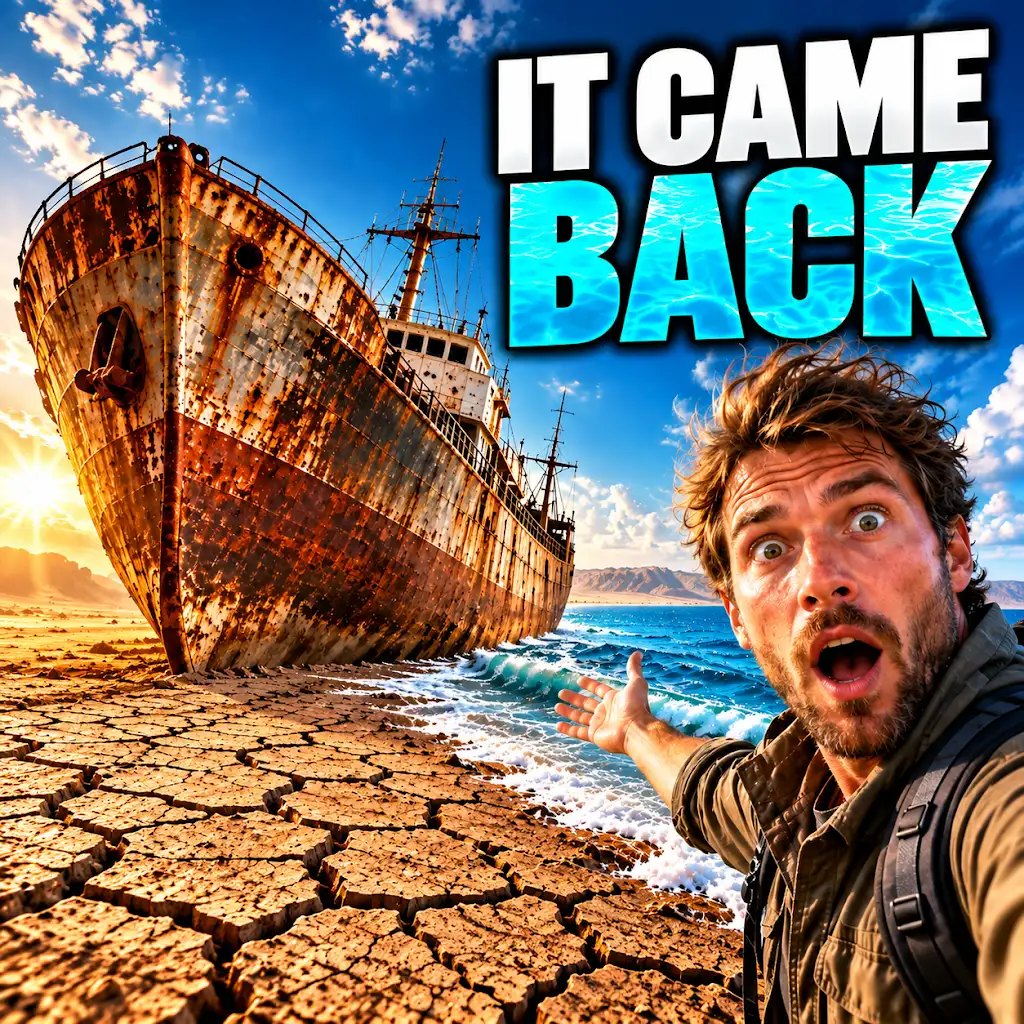
Over the decades, the Aral Sea lost an estimated 90% of its volume. The shorelines retreated miles, leaving behind vast expanses of dry, cracked earth. Once bustling ports were left stranded, their ships resting on the sand like forgotten relics of a bygone era. The visual impact of this retreat was profound, a stark testament to the ecological devastation. Entire communities that had thrived on the sea’s edge found themselves marooned inland.
The South Aral and North Aral: A Divergent Fate
The Aral Sea eventually split into two distinct bodies: the larger, more saline South Aral Sea and the smaller, relatively fresher North Aral Sea. The South Aral, receiving minimal inflow, continued to shrink at an alarming rate. The North Aral, while also severely diminished, benefited from some efforts to restore its water levels. This division marked a critical point in the sea’s decline, highlighting the differential impacts of the ongoing crisis.
The Salt Disaster: Toxic Dust Storms and Health Impacts
As the Aral Sea dried up, the exposed seabed released a toxic cocktail of salt, sand, and agricultural chemicals into the atmosphere.
Arid Deserts and Poisonous Dust
The dried seabed, a vast desert of salt and sand, became a source of increasingly frequent and powerful dust storms. These storms, carrying fine particles of toxic chemicals – pesticides, herbicides, and industrial pollutants – swept across the region, contaminating land, water, and air. The once fertile lands surrounding the sea became barren and unproductive, buried under layers of salt and sand. These storms were not just an inconvenience; they were a significant environmental hazard.
Health Crisis and Societal Strain
The consequences of these toxic dust storms on human health were devastating. Respiratory illnesses, particularly among children and the elderly, became rampant. Cancers, birth defects, and other health problems were linked to the exposure to these airborne toxins. The once vibrant communities suffered not only economically but also physically and psychologically, grappling with a pervasive sense of loss and ill health. The strain on healthcare systems and the overall well-being of the population was immense.
The Ecological Collapse: Loss of Biodiversity and Food Chains
The Aral Sea’s ecosystem underwent a catastrophic collapse, leading to a profound loss of biodiversity and the disruption of food chains.
Extinction and Endangerment
The drastic changes in salinity, temperature, and water volume led to the decimation of fish populations. Many species that were once abundant, including endemic varieties, went extinct. The entire aquatic food web was disrupted, impacting the birdlife and other animals that depended on the sea for survival. The loss was not just numerical; it represented a permanent erasure of unique evolutionary lineages.
Habitat Destruction and Desertification
The surrounding wetlands and marshlands, vital for migratory birds and a variety of terrestrial species, also disappeared. The desertification process accelerated, transforming formerly productive landscapes into inhospitable wastelands. The natural buffer provided by the Aral Sea’s moisture was gone, exacerbating the arid conditions of the region. The interconnectedness of the Aral ecosystem meant that the loss of the sea had cascading effects across the entire environment.
The Lingering Scars: Contemporary Challenges and Efforts at Recovery

Decades after the peak of the Aral Sea crisis, the region continues to grapple with its devastating legacy, while also pursuing modest efforts towards recovery.
The Human Toll: Displacement and Economic Hardship
The environmental catastrophe forced a mass exodus from the former coastal communities, leaving behind a legacy of displacement and economic hardship.
Abandoned Towns and Migrant Populations
Many towns and villages that once thrived on the Aral Sea’s shores are now ghost towns, their populations dispersed to other areas in search of work and a better life. Those who remain often face chronic unemployment, poverty, and limited access to essential resources. The social fabric of these communities has been torn apart, with generations of history and culture lost. The sense of loss is palpable in these abandoned settlements.
Healthcare and Social Issues
The ongoing health problems stemming from the toxic dust storms continue to plague the remaining populations. Access to adequate healthcare remains a significant challenge, particularly in remote and impoverished areas. The psychological impact of witnessing such profound environmental degradation and its consequences on their lives adds another layer of suffering.
Efforts Towards Restoration: A Glimmer of Hope
Despite the overwhelming challenges, there have been concerted efforts, particularly in Kazakhstan, to partially restore the Aral Sea.
The Kok-Aral Dam Project
A significant initiative has been the construction of the Kok-Aral Dam, which has helped to separate the smaller North Aral Sea from the more saline South Aral. This project, completed in 2005, has led to a noticeable increase in the water level and a decrease in salinity in the North Aral.
Reviving Fisheries and Ecosystems
The improved conditions in the North Aral have allowed for the reintroduction of some fish species, and local fishing activities have seen a modest revival. This has provided a much-needed economic boost to the surrounding communities. The dam has also helped to revitalize some of the surrounding wetlands, attracting birdlife back to the area. While a full restoration of the Aral Sea is not feasible, these efforts represent a significant achievement.
The Broader Implications: Lessons for the World
The Aral Sea tragedy serves as a stark warning about the devastating consequences of unsustainable water management and environmental exploitation.
A Global Environmental Lesson
The Aral Sea crisis is a potent case study in the fragility of ecosystems and the interconnectedness of human actions and environmental outcomes. It highlights the dangers of prioritizing short-term economic gains over long-term ecological sustainability. The lessons learned from the Aral Sea have resonated globally, influencing discussions on water resource management and environmental protection.
The Future of Water Resources
As the world faces increasing water scarcity and the impacts of climate change, the Aral Sea’s story underscores the urgent need for responsible stewardship of water resources. It emphasizes the importance of international cooperation, scientific understanding, and a fundamental shift in our relationship with the natural world. The future of water, and indeed of civilization, depends on heeding these vital lessons.
The Aral Sea, once a vibrant blue heart of Central Asia, is now a testament to both human ambition and ecological vulnerability. While the scars of its demise remain deep, the partial recovery of the North Aral offers a fragile glimmer of hope, a reminder that even in the face of profound environmental disaster, resilience and restoration are possible. The story of the Aral Sea is a profound and enduring narrative, one that continues to inform and challenge our understanding of our planet and our role within it.
A Dam Brought the Aral Sea Back—But Only Part of It
FAQs
What is the Aral Sea?
The Aral Sea was once one of the four largest lakes in the world, located in Central Asia between Kazakhstan and Uzbekistan.
What caused the decline of the Aral Sea?
The decline of the Aral Sea was primarily caused by the diversion of water from the two rivers that fed it, the Amu Darya and the Syr Darya, for irrigation purposes in the 1960s.
How has the Aral Sea changed over time?
Before the 1960s, the Aral Sea was a thriving ecosystem with abundant fish and wildlife. However, due to the diversion of water, the sea began to shrink rapidly, leading to a significant decrease in its size and volume.
What are the environmental consequences of the shrinking Aral Sea?
The shrinking of the Aral Sea has led to a range of environmental consequences, including the exposure of toxic chemicals and pesticides in the exposed seabed, the loss of biodiversity, and the disruption of local ecosystems.
What efforts have been made to address the issues surrounding the Aral Sea?
Efforts to address the issues surrounding the Aral Sea have included the construction of dams and canals to redirect water flow, as well as international collaborations to restore the sea’s ecosystem and improve the livelihoods of local communities.