The Unveiling of a Frozen Past: Glacial Archaeology’s Emerging Narratives
The vast, seemingly barren expanses of glacial regions, once considered devoid of significant human history, are increasingly revealing their secrets. Through meticulous and often arduous archaeological excavations, scientists are piecing together compelling narratives of human adaptation, resourcefulness, and cultural exchange in these challenging environments. These frozen landscapes, acting as natural time capsules, preserve organic materials and even human remains with an unparalleled fidelity, offering unique insights that might be lost to decay in warmer climates. The study of glacial regions is not merely about discovering ancient artifacts; it is about understanding the resilience of human societies and their intricate relationship with some of the planet’s most extreme terrains.
The challenges inherent in glacial archaeology are manifold. The sheer remoteness and inhospitable nature of these sites demand specialized equipment and extensive planning. Excavations often take place under conditions of extreme cold, requiring specialized protective gear and careful consideration of permafrost and ice dynamics. The preservation of artifacts, while often excellent, can also present unique conservation challenges once materials are exposed to different atmospheric conditions. Despite these hurdles, the rewards are immense. Each discovery, from a fragment of ancient clothing to a meticulously crafted tool, contributes to a richer, more nuanced understanding of human history, pushing the boundaries of our knowledge about how our ancestors navigated and thrived in environments we might now deem uninhabitable.
Recent archaeological excavations in glacial regions have revealed significant insights into ancient human adaptations to changing climates. These findings underscore the importance of understanding how past societies responded to environmental stressors, which can inform current discussions on climate resilience. For a deeper exploration of how fragile states navigate challenges posed by climate change and other factors, you can read the article here: Fragile States: A Global Challenge.
Echoes from the Ice Age: Early Human Encounters with Glacial Landscapes

The earliest chapters of glacial archaeology focus on the tenacious presence of Paleolithic hunter-gatherers who ventured into regions shaped by immense ice sheets. These intrepid individuals, driven by necessity or curiosity, adapted to a world vastly different from our own, a world dominated by ice, tundra, and megafauna. The evidence unearthed from these ancient periods speaks volumes about their survival strategies, their technological innovations, and their profound understanding of their surroundings.
Hunting Strategies and Toolkits of Glacial Nomads
The lithic assemblages recovered from glacial contexts provide a tangible link to the hunting strategies employed by these early inhabitants. Points of spears, designed for bringing down large game like mammoths and woolly rhinoceros, are frequently found. The craftsmanship evident in these tools, the selection of specific stone types, and the techniques of knapping demonstrate a sophisticated understanding of material properties and projectile ballistics. Beyond projectile points, scrapers and blades made from flint and obsidian were essential for butchering carcasses, preparing hides, and crafting other necessary implements. The spatial distribution of these tools at excavation sites can offer clues about the migratory patterns of both humans and their prey, painting a picture of nomadic life dictated by the seasonal availability of resources.
Evidence of Shelter and Fire in a Frozen World
While permanent settlements were rare in the dynamic glacial environment, archaeological findings offer glimpses into the temporary shelters constructed by these early peoples. Hearths, often found at protected locations such as caves or rock overhangs, are key indicators of human presence. The presence of fire, evidenced by charcoal and burnt stones, was crucial for warmth, cooking, and protection from predators. Analysis of faunal remains found in association with these hearths can reveal dietary staples and provide insights into the hunting successes and failures of these groups. The recovery of bone and antler fragments, often worked into awls, needles, or harpoons, further underscores their resourcefulness in utilizing every part of their kill.
The Long Haul: Post-Glacial Adaptation and Human Ingenuity
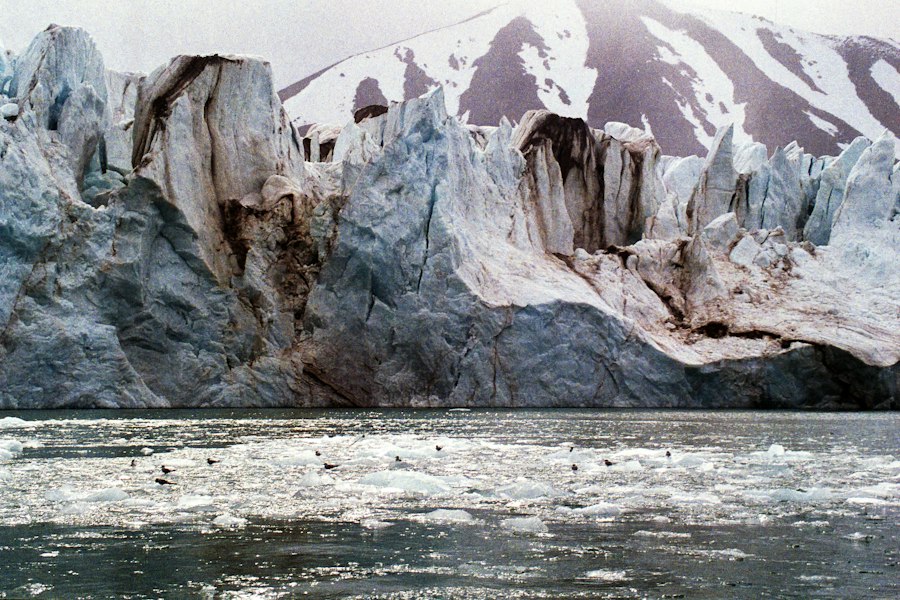
As the great ice sheets receded, the landscapes transformed, presenting new challenges and opportunities for human populations. Glacial regions, though still demanding, began to support different flora and fauna, leading to shifts in subsistence strategies and cultural practices. The archaeological record from these later periods showcases a remarkable capacity for adaptation and innovation.
Resource Management and the Dawn of Sedentism
The Mesolithic and Neolithic periods in glacial regions often reveal a more settled existence, albeit still closely tied to the natural environment. The development of more efficient fishing techniques, evidenced by bone hooks and net sinkers, became crucial as rivers and lakes thawed and became more accessible. The exploitation of marine resources in coastal glacial areas also emerges as a significant subsistence strategy. Furthermore, evidence of early forms of plant gathering and potentially rudimentary agriculture in more sheltered valleys suggests a move towards diversified resource management. The clustering of hearths and tool-making debris at certain locations points towards semi-permanent camps, hinting at the early stages of sedentism, where groups might have returned to specific areas seasonally.
Artistic Expressions and Spiritual Beliefs Carved in Stone and Bone
The cultural life of post-glacial communities is illuminated through their artistic creations. Carvings on bone and antler, as well as petroglyphs etched into rock faces, offer glimpses into their symbolic world and spiritual beliefs. These artistic expressions often depict animals that were central to their lives, as well as abstract symbols whose meanings remain subjects of ongoing interpretation. The discovery of personal adornments, such as beads made from shell or animal teeth, further speaks to the development of social hierarchies and aesthetic sensibilities within these communities. These finds are crucial for understanding the cognitive and symbolic dimensions of human life beyond mere survival.
The Frozen Frontier: Medieval and Later Human Interactions with Glacial Environments
The exploration and settlement of higher latitude and altitude glacial regions continued throughout the medieval period and into more recent centuries. This era saw the development of specialized technologies and social structures specifically designed to cope with the persistent challenges of icy terrains.
Pioneering Exploration and Trade Routes in High-Altitude Glacial Zones
The allure of mineral wealth and strategic passes drove exploration into high-altitude glacial regions during medieval and early modern times. Archaeological investigations at these remote locations have uncovered evidence of temporary mining camps, signal stations, and even forgotten trade routes. The discovery of remnants of simple shelters, tools for ore extraction, and discarded personal items provides tangible proof of human endeavor in these extreme environments. The careful study of these sites can reveal the routes taken by explorers, the resources they sought, and the challenges they faced in traversing treacherous ice fields and snow-covered passes.
The Resilience of Highland Communities: Adaptation to a Cold Climate
In certain mountainous glacial regions, distinct communities developed unique cultural practices and adaptations to thrive in a cold climate. Archaeological sites from these periods can reveal specialized agricultural techniques, such as terracing and the cultivation of cold-hardy crops, as well as innovative architectural designs to insulate homes against the severe weather. The presence of communal structures, such as shared granaries or livestock pens, highlights the importance of cooperation in these isolated environments. The material culture, including distinctive pottery styles and textile fragments, further defines the cultural identity of these enduring highland populations. Examining their burial sites can also offer insights into their health, diet, and social organization.
Recent archaeological excavations in glacial regions have revealed fascinating insights into ancient technologies and their applications. These findings not only shed light on the lives of early civilizations but also highlight the potential for modern solutions inspired by ancient practices. For a deeper understanding of how ancient technology can inform contemporary challenges, you can explore this article on unlocking the power of ancient tech. The intersection of archaeology and innovation continues to unveil the remarkable adaptability of human ingenuity throughout history.
Technological Innovations: Tools and Techniques for Surviving the Freeze
| Excavation Site | Location | Glacial Period | Artifacts Found | Estimated Age (years BP) | Soil Composition | Preservation Conditions | Research Team |
|---|---|---|---|---|---|---|---|
| Ice Ridge Cave | Alps, Switzerland | Last Glacial Maximum | Stone tools, bone fragments | 18,000 | Loamy glacial till | Permafrost, excellent preservation | University of Zurich |
| Frost Valley Site | Yukon, Canada | Late Wisconsin Glaciation | Wooden implements, animal bones | 14,500 | Silty clay with glacial deposits | Frozen sediment layers | Canadian Heritage Institute |
| Glacier Point | Alaska, USA | Late Pleistocene | Flint tools, charcoal remains | 16,200 | Gravelly moraine soil | Cold, dry conditions | Alaska State University |
| Nordic Ice Site | Norway | Weichselian Glaciation | Bone harpoons, pottery shards | 12,800 | Peaty glacial sediments | Waterlogged, anaerobic | Oslo Archaeological Institute |
| Polar Ridge | Greenland | Last Glacial Maximum | Ivory carvings, stone flakes | 19,000 | Frozen silt and sand | Permafrost, stable | Greenland National Museum |
The success of human habitation in glacial regions has always been intrinsically linked to the development of specialized technologies. From the earliest stone tools to the more complex devices of later periods, innovation has been key to overcoming the challenges posed by ice, snow, and extreme cold. Archaeological excavations are continuously unearthing evidence of these ingenious solutions.
The Evolution of Clothing and Footwear for Extreme Cold
Preservation in glacial environments is particularly adept at safeguarding organic materials, and clothing is a prime example. The recovery of ancient textiles, furs, and leather items offers invaluable insights into how early humans clothed themselves to survive sub-zero temperatures. Analyses of weave patterns, stitching techniques, and the types of animal hides used reveal sophisticated knowledge of insulation and waterproofing. The discovery of well-preserved footwear, from simple hide moccasins to more elaborate laced boots, demonstrates a deep understanding of foot protection in snow and ice. These finds are crucial for reconstructing the daily lives and survival strategies of people living in these harsh conditions.
Specialized Hunting and Transportation Gear Developed for Glacial Terrains
Beyond clothing, glacial archaeology has revealed a host of specialized tools for hunting and transportation. The development of skis and sledges, often made from wood and animal bone, allowed for efficient movement across snowy landscapes, a crucial advantage for both hunting and travel. The adaptation of harpoons and specialized fishing equipment for ice fishing further illustrates their ingenuity. The study of these artifacts not only tells us what they used but also how they used it, revealing detailed knowledge of ice properties, snow conditions, and animal behavior within these challenging ecosystems. These technological advancements were not merely conveniences; they were essential for survival and expansion into previously inaccessible territories.
The Future of Glacial Archaeology: Unlocking the Secrets of a Changing World
As global temperatures rise and glaciers around the world retreat at an unprecedented rate, glacial archaeology is entering a critical and dynamic phase. The melting of ice is simultaneously revealing and threatening archaeological sites, creating an urgent need for research and preservation.
The Race Against Time: Preserving Imminent Discoveries
The accelerated melting of glaciers and ice patches is revealing sites that have been preserved for millennia. This presents an unparalleled opportunity for discovery, but also a race against time. As ice melts, the organic materials it protects are exposed to rapid decay. Archaeologists must work quickly to document, excavate, and conserve these fragile discoveries before they are lost forever. This involves rapid response teams, advanced imaging technologies to locate potential sites beneath the ice, and innovative conservation techniques to stabilize artifacts once they are exposed. The urgency of this situation underscores the growing importance of glacial archaeology in understanding not only our past but also the environmental changes we are currently facing.
Glacial Records as Indicators of Past Climates and Human-Climate Interactions
Beyond human history, the ice itself serves as a remarkable archive of past climates. Ice cores drilled from glaciers contain trapped air bubbles, dust particles, and chemical signatures that can be analyzed to reconstruct past atmospheric conditions, temperature fluctuations, and even volcanic eruptions. When combined with archaeological findings, these climate records provide a powerful tool for understanding how past human societies responded to and were impacted by climatic shifts. This interdisciplinary approach allows us to move beyond simply describing past human life to understanding the intricate dance between human agency and environmental change, offering crucial lessons for navigating our own climate-altered future. The insights gained from these frozen landscapes are thus becoming increasingly relevant to contemporary environmental challenges.

Beneath the Ice: Surviving the Ice Age 20,000 Years Ago
FAQs
What is the significance of conducting archaeological excavations in glacial regions?
Archaeological excavations in glacial regions provide valuable insights into ancient human activities, environmental changes, and the history of the region. The frozen conditions help preserve artifacts and organic materials that would not survive in other environments.
How do archaeologists deal with the challenges of excavating in glacial regions?
Archaeologists face numerous challenges when excavating in glacial regions, such as extreme weather conditions, difficult terrain, and the need for specialized equipment. They often work in short field seasons and must carefully plan their excavations to make the most of the limited time available.
What types of artifacts are typically found in glacial regions during archaeological excavations?
Artifacts found in glacial regions during archaeological excavations can include tools, weapons, clothing, food remains, and even human or animal remains. These artifacts provide valuable information about the daily lives, technologies, and cultures of ancient peoples who inhabited the region.
How do archaeologists use context data in glacial regions to interpret their findings?
Archaeologists use context data, such as the location of artifacts, their relationship to other objects, and the surrounding geological features, to interpret their findings in glacial regions. This information helps researchers reconstruct past events, understand ancient behaviors, and piece together the history of the area.
What are some recent discoveries made through archaeological excavations in glacial regions?
Recent discoveries made through archaeological excavations in glacial regions include well-preserved mummies, ancient tools, and evidence of early human migrations. These findings have shed new light on the history of human settlement, adaptation to changing environments, and interactions with other cultures in these remote areas.