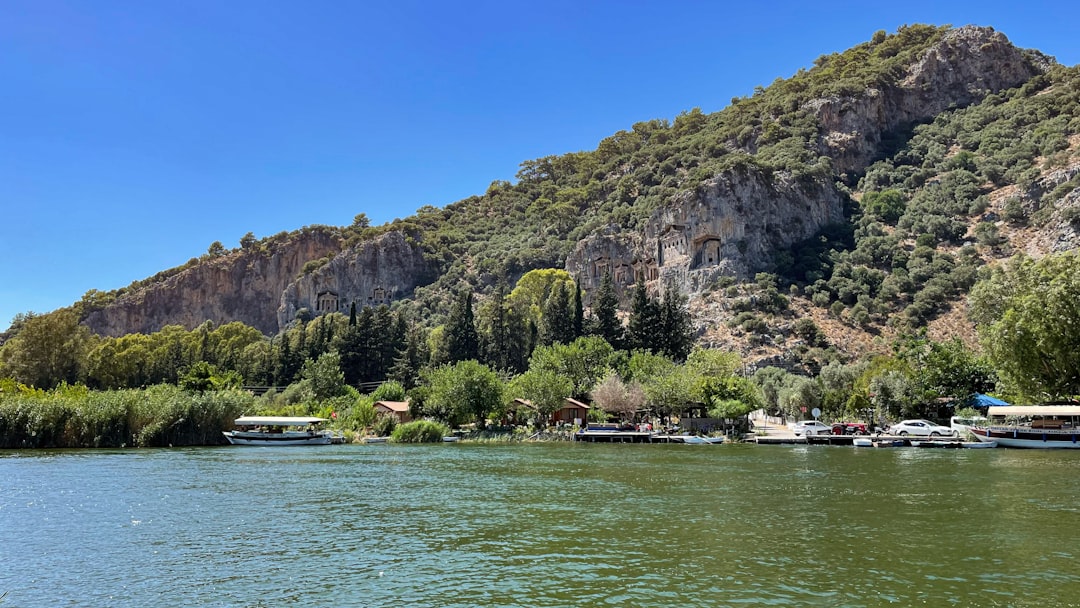
Archaeologists have recently unearthed a remarkable discovery in the heart of the Zagros Mountains, a find that promises to reshape our understanding of an ancient civilization. The excavation has revealed a vast necropolis containing at least 260 ancient burial monuments, a testament to a sophisticated and previously lesser-known culture that once thrived in this rugged landscape. The scale and preservation of the site are exceptional, offering an unparalleled glimpse into the funerary practices, social structures, and potentially even the spiritual beliefs of these long-lost people. This monumental discovery, situated in a region rich with archaeological potential, has ignited a flurry of scientific interest and is expected to yield a wealth of information for years to come.
The sheer number of burial monuments, exceeding 260, is the most striking aspect of this discovery. These are not mere scattered graves, but rather a meticulously organized necropolis, suggesting a community with a strong sense of place and a profound reverence for their dead. The monuments themselves vary in size and complexity, hinting at a stratified society where social status may have been reflected in the grandeur of one’s final resting place. Preliminary analysis suggests a range of construction styles, from simple stone cairns to more elaborate structures, possibly indicating different periods of use or distinct social groups. The careful placement of these tombs in relation to one another also suggests a deliberate planning of the burial ground, perhaps aligning with astronomical events or topographical features deemed significant by the ancient inhabitants. The scale of the undertaking to construct such a large necropolis, especially within the challenging terrain of the Zagros Mountains, speaks to a significant population and a well-established societal organization.
The Significance of Location
The choice of location for this vast necropolis is not accidental. The Zagros Mountains, a formidable natural barrier, have historically served as a cradle for distinct cultures, fostering unique adaptations to their environment. This region, straddling ancient Mesopotamia and the Iranian plateau, has always been a nexus of trade and cultural exchange. The discovery here offers a new perspective on the interactions between these major historical regions. The archaeological team has emphasized the strategic positioning of the site, likely chosen for its defensible nature, access to vital resources such as water and building materials, and possibly for its spiritual or symbolic significance. The rugged topography may have played a role in both preserving the burial monuments from significant disturbance over millennia and in shaping the cultural practices of the people who inhabited the area. Understanding the geographical context is crucial for deciphering the broader implications of this find.
Initial Dating and Periodization
Early radiocarbon dating of organic materials found within some of the burials provides an initial timeframe for the necropolis’s use. While extensive analysis is ongoing, preliminary results point to a period spanning several centuries, possibly extending back to the early Bronze Age or even earlier. This dating is critical for situating this civilization within the established archaeological chronology of the region. It raises questions about their contemporaries and their interactions with other known cultures of the era. The possibility of a multi-period occupation and burial site means that the necropolis could represent the evolution of a single culture or the integration of different groups over time. Further dating of skeletal remains and associated artifacts will be crucial for establishing a more precise timeline and understanding the demographic shifts within the community.
The recent discovery of 260 ancient burial monuments has shed new light on the historical significance of the region, prompting researchers to delve deeper into the cultural practices of past civilizations. This remarkable find parallels the insights shared in the article about the “City of Secrets: The Unsinkable City,” which explores the hidden histories and archaeological wonders beneath urban landscapes. To learn more about the intriguing connections between ancient civilizations and modern cities, you can read the full article here: City of Secrets: The Unsinkable City.
Unveiling Funerary Practices
The burial monuments themselves are the primary source of information regarding the funerary practices of this ancient people. Archaeologists are meticulously documenting the types of tombs, their construction, and the arrangement of human remains within them. The condition of the skeletal remains, where preserved, offers vital clues about the health, diet, and potential causes of death of the individuals interred. The presence of grave goods, a common feature in many ancient burials, is particularly exciting as these artifacts can reveal information about the deceased’s social status, occupation, and beliefs. The systematic excavation and recording of each burial are paramount to piecing together the intricate tapestry of their rituals surrounding death and remembrance.
Types of Burial Monuments
The diversity in the types of burial monuments is a key indicator of social stratification. Some graves appear to be simple inhumation burials, where individuals were laid to rest directly in the earth, often covered by a mound of stones or earth. These may represent the burials of ordinary members of the community. In contrast, more elaborate structures suggest the internment of individuals of higher status. These could include:
Stone-Lined Tombs:
These structures are characterized by walls built from carefully dressed stones, forming chambers of varying sizes. The quality of the stonework and the complexity of the chamber design likely correlate with the importance of the deceased. Evidence of multiple chambers within a single structure might indicate family tombs or communal burial sites for elite lineages. The careful selection and placement of stones, often large and heavy, speak to a significant labor investment and advanced construction techniques for their time.
Chamber Tombs with Corridors:
Some of the more sophisticated monuments feature distinct chambers accessed by long, narrow corridors. These “dromos” entrances are often deliberately obscured, suggesting a desire to protect the sanctity of the tomb. The internal arrangement of these chambers could reveal different areas for ritualistic practices or for the placement of offerings. The engineering required to construct these underground or semi-underground chambers, especially in rocky terrain, is a testament to their architectural prowess.
Cist Graves:
These are smaller, rectangular graves formed by slabs of stone. They are often found in clusters and may represent the burials of a particular social group or a specific period within the necropolis’s history. The simplicity of their construction might indicate a more utilitarian approach to burial, but their organized layout suggests continued adherence to funerary traditions.
Monumental Cairns:
The largest and most imposing structures are the monumental cairns, often massive mounds of stones that could have served as landmarks or as the focal points for collective memory. These may have been reserved for leaders, heroes, or important figures within the community. The sheer scale of these cairns would have required the coordinated effort of a large workforce, underscoring the organized nature of the society.
Grave Goods and Artifacts
The discovery of grave goods is crucial for understanding the daily lives and belief systems of the people. These artifacts, placed alongside the deceased, served various purposes, from practical items for the afterlife to symbolic representations of status and identity. Preliminary findings have included:
Pottery Vessels:
A significant number of pottery fragments and even intact vessels have been recovered. These range from simple, utilitarian wares to finely decorated pieces, indicating different levels of craftsmanship and artistic expression. The types of pottery, their designs, and any residue found within them can provide insights into their diet, cooking practices, and trade connections.
Tools and Weapons:
Stone tools, bone implements, and potentially even early metal artifacts have been found. These items suggest the skills and technologies possessed by the people, such as agricultural practices, hunting, and possibly warfare. The presence of specific types of tools might also indicate specialized crafts or professions within the community.
Ornaments and Adornments:
Jewelry, beads, and other personal adornments made from bone, shell, or semi-precious stones have been uncovered. These items reveal a desire for personal beautification and may have also served as markers of social status or tribal affiliation. The materials used for these ornaments can also provide information about their trade networks and access to resources.
Figurines and Ritual Objects:
The discovery of small figurines, possibly representing deities, ancestors, or animals, is of particular interest. These artifacts offer direct evidence of their religious or spiritual beliefs. The careful placement of these objects within the burials suggests their importance in the funerary rituals and their perceived role in the afterlife.
Skeletal Remains and Anthropological Analysis
The skeletal remains themselves are a treasure trove of information. Anthropologists are carefully examining the bones to determine the age, sex, and physical characteristics of the individuals. Analysis of the bones can reveal details about:
Health and Diet:
Signs of disease, malnutrition, or injuries can provide insights into the health challenges faced by the population and their dietary habits. Dental analysis, in particular, can offer a detailed record of their food consumption over their lifetime.
Lifestyle and Activity:
Wear patterns on bones and joints can indicate the types of physical activities individuals engaged in, suggesting their roles within the community, such as agricultural laborers, hunters, or craftspeople.
Genetic Information:
Where DNA can be extracted and analyzed, it could offer crucial information about the genetic makeup of this population, their origins, and their relationship to other ancient groups in the region. This could help unravel migration patterns and the development of distinct ethnic groups.
Social and Economic Structures Revealed

The organization and content of the necropolis provide a window into the social and economic fabric of the ancient society. The differentiation in burial monument types and the accompanying grave goods strongly suggest a hierarchical social structure. The presence of specialized tools and potentially evidence of trade hints at a developing economy, with distinct roles and perhaps even professions within the community.
Hierarchy and Social Stratification
The most evident social indicator is the disparity in the size, complexity, and richness of the burial monuments. The grandest structures, adorned with the most elaborate grave goods, undoubtedly belonged to individuals of high status – perhaps chieftains, priests, or wealthy landowners. Conversely, the simpler burials suggest a larger population of ordinary citizens. This stratification would have influenced every aspect of their lives, from their housing and diet to their access to resources and their participation in community decision-making. The careful differentiation in burial practices implies a well-established system of social order and a keen awareness of lineage and inherited status.
Evidence of Trade and Specialization
The materials used in the grave goods, especially those made from exotic substances like certain types of stone or shell, indicate that this society was not entirely isolated. Evidence of trade networks, either directly or indirectly, would have brought valuable resources into the community, enriching their lives and allowing for the development of specialized crafts. The presence of specific tools, such as those used for metalworking or fine pottery production, suggests that some individuals may have dedicated their lives to these crafts, contributing to the economic diversity of the society. This specialization would have fostered interdependence and further solidified social roles.
Community Organization and Labor Mobilization
The construction of such a large and elaborate necropolis, especially the monumental cairns and chamber tombs, would have required a significant amount of organized labor. This points to a sophisticated level of community organization, with leaders capable of mobilizing and directing large workforces. The ability to coordinate such large-scale projects suggests a level of social cohesion and a shared purpose that extended beyond individual survival. This collective effort for the deceased highlights their communal values and their commitment to honoring their ancestors.
Potential Spiritual and Religious Beliefs

The artifacts found within the burials, particularly figurines and ritual objects, offer tantalizing clues about the spiritual and religious beliefs of this ancient civilization. While definitive interpretations are challenging without written records, the patterns observed suggest a complex system of beliefs concerning the afterlife, ancestral veneration, and possibly a pantheon of deities.
The Afterlife and the Spirit World
The practice of burying individuals with grave goods strongly implies a belief in an afterlife, where these objects would be of use or comfort to the deceased. The elaborate nature of some burials and the inclusion of specific items suggest a desire to ensure a favorable transition to the next world. The arrangement of the body and the orientation of the tomb may also hold symbolic meaning related to their conception of the cosmos or the journey of the soul. The careful sealing of tombs might reflect a belief in protecting the living from the spirits of the dead, or conversely, in ensuring the peaceful rest of the deceased.
Ancestor Veneration and Rituals
The sheer scale of the necropolis and its deliberate organization could also indicate a strong tradition of ancestor veneration. These monuments might have served as focal points for ongoing rituals and ceremonies dedicated to remembering and honoring past generations. The community’s investment in these burial sites suggests a deep respect for their lineage and a desire to maintain a connection with their ancestors. It is possible that certain individuals or families were considered intermediaries between the living and the spiritual realm, playing significant roles in religious practices.
Possible Deities and Iconography
The discovery of figurines and other symbolic objects is crucial for identifying potential deities or important figures in their spiritual landscape. While identifying specific gods is difficult without comparative evidence or written texts, the recurring motifs and iconography found on pottery or personal adornments could represent their divine beings or cosmic symbols. The careful placement of these objects within the burials suggests they were imbued with spiritual power and intended to provide protection or guidance in the afterlife. Further analysis of the context and style of these artifacts will be critical for any attempts at deciphering their religious iconography.
Recently, researchers made a groundbreaking discovery of 260 ancient burial monuments, shedding light on the burial practices of early civilizations. This significant find not only enhances our understanding of historical rituals but also raises questions about the societal structures of the time. For those interested in exploring how ancient practices relate to modern strategic considerations, a related article discusses the militarization of celestial bodies and its potential implications for humanity’s future. You can read more about this intriguing topic here.
Future Research and Implications
| Location | Number of Burial Monuments | Period |
|---|---|---|
| England | 120 | Neolithic period |
| Scotland | 80 | Bronze Age |
| Ireland | 60 | Iron Age |
The discovery of this vast necropolis is just the beginning of a long and intricate process of scientific investigation. The implications for our understanding of ancient history in this region are profound, opening new avenues for research and challenging existing theories. The multidisciplinary approach required for this project will bring together experts from various fields to unlock the secrets held within these ancient tombs.
Ongoing Excavation and Analysis
The archaeological team is committed to a meticulous and systematic excavation of the entire necropolis. This will involve detailed documentation of every find, from the smallest pottery shard to the most elaborate tomb structure. Advanced techniques, including photogrammetry, 3D scanning, and geoarchaeology, will be employed to create precise digital records of the site and its context. Laboratory analysis of skeletal remains, artifacts, and environmental samples will continue for years, providing crucial data for interpretation.
Interdisciplinary Collaboration
This project necessitates a collaborative effort involving archaeologists, anthropologists, archaeobotanists, archaeozoologists, geologists, and potentially even linguistic experts if any epigraphic evidence emerges. Each discipline will contribute its specialized knowledge to build a comprehensive picture of this ancient society. The integration of data from these diverse fields will be essential for moving beyond mere description to sophisticated interpretation.
Broader Historical Context and Revisions
This discovery has the potential to significantly revise our understanding of the Bronze Age and earlier periods in the Zagros Mountains and surrounding regions. It could shed light on previously unknown cultural interactions, trade routes, and the development of complex societies. The existence of such a large and organized necropolis suggests a level of sophistication that may have been underestimated for this period and location. The findings will likely necessitate a reassessment of existing historical narratives and the potential integration of this newly discovered civilization into the broader tapestry of ancient Near Eastern history. The Zagros Mountains, often seen as a geographical barrier, may reveal themselves as a crucial bridge between major civilizations, and this necropolis is a testament to the vibrant cultures that thrived within them.

260 Ancient Graves Were Hiding in This “Empty” Desert
FAQs
What were the ancient burial monuments discovered?
The ancient burial monuments discovered were 260 tombs dating back to the Bronze Age, Iron Age, and Roman period.
Where were the burial monuments found?
The burial monuments were found in the town of Al-Kamil in the Sultanate of Oman.
Who made the discovery?
The discovery was made by a team of archaeologists from the Ministry of Heritage and Culture in Oman.
What is the significance of the discovery?
The discovery of the burial monuments provides valuable insights into the ancient burial practices and cultural history of the region.
What are the next steps following the discovery?
Following the discovery, the archaeologists will conduct further research and analysis to learn more about the individuals buried in the tombs and the historical context of the monuments.