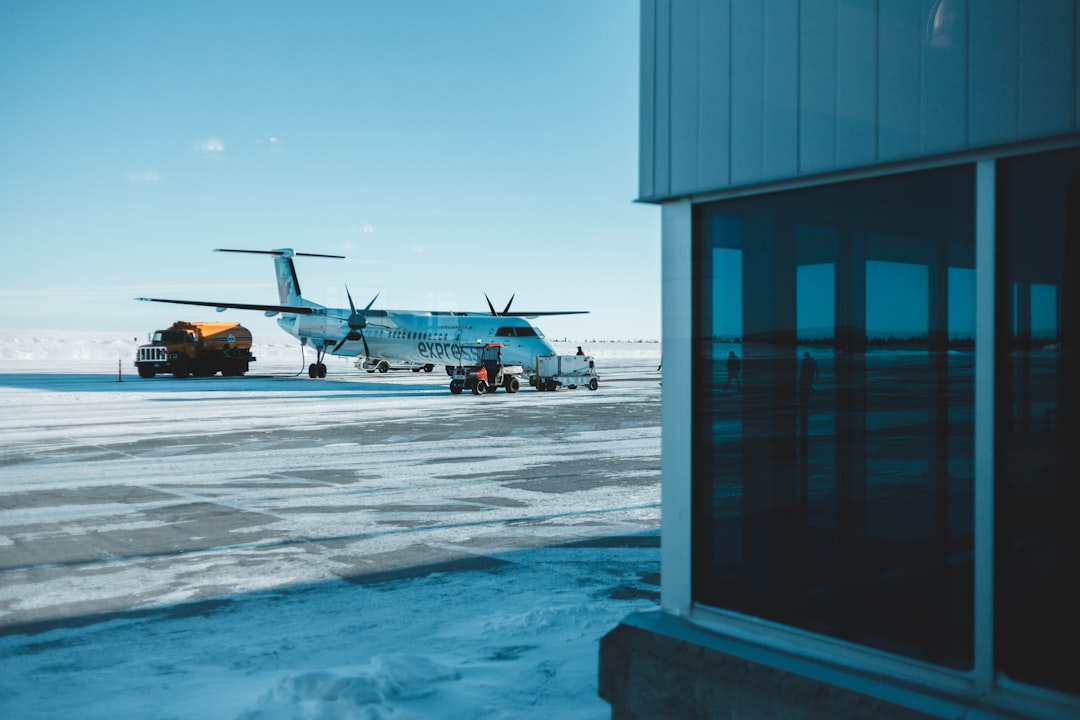
The frigid expanse of the Arctic, a region long associated with stark beauty and formidable natural forces, became a crucible of innovation and strategic maneuvering during the Cold War. This era, defined by geopolitical tension and a relentless arms race between the United States and the Soviet Union, transformed the Arctic from a remote frontier into a critical theater of operations. Arctic engineering, born out of necessity and driven by immense strategic imperatives, faced unparalleled challenges in designing, constructing, and maintaining infrastructure in a landscape characterized by extreme cold, permafrost, moving ice, and vast distances. The very survival and operational effectiveness of military forces, scientific endeavors, and burgeoning resource extraction efforts hinged on humanity’s ability to master this unforgiving environment.
The Cold War fundamentally reshaped global perceptions of the Arctic. Once a peripheral concern, it rapidly ascended to a position of paramount strategic importance, primarily due to its geographical proximity and the evolving nature of warfare. The development of intercontinental ballistic missiles (ICBMs) and long-range bombers meant that the shortest routes between North America and Eurasia passed over the polar regions. This geographical reality placed the Arctic at the forefront of early warning systems, air defense, and potential offensive operations.
The Shifting Geopolitical Landscape
The “Top of the World” as a Battleground
The concept of mutual assured destruction (MAD) loomed large over Cold War strategy. While the idea of direct conflict between the superpowers was largely unthinkable due to the catastrophic consequences, the threat of nuclear annihilation nonetheless fueled a relentless pursuit of strategic advantage. The Arctic, with its vast, sparsely populated territories, offered a unique environment for establishing military bases, radar installations, and covert operations. Both the United States and the Soviet Union invested heavily in understanding and exploiting this region, transforming it into a de facto frontline.
The immense distances and harsh conditions meant that traditional military strategies needed significant adaptation. The focus shifted from conventional ground warfare to air power, submarine operations, and sophisticated surveillance capabilities. The Arctic’s unique environmental characteristics, however, presented immense hurdles to the deployment and maintenance of these advanced technologies. This is where Arctic engineering stepped onto the global stage, tasked with the seemingly impossible.
The Role of Early Warning Systems
One of the most critical drivers for Arctic development was the establishment of early warning systems. The advent of the ICBM necessitated the creation of robust radar networks capable of detecting incoming threats with sufficient lead time to allow for a retaliatory response. The Pinetree Line, the Mid-Canada Line, and the Distant Early Warning (DEW) Line across the Canadian Arctic and Greenland were monumental engineering feats, designed to detect Soviet aircraft and missiles. These installations, often situated in extremely remote and inaccessible locations, required the development of specialized construction techniques and logistical support systems.
The sheer scale of these projects was unprecedented. Building radar towers, living quarters, and power generation facilities in areas with temperatures plummeting to -50°C and below, and where permafrost could destabilize any conventional foundation, demanded entirely new approaches. Engineers had to contend with blizzards, ice fog, and the continuous challenge of moving materials and personnel across frozen landscapes and treacherous seas. The success or failure of these systems directly translated into national security, underscoring the critical role of Arctic engineering in the Cold War calculus.
During the Cold War, Arctic engineering played a crucial role in military strategy and infrastructure development in the harsh polar regions. The construction of bases and facilities in extreme conditions required innovative engineering solutions to ensure operational effectiveness. For more insights into the historical context of engineering challenges and advancements, you can explore a related article that discusses the implications of environmental conditions on ancient civilizations, which can be found here: Unearthing Ancient Drought: Biblical Evidence.
Permafrost: The Frozen Foundation of Conflict
Permafrost, the ground that remains frozen for two or more consecutive years, is the defining geological feature of the Arctic. This seemingly inert layer of frozen soil, ice, and rock presents an enormous challenge to any construction project. During the Cold War, the need to build substantial military and scientific infrastructure directly on or within permafrost led to a rapid evolution of engineering practices. The fundamental problem was simple: heat. Human activity, including buildings and machinery, generates heat that can thaw the permafrost. Once thawed, permafrost loses its structural integrity, leading to ground subsidence, frost heave, and the catastrophic failure of buildings, runways, and pipelines.
Understanding and Mitigating Permafrost Thaw
During the Cold War, Arctic engineering played a crucial role in the strategic military initiatives of the United States and the Soviet Union, as both superpowers sought to establish dominance in the polar regions. This period saw significant advancements in technology and infrastructure, enabling the construction of bases and facilities in extreme conditions. For a deeper understanding of how geopolitical factors influenced labor dynamics in various regions, you might find this article on Mexico’s demographic edge and labor advantage insightful. It highlights the importance of workforce capabilities in shaping national strategies, much like how Arctic engineering was pivotal for Cold War operations. You can read more about it here.
Thermal Regime Management
The core of permafrost engineering revolved around managing the thermal regime of the ground. This meant preventing the heat generated by the infrastructure from penetrating the permafrost and causing thaw. One of the most common strategies was to elevate structures above the ground surface. This allowed for airflow beneath the buildings, dissipating heat and maintaining the frozen state of the permafrost. Stilted foundations, large air gaps, and the use of specialized insulating materials became commonplace.
Foundation Design in a Dynamic Environment
Traditional foundation methods, such as poured concrete footings, were often unsuitable. Engineers developed innovative solutions like using gravel pads, thermosyphons (passive cooling devices that transfer heat away from the ground), and adjustable foundation systems that could compensate for minor ground movements. The design had to account for seasonal temperature fluctuations and the long-term effects of climate change, even then a nascent concern. The construction of runways for heavy aircraft was particularly challenging, requiring thick layers of gravel and sophisticated drainage systems to prevent ice lenses from forming and disrupting the surface.
The “Ice Palace” Problem: Adapting to Extreme Cold
Material Science for Sub-Zero Temperatures
Operating in temperatures well below freezing posed significant challenges for materials. Steel, which is strong at ambient temperatures, can become brittle and prone to fracture at very low temperatures. Engineers had to select and develop materials that could withstand the extreme cold without losing their structural integrity. This led to the increased use of specialized alloys, plastics, and composite materials designed for Arctic conditions. Welding techniques also had to be adapted to prevent the formation of brittle zones in metal structures.
Equipment and Vehicle Performance
The performance of construction equipment and vehicles was severely impacted by the cold. Engines required specialized lubricants that wouldn’t freeze, batteries lost their efficiency, and hydraulic systems could seize up. The development of Arctic-hardened vehicles, capable of operating in these conditions, was a crucial aspect of project logistics. This included the design of tracked vehicles for traversing snow and ice, as well as specialized aircraft and helicopters equipped to handle the challenges of polar aviation. The constant battle against ice buildup on machinery and the need for reliable heating systems for both personnel and equipment added layers of complexity to every operation.
Logistics and Supply Lines: The Artery of the Arctic Front
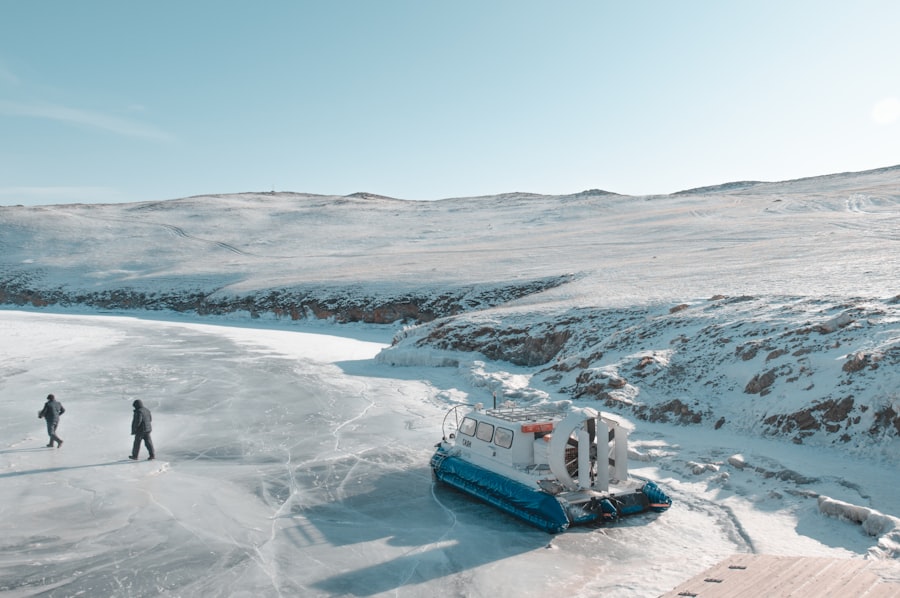
The vastness of the Arctic and its challenging terrain made logistical operations a formidable undertaking during the Cold War. Supplying remote military installations, scientific outposts, and construction sites required the development of sophisticated and resilient supply chains. The inherent difficulties of transportation in this region meant that reliability and redundancy were paramount.
Maritime Operations in Icy Seas
Icebreaker Technology and Navigational Challenges
The Arctic Ocean is characterized by moving ice floes, pack ice, and seasonal ice formation, making maritime navigation a perilous endeavor. The development and deployment of powerful icebreakers became essential for opening shipping lanes, escorting supply vessels, and supporting naval operations. These vessels, equipped with reinforced hulls and advanced propulsion systems, were designed to break through thick ice, creating channels for other ships. Navigational aids, such as radar and sonar, had to be adapted to function effectively in icy conditions, and charting of these dynamic waters was a continuous process. The risks associated with ice entrapment and ship damage were ever-present.
Air and Overland Transport Limitations
The Importance of Airfields and Staging Bases
Given the limitations of sea ice for much of the year, air transport played a vital role in the Arctic logistics chain. The construction and maintenance of airfields, often in challenging permafrost conditions, were critical. These airfields served as staging bases for aircraft delivering supplies, personnel, and equipment to more remote locations. The ability to land and take off in extreme weather conditions and on potentially unstable surfaces demanded specialized runway construction and maintenance techniques.
Overland transport was equally challenging. The lack of roads meant reliance on tracked vehicles, specialized sleds, and even air-dropped supplies. The construction of temporary ice roads during winter months was a vital, albeit seasonal, solution for moving heavy equipment and supplies between sites. The inherent fragility of the Arctic environment also meant that any overland movement had to be carefully planned to minimize environmental impact, a consideration that grew in importance as the Cold War progressed.
The Cold War’s Engineering Legacy in the Arctic
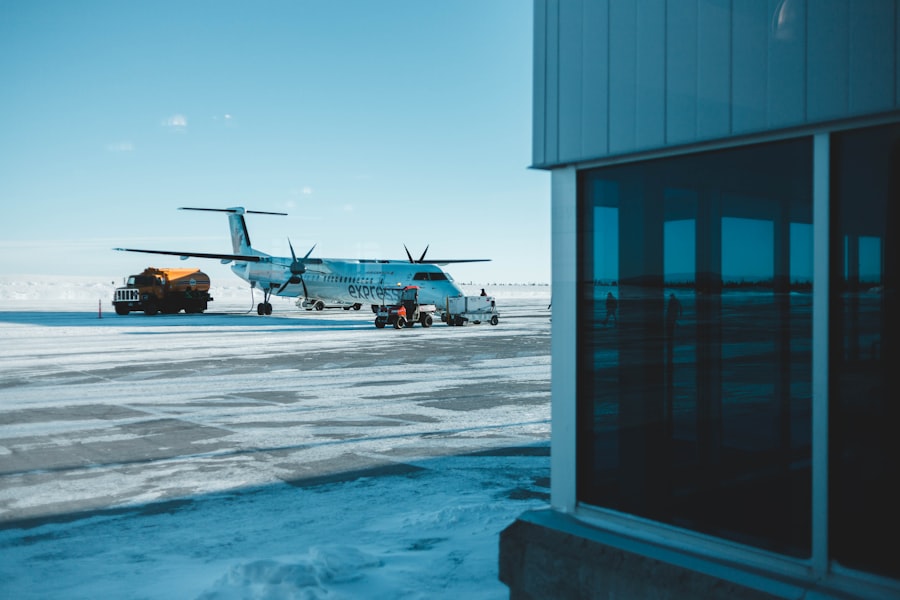
The intense period of Arctic development driven by Cold War imperatives left an indelible mark on the region. While the strategic motivations have evolved, the infrastructure and the engineering knowledge gained during this era continue to influence Arctic operations today. Many of the radar sites and military installations, though largely decommissioned or repurposed, stand as testament to the scale of ambition and the ingenuity of the engineers who built them.
Decommissioning and Environmental Concerns
The Challenge of Legacy Sites
As geopolitical tensions eased, many of the Cold War-era Arctic installations became obsolete. Decommissioning these sites, particularly those located in remote and environmentally sensitive areas, presented a new set of engineering challenges. The removal of hazardous materials, the restoration of disturbed permafrost, and the safe dismantling of structures required careful planning and execution. The long-term environmental legacy of these installations, including potential soil and water contamination, remains a concern and a subject of ongoing remediation efforts.
Adaptation and Repurposing for Modern Needs
From Military Bases to Research Hubs
While the military significance of many Arctic sites has diminished, the infrastructure developed during the Cold War has, in some instances, been repurposed for civilian and scientific purposes. Former military bases have been transformed into research stations, logistical hubs for resource extraction, and even tourism centers. The airfields, communication networks, and basic facilities built to support defense operations now serve new functions, demonstrating the enduring utility of strategically placed infrastructure. The knowledge gained in building and maintaining these facilities in extreme conditions is invaluable for contemporary Arctic development, whether for scientific exploration, sustainable resource management, or ensuring the safety of those who live and work in the region. The engineering solutions devised in the crucible of the Cold War continue to inform how we approach the challenges of the modern Arctic, a region that, while no longer a primary frontline, remains a vital and increasingly complex part of our planet.
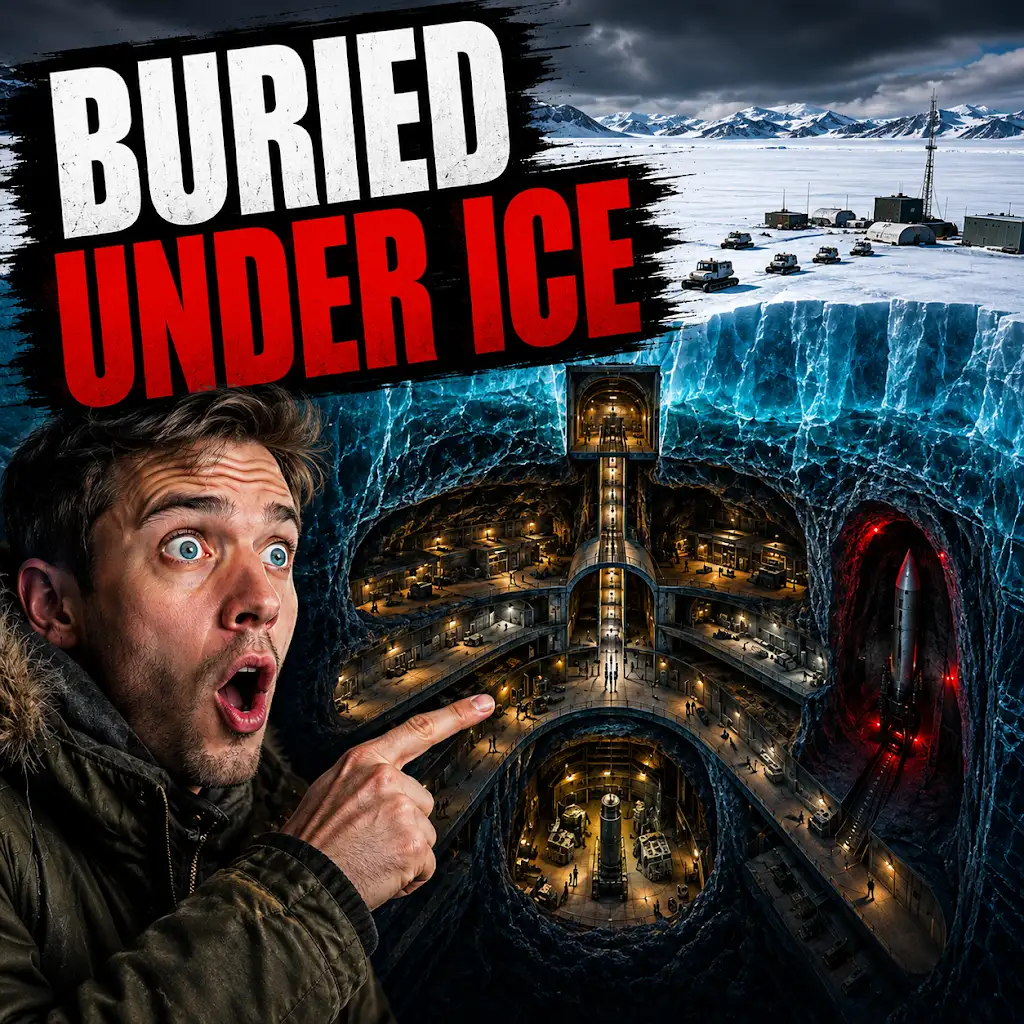
The U.S. Built a Nuclear City Under Greenland. The Ice Won.
FAQs
What is Arctic engineering?
Arctic engineering refers to the specialized field of engineering that focuses on designing and constructing infrastructure and technology to withstand the extreme conditions of the Arctic region, including cold temperatures, ice, and permafrost.
How did the Cold War impact Arctic engineering?
During the Cold War, the Arctic region became a strategic area of interest for both the United States and the Soviet Union. This led to increased investment in Arctic engineering to build military installations, research facilities, and infrastructure to support military operations in the harsh Arctic environment.
What were some key projects in Arctic engineering during the Cold War?
Some key projects in Arctic engineering during the Cold War included the construction of the Distant Early Warning (DEW) Line, a system of radar stations across the Arctic to detect incoming Soviet aircraft, as well as the development of nuclear-powered icebreakers to navigate the Arctic Ocean.
What were the challenges of Arctic engineering during the Cold War?
The challenges of Arctic engineering during the Cold War included extreme cold temperatures, ice formation, permafrost, and the logistical difficulties of transporting materials and equipment to remote Arctic locations. Engineers also had to consider the environmental impact of their projects on the fragile Arctic ecosystem.
What is the legacy of Arctic engineering from the Cold War era?
The legacy of Arctic engineering from the Cold War era includes the development of innovative technologies and construction methods to overcome the challenges of building in the Arctic. Many of the infrastructure and facilities built during this time continue to serve scientific, military, and commercial purposes in the Arctic region today.