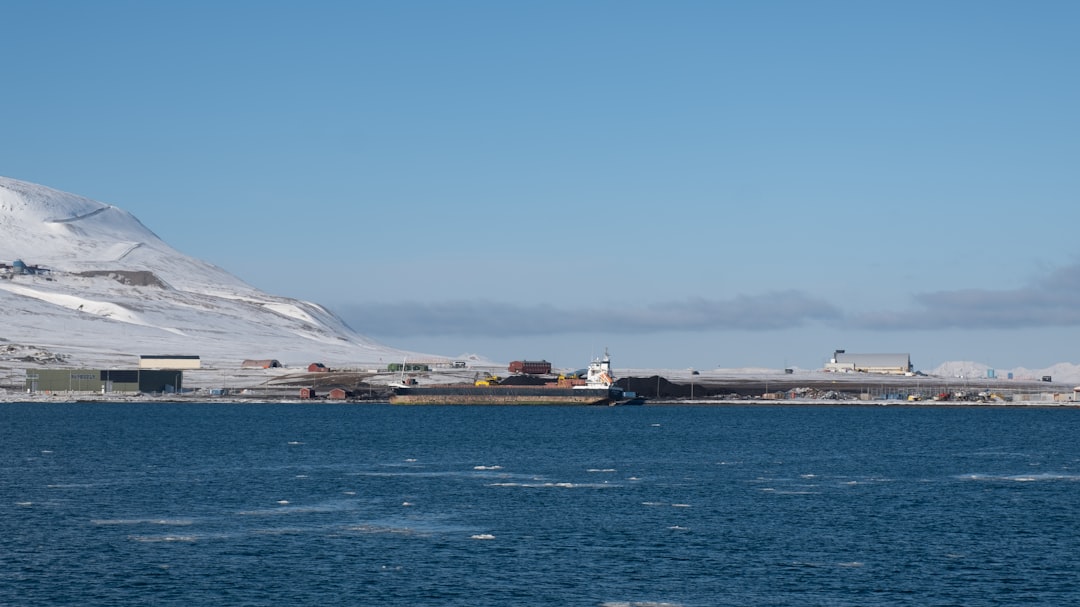
The Arctic region, long perceived as a remote and largely uninhabited expanse, has emerged as a crucial geopolitical theater. Its strategic value stems from several converging factors, including the receding ice caps opening new shipping lanes, the vast untapped natural resources beneath its icy surface, and its geographical position as a potential direct route between major powers. Consequently, arctic nations and those with burgeoning interests in the High North are re-evaluating and reinforcing their military strategies to secure their northern borders and project influence.
The Arctic is not a monolithic entity but a complex tapestry of national interests, international agreements, and environmental considerations. Understanding this landscape is paramount to comprehending the military strategies employed.
Arctic States and Their Claims
Eight states are traditionally recognized as Arctic nations: Canada, Denmark (via Greenland), Finland, Iceland, Norway, Russia, Sweden, and the United States. Each possesses sovereign territories within the Arctic Circle and asserts varying degrees of claim over its exclusive economic zones (EEZs) and continental shelves.
- Canada: Possesses the longest Arctic coastline and a vast archipelago. Its primary concerns include sovereignty over the Northwest Passage and protecting its indigenous communities.
- Denmark: Through Greenland, exercises control over significant portions of the central Arctic. Its focus includes surveillance and environmental protection.
- Finland and Sweden: While not having direct access to the Arctic Ocean, these nations share long borders with Russia and are increasingly concerned with regional security dynamics.
- Iceland: A strategically located island nation in the North Atlantic, critical for sea lane control and surveillance.
- Norway: A significant oil and gas producer with an extensive Arctic coastline, focused on resource protection and sovereignty in the Barents Sea.
- Russia: Commands the largest Arctic territory, including critical energy resources and the Northern Sea Route. Its Arctic military buildup is the most significant.
- United States: Primarily through Alaska, asserts its presence in the Bering Strait and the Chukchi Sea, focusing on missile defense and freedom of navigation.
Non-Arctic Actors and Emerging Interests
Beyond the traditional Arctic states, several non-Arctic nations and organizations are increasingly asserting interests in the region. These actors, while not possessing direct Arctic territory, recognize the strategic implications of the changing Arctic.
- China: Declares itself a “near-Arctic state” and has invested significantly in icebreaker technology, scientific research, and potential shipping routes. Its “Polar Silk Road” initiative seeks to integrate Arctic shipping into its global trade networks.
- European Union: While several EU members are Arctic states, the EU as a bloc has developed its own Arctic policy, emphasizing environmental protection, sustainable development, and international cooperation.
- NATO: The North Atlantic Treaty Organization, a defensive alliance, has increased its focus on the Arctic, particularly in response to Russia’s military activities in the region. Several Arctic nations are NATO members, reinforcing the alliance’s presence.
As nations increasingly focus on the Arctic region due to its strategic importance and resource potential, understanding military strategies in this area becomes crucial. A related article that delves into the complexities of Arctic military strategies can be found at this link. This article explores the geopolitical dynamics, the role of various countries, and the implications of military presence in the Arctic, providing valuable insights into the evolving landscape of Arctic security.
Military Modernization and Infrastructure Development
The unique challenges of the Arctic environment, characterized by extreme cold, sea ice, and vast distances, necessitate specialized military equipment, infrastructure, and training. Nations are investing heavily in these areas to enhance their capabilities.
Russia’s Arctic Military Build-Up
Russia’s modernization efforts in the Arctic are the most pronounced, reflecting its strategic imperative to protect its extensive Arctic coastline, natural resources, and the Northern Sea Route.
- Reactivation of Soviet-Era Bases: Russia has invested in reopening and upgrading numerous military bases and airfields that were dormant since the Cold War. These include strategic locations like Rogachevo (Novaya Zemlya) and Tiksi.
- Specialized Arctic Brigades: The Russian Armed Forces have established dedicated Arctic brigades, trained and equipped for combat operations in extreme cold. These units utilize specialized vehicles like snowmobiles and multi-purpose tracked vehicles.
- Naval Assets: Russia’s Northern Fleet, based in Murmansk, is its most powerful naval formation. It operates a range of ice-capable warships, submarines, and icebreakers, including nuclear-powered vessels. The development of new-generation icebreakers with military applications is a key focus.
- Air Defense and Radar Networks: Russia has significantly enhanced its Arctic air defense capabilities, deploying advanced S-400 missile systems and expanding its radar coverage across the region.
- Coastal Defense Missiles: The deployment of Bastion and Bal anti-ship cruise missile systems along its Arctic coast provides a formidable deterrent against potential adversaries.
Western Arctic Nations’ Responses
In response to Russia’s increased presence, Western Arctic nations are also bolstering their military capabilities, albeit with varying approaches and scales.
- Norway: As a frontline NATO state sharing a border with Russia in the Arctic, Norway has prioritized strengthening its forces in the High North. This includes investments in new frigates, submarines, F-35 fighter jets, and increased surveillance capabilities.
- Canada: Focuses on Arctic sovereignty patrols, surveillance, and search and rescue operations. Investments include new Arctic Offshore Patrol Vessels (AOPVs) and upgrades to Arctic airfields.
- United States: While maintaining a smaller permanent presence in the Arctic, the U.S. periodically deploys assets, including strategic bombers and naval vessels, to the region for exercises and freedom of navigation operations. The importance of missile defense in Alaska is also a key consideration.
- Denmark (Greenland): Investing in improved surveillance capabilities, primarily through radar installations, to monitor activity in and around Greenland.
Strategic Objectives and Doctrines
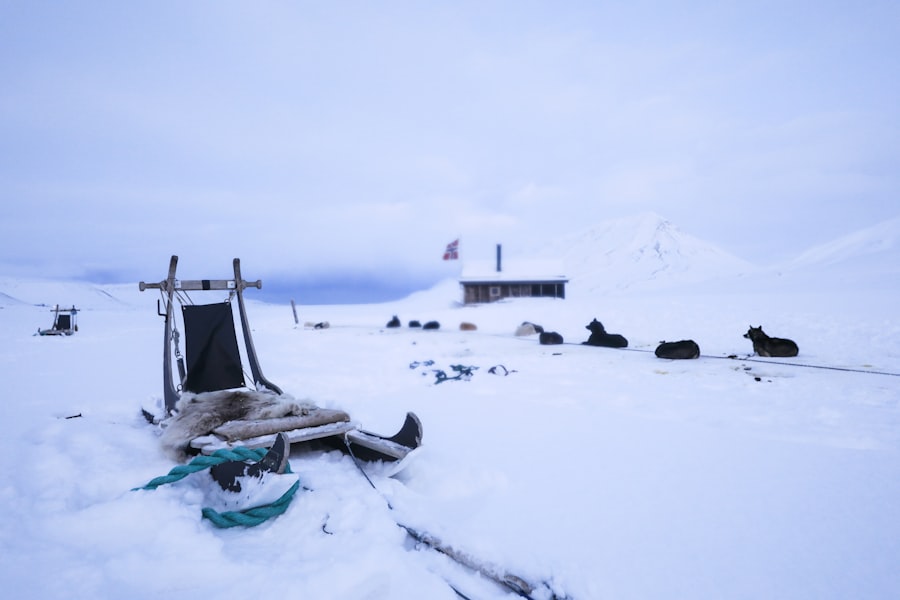
The military strategies employed in the Arctic are driven by distinct national objectives and underpinned by specific doctrines. These objectives often overlap but can also create points of friction.
Resource Protection and Economic Interests
For many Arctic states, particularly Russia and Norway, the vast natural resources (oil, natural gas, minerals, fish) beneath the Arctic ice are a primary strategic concern. Military assets are deployed to protect these assets and the infrastructure required for their extraction and transportation.
- Protection of Offshore Platforms: Naval assets are crucial for safeguarding offshore drilling platforms and pipelines from potential threats or acts of sabotage.
- Securing Shipping Routes: The Northern Sea Route (NSR), increasingly viable due to melting ice, is a vital economic lifeline for Russia. Naval escorts and coastal defenses are integral to ensuring its security and facilitating commercial traffic.
- Fisheries Protection: Arctic nations maintain coast guard vessels and naval patrols to enforce fishing regulations within their EEZs and combat illegal fishing.
Sovereignty and Freedom of Navigation
Assertions of sovereignty over Arctic territories and waterways, particularly controversial passages like the Northwest Passage and the Northern Sea Route, are a core component of Arctic military strategies.
- Northwest Passage: Canada views this as internal waters, while the U.S. and other nations consider it an international strait where freedom of navigation applies. Canada’s military presence, including its new AOPVs, aims to reinforce its claim.
- Northern Sea Route: Russia administers the NSR, requiring foreign vessels to seek permission for transit, which some nations, including the U.S., challenge as an infringement on international law. Russia’s extensive military presence further solidifies its control.
- Airspace Control: Arctic nations maintain robust air defense systems and conduct regular air patrols to ensure sovereignty over their airspace.
Deterrence and Geopolitical Influence
The Arctic is a domain where major powers, particularly Russia and the U.S., seek to project influence and deter potential adversaries. The military presence in the region acts as a strategic deterrent.
- Strategic Ballistic Missile Submarines (SSBNs): Both Russia and the U.S. operate SSBNs that utilize the Arctic Ocean as a vast, secretive expanse for strategic patrols, forming a critical component of their nuclear deterrence.
- Early Warning Systems: The Arctic is a crucial corridor for intercontinental ballistic missiles, making advanced radar and early warning systems vital for national security.
- Naval Exercises: Regular military exercises conducted by both Arctic and non-Arctic nations serve to demonstrate capabilities, test interoperability, and project power.
Environmental Considerations and Dual-Use Capabilities
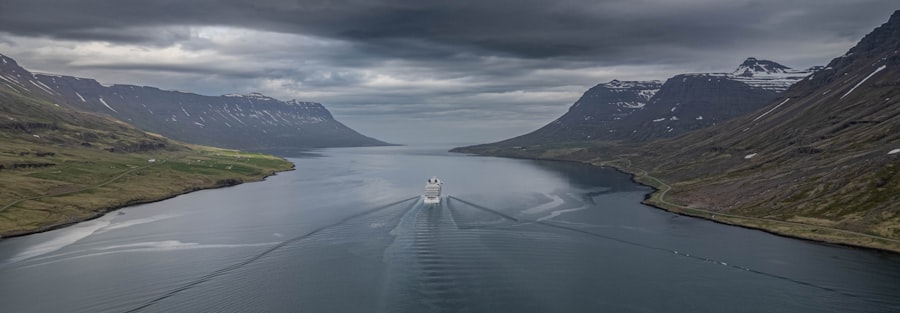
The pristine and fragile Arctic environment presents unique challenges and imperatives for military operations. Military forces often possess dual-use capabilities, serving both security and civilian functions.
Search and Rescue (SAR) Operations
Given the extreme conditions and vast distances, military forces are often the primary responders for search and rescue operations in the Arctic. Their specialized equipment, logistics, and personnel are invaluable in such emergencies.
- Icebreakers: Military and paramilitary icebreakers are essential for navigating ice-choked waters and supporting distressed vessels.
- Long-Range Patrol Aircraft: Aircraft with extended range and cold-weather capabilities are crucial for locating individuals or vessels in distress.
- Specialized Rescue Units: Arctic nations maintain search and rescue units trained for severe Arctic conditions, capable of deploying rapidly to remote locations.
Environmental Monitoring and Remediation
Military assets contribute to environmental monitoring and, in some cases, participate in environmental remediation efforts, though their primary role remains defense.
- Surveillance of Ice Dynamics: Satellites and aircraft operated by military or dual-use agencies monitor sea ice extent and thickness, providing crucial data for navigation and scientific research.
- Oil Spill Response: Military forces may be called upon to assist in containing and cleaning up oil spills in the Arctic, an increasingly relevant concern given increased shipping and resource extraction.
- Scientific Research Support: Military icebreakers and aircraft sometimes provide logistical support for scientific expeditions, indirectly contributing to our understanding of the Arctic environment.
Implications of Climate Change
Climate change is a fundamental driver of evolving Arctic military strategies. The receding ice cover opens new maritime routes, increases the accessibility of resources, and potentially creates new avenues for military maneuver.
- Navigational Changes: The increased navigability of the Northwest Passage and Northern Sea Route necessitates adaptations in naval doctrines and surveillance strategies.
- Resource Accessibility: More open waters allow for greater access to hydrocarbons and minerals, driving military considerations for resource protection.
- New Strategic Channels: The changing extent of ice could create new choke points or open new areas for submarine operations, altering the strategic calculus.
As the Arctic continues its transformation, the military strategies employed by both Arctic and non-Arctic nations will remain dynamic. Securing northern borders in this challenging and rapidly evolving environment requires a sophisticated blend of technological prowess, strategic foresight, and careful diplomatic engagement to prevent the High North from becoming a flashpoint of international conflict. The future of the Arctic, therefore, hinges not only on ice melt but also on the strategic decisions made by global powers.
FAQs
What are the main objectives of Arctic military strategies?
Arctic military strategies primarily focus on securing national sovereignty, protecting critical infrastructure, ensuring freedom of navigation, and maintaining readiness for potential conflicts in the region. They also aim to monitor and respond to increased activity due to climate change and resource exploration.
Which countries are most involved in Arctic military strategies?
The countries most involved in Arctic military strategies include the United States, Russia, Canada, Norway, and Denmark. These nations have territorial claims or strategic interests in the Arctic and have increased their military presence and capabilities in the region.
How does climate change impact Arctic military strategies?
Climate change leads to melting ice, opening new sea routes and access to natural resources. This increases the strategic importance of the Arctic, prompting countries to enhance their military capabilities to protect their interests, monitor new shipping lanes, and respond to potential security threats.
What types of military assets are commonly deployed in the Arctic?
Military assets deployed in the Arctic include icebreakers, submarines, aircraft equipped for cold weather operations, radar and surveillance systems, and specialized ground forces trained for Arctic conditions. These assets help maintain situational awareness and operational readiness in the challenging environment.
Are there any international agreements governing military activity in the Arctic?
Yes, the Arctic is governed by several international agreements, including the United Nations Convention on the Law of the Sea (UNCLOS) and the Arctic Council, which promotes cooperation among Arctic states. While there is no specific treaty banning military activity, these frameworks encourage peaceful use and conflict prevention in the region.