The Tang Dynasty (618-907 CE) stands as a period of significant intellectual and cultural flourishing in Chinese history. Among its many achievements, the systematic and detailed astronomical observations undertaken during this era represent a crucial development in the understanding of the cosmos. This pursuit was not merely an academic interest; it was deeply interwoven with the fundamental principles of governance and imperial legitimacy. The Tang court, like its predecessors, viewed the heavens as a reflection of cosmic order and a repository of omens that could guide the emperor’s decisions and legitimize his rule. Consequently, astronomical institutions were established and supported, fostering a tradition of meticulous record-keeping and sophisticated observational techniques that laid groundwork for future advancements.
The Imperial Bureau of Astronomy: A Centralized Endeavor
The Tang Dynasty inherited and further refined the institutional framework for astronomical study. The Imperial Bureau of Astronomy (太史局, Taishi Ju), an office directly responsible to the emperor, served as the epicenter of astronomical activity. This bureau was staffed by astronomers, calendrical experts, and scribes, all under the direct patronage and supervision of the imperial court. Its primary functions included the creation and maintenance of the official calendar, the observation and recording of celestial phenomena, and the interpretation of astronomical events for political and ritualistic purposes. The bureau’s work was vital for the smooth functioning of the state, dictating agricultural cycles, religious festivals, and auspicious dates for important state ceremonies.
The Role of the Emperor in Astronomical Oversight
The Tang emperor held ultimate authority over astronomical matters. From his perspective, the heavens were a divine mandate, and celestial events held profound significance for his reign. The emperor would receive regular reports from the Taishi Ju, and these reports often formed the basis for imperial decrees and pronouncements. The accuracy of the calendar was paramount, as it directly impacted the social and economic order of the empire. Deviations or unexpected celestial events could be interpreted as divine displeasure, necessitating swift action or public appeasement. This direct involvement ensured that astronomical research remained aligned with the state’s agenda and that resources were allocated to support its aims.
Staffing and Structure of the Taishi Ju
The Taishi Ju was a complex organization with a hierarchical structure. At its head was a Director or Supervisor, often a high-ranking official appointed by the emperor. Below the director were various departments and specialized roles, including those focused on observation, calculation, and interpretation. The expertise required spanned mathematics, geometry, and an intimate knowledge of celestial mechanics. Astronomers were trained within the bureau, often through apprenticeship, passing down accumulated knowledge and techniques. The stability and longevity of the Tang Dynasty, in part, can be attributed to the consistent support provided to this institution, allowing for the accumulation of a significant body of observational data.
Astronomical observations during the Tang Dynasty were pivotal in advancing the understanding of celestial phenomena in ancient China. The meticulous records kept by astronomers of the time not only contributed to the development of calendars but also influenced navigation and agricultural practices. For further insights into historical conflicts and their impact on societal progress, you may find the article on the ongoing struggles in Sudan interesting. It highlights how conflicts can shape civilizations, much like how the Tang Dynasty’s achievements in astronomy were influenced by the political and social dynamics of its era. You can read more about it here: Sudan Conflict: A Continuing Struggle for Peace.
Observational Tools and Techniques
The Tang Dynasty inherited a rich tradition of astronomical observation that evolved over centuries. While sophisticated instruments like the telescope were not yet available, Tang astronomers utilized well-designed tools and diligent observational practices to record celestial movements and phenomena. These tools, though seemingly simple by modern standards, allowed for remarkably accurate measurements and observations, contributing to the growing body of astronomical knowledge. The emphasis was on precision, meticulous recording, and a systematic approach to celestial surveillance.
Armillary Spheres and Their Functionality
Armillary spheres, complex astronomical instruments consisting of graduated rings representing celestial circles, were central to Tang observational practices. These devices allowed astronomers to determine the positions of stars and planets, measure celestial coordinates, and track the apparent motion of the heavens. A typical armillary sphere would include rings for the ecliptic, the celestial equator, and meridians. By aligning these rings with celestial bodies, astronomers could record their altitude and azimuth, providing crucial data for astronomical charts and calendars. The Tang developed increasingly refined versions of these spheres, incorporating improved graduations and mounting mechanisms for greater accuracy.
Gnomons and Sundials for Timekeeping and Solar Observations
Gnomons, essentially vertical rods or pillars whose shadows are used to tell time, played a significant role in Tang astronomy, particularly for solar observations and timekeeping. Larger gnomons were used to determine the length of the year by observing the longest and shortest shadows, correlating to the solstices. Sundials, which utilize the shadow cast by a gnomon to indicate the time of day, were also common. The accurate measurement of time was essential for astronomical calculations, especially when determining the positions of planets and stars relative to specific points in time. Tang astronomers meticulously recorded these measurements, correlating them with broader celestial events.
Astrolabes and Their Role in Celestial Navigation and Observation
Though perhaps less prevalent than armillary spheres in the Tang period, astrolabes, sophisticated astronomical instruments used to measure the altitude of celestial objects above the horizon, were also employed. Astrolabes offered a portable method for observing celestial positions and could be used for both astronomical observation and rudimentary celestial navigation. Their ability to represent the celestial sphere on a flat surface made them versatile tools for astronomers in the field or on campaigns, allowing for consistent observations even when the permanent observatory structures were not accessible.
Documenting the Cosmos: Key Astronomical Records
The Tang Dynasty produced a substantial corpus of astronomical literature and records. These documents offer invaluable insights into the scientific knowledge, observational practices, and cosmological understanding of the time. The meticulous nature of these records underscores the importance placed on celestial observation as a tool for governance, ritual, and intellectual pursuit. They represent a significant contribution not only to Chinese astronomical history but to the global history of science.
The Kaiyuan Zhanjing: A Comprehensive Astronomical Encyclopedia
The Kaiyuan Zhanjing (開元占經), compiled during the Tang Dynasty, is one of the most significant astronomical texts from this period. This comprehensive work synthesizes a vast amount of astronomical knowledge, including star catalogs, planetary movements, and interpretations of celestial phenomena. It draws upon earlier Chinese astronomical traditions as well as potentially influences from other cultures, reflecting the Tang Dynasty’s cosmopolitan nature. The Kaiyuan Zhanjing provided astronomers and officials with a standardized reference for astronomical data and theories, reinforcing the established order of the cosmos and its relationship to earthly affairs.
Star Catalogs and Lunar Mansions: Mapping the Celestial Sphere
Tang astronomers diligently compiled detailed star catalogs, meticulously charting the positions and brightness of thousands of stars. These catalogs were crucial for establishing a framework for understanding the celestial sphere. Furthermore, the Tang continued the tradition of dividing the sky into lunar mansions (二十八宿, Èrshíbā Xiù), twenty-eight divisions of the ecliptic based on the Moon’s nightly positions. These mansions served as markers for tracking the Moon’s path and were important for astrological and calendrical calculations. The accuracy of these star catalogs and the systematic use of lunar mansions demonstrate a sophisticated understanding of celestial organization.
Records of Comets, Eclipses, and Other Transient Phenomena
The Tang Dynasty is notable for its extensive records of transient celestial phenomena, such as comets, meteors, and solar and lunar eclipses. These events, often viewed with a mixture of awe and trepidation, were meticulously documented, including their appearance, duration, and apparent trajectories. Eclipses, in particular, were considered highly significant omens and were closely observed by the Imperial Bureau of Astronomy. The records of these events allowed for the testing and refinement of astronomical theories and provided valuable data for predicting future occurrences, even if the underlying mechanisms were not fully understood.
Astronomical Phenomena and Their Interpretation
The Tang Dynasty approached astronomical phenomena with a dual perspective: scientific observation and astrological interpretation. While astronomers meticulously recorded celestial movements and events, the court and educated elite also sought meaning in these occurrences, often attributing them with divinatory significance that could influence imperial policy and public perception. This integration of observation and interpretation highlights the complex relationship between science, religion, and governance in the Tang era.
Solar and Lunar Eclipses: Opportune Moments for Imperial Interpretation
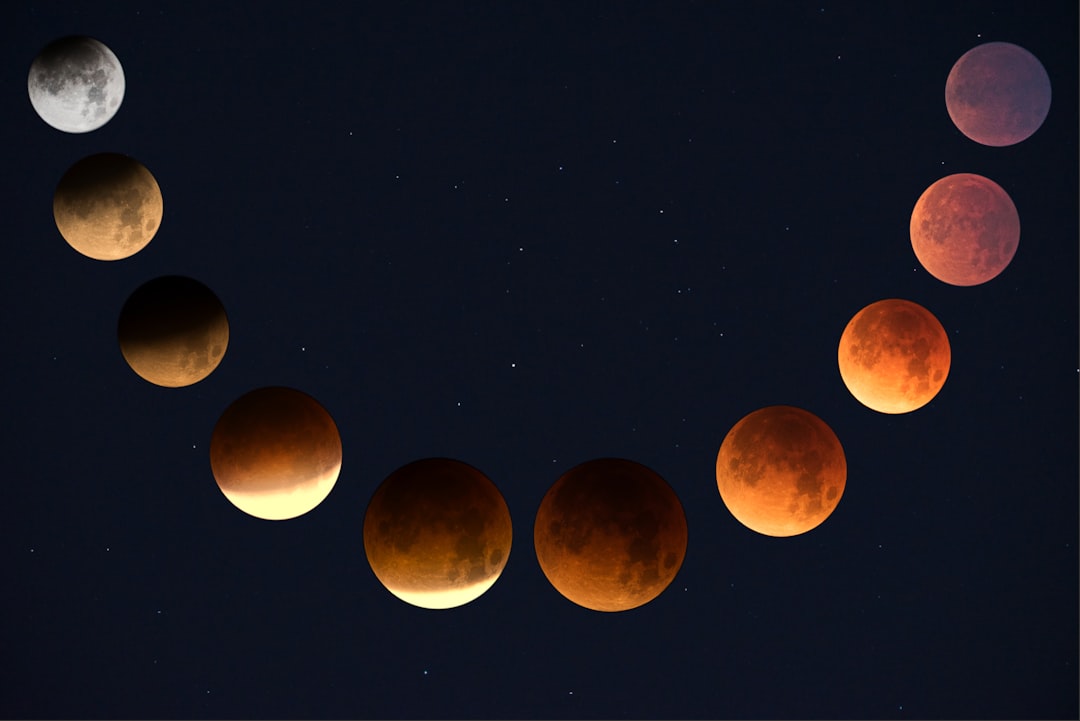
Solar and lunar eclipses held particular significance for the Tang court. These rare and dramatic events were extensively documented, with considerable effort made to predict their occurrence. The interpretation of eclipses was crucial. A solar eclipse, for instance, was often seen as a celestial “bite” or a sign of potential weakness in the emperor’s rule. The Imperial Bureau of Astronomy would be tasked with providing explanations and recommendations, which could involve imperial fasting, apologies to heaven, or other ritualistic acts to appease celestial forces and reassure the populace. The careful observation and interpretation of eclipses served as a means of demonstrating the emperor’s responsiveness to celestial signs.
Comets and Their Portents: Harbingers of Change
Comets, with their ephemeral and often striking appearances, were widely viewed as omens during the Tang Dynasty. While their physical nature was unknown, their appearance in the heavens was often associated with portents of war, famine, or political upheaval. Tang astronomers meticulously recorded their appearances, noting their direction, brightness, and duration. These records were then passed on to imperial counselors for interpretation. The precise nature of the omen, whether positive or negative, often depended on the comet’s characteristics and the prevailing political or social climate, influencing imperial decision-making and public pronouncements.
Planetary Movements and Astrological Correlations
The precise movements of the planets were closely observed and meticulously recorded. Beyond mere observation, these movements were linked to astrological interpretations that concerned the fate of the empire and the emperor. Specific planetary configurations were believed to correspond to particular earthly events or influences. The Imperial Bureau of Astronomy’s role extended to providing these astrological readings, which could inform policy regarding military campaigns, agricultural planning, and even the emperor’s personal well-being. This practice underscores the deeply ingrained belief in the interconnectedness of the celestial and terrestrial realms.
The Tang Dynasty, known for its cultural and scientific advancements, made significant contributions to astronomical observations that laid the groundwork for future developments in the field. Scholars during this period meticulously recorded celestial events and developed sophisticated instruments for stargazing. For a contemporary perspective on how such historical observations influence modern space exploration, you can read more about the ongoing US-China space rivalry in this insightful article. The interplay between ancient knowledge and current technological advancements continues to shape our understanding of the universe. To explore this further, visit this article.
The Legacy of Tang Astronomical Observations
The astronomical achievements of the Tang Dynasty were not isolated events but part of a continuous intellectual tradition. The meticulous records and sophisticated observational techniques developed during this period had a lasting impact on subsequent dynasties and contributed significantly to the advancement of astronomy in China and beyond. The emphasis on systematic observation and record-keeping provided a foundation for future scientific inquiry, and many of the observational data collected were invaluable for centuries.
Influence on Subsequent Dynasties and Calendrical Reforms
The astronomical knowledge and practices established during the Tang Dynasty served as a crucial foundation for subsequent Chinese dynasties. The records and methodologies of the Taishi Ju were inherited and adapted by later institutions, ensuring the continuity of astronomical research. Calendrical reforms, a recurring necessity throughout Chinese history due to the gradual drift of celestial cycles, often drew upon the extensive data accumulated during the Tang period. The accuracy of Tang observations allowed for more precise calculations in the development of new calendars, which were vital for maintaining social stability and imperial authority.
Contributions to the History of Science and Global Astronomy
The meticulous astronomical records of the Tang Dynasty represent a significant contribution to the global history of science. The detailed observations of comets, eclipses, and planetary movements provided valuable data that allowed for the testing and refinement of astronomical theories over long periods. These records have been studied by historians of science worldwide, offering insights into the scientific capabilities and cosmological understanding of pre-modern China. Furthermore, the sophisticated instruments and observational techniques developed during the Tang era, though different from Western approaches, demonstrate a parallel development in the scientific pursuit of understanding the cosmos, highlighting the universality of human curiosity about the universe. The Tang Dynasty’s legacy in astronomy is one of diligent observation, systematic record-keeping, and a profound understanding of the intricate relationship between the heavens and the earthly realm.
FAQs
What were the astronomical observations of the Tang Dynasty?
The Tang Dynasty made significant advancements in astronomy, including the development of accurate calendars, the observation of celestial phenomena, and the recording of astronomical events.
How did the Tang Dynasty contribute to astronomical knowledge?
The Tang Dynasty’s astronomers made important contributions to the understanding of celestial bodies, such as the discovery of new stars, the observation of comets and supernovae, and the mapping of the stars.
What tools and methods did the Tang Dynasty astronomers use for their observations?
Tang Dynasty astronomers used various instruments, such as armillary spheres, celestial globes, and sighting tubes, to make their observations. They also relied on careful measurements and mathematical calculations to record their findings.
What impact did the astronomical observations of the Tang Dynasty have on later generations?
The astronomical observations of the Tang Dynasty laid the foundation for future developments in astronomy and had a lasting impact on the study of celestial bodies in China and beyond.
What are some notable astronomical achievements of the Tang Dynasty?
Some notable astronomical achievements of the Tang Dynasty include the accurate prediction of solar and lunar eclipses, the compilation of star catalogs, and the establishment of observatories for systematic observations.