Australia’s 150,000-Year Fire Record
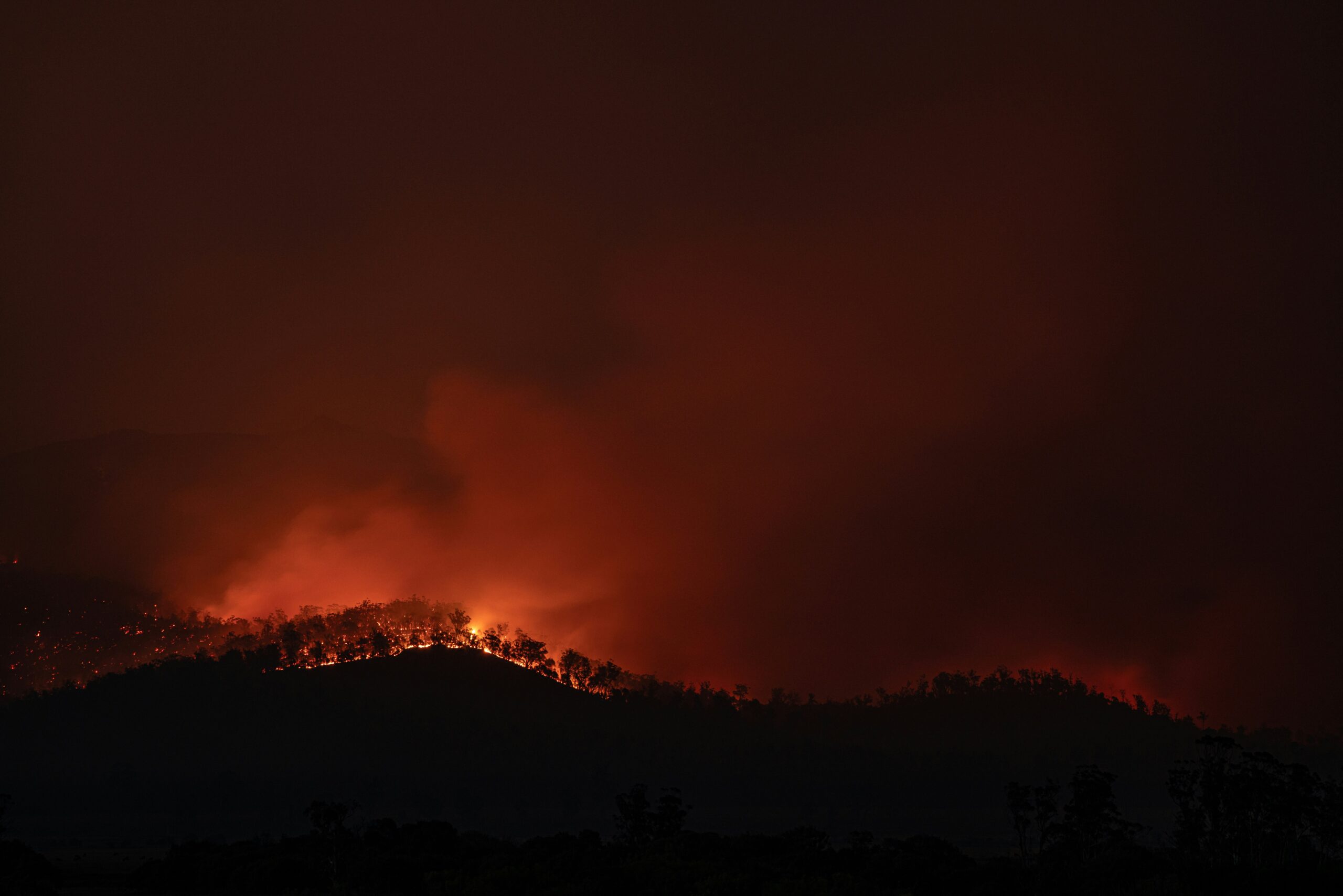
Australia, a continent sculpted by fire and time, possesses a remarkable and enduring fire record stretching back an astonishing 150,000 years. This deep history is not merely a scientific curiosity but a fundamental element in understanding the continent’s unique ecosystems, the resilience of its flora and fauna, and the deep cultural connections Indigenous Australians have forged with the land. For millennia, fire has been a constant, shaping landscapes, influencing species evolution, and serving as an integral tool for land management. Examining this vast temporal dataset reveals a dynamic interplay between natural ignitions, climate, and human activity, painting a picture of a continent that has learned to thrive in the embrace of the flame.
The evidence for Australia’s ancient fire history is etched in the very fabric of its land. Geologists and paleoecologists, through meticulous research, have pieced together a narrative of recurring fires that predates human arrival in many parts of the world. This ancient fire regime is not a recent phenomenon but a deeply embedded characteristic of the Australian environment, a testament to its climatic conditions and the inherent flammability of its vegetation.
Charcoal as a Silent Witness
One of the most compelling pieces of evidence for Australia’s long fire history lies in the geological record, specifically in the form of charcoal. Found within sediment cores, peat bogs, and ancient soil layers, charcoal particles are the indelible fingerprints of past fires. These microscopic remnants, when carefully analyzed, provide crucial data on the frequency, intensity, and extent of fires over vast timescales. Scientists can date these charcoal layers using radiocarbon dating and other chronometric techniques, allowing them to reconstruct fire histories with remarkable precision. The presence of charcoal layers dating back 150,000 years and beyond signifies that fire has been a persistent force across the continent, even during periods of significant climatic fluctuation. These ancient charcoal deposits reveal a cyclical pattern, with periods of increased fire activity often coinciding with warmer and drier climatic conditions, demonstrating the intrinsic link between climate and fire.
Pollen and Phytoliths: Unveiling Vegetational Shifts
Beyond charcoal, the study of pollen and phytoliths (silica-based microscopic structures produced by plants) found in sediment cores offers further insights into Australia’s fire history. Changes in the types and proportions of pollen grains can indicate shifts in vegetation composition over time. For instance, an increase in the pollen of fire-adapted species, such as certain Eucalyptus varieties or grasses, alongside a decrease in rainforest species, can signal a transition to a more fire-prone landscape. Similarly, the presence and abundance of specific phytoliths can reveal the types of grasses and sedges that dominated an area, and how these plant communities responded to and influenced fire regimes. These microscopic botanical clues, when analyzed in conjunction with charcoal data, provide a more nuanced understanding of how fire has shaped the evolution and distribution of Australia’s unique plant life over tens of thousands of years.
Ice Cores: A Global Connection to Ancient Flames
While direct ice core records are not a primary source of information for Australian fire history due to its geographical location, global ice core data can offer valuable contextual information. Antarctic ice cores, for instance, contain atmospheric dust and chemical markers that can reflect widespread environmental changes, including periods of increased fire activity on other continents. Fluctuations in atmospheric carbon dioxide and methane levels, which can be influenced by large-scale burning, are also recorded in ice cores. By correlating these global trends with more localized Australian fire records, scientists can gain a broader understanding of how continental-scale climatic shifts might have amplified or suppressed fire activity in Australia over geological time.
Recent studies have highlighted the significance of a 150,000-year fire record in Australia, shedding light on the region’s climate history and ecological changes. This extensive data not only provides insights into past fire regimes but also helps scientists understand the impact of human activity and climate change on fire patterns. For those interested in exploring more about how environmental factors influence different celestial bodies, a related article discusses NASA’s plans to control the moon’s water ice resources. You can read more about this fascinating topic by following this link: NASA to Control Moon’s Water Ice.
The Role of Climate and Natural Ignitions
Australia’s fire history is intrinsically linked to its climatic patterns and the natural mechanisms that have historically sparked fires. The continent’s arid and semi-arid regions, characterized by prolonged dry spells and flammable vegetation, are particularly susceptible to fire. These conditions, exacerbated by climate change, have historically created a natural propensity for wildfire.
Lightning: The Ancient Arsonist
Lightning strikes have been a primary natural ignition source for millennia across Australia. During thunderstorms, particularly in the warmer months, the immense electrical discharge can ignite dry vegetation. The frequency and intensity of lightning storms are influenced by broader climatic patterns, with hotter and drier periods often leading to increased thunderstorm activity. Evidence from Indigenous fire management practices, passed down through generations, often acknowledges lightning as a significant, albeit unpredictable, cause of fire. The ancient fire record, therefore, reflects periods where lightning activity, coupled with fuel availability, led to widespread ignitions.
El Niño-Southern Oscillation (ENSO) and Fire Cycles
The El Niño-Southern Oscillation (ENSO) phenomenon plays a crucial role in modulating Australia’s climate, and by extension, its fire regimes. During El Niño phases, much of eastern Australia experiences reduced rainfall and increased temperatures, creating ideal conditions for fire ignition and spread. Conversely, La Niña phases are typically wetter, suppressing fire activity. The long-term fire record, observable in geological strata, shows correlations between periods of increased fire activity and past El Niño-dominant climatic regimes. This cyclical interplay between ENSO and fire has been a defining feature of the Australian landscape for tens of thousands of years, shaping vegetation and influencing the frequency of large, destructive fires.
Droughts and Aridification: Fueling the Flames
Throughout its history, Australia has experienced periods of prolonged drought and aridification. These climatic shifts, driven by both long-term geological processes and more ephemeral climatic oscillations, have dramatically increased the flammability of the landscape. Vast tracts of vegetation dry out, becoming highly combustible and creating fuel loads that can sustain intense and widespread fires. The presence of ancient sand dunes, evidence of past aridification, also hints at periods when fire would have been a constant threat across larger areas of the continent. These extended dry periods, lasting for decades or even centuries, have been critical in shaping the fire-adapted nature of many Australian ecosystems.
Indigenous Australians: Fire as a Cultural and Ecological Tool

The arrival of Indigenous Australians approximately 65,000 years ago marked a profound shift in the continent’s fire landscape. Far from being passive observers of natural fires, Indigenous peoples actively managed the land using fire as a sophisticated tool, influencing ecosystems for millennia and forging a deep, reciprocal relationship with the fiery element. This intentional use of fire is a cornerstone of their cultural heritage and a testament to their profound ecological knowledge.
The Art of Cultural Burning
For tens of thousands of years, Indigenous Australians practiced sophisticated forms of “cultural burning” or “fire-stick farming.” This involved the deliberate lighting of small, controlled fires to manage vegetation, clear undergrowth, and promote the growth of specific plants and grasses. These fires were not aimed at widespread destruction but at maintaining a mosaic of different vegetation types, each at different stages of ecological succession. This practice had a profound impact on biodiversity, creating habitats for a wide range of animals and promoting the health of the landscape. The long-term fire record, when examined through the lens of Indigenous land management, shows a discernible shift in fire patterns and intensity following human arrival, suggesting a more managed and mosaic landscape.
Fire as a Tool for Resource Management
Cultural burning was deeply intertwined with Indigenous resource management strategies. By clearing dense undergrowth, fires facilitated the hunting of game, as animals were often driven out of burnt areas and into waiting hunters. Certain plant species, particularly tubers and grasses, responded positively to fire, with new growth becoming more abundant and accessible after a burn. This ensured a reliable food source for both humans and animals. The cyclical nature of these burns, often occurring during specific seasons and at specific intensities, ensured the long-term sustainability of these resources. The knowledge of which plants and animals responded best to fire, and how to manage fire to achieve desired outcomes, was passed down through intricate oral traditions and practices, demonstrating a profound understanding of ecological processes.
Fire and Biodiversity: A Symbiotic Relationship
The impact of Indigenous fire management on Australia’s biodiversity is undeniable. By creating a mosaic of habitats with varying fire histories, they prevented the dominance of single vegetation types and fostered a rich tapestry of life. Fire-adapted species, which rely on fire for germination or regeneration, thrived under this management regime. For example, certain eucalyptus species release their seeds only after being exposed to fire, and the open, nutrient-rich ash beds provide ideal conditions for their seedlings to grow. This deliberate manipulation of fire created ecological niches that supported a vast array of plant and animal life, contributing to the unique biodiversity that characterizes Australia today. The archaeological record, alongside contemporary ecological studies, highlights the success of this ancient and sustainable land management system.
The Post-European Arrival Era and Changing Fire Regimes
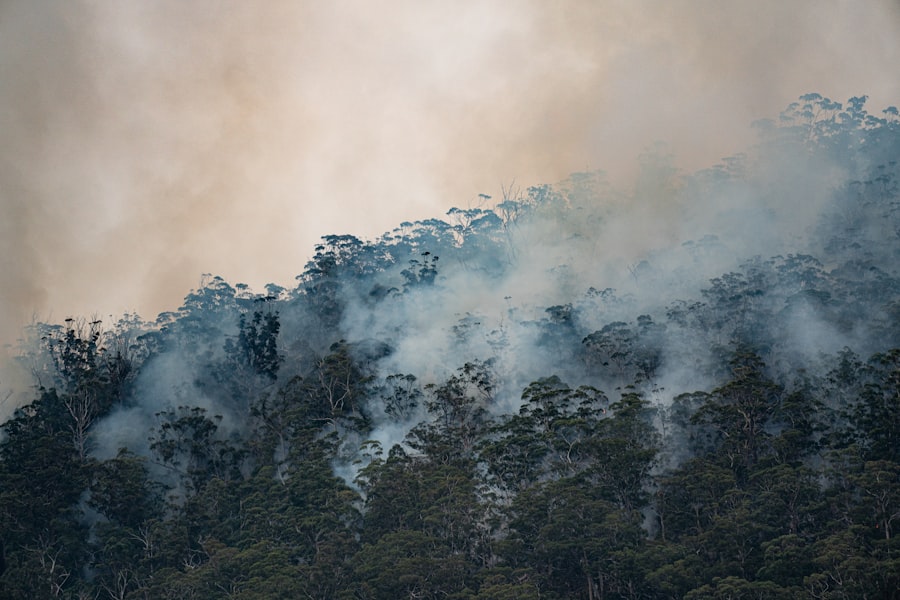
The arrival of Europeans in 1788 brought about a dramatic and often detrimental shift in Australia’s fire regimes. Colonial land management practices, driven by different priorities and a misunderstanding of the complex Indigenous fire knowledge, led to significant ecological consequences.
Suppression and Accumulation of Fuel
Early European settlers, often fearful of bushfires, adopted a policy of aggressive fire suppression. This involved extinguishing all fires, whether natural or intentionally lit. While seemingly a logical approach to preventing destructive fires, this strategy had the unintended consequence of allowing massive amounts of fuel to accumulate in the undergrowth. Without the regular, low-intensity burns practiced by Indigenous peoples, the landscape became increasingly prone to large, uncontrollable infernos when ignition eventually occurred. This build-up of fuel created a perfect storm for megafires, a phenomenon that has become increasingly common in recent decades.
Introduction of New Fuels and Fire Regimes
European settlement also led to the introduction of new plant species, some of which became highly flammable invasive weeds. These introduced species altered the natural fuel loads and fire behaviour, often making fires more intense and harder to control. The conversion of native grasslands to pasture for livestock also changed fire dynamics, with different grazing pressures and the introduction of exotic grasses influencing fuel availability and composition. This complex interplay of introduced species and altered land use practices contributed to a significant departure from the fire regimes that had existed for millennia.
The Rise of Megafires and Climate Change
In recent decades, Australia has witnessed an alarming increase in the frequency and intensity of megafires. These are fires that burn over vast areas, are exceptionally intense, and can burn for extended periods, often defying conventional firefighting efforts. While the legacy of fuel accumulation from past suppression policies is a significant factor, the undeniable influence of climate change is now exacerbating the problem. Rising global temperatures, more frequent and severe droughts, and increased heatwaves are creating increasingly extreme fire weather conditions. This convergence of historical land management practices and the accelerating impacts of climate change has pushed Australia’s fire regimes into a new and dangerous territory, far removed from the ancient, balanced patterns of the past.
Recent studies have revealed a remarkable 150,000-year fire record in Australia, shedding light on the continent’s long history of fire activity and its implications for climate change and biodiversity. This extensive research highlights the importance of understanding fire patterns to better manage ecosystems and mitigate future risks. For those interested in exploring how external factors can impact various sectors, including real estate, you might find this article on government seizure particularly insightful. You can read more about it here.
The Future of Australia’s Fire Record
| Year | Number of Fires | Area Burned (hectares) |
|---|---|---|
| 1851 | Unknown | 5 million |
| 1974 | 117,000 | 117 million |
| 2003 | 46,000 | 1.3 million |
| 2019-2020 | Unknown | 18.6 million |
As Australia navigates the complexities of a changing climate and the legacy of its fire history, understanding the deep past is crucial for shaping a sustainable future. The 150,000-year fire record offers invaluable lessons and a stark warning.
Relearning from Indigenous Knowledge
There is a growing recognition of the need to re-engage with and learn from the sophisticated fire management knowledge of Indigenous Australians. Cultural burning, when implemented appropriately, offers a vital tool for reducing fuel loads, restoring ecological health, and building landscape resilience. Many Indigenous communities are actively working to revive and adapt these ancient practices, recognizing their efficacy in a contemporary context. This collaborative approach, combining traditional ecological knowledge with modern scientific understanding, holds significant promise for managing Australia’s fire-prone landscapes more effectively.
Adapting to a Fire-Prone Future
Given the trajectory of climate change, Australia must prepare for a future where large and intense bushfires are likely to remain a significant threat. This requires a multi-faceted approach, encompassing improved fire prevention strategies, enhanced firefighting capabilities, and robust land use planning. Research into fire-resistant building materials, effective evacuation plans, and community preparedness initiatives are all essential components of adapting to this new reality. The historical record serves as a reminder that fire has always been a part of the Australian landscape, but the scale and intensity of future fires may demand unprecedented levels of preparedness and adaptation.
The Enduring Legacy of Fire
Australia’s 150,000-year fire record is a testament to the continent’s resilience and the profound interconnectedness of its natural systems. From the microscopic charcoal in ancient sediments to the vibrant regrowth after a bushfire, the story of fire is woven into the very identity of Australia. Understanding this deep history, respecting the knowledge of its First Peoples, and adapting to the challenges of a changing climate are all essential for ensuring the long-term health and vitality of this extraordinary continent. The flames that have shaped Australia for millennia will continue to be a powerful force, and navigating their future requires wisdom, respect, and a deep appreciation for the enduring legacy of fire.
The Wilderness Was Engineered
FAQs
What is the 150,000 year fire record in Australia?
The 150,000 year fire record in Australia refers to a study that analyzed charcoal records from sediment cores to reconstruct the history of fires in the region over the past 150,000 years. This study provides valuable insights into the natural variability of fire regimes in Australia.
What were the key findings of the study?
The study found that fire activity in Australia has been influenced by climate change and variability over the past 150,000 years. It also revealed that fire regimes in the region have been shaped by factors such as vegetation, climate, and human activity.
How does this study contribute to our understanding of fire history in Australia?
This study contributes to our understanding of fire history in Australia by providing a long-term perspective on the natural variability of fire regimes in the region. It helps researchers and policymakers better comprehend the factors that have influenced fire activity in Australia over millennia.
What are the implications of this study for fire management in Australia?
The findings of this study have implications for fire management in Australia, as they highlight the complex interactions between climate, vegetation, and fire activity. Understanding the long-term patterns of fire regimes can inform more effective fire management strategies in the future.
How can this research be used to address current and future fire challenges in Australia?
This research can be used to develop more informed and adaptive fire management policies and practices in Australia. By understanding the long-term dynamics of fire activity, policymakers and land managers can better prepare for and respond to current and future fire challenges in the region.