Understanding the Two Pillars of Genetic Ancestry
The quest to unravel one’s ancestral past has been revolutionized by the advent of genetic testing. While numerous genetic markers can offer insights, two primary avenues dominate the field of ancestry testing: autosomal DNA and Y-chromosome DNA. These distinct yet complementary approaches provide different perspectives on an individual’s heritage, tracing lineage through different pathways and offering unique kinds of information. Understanding the key differences between autosomal and Y-chromosome ancestry analysis is crucial for anyone embarking on a genetic genealogy journey, as it dictates the type of results one can expect and the questions that can be answered. Autosomal DNA, inherited equally from all ancestors, paints a broad picture of ethnic origins and distant relatives. Conversely, Y-chromosome DNA, passed down exclusively from father to son, offers a focused, paternal lineage tracing capability. This article will delve into the fundamental distinctions between these two powerful tools, exploring how they are inherited, the types of information they reveal, their respective strengths and limitations, and how they can be used in conjunction for a more comprehensive understanding of ancestral roots.
Understanding the differences between autosomal and Y chromosome ancestry can provide valuable insights into one’s genetic heritage and lineage. For a deeper exploration of how genetic ancestry can intersect with legal frameworks and national interests, you may find the article on legal frameworks for nationalization particularly relevant. It discusses the implications of genetic heritage in the context of sovereign interests and national identity. You can read more about this topic in the article here: Legal Frameworks for Nationalization: Protecting Sovereign Interests.
The Mechanics of Inheritance: How DNA Travels Through Generations
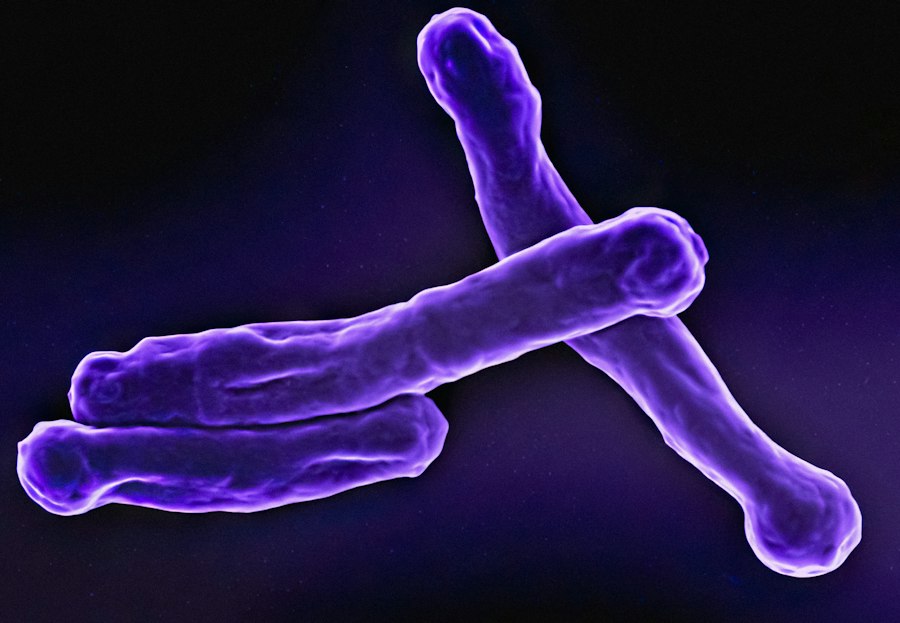
The fundamental divergence between autosomal and Y-chromosome ancestry lies in their distinct modes of inheritance. This difference dictates who carries the DNA and how it is passed down through generations, ultimately shaping the kind of ancestral narrative each can construct.
Autosomal DNA: The Great Mix of Inheritance
Autosomal DNA refers to the 22 pairs of chromosomes (numbered 1 through 22) that are not sex chromosomes. Humans receive one copy of each autosome from their mother and one from their father. This means that approximately 50% of an individual’s autosomal DNA comes from their mother and 50% from their father. Critically, this inheritance pattern is repeated with every generation. For instance, an individual’s grandparents each contribute 25% of their autosomal DNA, and great-grandparents contribute 12.5% each, and so on. This constant halving and recombining of genetic material mean that while autosomal DNA offers a comprehensive view of all ancestral lines, the contribution from any single distant ancestor becomes progressively smaller with each preceding generation.
The process of recombination, also known as crossing over, further complicates the direct tracing of specific ancestral segments. During meiosis, the process of creating sperm and egg cells, segments of homologous chromosomes are exchanged. This shuffling means that the exact combination of DNA inherited from a particular ancestor might not be identical in siblings, although they will share a significant proportion of autosomal DNA. This complexity, however, is also what allows autosomal DNA testing to identify a vast network of cousins, as even small shared segments can be indicative of a common ancestor, albeit potentially a distant one. The sheer volume of autosomal DNA – approximately 200,000 markers typically analyzed in consumer tests – allows for the identification of a wide array of ethnic admixtures and a broad genealogical search.
Y-Chromosome DNA: The Unbroken Male Line
The Y-chromosome is one of the two sex chromosomes (the other being the X chromosome). Males have one X and one Y chromosome (XY), while females have two X chromosomes (XX). The Y-chromosome is unique because it is passed down almost exclusively from father to son. A father’s Y-chromosome is present in all of his sons, and they, in turn, pass it on to their sons. This unbroken paternal lineage is the defining characteristic of Y-DNA testing. Therefore, a Y-DNA test can only be performed by males and can only trace the direct paternal line: father, father’s father, father’s father’s father, and so forth, back through countless generations.
Unlike autosomal DNA, Y-DNA does not undergo recombination in the same way. While there are regions of the Y-chromosome that can undergo recombination, the core paternal lineage markers remain largely intact. This means that Y-DNA can be used to track a specific Y-chromosome haplogroup, which represents a group of individuals who share a common ancestor on the paternal line from a very deep past, often tens or even hundreds of thousands of years ago. Mutations do occur in the Y-chromosome over time, and these mutations act as markers that allow for the differentiation of different Y-DNA haplogroups and subclades. By analyzing these mutations, researchers can estimate the time of divergence from common ancestors and map out the ancient migrations of paternal lineages across the globe.
Types of Ancestral Information Revealed
The distinct inheritance patterns of autosomal and Y-chromosome DNA lead to fundamentally different types of ancestral information being revealed. Each type of test offers a unique lens through which to view one’s heritage.
Autosomal DNA: Unveiling Ethnic Origins and Distant Kin
Autosomal DNA testing is the most common type offered by major direct-to-consumer genetic testing companies. The primary output of an autosomal DNA test is an ethnicity estimate, which breaks down an individual’s ancestry into percentages attributed to various geographic regions and populations. These estimates are derived by comparing an individual’s autosomal DNA to reference populations in a company’s database. These reference populations are composed of individuals whose recent ancestors are known to have lived in specific regions. For example, a significant percentage attributed to “Irish” indicates that a substantial portion of the tested individual’s autosomal DNA closely matches the DNA profiles of people with Irish heritage.
Beyond ethnicity, autosomal DNA is exceptionally powerful for identifying living relatives. The principle here is shared DNA: the more DNA an individual shares with another person, the more closely related they are likely to be. Companies use algorithms to compare an individual’s autosomal DNA with that of all other users in their database. This comparison can reveal matches to individuals who are estimated to be second cousins, third cousins, fourth cousins, or even more distant relations. These matches can be invaluable for genealogical research, especially when combined with traditional research methods. For individuals who have adopted or have gaps in their family tree, autosomal DNA can provide clues to their biological families and help them connect with unknown relatives who might hold missing pieces of their ancestral puzzle. The breadth of autosomal DNA analysis means it can identify ancestors from all branches of one’s family tree, both maternal and paternal, and from many generations past.
Y-Chromosome DNA: Tracing the Paternal Journey
Y-chromosome DNA testing, often referred to as Y-DNA testing, focuses exclusively on the direct paternal line. The primary information derived from Y-DNA testing is the Y-haplogroup. This haplogroup assignment provides a deep ancestral insight, tracing a lineage back thousands or tens of thousands of years to a specific geographic region and time when the ancestral mutation that defines that haplogroup first arose. For example, a Y-haplogroup like R1b is common in Western Europe, suggesting a deep paternal ancestry from that region. Similarly, haplogroup N is prevalent in Northern Europe and Asia.
Beyond the broad haplogroup assignment, Y-DNA testing can also be used to identify very distant paternal relatives. This is achieved by analyzing specific short tandem repeat (STR) markers on the Y-chromosome. The number of repeats at these markers can vary between individuals due to mutations. By comparing the STR profiles of different individuals, it’s possible to estimate the number of generations that have passed since they shared a common paternal ancestor. While autosomal DNA can identify many relatives across all branches of the family tree, Y-DNA is specifically for finding men who share the same direct paternal ancestor. This can be particularly useful for men who are looking to connect with other individuals who share their surname (if the surname has been passed down paternally for a long time) or to confirm a specific paternal line in their genealogical research. The resolution of Y-DNA testing for identifying closer relatives is generally lower than autosomal DNA; it’s more effective for identifying very ancient connections or very distant paternal cousins who have also taken the test.
Strengths and Limitations of Each Approach
Both autosomal and Y-chromosome DNA testing offer unique advantages and come with inherent limitations. Recognizing these differences is key to setting realistic expectations and making informed choices about which tests to pursue.
Autosomal DNA: Broad Scope, Deeper into Recent Past
The greatest strength of autosomal DNA testing lies in its comprehensive nature. By examining millions of genetic markers across 22 pairs of chromosomes, it provides a broad overview of an individual’s genetic heritage. This makes it ideal for identifying ethnicity estimates from a wide range of populations and for connecting with a large number of relatives across all ancestral lines, both maternal and paternal. The shared DNA segments detected by autosomal testing are indicative of more recent ancestral connections, typically within the last five to eight generations. This makes it a powerful tool for uncovering contemporary cousins and for filling in gaps in recent family history, particularly for adopted individuals or those with incomplete genealogical records.
However, the very nature of autosomal inheritance also presents limitations. Due to recombination and the diminishing contribution of any single ancestor with each preceding generation, the signal from very ancient ancestors becomes diluted. While autosomal DNA can indicate a general propensity towards certain broad ethnic groups, it is less precise for tracing specific ancient migrations or identifying very deep ancestral origins compared to Y-DNA or mtDNA. Furthermore, while it can identify many relatives, pinpointing the exact relationship and the specific ancestor responsible for the shared DNA can sometimes be challenging, especially for distant matches. The ethnicity estimates, while generally accurate for broader regions, can sometimes be imprecise or shift slightly as databases and algorithms are updated by testing companies.
Y-Chromosome DNA: Focused Precision, Ancient Depths
The primary strength of Y-chromosome DNA testing lies in its precision for tracing the direct paternal lineage. For men, it offers an uninterrupted path back through generations of fathers, providing a clear and consistent ancestral narrative. The Y-haplogroup assignment offers profound insights into deep human prehistory, revealing ancient migratory patterns and ancestral origins that predate recorded history. This can be incredibly illuminating for understanding one’s place in the grand sweep of human migration. The stability of the Y-chromosome means that it can be used to identify very distant paternal cousins with a high degree of confidence, especially when analyzing a sufficient number of STR markers. For men researching their surname’s origins or seeking to connect with others who share a distinct paternal line, Y-DNA testing is an unparalleled tool.
The main limitation of Y-DNA testing is its exclusivity. It is only available to biological males, as females do not possess a Y-chromosome. This means that women cannot use Y-DNA testing to trace their paternal line directly; they would need to have a biological male relative (father, brother, paternal uncle, etc.) take the test. Additionally, Y-DNA testing is limited to a single ancestral line – the paternal one. It provides no information about the maternal line or any other branches of the family tree. The focus on deep ancestry means that while it can identify very distant paternal relatives, it is generally less effective than autosomal DNA for identifying closer cousins within the last few generations. The number of mutations that occur on the Y-chromosome are relatively slow, meaning that very fine-grained distinctions between close paternal relatives within a few generations are harder to discern with Y-DNA alone.
Understanding the differences between autosomal and Y chromosome ancestry can provide valuable insights into our genetic heritage. For those interested in exploring how these genetic markers influence our understanding of lineage and ancestry, a related article discusses the broader implications of genetic exploration in various contexts. You can read more about this fascinating topic in the article found here, which delves into the significance of genetic research in shaping our knowledge of human history and exploration.
Applications and Synergies in Genealogical Research
| Aspect | Autosomal DNA | Y Chromosome DNA |
|---|---|---|
| Inheritance Pattern | Inherited from both parents (50% from each) | Inherited strictly from father to son |
| Chromosome Type | Non-sex chromosomes (22 pairs) | Sex chromosome (Y chromosome) |
| Gender Specificity | Present in both males and females | Present only in males |
| Use in Ancestry Testing | Provides a broad overview of ancestry from all ancestral lines | Traces direct paternal lineage only |
| Generational Depth | Effective for recent ancestry (up to ~5-7 generations) | Can trace paternal lineage back hundreds to thousands of years |
| Genetic Variation | High recombination leads to mixed genetic signals | Low recombination, more stable markers |
| Markers Used | SNPs and STRs across autosomes | Y-STRs and Y-SNPs specific to Y chromosome |
| Limitations | Less effective for deep paternal or maternal lineage tracing | Only traces paternal line, ignores maternal ancestry |
Understanding the distinct capabilities of autosomal and Y-chromosome DNA testing allows individuals to leverage them strategically in their genealogical pursuits, either individually or in combination.
Autosomal DNA: The Cornerstone for Broad Ancestry and Cousin Discovery
Autosomal DNA forms the bedrock of most consumer genetic genealogy. Its ability to identify a wide spectrum of ethnic admixtures and to connect with a vast network of cousins makes it the first port of call for many embarking on their ancestry journey. For individuals seeking to understand their ethnic makeup, identify the origins of their ancestors, or find living relatives with whom they share common ancestors, autosomal DNA is indispensable. It is particularly beneficial for those with limited existing genealogical information, such as adopted individuals or those with a family history shrouded in mystery. The shared DNA matches generated by autosomal tests can provide crucial clues and starting points for further traditional genealogical research, such as census records, birth certificates, and immigration documents.
By analyzing shared DNA segments with identified matches, researchers can often deduce the degree of relatedness and infer which side of the family the common ancestor might be on. This can lead to the discovery of new branches of the family tree, uncovering previously unknown relatives and family stories. The collaborative nature of these databases means that by testing, individuals contribute to a larger pool of genetic information, increasing the chances of finding connections for themselves and others. Companies often provide tools to sort matches by estimated relationship and allow users to communicate with their matches, fostering a collaborative approach to genealogy.
Y-Chromosome DNA: Deep Dives into Paternal Legacies
Y-chromosome DNA testing is a powerful tool for those specifically interested in their paternal lineage and deep ancestral origins. For men, it offers a direct line of inquiry into their father’s father’s father’s ancestral journey, tracing it back through millennia. This can be particularly compelling for individuals who wish to understand the ancient migrations of their paternal ancestors, their origins in prehistoric times, and their connection to specific ancient populations or haplogroups. It can also be a valuable resource for surname studies, helping to confirm or refute paternal connections within families that share a common surname, especially if the surname has a long and consistent history of paternal inheritance.
When used in conjunction with autosomal DNA, Y-DNA can provide a more complete ancestral narrative. While autosomal DNA might reveal a distant paternal cousin, Y-DNA can confirm that the shared ancestry is indeed on the direct paternal line and can offer insights into the ancient origins of that specific paternal lineage. This combination can be extremely useful for breaking down genealogical brick walls. For instance, if autosomal DNA points to a potential paternal relative in a specific region but the exact connection is unclear, a Y-DNA test on a male descendant from that suspected lineage could confirm a deep paternal link and provide haplogroup information that aligns with the geographical area. Similarly, if a particular surname is believed to have a long and distinct paternal history, Y-DNA testing can be used to identify individuals with the same surname who share a common Y-chromosome, thereby supporting or refuting the hypothesis of a shared paternal ancestor.
The Future of Ancestry Testing: Integration and Refinement
The field of genetic ancestry testing is constantly evolving, with ongoing advancements in technology and a growing understanding of the human genome. The future points towards greater integration of different DNA types and more sophisticated analytical tools.
Advances in Technology and Data Analysis
Technological advancements are continually improving the accuracy and scope of genetic ancestry testing. Newer genotyping chips analyze a greater number of markers, leading to more precise ethnicity estimates and a higher likelihood of identifying relatives. Next-generation sequencing (NGS) is also becoming more accessible, offering the potential to analyze entire genomes or specific segments of DNA with unparalleled detail. This could lead to the identification of even rarer genetic markers and a deeper understanding of individual genetic predispositions and ancestral connections.
Furthermore, the algorithms used to interpret genetic data are becoming increasingly sophisticated. Machine learning and artificial intelligence are being employed to refine ethnicity estimates, improve the prediction of relative relationships, and uncover complex ancestral patterns. Databases are continuously growing with new reference populations and an expanding pool of user data, providing more robust comparisons. The trend is towards greater interoperability between different testing companies, allowing users to upload their raw DNA data from one service to another, thereby expanding their potential for cousin matches and comparative analysis. This integration promises to unlock even richer ancestral narratives and facilitate more profound genealogical discoveries.
The Power of Combined Approaches for a Holistic View
The ultimate goal in genetic genealogy is to build the most comprehensive and accurate ancestral profile possible. While autosomal and Y-chromosome testing offer distinct perspectives, their true power is unleashed when used in concert. Autosomal DNA provides the broad strokes, detailing ethnic makeup and identifying a multitude of living relatives across all ancestral lines. Y-chromosome DNA, for males, then offers a deep dive into a specific paternal legacy, tracing ancient migratory routes and confirming paternal connections.
For example, a woman might use autosomal DNA to discover a strong Irish ethnicity and identify a cluster of cousins in the United States. She might then ask a paternal uncle to take a Y-DNA test. If his Y-haplogroup aligns with ancient migrations from Ireland, it solidifies the ancestral link to that region on the paternal side. Conversely, a man might use Y-DNA to discover he belongs to a haplogroup prevalent in the Iberian Peninsula. He could then use autosomal DNA to identify living cousins who might have ancestral roots in that same region, helping to pinpoint the specific ancestral family lines that contributed to his heritage. The synergistic use of these different types of genetic testing allows for a more nuanced, detailed, and complete understanding of one’s ancestral journey, bridging the gap between ancient migrations and recent family history. As technology and data analysis continue to advance, the integration of autosomal, Y-chromosome, and even mitochondrial DNA (which traces the direct maternal line) will undoubtedly provide even more profound insights into the complex tapestry of human ancestry.
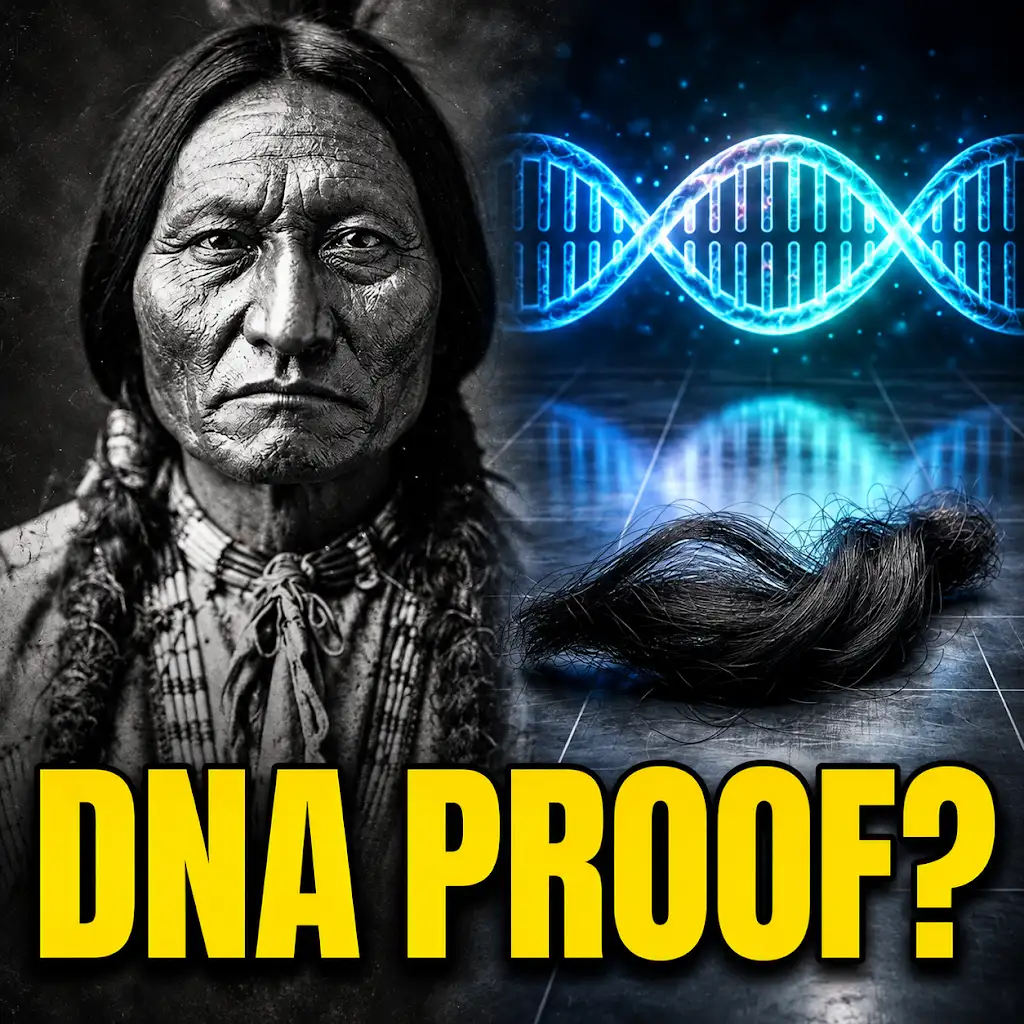
The Sitting Bull DNA Test: What Did It Actually Prove?
FAQs
What is the difference between autosomal and Y chromosome ancestry?
Autosomal ancestry refers to the genetic information inherited from both parents, while Y chromosome ancestry specifically traces the paternal lineage.
How is autosomal ancestry inherited?
Autosomal ancestry is inherited from both parents, with each parent contributing half of their autosomal DNA to their offspring.
What does Y chromosome ancestry reveal?
Y chromosome ancestry reveals information about a person’s paternal lineage, as the Y chromosome is passed down from father to son with minimal changes.
Can autosomal ancestry testing provide more comprehensive genetic information?
Yes, autosomal ancestry testing can provide a broader picture of a person’s genetic heritage by analyzing DNA from both sides of the family, including maternal and paternal lineages.
How do autosomal and Y chromosome ancestry tests differ in terms of accuracy?
Autosomal ancestry tests are generally more accurate in determining overall genetic ancestry, while Y chromosome tests are more specific in tracing paternal lineage but may not provide a complete picture of one’s overall ancestry.