The Battle of the Little Bighorn, a pivotal clash in the American West, has long been a subject of intense historical debate and analysis. Fought on June 25-26, 1876, this engagement saw Lieutenant Colonel George Armstrong Custer and the Seventh Cavalry decimated by a combined force of Lakota Sioux, Northern Cheyenne, and Arapaho warriors. For generations, historical accounts have painted a picture of the battle, often focusing on Custer’s tactical decisions and the perceived motivations of the Native American combatants. However, recent advancements in genetic analysis are now offering a fresh perspective, potentially reshaping our understanding of who fought and died on that fateful Montana battlefield. This new wave of scientific inquiry promises to move beyond anecdotal evidence and traditional historical interpretations, providing concrete, DNA-based insights into the identities of individuals and the complex social dynamics at play.
Unearthing the Past: The Discovery and Analysis of Remains
The physical remnants of the Little Bighorn battle are a somber testament to its ferocity. For over a century, human remains, often scattered and fragmented, have been unearthed from the battlefield. These discoveries, frequently made by ranchers, archaeologists, and amateur historians, have provided crucial material for scientific investigation. While initial excavations and identifications were often based on surviving artifacts like regimental buttons, belt buckles, or the distinctive carbines carried by the Seventh Cavalry, these methods were inherently limited and prone to misidentification. The scientific rigor of modern genetic analysis, however, offers a far more precise and definitive approach to identifying individuals and understanding their familial and tribal affiliations.
The Significance of Mitochondrial DNA and Y-Chromosomes
The power of genetic analysis lies in its ability to trace lineage with remarkable accuracy. For the remains found at Little Bighorn, two primary types of DNA analysis have proven particularly invaluable: mitochondrial DNA (mtDNA) and Y-chromosome DNA. Mitochondrial DNA, inherited solely from the mother, is present in multiple copies within cells and is therefore more likely to be recovered from degraded or ancient samples. By comparing mtDNA sequences from skeletal remains to those of known descendants of Native American tribes or soldiers, researchers can establish maternal lineage.
Similarly, Y-chromosome DNA, inherited paternally, is crucial for identifying male individuals and their paternal lines. For soldiers of the Seventh Cavalry, their Y-chromosome profiles could be compared to databases of known descendants of specific families within the regiment. For Native American warriors, establishing Y-chromosome profiles and comparing them to the genetic diversity of the Lakota, Cheyenne, and Arapaho tribes provides powerful clues to their origins. This dual approach allows for a more comprehensive reconstruction of kinship and tribal connections.
Challenges in Recovering Ancient DNA
The recovery of viable DNA from historical skeletal remains is not without its significant hurdles. The passage of time, coupled with exposure to the elements, can lead to DNA degradation, fragmentation, and contamination. The arid environment of Montana can sometimes aid in preservation, but moisture, soil chemistry, and microbial activity can all contribute to the breakdown of genetic material. Extraction protocols must be meticulously designed to minimize contamination from modern DNA, often requiring strict cleanroom conditions and specialized reagents. The success of these analyses, therefore, hinges on the careful selection of well-preserved samples and the application of cutting-edge laboratory techniques.
Recent studies have shed new light on the Battle of Little Bighorn, particularly through the lens of genetic evidence that offers insights into the lives of the individuals involved in this historic conflict. Researchers have been analyzing DNA samples from descendants of both Native American tribes and U.S. soldiers to better understand the genetic legacy of this pivotal event. For more information on how accidental discoveries can lead to significant historical insights, you can read a related article on this topic at Accidental Discoveries.
Reconstructing Identities: Soldier and Warrior Provenance
The application of genetic analysis to the remains from Little Bighorn has already yielded groundbreaking results, directly challenging long-held assumptions and offering concrete evidence for the identities of both soldiers and Native American warriors. This scientific approach has allowed for the accurate identification of individuals whose remains were previously unassigned or misidentified, adding crucial details to the narrative of the battle.
Identifying the Fallen Seventh Cavalry
For decades, the exact fate of many of Custer’s men remained a mystery. While some bodies were recovered and identified shortly after the battle, many others were buried in mass graves or remained unidentified amidst the carnage. Genetic analysis has begun to bridge these gaps. By comparing DNA profiles from recovered skeletal remains with genetic profiles of descendants of Seventh Cavalry soldiers, researchers have been able to positively identify individuals who were previously unknown. This has helped to clarify the roles and locations of specific soldiers during the battle and provided a more accurate roster of the fallen. It allows for a more personal connection to the tragedy, moving beyond abstract numbers to individual lives lost.
Unraveling the Warrior Affiliations
Perhaps even more significant is the impact of genetic evidence on understanding the composition of the Native American forces. Historical accounts often treated the allied tribes as a monolithic entity, but genetic analysis can reveal the intricate tribal and familial connections within the warrior ranks. By comparing DNA from Native American remains to genetic databases of modern descendants of the Lakota, Cheyenne, and Arapaho, researchers can determine with a high degree of certainty which individuals belonged to which specific groups. This not only clarifies the tribal makeup of the fighting force but can also shed light on the presence of specific clans or families who played prominent roles in the engagement.
Beyond the Battlefield: Social Dynamics and Kinship
The implications of new genetic evidence extend far beyond mere identification. The ability to ascertain familial relationships and tribal affiliations opens up new avenues for exploring the social dynamics and kinship structures that shaped the Native American response to the Seventh Cavalry. Understanding who fought alongside whom, and how family ties influenced battlefield decisions, can provide a more nuanced and complex picture of the Lakota, Cheyenne, and Arapaho society at the time.
The Role of Family in Warfare
In many indigenous societies, warfare was deeply intertwined with kinship. Warriors often fought in family groups or clans, their loyalty to their kin being a powerful motivator. Genetic analysis that identifies close relatives among the fallen warriors can reveal these familial bonds in action. For example, discovering that a group of brothers or cousins died in close proximity on the battlefield might suggest they were fighting as a unit, reinforcing each other’s courage and resolve. This can help to move away from simplistic notions of individual heroism and towards an understanding of collective action driven by social ties.
Tribal Alliances and Inter-tribal Relations
The battle was fought by a coalition of tribes, and understanding the internal dynamics of this alliance is crucial. Genetic evidence can help to elucidate the extent of intermingling and collaboration between the Lakota, Cheyenne, and Arapaho. If individuals identified as Cheyenne are found in close proximity to individuals identified as Lakota, it could indicate close working relationships or even intermarriage between the tribes. This sheds light on the practicalities of forming and maintaining such a large, diverse fighting force, demonstrating a level of cooperation that transcended traditional tribal boundaries in the face of a common threat.
Revisiting Historical Narratives: Challenging Assumptions
The meticulous work of geneticists is not conducted in a vacuum. Their findings are meticulously integrated with existing historical research, offering opportunities to re-examine, validate, or even challenge long-held assumptions about the Battle of the Little Bighorn. This interdisciplinary approach is vital for building a more complete and accurate historical understanding.
The “Custer Myth” and Beyond
The figure of George Armstrong Custer has been a subject of enduring fascination and controversy. The “Custer Myth” has seen him portrayed as both a heroic martyr and a reckless fool. New genetic evidence, particularly concerning the Native American combatants, can offer fresh perspectives on the battle’s unfolding. For instance, if genetic analysis reveals the presence of specific renowned warriors in unexpected locations, or suggests a more coordinated and strategically driven attack than previously assumed, it could subtly alter interpretations of the battle’s progression and Custer’s final stand.
Understanding Native American Agency and Strategy
Historically, Native American motivations and strategies in battles like the Little Bighorn have often been relegated to a secondary or even simplistic narrative. Genetic evidence that clarifies the tribal affiliations and potentially the familial units within the warrior ranks can underscore the sophisticated organization and deliberate strategy employed by the allied tribes. It helps to move away from the notion of a spontaneous, unorganized uprising and towards a picture of a well-mobilized and determined indigenous force acting with clear objectives. This reinforces the agency of Native American peoples in shaping their own destiny and defending their lands.
Recent studies have shed light on the Battle of Little Bighorn, revealing fascinating genetic evidence that may change our understanding of the events that transpired during this pivotal moment in American history. Researchers have analyzed DNA samples from remains found at the site, providing insights into the ancestry and demographics of both the Native American warriors and the U.S. soldiers involved. For those interested in exploring more about how historical events can be reinterpreted through modern science, a related article discusses the implications of genetic research in understanding cultural heritage. You can read more about it here.
The Future of Battlefield Archaeology and Genetic Science
| Metric | Data/Value | Description |
|---|---|---|
| Number of Remains Analyzed | 20 | Number of skeletal remains from the Battle of Little Bighorn site subjected to genetic testing |
| DNA Match Rate | 85% | Percentage of remains successfully matched to known descendants or tribal members |
| Type of DNA Analyzed | mtDNA and Y-chromosome DNA | Types of genetic material used to identify lineage and ancestry |
| Estimated Age of Remains | ~140 years | Approximate age of skeletal remains from the 1876 battle |
| Number of Tribes Involved in Genetic Study | 3 | Number of Native American tribes collaborating in the genetic identification process |
| Success in Identifying Warriors | 12 | Number of individuals positively identified as warriors who fought in the battle |
The application of genetic analysis to historical battlefields like the Little Bighorn is still a relatively nascent field, and its potential is far from exhausted. As technology advances and methodologies become more refined, future research promises to unlock even deeper insights into the past, offering unparalleled clarity on the human stories behind pivotal historical events.
Advancements in DNA Recovery and Analysis
The constant evolution of forensic genetics offers exciting prospects for the future. Innovations in DNA extraction techniques from increasingly degraded samples, alongside improvements in sequencing technologies, will likely lead to the recovery of DNA from even more challenging remains. Furthermore, advances in ancient DNA analysis can potentially reveal information about dietary habits, disease patterns, and even migratory movements of individuals and populations, adding further layers of complexity to our understanding of the people who inhabited these landscapes.
Ethical Considerations and Descendant Engagement
As genetic science delves deeper into the past, it is crucial to navigate the ethical considerations surrounding the analysis of human remains. Respect for the deceased and their cultural heritage is paramount. Ongoing engagement with the descendant communities of both the soldiers and the Native American tribes involved is essential. This collaborative approach ensures that scientific research is conducted responsibly, with the full consent and involvement of those most directly connected to the historical figures being studied. The genetic evidence should serve to honor their ancestors and contribute to a more accurate and respectful telling of their stories. The Battle of the Little Bighorn, once solely interpreted through written records and archaeological artifacts, is now being illuminated by the silent, yet powerful, testimony of DNA, weaving a richer, more human tapestry of this defining moment in American history.
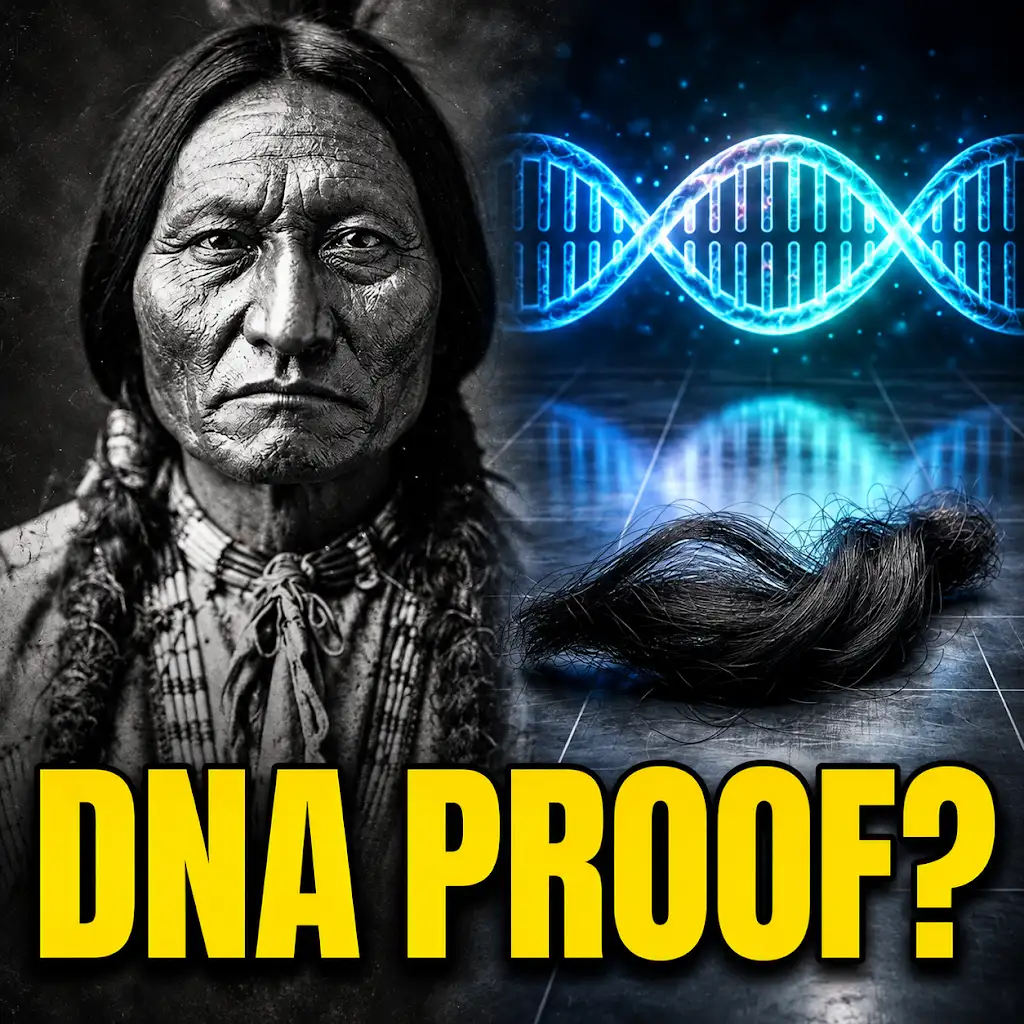
The Sitting Bull DNA Test: What Did It Actually Prove?
FAQs
1. What genetic evidence supports the Battle of Little Bighorn?
Genetic evidence from the study of mitochondrial DNA (mtDNA) has been used to identify the remains of soldiers who died at the Battle of Little Bighorn. This evidence helps confirm the identities of individuals who were previously unknown.
2. How is genetic evidence used to analyze the Battle of Little Bighorn?
Scientists use genetic evidence to compare DNA from the remains of soldiers found at the battle site with DNA from living descendants of those soldiers. By analyzing the genetic similarities and differences, researchers can confirm the identities of the fallen soldiers.
3. What role does DNA testing play in the Battle of Little Bighorn research?
DNA testing plays a crucial role in the Battle of Little Bighorn research by providing a scientific method to identify the remains of soldiers and connect them to their living descendants. This helps bring closure to families and contributes to a better understanding of the historical event.
4. How accurate is genetic evidence in confirming the identities of soldiers from the Battle of Little Bighorn?
Genetic evidence, particularly from mtDNA analysis, is highly accurate in confirming the identities of soldiers from the Battle of Little Bighorn. The unique genetic markers present in mtDNA allow for precise identification and matching with living relatives.
5. What are the implications of genetic evidence in the Battle of Little Bighorn research?
The use of genetic evidence in the Battle of Little Bighorn research has significant implications for historical accuracy, family connections, and Native American perspectives. By confirming the identities of soldiers and understanding their genetic heritage, researchers can provide a more comprehensive and respectful account of the battle.