Beneath Egypt: Lost Prehistoric World
The sands of Egypt, stretching across millennia, have always held secrets. While the world marvels at the pyramids, the Sphinx, and the opulent tombs of pharaohs, an even older, more profound narrative lies buried, obscured by the relentless march of time and the shifting dunes. This is the story of a lost prehistoric world, a realm of colossal creatures, nascent civilizations, and a landscape dramatically different from the arid plains of today. “Beneath Egypt: Lost Prehistoric World” ventures into this forgotten epoch, unearthing evidence that challenges our understanding of ancient Egypt and the very origins of human civilization. It is a journey not just through the earth, but through time itself, revealing a planet teeming with life and mystery long before the first dynastic ruler ascended the throne.
The sheer age of Egypt’s geological formations hints at a past far removed from human memory. Beneath the familiar desert surface lie strata that record epochs of Earth’s history, long before the first hominids walked the land. These layers are a testament to a dynamic planet, one that has undergone dramatic transformations, shaping the environment in which life would eventually flourish, and then, in its nascent stages, evolve into something remarkable.
The Ancient Waterways: A Prehistoric Riverine Landscape
One of the most striking revelations of this lost world is the pervasive presence of water. The Sahara, now synonymous with aridity, was once a vastly different place, characterized by extensive river systems and large bodies of water. Geologists and paleontologists have unearthed compelling evidence of these ancient waterways, tracing their paths through the desert’s subsurface. These were not mere trickles but mighty rivers that carved through the landscape, supporting a rich and diverse ecosystem.
Tracing the Paleorivers: Geological Signatures of Abundance
The geological record speaks volumes about these forgotten watercourses. Sedimentary rocks, laid down over millions of years, bear the distinct signatures of riverbeds, floodplains, and ancient deltas. Fossils of freshwater organisms, such as fish, mollusks, and aquatic plants, are frequently discovered, painting a vivid picture of a once-vibrant aquatic environment. These findings suggest that the Nile, the lifeblood of modern Egypt, was once part of a far more expansive and complex river network, capable of sustaining life on a grand scale. The sheer volume of water indicated by these geological features points to a climatic regime vastly different from the one that prevails today, with significantly higher rainfall and more extensive surface water.
Fossilized Flora and Fauna: Echoes of a Greener Past
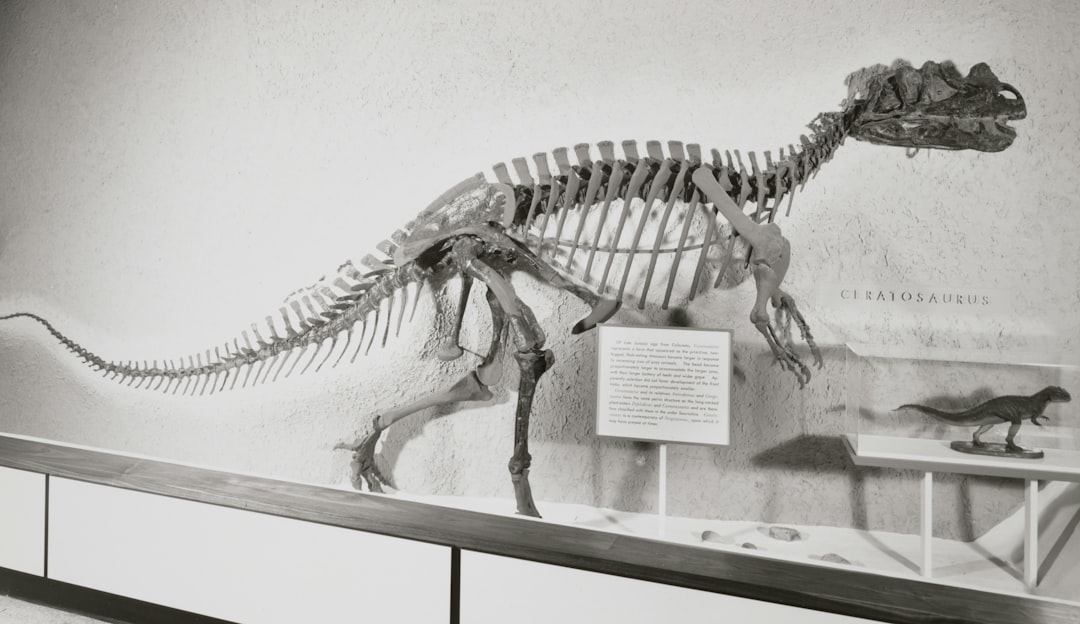
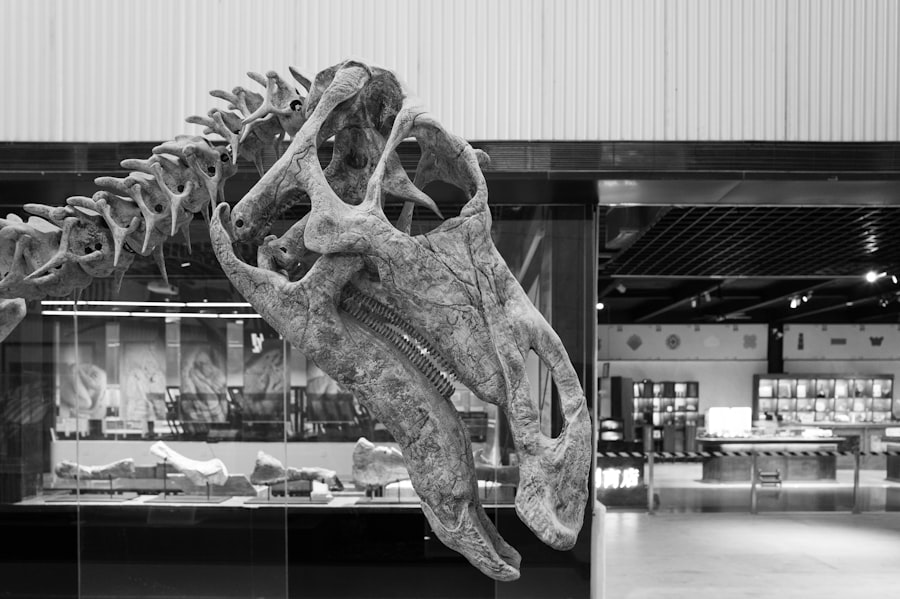
The fossil record further illuminates this ancient aquatic world. Dinosaur remains, though not as prevalent as in some other prehistoric sites globally, have been found, indicating that these magnificent creatures once roamed the land that would become Egypt. More significantly, the evidence points to a rich tapestry of prehistoric life adapted to these watery environments. The discovery of fossilized remains of large reptiles, amphibians, and a multitude of invertebrate species provides tangible proof of a thriving ecosystem. These findings are not isolated incidents but are part of a larger pattern that suggests a widespread and enduring presence of life that depended on these ancient waterways.
The Dawn of Vertebrates: Early Inhabitants of the Floodplains
As these ancient waterways carved their paths, they provided the ideal conditions for the evolution and diversification of early vertebrate life. The sedimentary deposits from these river systems are a treasure trove for understanding the emergence of creatures that would eventually dominate the terrestrial and aquatic realms.
Amphibious Ancestors: The Transition to Land
The prehistoric sediments of Egypt have yielded fossilized remains that offer insights into the crucial evolutionary transition from aquatic to terrestrial life. Evidence of early tetrapods, creatures with four limbs that were venturing out of the water, has been found. These fossils are vital for understanding how life adapted to new environments, bridging the gap between fish and the land-dwelling animals we see today. The adaptations observed in these fossils – such as the development of limbs and lungs – are key steps in the grand narrative of vertebrate evolution.
Giant Reptiles and Early Mammals: A Diverse Menagerie
Beyond the transitional forms, the fossil record hints at a diverse menagerie of prehistoric creatures. While direct evidence of large, iconic dinosaurs might be less common, there are indications of various reptilian species that thrived in these prehistoric wetlands. Furthermore, the emergence of early mammalian forms, though often small and elusive in the fossil record, is also suggested by certain finds, hinting at the complex food webs that were beginning to form. These discoveries emphasize that Egypt’s prehistoric past was not a barren wasteland but a landscape teeming with diverse life forms, a prelude to the more recognizable fauna of later eras.
Recent discoveries have unveiled a lost prehistoric world beneath Egypt, shedding light on ancient civilizations that once thrived in this region. This fascinating topic is explored in detail in a related article that discusses how understanding our past can help us prepare for future challenges. For more insights on preparedness and resilience, you can read the article here: Preparing Your Home for National Emergencies: Essential Tips.
The Sands of Time: Shifting Climates and Geological Upheaval
The prehistoric world of Egypt was not static. It was a dynamic landscape shaped by profound climatic shifts and immense geological forces. These transformations left indelible marks on the earth and dictated the ebb and flow of life across the region. Understanding these changes is crucial to comprehending how the familiar desert emerged from a more verdant past.
The Great Aridification: From Lush to Desolate
Perhaps the most significant climatic event to have shaped prehistoric Egypt was the gradual but profound shift towards aridity. This transition was not a sudden event but a prolonged process that spanned millennia, fundamentally altering the landscape and the life it sustained.
The African Humid Period: A Temporary Respite
For extended periods, particularly during interglacial phases of Earth’s Quaternary glaciation, Egypt experienced what is known as the African Humid Period. During these times, increased monsoon activity brought significant rainfall to the region, transforming the Sahara into a savannah-like environment punctuated by lakes and rivers. This was a period of immense biodiversity, a stark contrast to the desert we know today. Evidence for these humid periods is found in the form of ancient lakebed deposits, fossilized vegetation indicative of wetter climates, and rock art depicting animals not typically found in arid environments.
The Desertification Process: Retreat of the Waters
As global climate patterns shifted, the African Humid Period waned. The monsoons retreated, and rainfall diminished. This led to the gradual desertification of the region, causing rivers to dry up, lakes to shrink, and vegetation to wither. The land that had once teemed with life slowly transformed into the arid expanse that characterizes Egypt today. This process of desertification was not uniform, with pockets of water and vegetation persisting for considerable periods, creating a mosaic of environments across the landscape.
Tectonic Forces: Shaping the Landscape from Within
Beneath the surface, powerful tectonic forces were also at play, silently shaping the geological foundation of Egypt. These movements, though less visible than climatic shifts, had a profound impact on the landforms and the distribution of water.
The Great Rift Valley: A Monumental Scar
Egypt is situated in a region influenced by the East African Rift System, a colossal geological feature that has been tearing the African continent apart for millions of years. While the main rift lies further south, its influence extends into Egypt, contributing to geological faulting and the formation of significant landforms. The geological structure of Egypt, including the uplift and subsidence of landmasses, can be attributed, in part, to these ongoing tectonic processes. These movements would have influenced drainage patterns and created basins that could hold water, thus affecting the distribution and survival of prehistoric life.
Volcanic Activity: Fiery Eruptions in Ancient Times
Evidence suggests that volcanic activity was also a feature of Egypt’s prehistoric past, particularly in certain regions. While not as extensive as in other volcanic hotspots, ancient lava flows and volcanic ash deposits have been found, indicating periods of fiery upheaval. These eruptions would have dramatically altered the immediate landscape, creating new landforms and, in some cases, influencing local climate and water availability through ashfall and atmospheric changes. The aftermath of volcanic activity could also lead to the formation of fertile soils, attracting life back to the affected areas once the immediate danger had passed.
Early Human Presence: Beyond the Pharaohs
The narrative of prehistoric Egypt is incomplete without acknowledging the early presence of humans. Long before the construction of pyramids and the establishment of dynasties, human ancestors were navigating this changing world, adapting to its challenges and leaving their own subtle marks.
Stone Age Nomads: Adapting to a Shifting Environment
The Paleolithic and Neolithic periods in Egypt reveal a story of human ingenuity and resilience. These early human populations were not sedentary farmers but nomadic hunter-gatherers, constantly moving in response to the availability of resources and the changing climate.
Paleolithic Toolmakers: Evidence of Early Hunter-Gatherers
Archaeological excavations have unearthed a wealth of stone tools from these early periods. Hand axes, scrapers, and projectile points, crafted with remarkable skill, provide tangible evidence of Paleolithic hunter-gatherers who roamed the land. These tools were essential for survival, used for hunting, preparing food, and crafting other necessary implements. The distribution of these tools across different regions of Egypt suggests extensive human movement and adaptation to various micro-environments, from the ancient river valleys to the emerging desert fringes.
Neolithic Settlements: The Seeds of Agriculture
As the climate began to stabilize and new resource areas emerged, the Neolithic period witnessed the development of more settled communities. Evidence of early agriculture, including domesticated plants and animals, begins to appear in the archaeological record. These nascent settlements, often located near reliable water sources, represent a significant shift in human lifestyle, laying the groundwork for the more complex societies that would follow. The discovery of grinding stones, pottery fragments, and remnants of early dwellings all point to a growing human capacity to harness the environment.
Rock Art: Visual Chronicles of a Lost World
Perhaps the most evocative evidence of early human life in prehistoric Egypt comes from the remarkable rock art found scattered across the desert. These ancient engravings and paintings offer a direct glimpse into the beliefs, practices, and the world as perceived by these early inhabitants.
Depictions of Wildlife: A Hunter’s Reverence
Many rock art sites feature vivid depictions of animals. These include not only the fauna familiar to us today but also creatures that are now extinct in the region, or even entirely unknown. Antelopes, giraffes, cattle, and even what appear to be large water mammals are frequently depicted. These images likely served multiple purposes: as records of successful hunts, as expressions of reverence for the natural world, or as part of ritualistic practices. The presence of certain animals, now absent, strongly suggests a past where the environment was significantly different and supported a richer biodiversity.
Human Activities and Rituals: Insights into Daily Life
Beyond animal imagery, the rock art also offers insights into human activities and social structures. Scenes depicting hunting expeditions, communal gatherings, and possible ritualistic ceremonies provide valuable clues about the daily lives and beliefs of these early peoples. The figures are often stylized, but the dynamism and narrative quality of some panels suggest a sophisticated understanding of storytelling and visual communication. These artworks are not merely decorative; they are historical documents etched into stone, offering a unique perspective on the human experience in prehistoric Egypt.
The Mystery of Advanced Knowledge: Anomalies in the Ancient Record
As the exploration of Egypt’s prehistoric past continues, certain anomalies and discoveries emerge that challenge conventional timelines and raise intriguing questions about the sophistication of early human or even pre-human capabilities. These are the whispers of advanced knowledge that seem to predate our understanding of technological and societal development.
Unexplained Structures and Artefacts: Puzzles in Stone
While the pyramids are undeniably impressive feats of ancient engineering, some discoveries suggest that advanced construction techniques or knowledge of geometry might have existed much earlier than previously believed. These are often subtle anomalies, difficult to categorize within established historical frameworks.
Geometric Precision: Beyond Basic Tools
Certain megalithic structures or the precise alignment of ancient sites, even those predating the dynastic Egyptians, have been noted for their remarkable geometric accuracy. The ability to achieve such precision with the tools and knowledge presumed to be available during these early periods is a subject of ongoing debate. Some researchers point to sophisticated astronomical observations or an understanding of mathematical principles that are not typically associated with such early cultures.
Anomalous Artefacts: Tools and Symbols Out of Time
Occasionally, artefacts are discovered that defy easy explanation. These might include objects made from materials not readily available in the local environment, or tools that exhibit a level of craftsmanship or complexity that seems incongruous with the known technological capabilities of the period. The interpretation of these artefacts is often contentious, with some suggesting extraterrestrial influence or lost advanced civilizations, while others attribute them to unknown but human-driven innovations.
Astronomical Alignments: A Celestial Connection
The ancient Egyptians were renowned for their astronomical knowledge, but evidence suggests that this fascination with the cosmos might have roots far deeper in time. The alignment of certain prehistoric sites with celestial bodies, particularly solstices and equinoxes, has led to speculation about early astronomical observatories.
Pre-Dynastic Observatories: Charting the Heavens
Numerous megalithic sites across the globe, and some in and around Egypt, exhibit precise alignments with celestial events. These alignments are often too precise to be attributed to mere coincidence. It is proposed that these sites may have served as rudimentary astronomical observatories, allowing early humans to track the movement of stars, the sun, and the moon, and to develop a sophisticated understanding of celestial cycles. This knowledge would have been crucial for timekeeping, agriculture, and perhaps even religious practices.
The Sirius Mystery: Ancient Connections to the Stars
One of the most discussed examples of apparent ancient astronomical knowledge relates to the star Sirius. Certain theories suggest that ancient Egyptian texts and even the alignment of structures like the pyramids bear a profound connection to the heliacal rising of Sirius, an event that was crucial to their calendar. While the primary focus is often on dynastic Egypt, the origins of this celestial reverence and understanding might stretch back into the prehistoric past, hinting at a continuous tradition of astronomical observation and interpretation.
Recent discoveries have unveiled a lost prehistoric world beneath Egypt, shedding light on ancient ecosystems and civilizations that once thrived in the region. This fascinating exploration not only enhances our understanding of human history but also connects to broader themes of resource utilization in challenging environments. For instance, the principles of maximizing resources through innovative technologies are discussed in a related article that highlights the importance of sustainable practices in various contexts. You can read more about this topic in the article on maximizing resources with ISRU technology.
The Legacy of a Lost World: Shaping Modern Understanding
| Location | Discovery | Importance |
|---|---|---|
| Beneath Egypt | Recently discovered | Reveals prehistoric life and culture |
The ongoing exploration of Egypt’s prehistoric past is not merely an academic pursuit; it fundamentally reshapes our understanding of history, civilization, and our place in the grand tapestry of life on Earth. The discoveries beneath the sands offer profound insights and pose enduring questions.
Redefining the Cradle of Civilization: A Deeper Timeline
The evidence unearthed from beneath Egypt challenges the conventional notion of when and where complex human civilization first arose. The discoveries suggest that the foundations of advanced societies, including sophisticated organization, symbolic representation, and early technological advancements, might extend far further back in time than previously thought. This pushes back the timeline for the development of human ingenuity and societal complexity, suggesting a more gradual and multifaceted emergence of civilization.
Early Innovations: Beyond Agricultural Revolution
The findings point to innovations and societal structures that emerged not solely from the agricultural revolution, but possibly from earlier adaptations and interactions with the environment. The sophisticated rock art, the potential for advanced astronomical knowledge, and the precision in some early constructions hint at a cognitive and organizational capacity that predates our current understanding of early human development.
Interconnectedness of Early Cultures: A Global Perspective
As more evidence emerges from prehistoric sites globally, the picture becomes one of interconnectedness rather than isolated developments. The discoveries in Egypt, when viewed alongside findings from other regions, suggest that early human populations were not isolated islands of innovation but were engaged in a complex web of cultural exchange and shared knowledge, even across vast distances. This challenges the idea of singular cradles of civilization and points towards a more globally distributed and interconnected human story.
The Enduring Enigma: Unanswered Questions and Future Exploration
Despite the remarkable progress, the prehistoric world of Egypt remains largely an enigma, a realm of tantalizing clues and unanswered questions. The sheer scale of time and the challenges of preserving evidence beneath the sands mean that much remains hidden.
The Limits of Fossilization: What Remains Undiscovered
The process of fossilization is rare, and the vast majority of life that once existed leaves no trace. This means that the fossil record, while informative, represents only a fraction of the prehistoric life that once inhabited Egypt. Many species and ecosystems likely existed that we have yet to uncover, their stories locked away in rock formations yet to be explored.
The Quest for Origins: Continual Archaeological Endeavors
The exploration of Egypt’s prehistoric past is a continuous endeavor. New technologies, such as advanced ground-penetrating radar and sophisticated dating techniques, are opening up new avenues of research. Each excavation, each re-examination of existing data, has the potential to rewrite our understanding of this lost world. The quest to unravel the mysteries of prehistoric Egypt is far from over, promising further revelations that will continue to shape our perception of humanity’s ancient origins and its enduring connection to the planet. The sands of Egypt still hold their breath, guarding the secrets of a forgotten epoch, waiting for the intrepid to uncover them.

They Found a Shark Graveyard in the Egyptian Desert
FAQs
What is the lost prehistoric world beneath Egypt?
The lost prehistoric world beneath Egypt refers to the discovery of a vast network of ancient caves and tunnels beneath the Egyptian desert, dating back to prehistoric times.
How were these caves and tunnels discovered?
The caves and tunnels were discovered using advanced ground-penetrating radar technology, which revealed the presence of extensive underground structures in the Egyptian desert.
What is the significance of this discovery?
This discovery is significant because it sheds new light on the prehistoric civilizations that inhabited the region, and it has the potential to rewrite the history of ancient Egypt.
What do researchers hope to learn from exploring these underground structures?
Researchers hope to learn more about the daily lives, rituals, and beliefs of the prehistoric people who lived in the region, as well as gain insight into the geological and environmental changes that have occurred over thousands of years.
Are there any plans for further exploration of the underground world beneath Egypt?
Yes, there are plans for further exploration of the underground world, including archaeological excavations and studies to uncover more about the ancient civilizations that once thrived in the region.