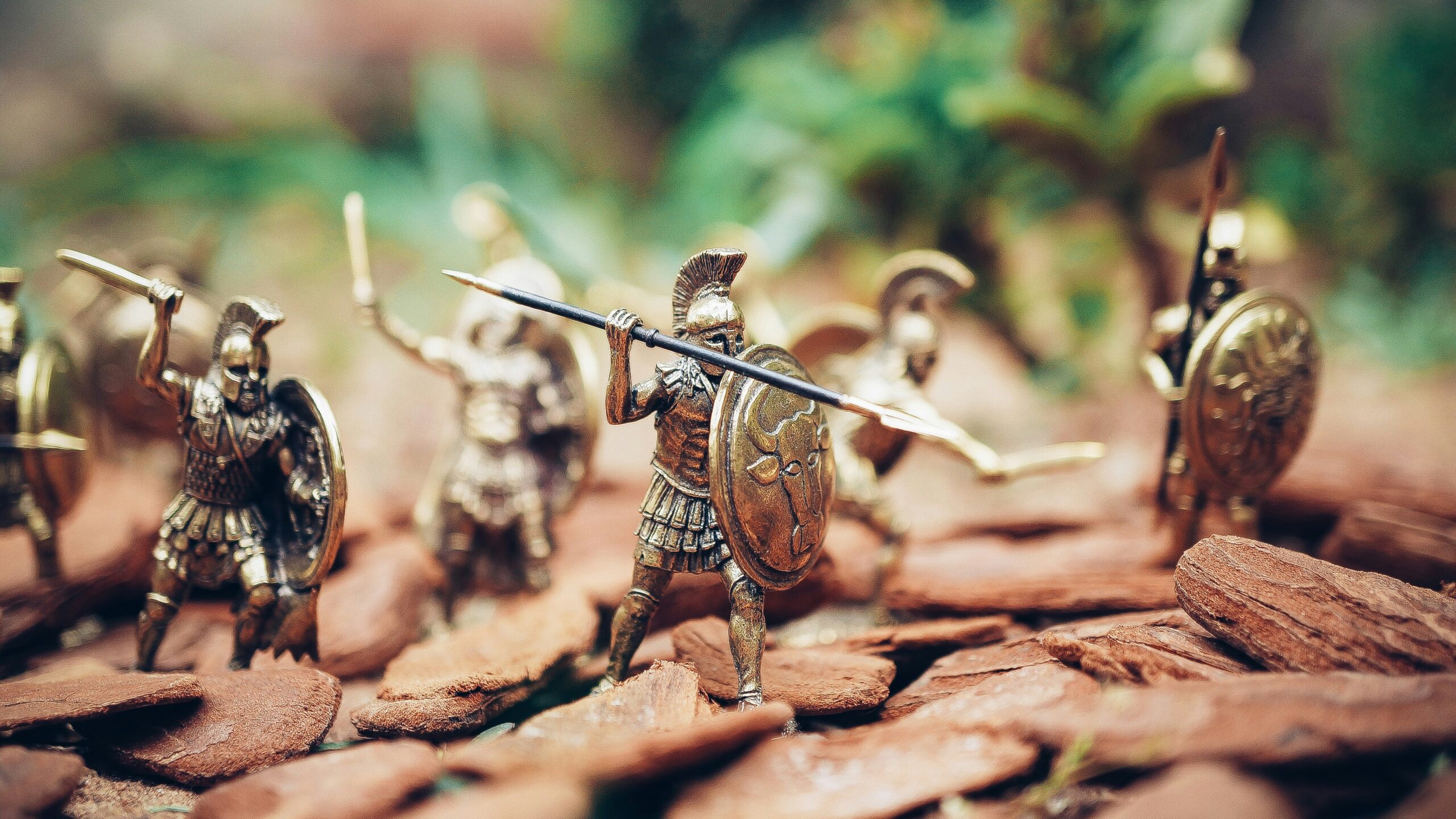
The Bronze Age, a transformative period in human history, witnessed the rise of sophisticated societies and the dawn of true empires. Spanning roughly from 3300 BCE to 1200 BCE, this era is defined by the mastery of bronze, a metal alloy that revolutionized toolmaking, warfare, and the very fabric of civilization. It was a time of burgeoning trade networks, monumental construction, and the consolidation of power into vast, organized states that laid the groundwork for much of what we understand as civilization today. The empires of the Bronze Age, though long vanished, left an indelible mark on the world, their legacies echoing in the ruins of their cities, the artifacts they left behind, and the foundational principles of governance and societal organization they pioneered. To glimpse into these ancient powers is to understand the very beginnings of organized human endeavor on a grand scale.
The story of Bronze Age empires is inextricably linked to the discovery and widespread adoption of bronze. Before its advent, societies relied primarily on stone and copper, materials that, while useful, had inherent limitations. Copper was relatively soft and prone to bending, making it less durable for tools intended for demanding tasks or for weapons meant for conflict. The discovery that combining copper with tin created a far harder, more resilient alloy – bronze – was a pivotal moment. This seemingly simple alchemical feat unlocked a cascade of advancements that fueled the growth of complex societies and ultimately, empires.
The Secrets of Smelting and Alloying
The precise origins of bronze metallurgy are a subject of ongoing archaeological debate, but it is clear that its development was a gradual process. Initially, copper was smelted from ore, a process requiring intense heat in kilns. Early attempts to add other elements might have been accidental, perhaps due to the natural impurities found in copper ores, some of which contained small amounts of tin. Over time, deliberate experimentation led to the understanding of precise ratios needed to create high-quality bronze.
Early Innovations in Bronze Production
- Ore Sourcing: The acquisition of both copper and tin was crucial. Copper ores were relatively widespread, but tin was less common, often found in specific geological regions. This scarcity of tin would become a critical factor in trade and, consequently, in the rise and fall of empires.
- Smelting Techniques: The development of efficient smelting practices, requiring controlled temperatures and air flow, was essential for extracting metal from ore. This involved advancements in kiln design and fuel management.
- Casting Methods: The ability to melt bronze and cast it into molds allowed for the mass production of standardized tools, weapons, and decorative objects. This technological leap facilitated the uniformity and quality necessary for military superiority and widespread economic activity.
The Impact on Warfare and Agriculture
Bronze had a transformative effect on both the tools of war and the implements of peace. Swords, axes, spearheads, and armor made from bronze were vastly superior to their Stone Age predecessors, allowing for more decisive combat and greater military dominance.
Military Advantages of Bronze
- Sharper and More Durable Weapons: Bronze weapons could hold a sharper edge and withstand repeated use far better than stone or copper counterparts. This gave armies equipped with bronze a significant advantage in direct confrontation.
- Effective Armor: Bronze armor provided superior protection against enemy weapons, increasing the survivability of soldiers and enabling more aggressive offensive strategies.
- Chariot Warfare: The development of bronze-age chariots, often made with bronze fittings and armed with bronze weaponry, revolutionized battlefield tactics, allowing for rapid deployment and devastating charges.
Agricultural Advancements
While less dramatic than the impact on warfare, the introduction of bronze tools also improved agricultural productivity.
- More Efficient Tools: Bronze sickles and scythes made harvesting crops faster and more efficient, contributing to surplus food production.
- Durable Plowshares: Bronze plowshares could break through tougher soils, extending arable land and potentially increasing yields. This surplus was vital for supporting larger populations and the specialized labor required for empire building.
The Bronze Age empires, known for their remarkable advancements in technology, trade, and culture, laid the foundation for many aspects of modern civilization. To explore the significance of ancient knowledge and its preservation, you can read a related article titled “Guardians of Ancient Knowledge: Who Holds the Keys?” which delves into the role of various civilizations in safeguarding historical information. For more insights, visit the article at here.
Pillars of Power: Empires of the Bronze Age
The technological and societal advancements spurred by bronze metallurgy paved the way for the emergence of some of history’s earliest and most influential empires. These were not mere city-states but vast conglomerations of territories bound together by centralized authority, efficient administration, and powerful military forces. Their influence extended far beyond their immediate borders, shaping the geopolitical landscape of entire regions.
Mesopotamia: The Cradle of Civilizations
The fertile crescent of Mesopotamia, encompassing regions like Sumer, Akkad, Babylon, and Assyria, was a true hotbed of early Bronze Age empires. Here, the confluence of river systems, fertile land, and strategic trade routes fostered the development of complex urban centers and sophisticated governance.
The Sumerians and Akkadians
- Early City-States: The Sumerians, in the southern reaches of Mesopotamia, are credited with developing some of the earliest known forms of writing (cuneiform), sophisticated irrigation systems, and impressive ziggurat temples. Their city-states, like Uruk and Ur, represent some of the first truly urban settlements.
- The Akkadian Empire: Under Sargon of Akkad, a unified empire emerged in the 3rd millennium BCE, conquering the Sumerian city-states and establishing a precedent for imperial rule in the region. Sargon’s administration laid the groundwork for future Mesopotamian empires.
The Babylonians and Assyrians
- The Babylonian Empire: Hammurabi’s reign, marked by his famous law code, saw the Babylonian Empire rise to prominence, establishing a codified legal system that influenced later legal traditions.
- The Assyrian Empire: The Assyrians, known for their formidable military prowess and efficient bureaucracy, built a vast empire that at its peak stretched from the Persian Gulf to Egypt. Their innovations in warfare and administration were particularly noteworthy.
Ancient Egypt: The Nile’s Enduring Power
Along the life-giving Nile River, ancient Egypt developed a remarkably stable and enduring empire that lasted for millennia. Its distinctive culture, monumental architecture, and strong central authority set it apart.
The Dynastic Period and the Pharaohs
- Unification of Upper and Lower Egypt: The unification of Egypt under the first dynasties around 3100 BCE marked the beginning of a truly unified state, governed by divine pharaohs.
- Monumental Construction: The construction of the pyramids, temples, and other monumental structures stands as a testament to the immense organizational power, engineering capabilities, and the sheer manpower that the Egyptian state could command.
- Bureaucratic Sophistication: A highly organized bureaucracy, supported by a scribal class, managed the vast resources of Egypt, ensuring taxation, food distribution, and the smooth functioning of the state.
The Hittites: Masters of Anatolia
In Anatolia (modern-day Turkey), the Hittites established a powerful empire that rivaled the great powers of Mesopotamia and Egypt during the Late Bronze Age. Their military innovations and diplomatic skills were crucial to their success.
Hittite Dominance and Military Might
- Iron Working Introduction: While largely a bronze-age society, the Hittites are credited with being among the earliest to experiment with and develop iron working techniques, giving them an eventual technological edge.
- Powerful Military: The Hittite army, known for its chariots and disciplined infantry, was a formidable force that engaged in direct conflict with Egypt, famously at the Battle of Kadesh.
- Strategic Diplomacy: The Hittite empire also engaged in intricate diplomatic relations with other major powers, forging alliances and treaties that stabilized the region for a time.
The Aegean Civilization: Minoans and Mycenaeans
The Bronze Age also saw the flourishing of sophisticated cultures in the Aegean Sea, most notably the Minoans on Crete and the Mycenaeans on mainland Greece. Though perhaps not always considered “empires” in the same sense as Egypt or Mesopotamia, their economic influence, organized societies, and fortifications demonstrate significant power.
Minoan Palace Culture
- The Palace Complex: The Minoan civilization is characterized by its elaborate palace complexes, such as Knossos, which served as administrative, economic, and religious centers. These represented a centralized form of organization.
- Maritime Trade: The Minoans were renowned seafarers and traders, establishing extensive trade networks across the Mediterranean, demonstrating their economic power and reach.
Mycenaean Warrior Kings
- Fortified Citadels: The Mycenaeans built imposing, fortified citadels like Mycenae and Tiryns, suggesting a society organized around warfare and defense.
- Linear B Script: The decipherment of the Linear B script revealed a complex administrative system and a hierarchical society ruled by warrior kings, mirroring some of the characteristics of contemporary Near Eastern empires.
Foundations of Governance: Administration and Law

The establishment and maintenance of Bronze Age empires required sophisticated systems of governance that went far beyond the simple dictates of a single ruler. These empires developed intricate administrative structures, codified laws, and engaged in complex diplomatic relations, laying the groundwork for future forms of statecraft.
Bureaucracy and Centralized Authority
The sheer scale of these empires necessitated the development of a professional bureaucracy to manage resources, collect taxes, and enforce laws. This often involved a hierarchy of officials, scribes, and administrators.
Key Features of Bronze Age Administration
- Taxation Systems: Empires relied on systematic taxation, often in the form of agricultural produce, livestock, or skilled labor, to fund their military, public works, and the ruling elite.
- Record Keeping: The invention of writing systems, such as cuneiform and hieroglyphs, was crucial for detailed record-keeping. These texts document everything from temple inventories to royal decrees.
- State Control of Resources: Empires often sought to control key economic resources, such as mines, fertile land, and trade routes, to maintain their power and wealth.
Codification of Law and Justice
The need to maintain order within increasingly complex societies led to the development of formal legal systems. These codes, though varying in their specifics, provided a framework for dispute resolution and codified punishments.
Notable Legal Codes
- The Code of Hammurabi: Perhaps the most famous Bronze Age legal code, Hammurabi’s laws provided a comprehensive set of statutes covering a wide range of offenses, from property disputes to criminal acts, often based on the principle of “an eye for an eye.”
- Other Regional Legal Traditions: While Hammurabi’s code is the most well-preserved, evidence suggests that other Bronze Age societies also had their own legal traditions and systems of justice, reflecting a growing understanding of the need for standardized legal practices.
Diplomacy and International Relations
Bronze Age empires were not isolated entities. They engaged in a complex web of diplomacy, trade, and occasional conflict with one another, shaping regional politics and laying the foundations for international relations.
The Amarna Letters and Diplomatic Exchange
- Royal Correspondence: The Amarna Letters, a cache of diplomatic correspondence found in ancient Egypt, provide invaluable insights into the intricate relationships between the major powers of the Late Bronze Age, including Egypt, Babylon, Assyria, and the Hittites.
- Treaties and Alliances: Empires forged treaties and alliances, often sealed by royal marriages, to secure their borders, manage trade, and present a united front against common enemies.
- Tribute and Vassalage: Dominant empires often demanded tribute from smaller neighboring states or established systems of vassalage, where weaker rulers pledged allegiance and provided resources in exchange for protection.
Cultural and Religious Tapestry

Beyond their military and administrative might, Bronze Age empires were centers of vibrant cultural and religious life. Their artistic achievements, religious beliefs, and philosophical inquiries reflected the sophistication of their societies and left a lasting impact on human thought.
Monumental Architecture and Urban Planning
The impressive scale of Bronze Age cities and their public buildings speaks volumes about their organizational capacity, engineering skills, and their understanding of urban planning. These structures were not merely functional but also served to project power, reinforce social hierarchies, and express religious devotion.
Iconic Structures and Their Significance
- Ziggurats of Mesopotamia: These massive stepped pyramids, dedicated to deities, were central to Mesopotamian religious life and served as focal points for their urban centers.
- Pyramids of Egypt: The pyramids of Giza and other burial sites are enduring symbols of pharaonic power, religious belief in the afterlife, and the immense labor and engineering prowess of ancient Egypt.
- Palaces and Fortifications: Grand palaces, like those of Mycenae and Knossos, and heavily fortified cities demonstrate the importance of centralized administration and defense in Bronze Age societies.
Art, Craftsmanship, and Symbolism
The artistic production of the Bronze Age is rich and varied, showcasing skilled craftsmanship in metalwork, pottery, sculpture, and relief. These artistic expressions often carried symbolic meanings, reflecting religious beliefs, social status, and political ideology.
Artistic Achievements and Their Meanings
- Metalworking Excellence: The mastery of bronze led to the creation of exquisite jewelry, weaponry, and votive offerings, demonstrating a high level of metallurgical skill.
- Frescoes and Reliefs: Elaborate frescoes adorned palace walls, depicting scenes of daily life, religious rituals, and mythological narratives, providing visual records of their culture.
- Iconography and Symbolism: Recurring motifs and symbols in art carried specific meanings, often related to divine power, fertility, and royal authority, serving as a visual language for their societies.
Religious Beliefs and Practices
Religion played a central role in Bronze Age life, influencing everything from governance to daily rituals. Polytheistic pantheons, with gods and goddesses representing natural forces and human endeavors, were common, and elaborate temple complexes served as centers of worship.
Deities and Rituals
- Pantheons and Their Roles: Each empire had its own pantheon of gods and goddesses, often with overlapping influences between different cultures due to extensive trade and interaction.
- Temple Worship and Priesthood: Temples were crucial institutions, housing priests and priestesses who performed rituals, managed temple lands, and advised rulers.
- Cosmology and the Afterlife: Bronze Age peoples developed complex cosmologies and beliefs about the afterlife, which heavily influenced their burial practices and their understanding of the world.
The study of Bronze Age empires reveals fascinating insights into the complexities of early civilization and trade networks. As these societies flourished, they laid the groundwork for future political and cultural developments. For a deeper understanding of how historical events shape our present, you might find it interesting to explore the article on the end of peaceful space exploration, which discusses the implications of human ambition throughout history. You can read more about it in this related article.
Legacy and Decline: Echoes of the Bronze Age
| Empire | Capital | Duration | Territory |
|---|---|---|---|
| Egyptian Empire | Thebes | 3100–1070 BC | Egypt and parts of Nubia and Canaan |
| Hittite Empire | Hattusa | 1600–1178 BC | Anatolia and parts of the Levant and Mesopotamia |
| Mycenaean Greece | Mycenae | 1600–1100 BC | Mainland Greece and parts of Anatolia |
| Assyrian Empire | Assur | 2025–609 BC | Mesopotamia, Levant, and parts of Anatolia and Egypt |
The Bronze Age, for all its achievements, was not an eternal era. A period of collapse, often referred to as the Late Bronze Age Collapse, saw the decline and destruction of many of these powerful empires around the 12th century BCE. The reasons for this cataclysm are multifaceted, but the collapse itself highlights the fragility of even the most powerful systems and their eventual transformation.
The Late Bronze Age Collapse
The widespread disruption and decline of Bronze Age civilizations around 1200 BCE remains one of history’s most dramatic enigmas. Numerous interconnected factors likely contributed to this widespread unraveling.
Contributing Factors to the Collapse
- Invasions and Migrations: Evidence suggests widespread invasions and migrations by various groups, often referred to as the “Sea Peoples,” who attacked and disrupted established settlements and trade routes.
- Environmental Changes: Droughts, famines, and other environmental changes may have weakened agricultural systems and destabilized societies.
- Internal Strife and Rebellions: Social unrest, internal conflicts, and rebellions within empires could have further weakened their resilience.
- System Collapse: The highly interconnected nature of Bronze Age economies and political systems meant that the collapse of one major power could have domino effects, leading to cascading failures across entire regions.
The Rise of the Iron Age and Beyond
While the Bronze Age civilizations succumbed to collapse, their achievements were not erased. The knowledge and innovations of this era laid the foundation for the subsequent Iron Age and the development of new civilizations that built upon the legacies of their predecessors.
Lasting Contributions
- Writing Systems: The advent of writing in the Bronze Age made possible the recording of history, literature, and knowledge, a fundamental tool for all subsequent civilizations.
- Urbanization and Statecraft: The models of urban living and state organization developed during this period provided blueprints for future societies.
- Trade Networks: The extensive trade networks established laid the groundwork for global commerce, connecting disparate regions and fostering cultural exchange.
- Legal and Administrative Principles: The development of codified laws and bureaucratic structures influenced legal and administrative systems for millennia.
The Bronze Age empires, though long gone, offer a profound glimpse into the depths of ancient power. They represent a pivotal moment in human history when ingenuity, organization, and ambition coalesced to create societies on an unprecedented scale. Studying these ancient giants allows us to appreciate the enduring foundations of our own world and to understand the long and often winding path that humanity has taken towards civilization. Their ruins whisper tales of ambition, innovation, and the eventual ebb and flow of power, reminding us that even the mightiest empires are but chapters in the grand narrative of human endeavor.

The Metal That Built Civilization… Then Vanished
FAQs
What were the major Bronze Age empires?
The major Bronze Age empires included the Egyptian, Hittite, Mycenaean, and Assyrian empires. These empires were known for their advanced bronze metallurgy, sophisticated trade networks, and complex political structures.
What were the characteristics of Bronze Age empires?
Bronze Age empires were characterized by their use of bronze as the primary metal for tools, weapons, and ornaments. They also had centralized governments, organized military forces, and extensive trade networks. These empires often built monumental architecture and developed writing systems.
How did Bronze Age empires impact the ancient world?
Bronze Age empires had a significant impact on the ancient world by spreading technological advancements, cultural influences, and trade connections. They also left a lasting legacy in the form of monumental architecture, religious practices, and political systems.
What led to the decline of Bronze Age empires?
The decline of Bronze Age empires is attributed to a combination of factors, including invasions by outside forces, internal conflicts, natural disasters, and economic instability. The collapse of these empires led to a period of widespread upheaval known as the Late Bronze Age collapse.
What is the significance of Bronze Age empires in history?
Bronze Age empires played a crucial role in shaping the development of early civilizations and laying the foundation for future empires. Their technological innovations, cultural achievements, and political structures had a lasting impact on the course of human history.