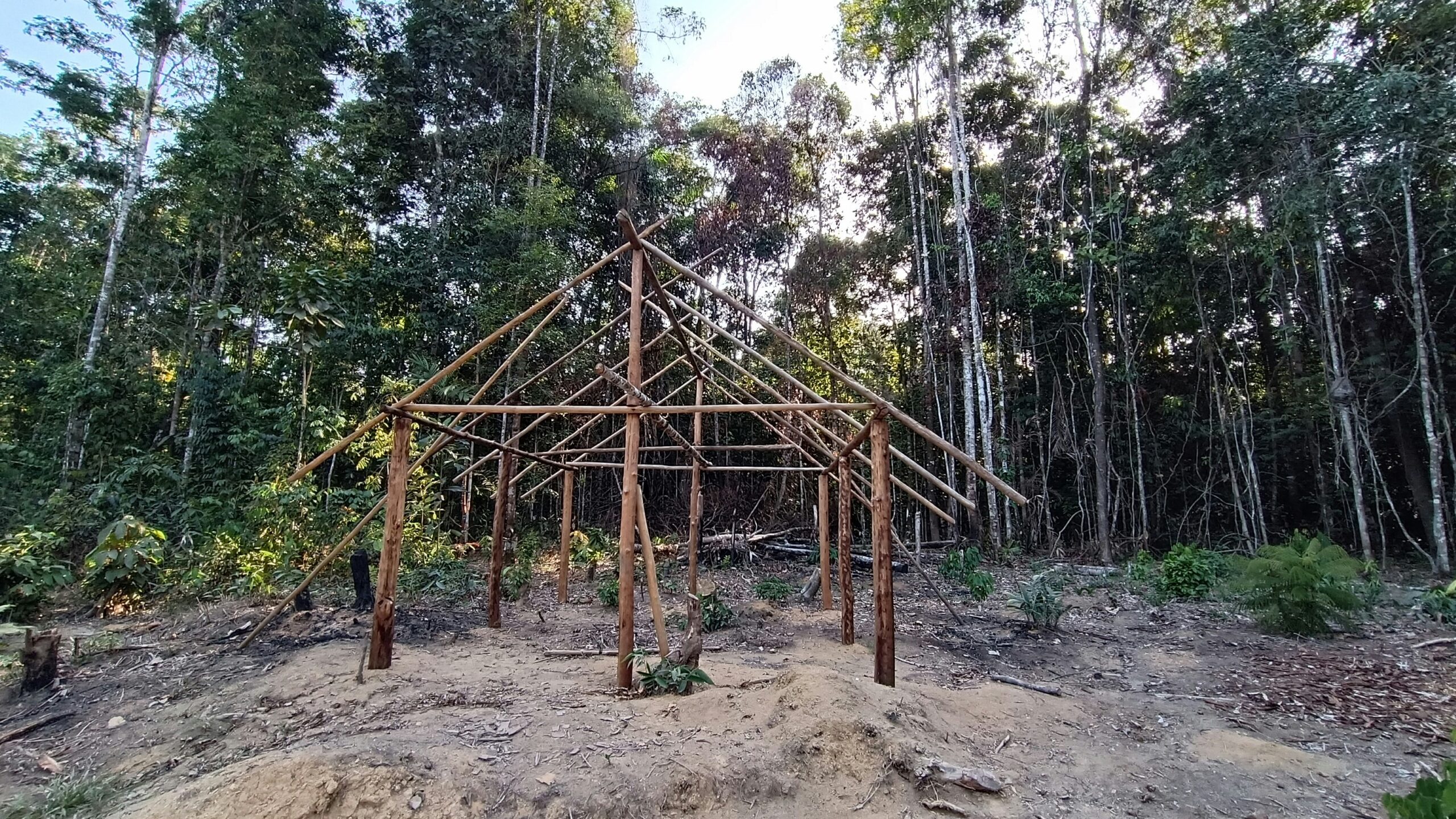
The Enduring Strength of Bone: Crafting Shelter Frames from Animal Ribs
The quest for shelter is as old as humanity itself. Across diverse environments and millennia, humans have ingeniously adapted natural materials to create protective structures. Among the most remarkable, and perhaps least recognized, of these ancient building techniques is the use of animal ribs to construct durable shelter frames. This method, born of necessity and honed through generations of experience, speaks volumes about the resourcefulness of our ancestors and the inherent strength of biological materials. Far from a crude, ephemeral solution, shelters built with rib frameworks could offer surprising resilience, longevity, and even a degree of aesthetic consideration, particularly when viewed through the lens of their intended purpose and the available resources.
The utilization of animal remains for construction goes far beyond mere structural elements. Scraps of hide could be used for waterproofing or insulation, while marrow bones might have served as tools or fuel. However, the ribs, with their distinctive curvature and inherent strength, presented a unique opportunity for creating robust frameworks that could withstand the elements and support substantial roofing materials. This practice, while perhaps most strongly associated with nomadic or semi-nomadic cultures who relied heavily on hunting, likely saw variations in its implementation depending on the size of available game and local environmental conditions. The selection of appropriate animal species, the careful preparation of the ribs, and the skilled assembly of these bony components were all critical to the success of these enduring structures.
This article will delve into the fascinating world of animal rib shelter construction, exploring the reasons behind its effectiveness, the practical considerations involved in its implementation, and the enduring legacy of this ancient and ingenious building practice.
In exploring the innovative uses of animal ribs for shelter frames, one can draw parallels to the historical significance of resourcefulness in ancient civilizations. A related article that delves into the complexities of historical artifacts and their interpretations is available at Debunking the Piri Reis Map: Why It’s Impossible. This piece examines how ancient maps and tools reflect the ingenuity and adaptability of cultures, much like the use of animal bones in constructing shelters, highlighting the intersection of survival and creativity in human history.
Selecting the Bones: The Foundation of a Sturdy Frame

The effectiveness of a rib-framed shelter hinges significantly on the careful selection of the animal source. Not all ribs are created equal when it comes to structural integrity. Size, thickness, and inherent flexibility all play crucial roles in determining the suitability of bone for building. The choice of animal would have been dictated by several factors, including geographical location, the availability of game, and the specific requirements of the shelter being envisioned.
The Bison and Mammoth: Giants of the Plains and Ice Ages
In the vast grasslands of North America, the American Bison ( _Bison bison_) would have been a prime candidate for providing structural ribs. The sheer size of a mature bison meant its ribs were substantial, thick, and immensely strong. These ribs, when properly cleaned and prepared, could form the primary load-bearing elements of a dwelling capable of housing a family or even a small group. Similarly, in the colder climes of the Pleistocene, the colossal ribs of the woolly mammoth (_Mammuthus primigenius_) were not only used for toolmaking and fuel but also served as the foundational elements for massive, semi-subterranean dwellings. Archaeological evidence, such as the famous mammoth bone huts found in Eastern Europe, clearly demonstrates the monumental scale of construction possible with these ancient giants’ skeletal remains. The long, curved nature of mammoth ribs was particularly advantageous for creating vaulted ceilings and expansive interiors, offering significant protection from harsh, freezing environments.
Other Contributors: From Deer to Walrus
While bison and mammoth represent the extremes in terms of scale, other animals would have also contributed their skeletal architecture to shelter construction. The sturdy ribs of large deer species, such as elk (_Cervus canadensis_) or red deer (_Cervus elaphus_), would have been suitable for smaller, more portable dwellings or as supplementary framing elements in larger structures. In coastal or Arctic regions, the ribs of marine mammals, like walrus (_Odobenus rosmarus_) or large seals, could have been utilized. These bones, while perhaps less massive than those of terrestrial megafauna, possess a dense, robust quality that lends itself well to enduring construction. The availability of these animals would have directly influenced the size and type of shelters that could be erected, creating a direct link between the local ecosystem and the architectural possibilities.
Bone Quality and Preservation: Ensuring Longevity
Beyond the species, the age and health of the animal also influenced bone quality. Older animals might have denser, more brittle bones, while younger ones might have been too pliable. Hunters would have developed an intuitive understanding of which animals provided the best bone for their needs. Furthermore, the method of bone preparation was crucial for ensuring the longevity of the shelter. Rigorous cleaning to remove all tissue and marrow prevented decay and deterring pests. Exposure to sun and air would have further dried and hardened the bones, making them more resistant to the elements. In some instances, evidence suggests that bones might have been treated with natural preservatives, such as animal fats or resins, further enhancing their durability against moisture and decomposition. The careful selection and preparation of these skeletal components were the first and arguably most critical steps in building a shelter that could stand the test of time.
The Art of Assembly: Weaving Bone into Structure

Once the appropriate ribs were gathered and prepared, the next challenge lay in their assembly. This was a craft honed through observation, experimentation, and the transmission of knowledge across generations. The innate curvature of ribs lent itself to forming arches and domes, creating naturally strong and stable structures. The methods of joining these bony elements, while varied, all aimed at creating a cohesive and resilient framework capable of withstanding external forces.
Rib Cages as Pre-Fabricated Units: Natural Domes and Arches
The most direct application of animal ribs involved utilizing intact or partially dismantled rib cages. The inherent structure of a rib cage, with its radiating bones connected to a central sternum (or a representation thereof), provided a ready-made arch or dome shape. These natural units could be incorporated directly into the shelter’s design, significantly simplifying the construction process. For larger shelters, multiple rib cages might have been positioned side-by-side or interconnected to form the primary structural support. The spaces between the ribs could be filled with other materials, such as sod, hides, or mud, to create solid walls and insulation. This approach effectively leveraged the pre-existing structural integrity of the animal’s anatomy, minimizing the need for complex joinery.
Individual Ribs as Building Blocks: Layering and Lashing
In cases where intact rib cages were not feasible or desired, individual ribs were employed as building blocks. These long, curved bones could be arranged in various configurations. For semicircular or domed shelters, ribs might have been set upright in the ground at regular intervals, their tops then lashed together to form a skeletal dome. Alternatively, ribs could have been laid horizontally, overlapping each other to create a layered effect, much like modern roofing shingles, providing inherent water shedding capabilities. The points where ribs met would have been secured using strong lashing materials derived from animal sinew, plant fibers, or tough grasses. These lashings were not merely decorative; they were critical to distributing stress and ensuring the stability of the entire framework. The skill in lashing, in terms of tension and knot-tying, would have been paramount to the shelter’s structural integrity.
Integrating with Other Materials: A Holistic Approach
It is crucial to understand that rib-framed shelters were rarely, if ever, constructed solely from bone. The rib framework served as the skeleton, providing the primary support and shape. This skeleton would then be clad with a variety of other materials, depending on the local environment and available resources. Animal hides, stretched and sewn together, would have provided a waterproof and windproof outer layer. In regions with abundant vegetation, thatch made from grasses or reeds could have been used. For more permanent structures, particularly those in colder climates, sod or packed earth might have been layered over the bone framework, offering excellent insulation and weight to further stabilize the structure. The integration of these diverse materials with the rib framework created a holistic shelter system that was both functional and remarkably enduring. The interplay between the rigid strength of bone and the flexibility of organic coverings was key to the success of these structures.
The Multifaceted Benefits: Beyond Simple Shelter
The construction of shelters using animal ribs offered a compelling array of advantages that extended far beyond the basic provision of protection from the elements. These benefits encompass structural resilience, adaptability, sustainability, and even a unique cultural significance. Understanding these multifaceted advantages provides a deeper appreciation for this sophisticated traditional technique.
Structural Integrity and Durability: Standing the Test of Time
The inherent strength of bone, particularly from larger animals, is undeniable. Ribs, designed by nature to withstand significant muscular forces and protect vital organs, possess excellent tensile and compressive strength. When assembled correctly, a rib framework creates a remarkably stable and durable structure. Unlike wood, which can rot, warp, or be consumed by insects, well-prepared bone is highly resistant to decay and biological degradation. This meant that rib-framed shelters, with proper maintenance, could last for extended periods, outperforming many contemporary wooden structures in certain environments. The curved nature of the ribs also distributed stress efficiently, making the shelters surprisingly resilient to wind and snow loads. The ability to withstand the rigors of harsh weather conditions was a paramount concern for early human communities, and rib framing provided a reliable solution.
Adaptability and Resourcefulness: Building with What’s Available
One of the most significant advantages of this technique was its adaptability. It allowed communities to build substantial shelters using readily available materials, particularly in regions where large game animals were abundant. This reduced reliance on scarce or difficult-to-process resources like timber, especially in treeless environments. The size and complexity of the shelter could be scaled according to the available bone material and the community’s needs. This resourcefulness was a hallmark of early human ingenuity, enabling survival and prosperity in diverse ecological niches. The technique demonstrated a profound understanding of the properties of natural materials and how to best exploit them for practical purposes.
Sustainability and Eco-Efficiency: A Circular Economy of Life
From a modern perspective, the use of animal ribs for shelter construction can be seen as a highly sustainable practice. It represents a form of efficient resource utilization, where every part of a hunted animal was valued and used. There was no “waste” in the modern sense. The bones, which might otherwise have been discarded or used only for limited purposes, were given a new, essential life as structural components. This aligns with principles of a circular economy, maximizing the utility of every resource. Furthermore, the construction and eventual decomposition of these shelters would have had a minimal environmental impact compared to the felling of large tracts of forest. The bones would eventually return to the earth, enriching the soil.
Cultural and Symbolic Significance: More Than Just a House
Beyond their practical utility, animal ribs likely held significant cultural and symbolic meaning for the communities that used them. The skeletal remains of powerful animals, such as bison or mammoths, could have been seen as imbued with the spirit or strength of the creature. Building a shelter with these bones might have been a way to honor the animal, to integrate its power into the dwelling, and to foster a connection with the natural world. These structures could have served as communal gathering spaces, important ceremonial sites, or simply as the heart of family life, carrying with them stories, traditions, and a deep sense of place. The specific arrangements and decorations, if any, within these shelters could have conveyed social status, tribal identity, or spiritual beliefs.
In exploring the innovative uses of natural materials in ancient construction, one fascinating aspect is the use of animal ribs for shelter frames. This method not only highlights the resourcefulness of early humans but also reflects their deep connection with the environment. For a deeper understanding of how ancient societies adapted to their surroundings and the social dynamics that influenced their architectural choices, you can read more in this insightful article on uncovering social fractures in ancient cities.
Enduring Legacies: Echoes in Modern and Traditional Practices
| Metric | Description | Typical Value | Notes |
|---|---|---|---|
| Rib Length | Average length of animal ribs used for frames | 30-50 cm | Varies by animal species (e.g., deer, elk, bison) |
| Rib Diameter | Thickness of ribs at midpoint | 1.5-3 cm | Influences structural strength |
| Weight per Rib | Average weight of a single rib | 150-300 grams | Depends on bone density and size |
| Frame Load Capacity | Maximum weight the rib frame can support | 50-100 kg | Assuming proper assembly and binding |
| Durability (Exposure) | Estimated lifespan of ribs exposed to elements | 1-3 years | Without treatment; can be extended with preservation |
| Assembly Time | Time to construct a basic shelter frame | 4-8 hours | Depends on skill and number of ribs used |
| Number of Ribs per Frame | Typical quantity used in a small shelter frame | 15-25 ribs | Varies with shelter size and design |
| Flexibility | Ability of ribs to bend without breaking | Moderate | Fresh ribs are more flexible than dried ones |
While the widespread construction of entire shelters from animal ribs may have largely faded with the advent of more readily available and processed materials, the legacy of this technique continues to resonate in various forms. Its principles of structural efficiency, material adaptation, and resourcefulness are still relevant, and echoes of its practice can be found in certain contemporary and traditional building methods, albeit often in modified or symbolic ways.
Archaeological Insights: Unearthing the Past
The most concrete evidence of animal rib shelter construction comes from archaeological excavations. Sites across Europe, Asia, and North America have yielded remarkable discoveries of dwellings built with mammoth bones, bison ribs, and other large animal skeletons. These finds provide invaluable insights into the architectural techniques, the scale of these ancient constructions, and the daily lives of the people who inhabited them. The preservation of these bone structures, sometimes for tens of thousands of years, attests to their inherent durability. Studying these remnants allows researchers to reconstruct the methods of assembly, the types of materials used for covering, and the overall layout and function of these ancient homes. The meticulous excavation and analysis of these sites continue to expand our understanding of early human innovation.
Nomadic Traditions: A Practical Continuity
In some nomadic or semi-nomadic communities, the use of animal parts, including ribs, for temporary or semi-permanent shelters has persisted, often in conjunction with other materials. While perhaps not forming the entire structural framework, ribs might still be incorporated as key support elements, particularly in regions where large herd animals are central to the culture and economy. These traditions represent a living link to ancestral building practices, demonstrating the enduring practicality and wisdom embedded within them. In these contexts, the knowledge of bone preparation and assembly is passed down through generations, ensuring the continuity of this ancient skill.
Modern Adaptations and Inspirations: Biomimicry in Architecture
While not directly replicating the use of animal ribs, modern architectural principles sometimes draw inspiration from the inherent strength and efficiency of natural forms. The study of bone structure, for instance, informs designs in engineering and biomimicry, seeking to replicate the lightweight yet strong properties of biological materials. Furthermore, some contemporary artists and architects experiment with incorporating bone or bone-like materials in their sculptures and structures, exploring the aesthetic and symbolic qualities of these organic forms. These explorations, while often conceptual or artistic, acknowledge the profound structural capabilities that nature has perfected over millennia, and which our ancestors so cleverly harnessed. The principles of creating strong, curved structures that efficiently distribute load, so evident in rib-framed shelters, remain a fundamental aspect of good design.
In exploring innovative building materials, the use of animal ribs for shelter frames has gained attention for its sustainability and strength. This concept is reminiscent of traditional practices where natural resources were utilized for construction, highlighting a fascinating intersection between nature and architecture. For a broader understanding of how different materials impact manufacturing and economic factors, you might find this article on manufacturing wages in various countries particularly insightful. By examining such connections, we can appreciate the diverse approaches to shelter design and the implications of material choices on global economies.
Conclusion: A Testament to Ingenuity and Resilience
The construction of durable shelter frames using animal ribs stands as a powerful testament to the ingenuity, resourcefulness, and deep understanding of the natural world possessed by our ancestors. Far from being a crude or primitive practice, it was a sophisticated architectural technique that leveraged the inherent strength and curvature of bone to create resilient and enduring dwellings. From the colossal ribs of mammoths shaping Ice Age homes to the more modest frames of bison contributing to Plains Indian lodges, this method demonstrates a remarkable ability to adapt to diverse environments and available resources.
The careful selection of the animal, the meticulous preparation of the bones, and the skilled assembly of these skeletal components were all critical to the success of these structures. The resulting shelters offered not only protection from the elements but also a sustainable and efficient use of natural resources, embodying a form of early circular economy. Beyond their practical benefits, these bone-framed dwellings likely held profound cultural and symbolic significance, connecting communities with the animals they depended on and the spirits of the land.
While direct construction with animal ribs is no longer a widespread practice, its legacy endures in archaeological discoveries that illuminate the ingenuity of our past. Moreover, the underlying principles of structural efficiency, biomimicry, and sustainable resource utilization continue to inform modern design and architectural thinking. The enduring strength of bone, as expressed in these ancient shelters, serves as a timeless reminder of the profound and often overlooked architectural potential found within the natural world, and the remarkable capacity of humans to harness it for survival and prosperity. The rib-framed shelter is more than just a historical footnote; it is a chapter in the ongoing story of human innovation, resilience, and our enduring quest for a safe and secure place in the world.

Life 20,000 Years Ago: The Ultimate Ice Age Fight to Survive
FAQs
1. Can animal ribs be used as a sustainable material for building shelter frames?
Yes, animal ribs can be used as a sustainable material for building shelter frames due to their strength, flexibility, and availability in nature.
2. Which animals’ ribs are commonly used for constructing shelter frames?
Animals such as cattle, bison, and deer are commonly used for constructing shelter frames due to the size and strength of their ribs.
3. How are animal ribs prepared for use in building shelter frames?
Animal ribs are typically cleaned, dried, and treated to prevent decay before being shaped and assembled into the desired structure for a shelter frame.
4. What are the benefits of using animal ribs for shelter frames?
Using animal ribs for shelter frames can be cost-effective, environmentally friendly, and provide a unique aesthetic appeal to the structure.
5. Are there any limitations or considerations when using animal ribs for shelter frames?
Some limitations to consider when using animal ribs for shelter frames include the need for proper treatment to prevent decay, potential challenges in sourcing and shaping the ribs, and ensuring structural stability in the design.