The biting winds of the Pleistocene offered no quarter. For early hominins, survival was a brutal, daily gamble against a backdrop of megafauna and unforgiving climate. Yet, the most persistent threat was not always the sabre-toothed cat or the sudden blizzard; it was the other humans, those belonging to rival tribes who occupied the same scarce resources. In this harsh world, forging alliances, however fragile, with these competing groups was not merely an act of diplomacy, but a fundamental survival strategy. The ability to overcome innate territoriality and suspicion, to build a modicum of trust with those who might otherwise be adversaries, was paramount to the persistence of our ancestors. This article explores the intricate dance of cooperation and conflict, and the crucial strategies that enabled early humans to build trust with rival tribes in the Ice Age.
The Landscape of Scarcity: Why Cooperation Was Necessary
The Pleistocene epoch was characterized by fluctuating glacial periods, leading to vast swings in temperature and available resources. This instability created a perpetually competitive environment. Prime hunting grounds, sheltered caves, and accessible water sources were finite, often leading to direct clashes between tribes vying for dominance. The prevailing wisdom of “us versus them” was deeply ingrained, a natural consequence of limited resources and the inherent dangers posed by the unknown. Yet, this same scarcity paradoxically necessitated cooperation. Isolated groups, no matter how skilled or numerous, were inherently vulnerable. A single harsh winter, a devastating epidemic, or a particularly dangerous hunt could decimate a tribe. The presence of other human groups, while potentially threatening, also represented a latent resource: knowledge, manpower, and potential allies against even greater dangers.
Resource Competition and its Dual Nature
The very resources that fueled conflict also became the impetus for tentative cooperation. Imagine a tribe that has mastered the art of tracking a specific herd of mammoths that migrates across a wide territory. Another tribe, residing in a neighboring valley, may possess knowledge of vital mineral deposits for toolmaking that the first tribe desperately needs. Without some form of interaction, both tribes would struggle to fully exploit their environments. This inherent interdependence, born out of necessity, laid the groundwork for any trust that could be built. It was a recognition that while conflict was a constant possibility, the potential rewards of shared knowledge or mutual defense could outweigh the risks, provided the right mechanisms for interaction were in place.
External Threats as Unifying Forces
The Ice Age was not just a battleground between human tribes; it was a world populated by formidable predators. Packs of dire wolves, territorial cave bears, and cunning sabre-toothed cats posed a constant threat to individuals and small groups. In the face of such overwhelming danger, the prospect of facing a formidable predator alone was a grim one. A united front, even between historically rival groups, could dramatically increase the chances of survival. This shared existential threat provided a powerful incentive to set aside animosities, at least temporarily. The successful defense of a shared territory against a common predator could foster a sense of camaraderie, the nascent stages of trust built on the shared experience of overcoming a significant challenge.
Building trust among competitive tribes during the Ice Age was crucial for survival, as cooperation often determined the success of hunting and resource sharing. An insightful article that delves into the broader implications of societal cooperation and the factors leading to civilization collapse can be found at this link. It explores how environmental degradation and competition for resources can undermine trust and social cohesion, drawing parallels to the challenges faced by early human communities.
Early Warning Systems and Shared Knowledge Networks

The ability to predict environmental changes and understand the behavior of prey and predators was crucial for survival. In the Ice Age, this knowledge was not static; it was dynamic and often location-specific. Tribes that developed effective ways to share this vital information with others, even rivals, gained a significant advantage. This transfer of knowledge, often through a complex system of signals, intermediaries, and shared observation points, formed the bedrock of inter-tribal trust. It was a demonstration that the receiving tribe was valued not just for its potential military strength, but for its capacity to learn and contribute.
The Significance of Observational Posts and Signaling
Establishing shared observational posts along migratory routes or at vantage points overlooking common hunting grounds served multiple purposes. These were not necessarily places for direct interaction, but rather for passive observation and signal transmission. A plume of smoke of a specific design, a rhythmic drumming pattern, or even the placement of distinctive markers could convey vital information about the movement of herds, the presence of dangerous predators, or even the approach of other, unknown human groups. The reliability of these signals, and the understanding that the originating tribe would not deliberately mislead, was a critical component of building trust. It was a commitment to transparency in information sharing, a silent acknowledgment that the well-being of neighboring groups was of some consequence.
Intermediaries and the Art of Diplomatic Exchange
Direct encounters between rival tribes could be fraught with tension. Therefore, the use of intermediaries, individuals trusted by both sides, was invaluable. These could be individuals who had married into a neighboring tribe, skilled traders who moved between different groups, or even respected elders who had established a reputation for fairness. These intermediaries acted as conduits for communication, negotiation, and the exchange of goods and information. Their neutrality and perceived integrity were paramount. The successful facilitation of trade or the peaceful resolution of minor disputes by an intermediary could significantly enhance the credibility of the tribes they represented, fostering a sense of reliable connection.
Reciprocity and the Foundation of Mutual Benefit

Trust, in any context, is rarely a one-way street. In the unforgiving environment of the Ice Age, the principle of reciprocity – the expectation of a return for a favor or service – was a fundamental driver of cooperation. Tribes learned that demonstrating a willingness to help others, even rivals, often resulted in reciprocal assistance when it was most needed. This was not altruism in the modern sense, but a pragmatic understanding that mutual aid was a vital insurance policy against the vagaries of life. The development of established patterns of reciprocity, built over time through repeated positive interactions, created a framework for predictable behavior and fostered a sense of obligation.
The Exchange of Goods and Services: A Form of Social Insurance
The exchange of material goods was a tangible manifestation of trust. Beyond the immediate utility of traded items, these exchanges signified a willingness to engage, to share, and to acknowledge the needs of another group. This could range from the trade of tools made from superior flint, to rare pigments for body painting, or even processed hides for clothing. Such exchanges were not always driven by immediate need but could also be preemptive. A tribe might offer a surplus of food to a neighbor in anticipation of needing their assistance in a future hunt, or offer protection to a less fortified settlement in exchange for access to a prime fishing spot. These acts of conditional generosity built a network of social insurance, a realization that interdependence offered a buffer against unforeseen calamities.
Shared Defense and Collective Security
Perhaps the most powerful form of reciprocity was shared defense. When faced with a common enemy, be it a predatory animal or another hostile human group, the willingness of one tribe to defend another, and the expectation that this defense would be reciprocated, was a profound demonstration of trust. This could involve sending warriors to aid a besieged neighbor, or collaborating on the defense of a shared resource. Such collective security arrangements were not based on blind faith but on a proven track record of mutual support. The success of these joint efforts would solidify inter-tribal bonds, transforming potential adversaries into reliable allies. The shared risk and the shared victory created a powerful emotional and social connection, making future cooperation more likely.
Rituals, Taboos, and the Codification of Trust
To navigate the complex landscape of inter-tribal relations, early humans developed a range of social mechanisms to codify trust and manage conflict. Rituals, shared taboos, and clearly defined protocols for interaction served to create predictable expectations and reduce the likelihood of misunderstandings that could escalate into violence. These cultural norms provided a framework within which trust could be built and maintained, transforming ephemeral goodwill into a more enduring social fabric.
Peace-Making Ceremonies and Symbolic Gestures
The absence of formal legal systems meant that the establishment of peace and the resolution of disputes relied heavily on symbolic gestures and formalized ceremonies. These could involve the exchange of symbolic objects, such as specially crafted ornaments or rare animal teeth, which signified a cessation of hostilities. Peace-making gatherings, often held at neutral locations, would involve feasting, storytelling, and the observance of specific rituals designed to reaffirm goodwill. The public nature of these ceremonies ensured that agreements were witnessed and understood by members of both tribes, reinforcing the commitment to peaceful coexistence. These rituals acted as social glue, reinforcing shared values and demonstrating a collective commitment to avoiding conflict.
The Role of Taboos and Sanctions in Maintaining Order
Taboos, or prohibitions, played a crucial role in maintaining order and preventing the breakdown of trust. These were often related to sacred sites, specific hunting practices, or the treatment of individuals from allied tribes. For example, a taboo against hunting in a particular valley during a specific season might be agreed upon by neighboring tribes to prevent accidental conflict. Similarly, strict sanctions, often involving ostracism or the withholding of reciprocal aid, would be imposed on individuals or groups who violated these established norms. These taboos and sanctions acted as invisible boundaries, guiding behavior and ensuring that the fragile trust that had been built was not easily jeopardized by careless actions.
Building trust among competitive tribes during the Ice Age was crucial for survival, as cooperation often outweighed conflict in harsh environments. Understanding the dynamics of these relationships can be further explored in a related article that delves into how ancient droughts influenced tribal interactions and resource sharing. For a deeper insight into this topic, you can read more about it in the article on unearthing ancient droughts and their impact on early human societies.
Long-Term Alliances and the Evolution of Social Networks
| Metric | Description | Estimated Value | Impact on Trust Building |
|---|---|---|---|
| Frequency of Inter-Tribal Meetings | Number of gatherings or negotiations between tribes per year | 2-4 times annually | High – Regular meetings foster communication and reduce misunderstandings |
| Shared Resources | Percentage of resources (food, tools) shared between tribes | 10-20% | Moderate – Sharing resources builds mutual dependence and goodwill |
| Intermarriage Rate | Percentage of marriages between members of different tribes | 5-10% | High – Creates familial bonds that strengthen alliances |
| Conflict Incidents | Number of violent conflicts recorded per decade | 1-3 incidents | Low – Fewer conflicts indicate stronger trust and cooperation |
| Trade Exchanges | Number of trade events or exchanges per year | 5-8 events | High – Trade promotes economic interdependence and trust |
| Joint Hunting Expeditions | Number of cooperative hunts conducted annually | 3-6 expeditions | High – Cooperation in hunting builds teamwork and trust |
The ability to build trust with rival tribes was not merely about short-term survival; it was a foundational element in the evolution of more complex social networks and long-term alliances. These inter-tribal relationships, forged through years of cooperation and mutual understanding, offered significant advantages in terms of resource access, defense, and the dissemination of innovations. Over generations, these networks expanded, creating larger communities of interconnected groups who relied on each other for survival and prosperity.
The Advantages of Inter-Tribal Trade Networks
The development of robust inter-tribal trade networks had profound implications for the spread of technology, ideas, and culture. Goods that were scarce in one region became accessible in another, leading to improved toolmaking, more varied diets, and enhanced comfort. Furthermore, the movement of individuals between tribes facilitated the exchange of knowledge about new hunting techniques, medicinal plants, and effective survival strategies. These networks effectively reduced the isolation of individual groups, allowing for a more rapid adaptation to changing environmental conditions and a greater resilience in the face of adversity. The trust required to maintain these extensive trade routes was a testament to the successful establishment of predictable and mutually beneficial relationships.
Genetic Exchange and the Wider Human Family
Beyond material and social benefits, the formation of trust and alliances between tribes also facilitated genetic exchange. Intermarriage, often a consequence of sustained diplomatic relations and shared social gatherings, led to the intermingling of populations. This genetic diversity was crucial for the long-term health and adaptability of the human species. It meant that advantageous genetic traits could spread more widely, and that populations became more resilient to localized diseases or environmental pressures. The willingness to accept individuals from other tribes into one’s own community, a powerful indicator of deep-seated trust, was a critical factor in the expansion and diversification of the human family across the Ice Age landscape. Ultimately, the capacity to build trust with those who were once considered rivals was not just a strategy for individual survival; it was an essential driver of human evolution and the creation of the complex social structures that would define our species for millennia to come.
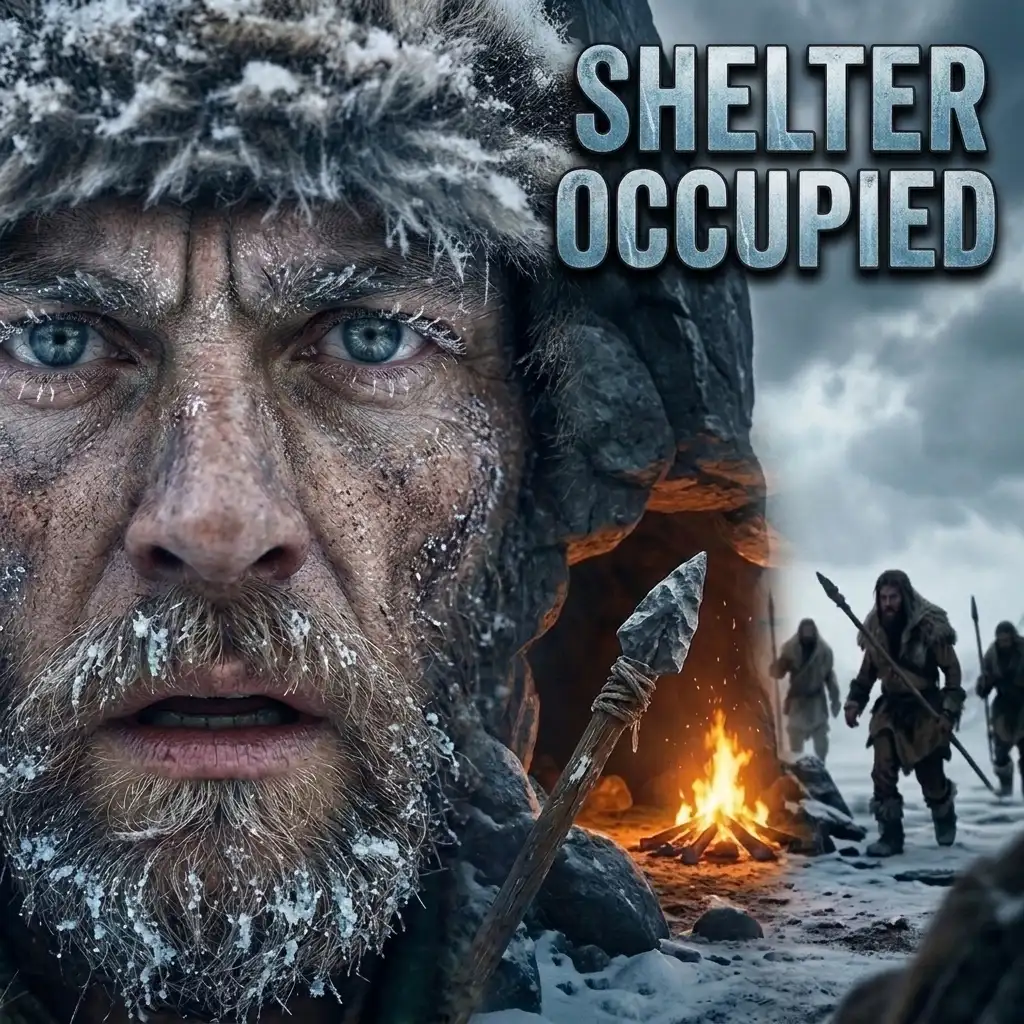
➡️Life 20,000 Years Ago | When Strangers Claim Your Winter Shelter 🚨
FAQs
What were the main challenges of building trust among tribes during the Ice Age?
During the Ice Age, tribes faced numerous challenges in building trust, including resource scarcity, competition for food and territory, and differing cultural practices. The harsh environmental conditions often led to conflicts over hunting grounds and shelter, making it essential for tribes to establish reliable communication and alliances to ensure survival.
How did tribes communicate to foster trust despite language barriers?
Tribes often used non-verbal communication methods, such as gestures, body language, and visual symbols, to convey messages and intentions. Additionally, they might have developed simple trade languages or relied on intermediaries who could bridge the gap between different linguistic groups, facilitating cooperation and trust-building.
What role did shared rituals play in establishing trust among tribes?
Shared rituals, such as communal hunting, feasting, and spiritual ceremonies, played a crucial role in fostering trust among tribes. These activities helped to create bonds through shared experiences, reinforcing social ties and mutual respect, which were essential for collaboration in a competitive environment.
How did alliances between tribes contribute to survival during the Ice Age?
Alliances between tribes allowed for resource sharing, joint hunting expeditions, and mutual protection against common threats. By forming coalitions, tribes could enhance their chances of survival, reduce conflict, and create a network of support that facilitated trust and cooperation in an otherwise hostile environment.
What strategies did tribes use to resolve conflicts and maintain trust?
Tribes employed various conflict resolution strategies, such as mediation by respected elders, negotiation, and the establishment of norms for acceptable behavior. These approaches helped to address grievances and restore relationships, ensuring that trust could be maintained even after disputes arose.