Unearthing the Past: The Significance of the Buyukkaya Barley Isotope Study
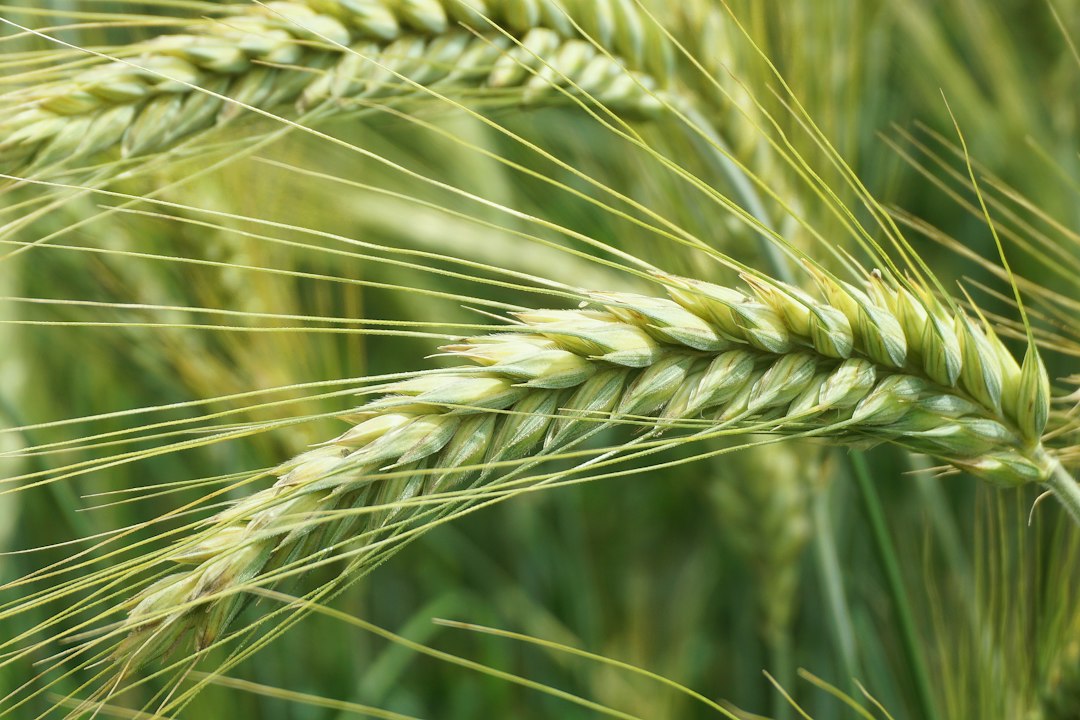
The arid plains and fertile river valleys of Anatolia have long been recognized as a cradle of early civilization and a pivotal region for the domestication and spread of crucial food crops. Among these, barley (Hordeum vulgare) holds a place of particular importance, providing sustenance and driving agricultural innovation for millennia. Recent breakthroughs in paleobotanical research, specifically the comprehensive isotope analysis of barley remains from the ancient site of Buyukkaya, are now illuminating the intricate tapestry of early agricultural practices, offering an unprecedented window into the lives and choices of our ancient predecessors. This groundbreaking study, by meticulously examining the isotopic signatures preserved within barley grains, is not merely a scientific endeavor; it is a compelling narrative of human ingenuity, environmental adaptation, and the complex interconnectedness of ancient societies.
The Buyukkaya barley isotope study represents a significant leap forward in our understanding of agricultural history. By employing sophisticated analytical techniques to decipher the subtle chemical fingerprints left behind by plants, researchers have been able to reconstruct detailed information about the growing conditions, water sources, and even the movement of agricultural products. This article will delve into the methodology and key findings of this pivotal research, exploring its implications for our understanding of ancient Anatolian agriculture, the economic and social structures it supported, and the broader patterns of crop diffusion across the ancient Near East. The insights gleaned from this study promise to reshape our perceptions of early farming systems and the sophisticated strategies employed by early farmers.
The recent study on Buyukkaya barley isotopes has opened new avenues for understanding ancient agricultural practices and their impact on human civilization. For those interested in exploring related topics, an insightful article titled “Uncovering Ancient Builders’ Secrets” delves into the architectural techniques and innovations of early societies, providing a broader context for the significance of agricultural developments. You can read the article here: Uncovering Ancient Builders’ Secrets.
Decoding the Chemical Signatures: The Science Behind the Study
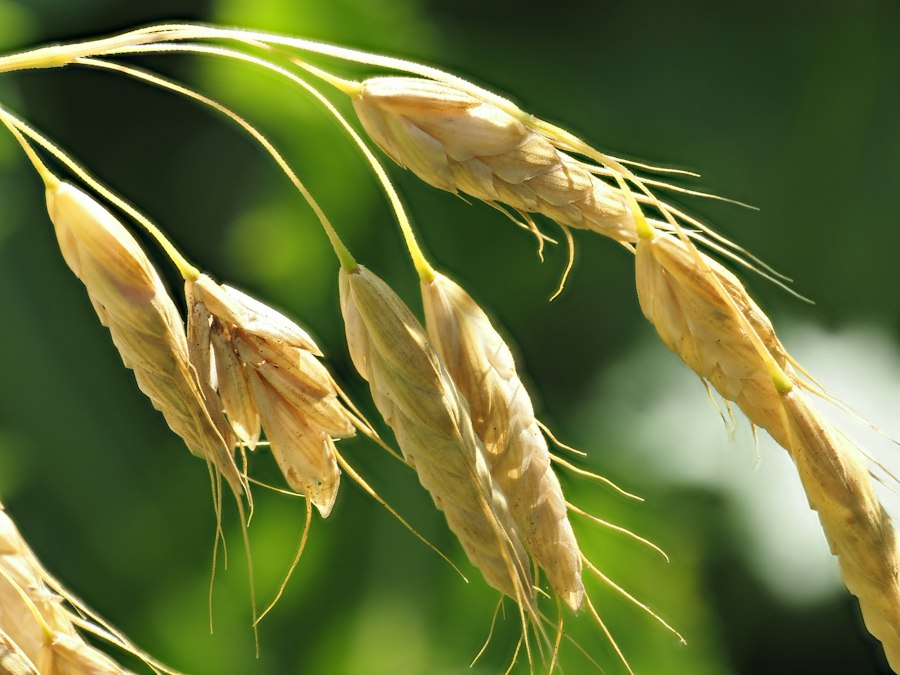
The power of the Buyukkaya barley isotope study lies in its application of advanced scientific techniques to the archaeological record. The analysis of stable isotopes, particularly carbon and oxygen isotopes within plant tissues, provides a non-destructive and remarkably informative means of reconstructing past environmental conditions and plant physiology. These isotopes act as natural recorders, their relative abundance within organic materials directly reflecting the environmental factors under which they were formed.
Carbon Isotopes: A Window into Photosynthesis and Water Stress
The study’s focus on carbon isotopes, specifically the ratio of carbon-13 ($\delta^{13}$C) to carbon-12, offers crucial insights into the photosynthetic processes of the barley plants and, by extension, the environmental conditions they experienced. Plants absorb atmospheric carbon dioxide during photosynthesis. While atmospheric carbon dioxide contains a relatively consistent ratio of $^{13}$C to $^{12}$C, plants discriminate against the heavier $^{13}$C isotope to varying degrees. This discrimination is influenced by a number of factors, most notably the plant’s stomatal conductance, which is largely regulated by water availability.
When water is abundant, plants can keep their stomata open for longer periods, allowing for efficient carbon uptake. This generally leads to a higher proportion of $^{13}$C in their tissues relative to a situation where water is scarce. During drought conditions, plants tend to close their stomata to conserve water, which can lead to an increase in the relative concentration of $^{13}$C within the plant. Therefore, variations in the $\delta^{13}$C values of the Buyukkaya barley can serve as a proxy for water stress experienced by the crops. Differences in $\delta^{13}$C values between different barley samples could indicate variations in irrigation practices, reliance on rainfall, or exposure to different microclimates within the agricultural landscape surrounding Buyukkaya. For instance, barley grown in irrigated fields might exhibit lower $\delta^{13}$C values compared to barley grown under rain-fed conditions, which would likely experience more significant water stress.
Oxygen Isotopes: Tracing the Origins of Water
Beyond carbon, the analysis of oxygen isotopes, specifically the ratio of oxygen-18 ($\delta^{18}$O) to oxygen-16, provides invaluable information about the water sources used by the barley plants. Plants absorb water from the soil, and the isotopic composition of this soil water is a direct reflection of the precipitation that formed it and the subsequent hydrological processes it underwent. The oxygen isotopic composition of precipitation varies geographically and temporally, influenced by factors such as temperature, altitude, and the distance from moisture sources.
By analyzing the $\delta^{18}$O values in the barley grains, researchers can infer the origin of the water used for irrigation or precipitation. Different water sources, such as local rainfall, river water from a specific catchment area, or even water transported from a distant region, will have distinct isotopic signatures. This allows scientists to map the hydrological landscape of ancient Buyukkaya and identify potential irrigation networks or trade routes for water-intensive crops. For example, if barley samples show $\delta^{18}$O values consistent with the isotopic signature of a particular river or a distant mountain range known for its precipitation, it strongly suggests that this water source was utilized for agriculture. This level of detail can reveal sophisticated water management strategies and the extent of interconnectedness between different communities based on their water resources.
Analytical Techniques and Sample Selection
The meticulous selection of barley samples from Buyukkaya was paramount to the study’s success. Archaeologists and paleobotanists carefully excavated and identified barley grains, prioritizing well-preserved specimens that could yield high-quality isotopic data. These grains were then subjected to rigorous chemical extraction and purification processes to isolate the plant organic matter, typically cellulose or bulk organic material, free from any contamination.
The isotopic analysis itself was performed using state-of-the-art isotope ratio mass spectrometry (IRMS). This highly sensitive technique measures the precise ratios of different isotopes in a sample, allowing for the accurate determination of $\delta^{13}$C and $\delta^{18}$O values. The results were then compared to established isotopic baselines for regional precipitation and water sources to interpret the environmental data. The combination of careful sample selection, precise chemical preparation, and advanced analytical instrumentation forms the robust scientific foundation upon which the Buyukkaya barley isotope study rests.
Buyukkaya: A Glimpse into an Ancient Agricultural Hub
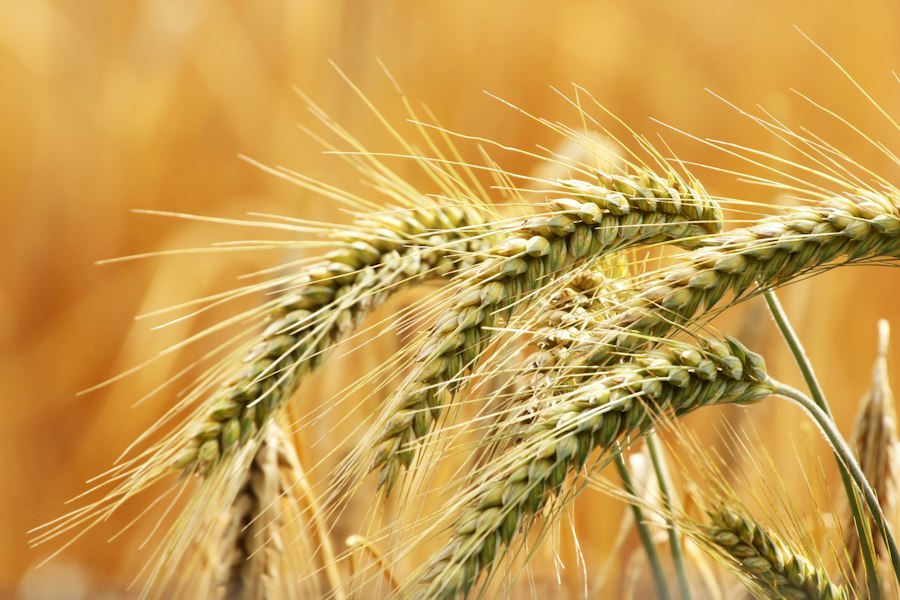
The site of Buyukkaya, nestled in the Anatolian landscape, has long been a focus of archaeological interest due to its significant historical and cultural importance. While previous excavations have provided insights into its settlement patterns, architecture, and material culture, the recent isotope study of its barley remains has added a crucial dimension to our understanding of its economic and agricultural significance. The findings from this study paint a picture of Buyukkaya not merely as a settlement, but as a dynamic agricultural hub, intricately linked to its environment and the wider region.
Evidence for Sophisticated Water Management
One of the most compelling revelations from the Buyukkaya barley isotope study is the evidence it provides for sophisticated water management practices employed by the ancient inhabitants. The analysis of $\delta^{18}$O values in the barley grains strongly suggests that these ancient farmers were not solely reliant on unpredictable rainfall. Instead, the isotopic signatures indicate the deliberate utilization of specific water sources, likely involving some form of irrigation.
The study identified distinct isotopic signatures within different barley samples, pointing towards the use of water from varied origins. This could include water drawn from nearby rivers, streams, or possibly even man-made reservoirs. The consistency of these signatures across certain samples suggests a planned and systematic approach to water acquisition for agriculture. The ability to tap into and manage different water sources would have been crucial for ensuring crop yields in a region that can experience periods of aridity. This implies a level of engineering and hydrological knowledge, potentially involving the construction of canals, ditches, or other infrastructure to channel water to the fields. The findings challenge the notion of early agriculture as a purely subsistence-level activity, highlighting the agency and ingenuity of these ancient populations in adapting to and manipulating their environment.
Cultivation of Diverse Barley Varieties
The isotope analysis also offers clues regarding the cultivation of diverse barley varieties and potentially their adaptation to different agro-ecological zones within the Buyukkaya hinterland. While the study primarily focused on the environmental conditions, variations in the isotopic composition of barley grains from different contexts within the site could hint at differential cultivation strategies. For example, if certain barley samples exhibit isotopic values consistent with more arid conditions, while others suggest access to more abundant water, it could imply the cultivation of different barley landraces or the allocation of different land parcels for these crops based on their water requirements.
Furthermore, the study’s findings on water sources might indirectly speak to the cultivation of different barley types. Certain barley varieties are more tolerant to drought than others, and understanding the water sources used for their cultivation can shed light on which varieties were being prioritized or how they were being managed to suit specific environmental niches. This could also suggest a degree of specialization within the agricultural system, with some areas dedicated to maximizing yield through irrigation and others focusing on drought-resistant varieties for more challenging terrains.
Buyukkaya as an Agricultural Trade Node
The implications of the Buyukkaya barley isotope study extend beyond the immediate agricultural practices of the site. The identification of diverse water sources and potentially different cultivation strategies hints at Buyukkaya’s role as a potentially significant agricultural hub within a wider network of exchange. The ability to produce surplus crops, facilitated by sophisticated water management, would have allowed Buyukkaya to participate in regional trade.
If the isotopic analysis reveals that some barley was grown using water from sources located at a distance from Buyukkaya, it could suggest the movement of agricultural products or even water itself between different communities. Alternatively, if Buyukkaya consistently produced a surplus of certain types of barley, it might have been a key supplier to neighboring settlements. This points towards a complex economic system where agricultural production was not solely for local consumption but also for exchange, contributing to the economic vitality and interconnectedness of the ancient Near East. The study provides tangible evidence for the movement of agricultural commodities and the establishment of trade networks, underscoring the importance of barley as a key economic driver in antiquity.
Broader Implications for Ancient Near Eastern Agriculture
The Buyukkaya barley isotope study is not an isolated piece of research; its findings have the potential to resonate across the broader landscape of ancient Near Eastern agriculture, influencing our understanding of crop domestication, diffusion, and the development of agricultural technologies. By providing a detailed case study from a well-established Anatolian site, the research contributes to a growing body of evidence that paints a more nuanced picture of early farming systems.
The Diffusion of Barley and Agricultural Innovations
Barley, one of the first domesticated crops in the Fertile Crescent, played a foundational role in the Neolithic Revolution. The Buyukkaya study offers new data points that can refine our models of barley’s diffusion across Anatolia and beyond. By analyzing the isotopic signatures of barley from different periods at Buyukkaya, researchers could potentially track changes in cultivation practices over time, revealing how agricultural innovations were adopted and adapted.
The evidence for sophisticated water management at Buyukkaya suggests that advanced agricultural techniques were not confined to the river valleys of Mesopotamia or the Levant but were also developing independently or being transmitted to other regions. The study’s ability to differentiate water sources could help trace the routes of agricultural knowledge transfer. For instance, if the water sources utilized at Buyukkaya are found to be similar to those used in other contemporaneous sites, it might indicate shared innovations or a common origin for these practices. This research thus contributes to a more granular understanding of how agricultural technologies and crop varieties spread, influencing the development of settled societies throughout the region.
Understanding Agricultural Resilience and Adaptation
The study’s insights into water management and the potential cultivation of drought-tolerant varieties are particularly relevant for understanding the resilience of ancient agricultural systems. In regions prone to unpredictable rainfall and periods of drought, the ability to adapt agricultural practices was crucial for survival and the maintenance of stable societies. The Buyukkaya findings highlight the proactive strategies employed by ancient farmers to mitigate environmental risks.
The isotopic data can reveal how effectively these farmers were able to buffer their crops against climatic variability. By comparing the isotopic signatures of barley from different archaeological layers at Buyukkaya, researchers could observe how agricultural strategies evolved in response to changing environmental conditions or population pressures. This offers valuable lessons for understanding long-term agricultural sustainability and the capacity of human societies to adapt to environmental challenges, a theme that remains highly relevant in contemporary discussions about climate change and food security.
Reconstructing Ancient Economic Landscapes
The Buyukkaya barley isotope study significantly contributes to the reconstruction of ancient economic landscapes. The identification of barley as a key crop, its cultivation methods, and potential for surplus production and trade, all contribute to a more detailed understanding of regional economic integration. The study provides tangible evidence for the movement of agricultural goods, underscoring the importance of barley not just as a foodstuff but as a valuable commodity that facilitated economic interdependence between communities.
By piecing together the economic activities of sites like Buyukkaya, researchers can begin to map out the flow of resources, the development of specialized production, and the emergence of complex trade networks in the ancient Near East. This holistic approach, integrating environmental data with archaeological evidence, allows for a richer and more nuanced understanding of the economic drivers that shaped the rise of early civilizations. The Buyukkaya study, therefore, is a vital component in the ongoing effort to reconstruct the intricate economic tapestry of the ancient world.
The recent study on Buyukkaya barley isotopes has opened new avenues for understanding ancient agricultural practices, shedding light on how early civilizations adapted to their environments. For those interested in the broader implications of historical agriculture and its cultural significance, a fascinating article explores the lore of the Elder Scrolls, delving into the rich history and mythology that informs the game’s universe. You can read more about it in this insightful piece on the Elder Scrolls.
Future Directions and Unanswered Questions
| Parameter | Value | Unit | Description |
|---|---|---|---|
| Sample Location | Buyukkaya | – | Geographical origin of barley samples |
| Isotope Ratio (δ13C) | -24.5 | ‰ (per mil) | Carbon isotope ratio indicating photosynthetic pathway and water use efficiency |
| Isotope Ratio (δ15N) | 5.2 | ‰ (per mil) | Nitrogen isotope ratio reflecting soil nitrogen sources and fertilization |
| Sample Age | 3500 | Years BP | Approximate age of barley samples based on radiocarbon dating |
| Sample Type | Charred Barley Grain | – | Type of archaeological barley sample analyzed |
| Sample Size | 15 | Grains | Number of barley grains analyzed for isotope ratios |
| Analytical Method | Isotope Ratio Mass Spectrometry (IRMS) | – | Technique used to measure stable isotope ratios |
While the Buyukkaya barley isotope study has yielded profound insights, it also opens up new avenues for research and leaves certain questions tantalizingly unanswered. The meticulous work undertaken has not only provided answers but has also illuminated the complexity of the past, prompting further investigation and refined methodologies. The future of this research promises to build upon this strong foundation, delving deeper into the nuances of ancient agricultural systems.
Expanding the Isotopic Toolkit
Future research could expand upon the current isotopic analysis by incorporating other stable isotopes found in plant materials. For instance, the analysis of nitrogen isotopes ($\delta^{15}$N) could provide information about soil fertility and the use of fertilizers, which would further illuminate agricultural practices and land management. Sulfur isotopes ($\delta^{34}$S) could potentially offer insights into the source of fertilizers or even the use of specific types of manure. Expanding the isotopic toolkit will allow for a more comprehensive reconstruction of the entire agricultural cycle, from soil preparation to crop yield.
Additionally, exploring the isotopic composition of other plant remains from Buyukkaya, such as wheat, pulses, or even wild plant species gathered for consumption or other uses, could provide a comparative dataset. This would allow researchers to understand how different crops were managed in relation to each other and how wild resources were integrated into the agricultural economy. Such comparative studies are crucial for developing a holistic understanding of ancient subsistence strategies.
Chronological Depth and Comparative Studies
To fully contextualize the Buyukkaya findings, future research should aim to establish greater chronological depth. While the current study provides a snapshot, extending the isotopic analysis to barley samples from different phases of Buyukkaya’s occupation would reveal how agricultural practices evolved over time. Were the sophisticated water management techniques present from the earliest periods, or did they develop in response to specific environmental pressures or societal changes? Answering these questions requires a systematic collection and analysis of barley from stratified archaeological contexts.
Furthermore, comparative studies with other contemporary sites in Anatolia and the wider Near East are essential. By applying the same isotopic methodologies to barley from sites such as Çatalhöyük, Göbekli Tepe (though much earlier), or sites in Mesopotamia, researchers can identify regional patterns and variations in agricultural development. These comparative studies will help determine whether the practices observed at Buyukkaya were unique to the site or representative of broader trends in ancient agricultural innovation and adaptation across the region. Such inter-site comparisons are critical for building robust narratives of agricultural diffusion and technological exchange.
The Social and Economic Dimensions of Agriculture
While the isotopic study provides invaluable environmental and agricultural data, future research can also seek to integrate these findings with broader archaeological evidence to explore the social and economic dimensions of agriculture. For example, how did surplus barley production at Buyukkaya influence social stratification or the development of specialized labor? Did trade in barley lead to increased interaction and cultural exchange with other communities?
By correlating isotopic data with findings related to settlement size, housing structures, storage facilities, and artifact distribution, researchers can begin to infer the social organization that underpinned these agricultural practices. The presence of extensive irrigation systems, for instance, might imply a level of communal labor organization or centralized authority. Understanding the socio-economic context in which these agricultural practices thrived will provide a more complete and human-centered narrative of the past. Ultimately, the Buyukkaya barley isotope study is a testament to the power of interdisciplinary research, reminding us that the secrets of our ancient past are often revealed through the convergence of scientific rigor and archaeological inquiry.
Your 401(k) Withdrawal Can Make More of Your Social Security Taxable
FAQs
What is the Buyukkaya Barley Isotope Study?
The Buyukkaya Barley Isotope Study is a research project that analyzed the isotopic composition of barley grains found at the archaeological site of Buyukkaya in Turkey.
What was the purpose of the Buyukkaya Barley Isotope Study?
The main purpose of the Buyukkaya Barley Isotope Study was to investigate the agricultural practices and diet of the ancient inhabitants of Buyukkaya by studying the isotopic signatures present in the barley grains.
What were the key findings of the Buyukkaya Barley Isotope Study?
The study revealed that the ancient inhabitants of Buyukkaya practiced a mixed agricultural system, incorporating both rain-fed and irrigated agriculture. It also provided insights into the dietary habits and social organization of the community.
How were the isotopic signatures in the barley grains analyzed in the Buyukkaya Barley Isotope Study?
The isotopic signatures in the barley grains were analyzed using stable isotope analysis, which involves measuring the ratios of different isotopes of elements such as carbon, nitrogen, and oxygen present in the samples.
What are the implications of the findings from the Buyukkaya Barley Isotope Study?
The findings from the Buyukkaya Barley Isotope Study contribute to our understanding of ancient agricultural practices, diet, and social dynamics in the region. They also shed light on the environmental conditions and sustainability of agriculture in ancient Buyukkaya.