
The Byzantine Empire, a civilization that endured for over a millennium, was a master of logistics and infrastructure, particularly in its transportation networks. Its strategic location, bridging Europe and Asia, necessitated robust systems for moving people, goods, and information. These networks were not merely functional; they were the arteries of imperial power, facilitating trade, communication, military movement, and cultural exchange. The Byzantine state invested heavily in maintaining and expanding its roads, ports, and waterways, recognizing them as essential components of its economic prosperity and defensive capabilities. Understanding these transportation systems offers a profound insight into the operational complexities and enduring success of this remarkable empire.
The Paved Arteries of Empire: Byzantine Road Networks
The Romans bequeathed to the Byzantines a legacy of impressive road construction, and the empire largely maintained and expanded upon this foundation. These roads were crucial for the swift movement of legions, the efficient collection of taxes, and the reliable transport of essential commodities across vast distances. The Byzantine road system was not a uniform entity but rather a hierarchical network, with major imperial highways connecting key cities and military garrisons, and smaller regional roads serving local needs. The quality of construction varied, with the most important routes being paved with stone or compacted gravel, often featuring well-engineered bridges and drainage systems.
Imperial Highways: The Backbone of Connectivity
The most significant of the Byzantine roads were the imperial highways, often tracing routes established by their Roman predecessors. These were designed for long-distance travel and military deployment. The Via Egnatia, stretching from Dyrrhachium on the Adriatic coast to Constantinople, was a prime example. This vital artery facilitated the movement of troops and supplies to the Balkan frontier and served as a major conduit for trade between the eastern and western parts of the empire. Similarly, roads leading east from Constantinople to Anatolia and beyond were crucial for maintaining control over those provinces and for trade with Persia and further east.
These highways were more than just tracks; they were carefully planned infrastructures. They often featured milestones indicating distances and directions, and along their routes, waystations (mansiones) and roadside inns (mutationes) provided rest and provisions for travelers, especially imperial couriers and military detachments. These establishments were essential for maintaining the speed and efficiency of communication and travel, allowing for regular relays of horses and fresh supplies. The maintenance of these roads was a continuous undertaking, often managed by local authorities or specific imperial departments tasked with infrastructure upkeep.
Regional and Local Routes: Connecting the Hinterlands
Beyond the grand imperial highways lay a vast network of regional and local roads. While often less elaborately constructed, these routes were vital for connecting smaller towns, villages, and agricultural areas to the larger network. They enabled the transport of local produce to market towns, facilitated the movement of resources within provinces, and supported the administration of more remote regions. The condition of these roads could fluctuate, depending on local resources and the strategic importance of the area. During periods of stability and prosperity, these routes would be well-maintained, but in times of conflict or economic downturn, they could fall into disrepair, hindering local trade and communication.
The Byzantines also understood the importance of effective signage and maintenance. While not as ubiquitous as modern road signs, milestones and directional markers were employed. The responsibility for maintaining these smaller roads often fell to local landowners or municipal authorities, creating a more decentralized approach to upkeep compared to the imperial highways. The effectiveness of this system lay in its interconnectedness, with the smaller routes feeding into the larger arteries, ensuring a comprehensive reach for the empire’s transportation capabilities.
The transportation infrastructure of the Byzantine Empire played a crucial role in its ability to maintain control over vast territories and facilitate trade. A related article that explores the implications of infrastructure on state stability can be found at Haiti: State Failure and Its Consequences, which discusses how inadequate infrastructure can lead to significant challenges for governance and societal cohesion. Understanding the Byzantine approach to transportation can provide valuable insights into the importance of infrastructure in the context of state functionality and resilience.
The Pillars of Maritime Power: Byzantine Ports and Waterways
While roads were crucial for overland travel, the vast coastline and numerous navigable rivers of the Byzantine Empire made maritime and riverine transportation equally, if not more, important for trade and communication. The empire’s strategic location meant it was at the crossroads of major maritime trade routes, and its control over key ports and harbors was essential for its economic and military strength. Constantinople, with its magnificent natural harbor, was the undisputed center of Byzantine maritime activity, but numerous other ports played vital roles.
Constantinople: The Golden Horn of Commerce
Constantinople’s harbor, the Golden Horn, was one of the most important and busiest ports in the medieval world. Its strategic location at the Bosporus strait, controlling access between the Black Sea and the Mediterranean, made it a natural hub for international trade. The Byzantines invested heavily in its port facilities, including docks, warehouses, and defensive fortifications. Ships from as far as Scandinavia, Russia, Western Europe, North Africa, and the Levant docked at Constantinople, unloading their goods and taking on Byzantine products and re-exports.
The city’s port was a melting pot of cultures and languages, reflecting its role as a global marketplace. Trade was heavily regulated by the imperial government, with officials overseeing customs, quality control, and the smooth operation of the port. The presence of a powerful navy was also crucial for protecting these maritime trade routes from piracy and enemy fleets, ensuring the continued flow of vital goods into the capital and beyond. The prosperity of Constantinople was inextricably linked to the health of its port and the vast network of sea lanes it commanded.
Provincial Ports: The Lifeblood of Regional Trade
Beyond the capital, numerous provincial ports served as crucial nodes in the Byzantine trade network. Cities like Thessalonica in Greece, Trebizond on the Black Sea, and various ports along the coasts of Anatolia and Syria were vital for regional trade and for connecting the hinterlands to the wider maritime world. These ports facilitated the export of local produce, such as grain, wine, olive oil, and textiles, and the import of goods that were not produced locally.
The importance of these ports often dictated their development and the extent of their infrastructure. For strategically significant ports, the empire would invest in fortifications, breakwaters, and warehouses. For smaller ports, the infrastructure might be more rudimentary, relying on natural harbors and basic landing facilities. Nevertheless, these provincial ports were essential for the economic vitality of their respective regions and for the overall integration of the empire into the global economy. They acted as the feeders and distributors for the larger imperial system, ensuring that goods flowed both inwards and outwards from the empire’s core.
The transportation infrastructure of the Byzantine Empire played a crucial role in facilitating trade and communication across its vast territories, showcasing advanced engineering and strategic planning. Understanding the significance of such infrastructure can be further enriched by exploring related historical discoveries, such as the recent findings discussed in an article about ancient maps that reveal ice-free Antarctica. This intriguing connection highlights how ancient civilizations navigated and utilized their environments, much like the Byzantines did with their intricate road systems and maritime routes. For more insights, you can read the article here.
Navigable Rivers: Inland Arteries of Commerce
The Byzantine Empire also made effective use of its navigable rivers as inland transportation routes. Rivers like the Danube, the Struma, and various rivers in Anatolia served as arteries for transporting goods and people away from the coast and into the interior. Riverine transportation was often cheaper and more efficient than overland transport for bulk goods, making these waterways crucial for the movement of agricultural produce from fertile inland regions to coastal ports and for the distribution of goods from the ports to inland settlements.
The Byzantines understood the need to keep these waterways navigable, undertaking dredging and canal construction where necessary. They also recognized the strategic importance of controlling key river crossings and fortified towns along major rivers. The Danube, in particular, served as a vital frontier and a significant trade route, connecting the empire to the steppes and the lands to the north. The effective use of both maritime and riverine networks allowed the Byzantines to maintain a cohesive and economically vibrant empire that spanned vast geographical distances.
The Lifeblood of the Empire: Trade and Economic Hubs
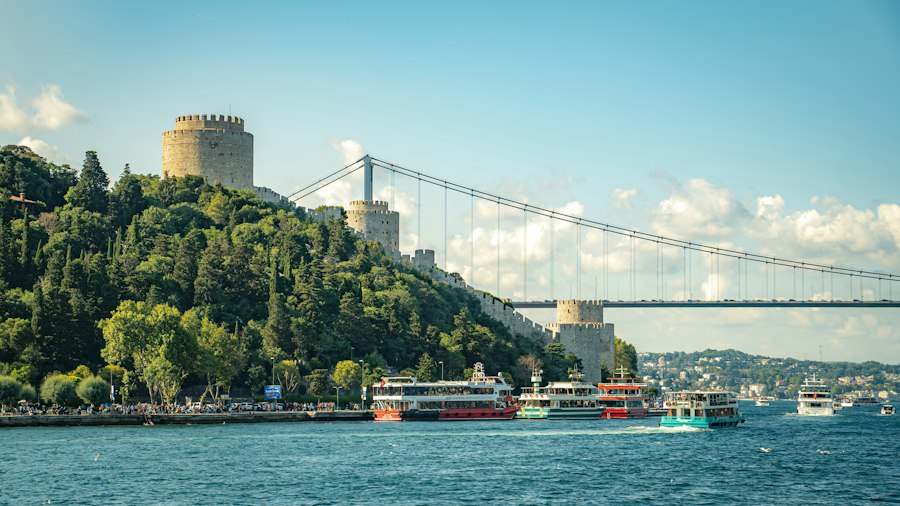
The Byzantine Empire was a major economic power for much of its history, and its sophisticated transportation infrastructure was the backbone of this prosperity. Trade was not merely a private enterprise but was actively managed and often influenced by the imperial government. Key cities served as vibrant centers of commerce, attracting merchants from across the known world and facilitating the exchange of goods that fueled the empire’s economy and funded its military and administrative apparatus.
Constantinople as a Global Marketplace
As previously mentioned, Constantinople was the undisputed economic heart of the empire and one of the most important global marketplaces of its era. Its strategic location, its vast population, and its imperial status attracted merchants from every corner of the known world. The city was a major entrepôt for goods flowing between East and West, North and South. Silks, spices, precious metals, and exotic goods from the East flowed into Constantinople, while Western European manufactured goods, slaves, and raw materials were also traded.
The imperial government played a significant role in regulating trade within the capital. Guilds were established for various crafts and trades, controlling quality, prices, and membership. The emperor himself was often the largest merchant in the empire, importing and exporting goods on a grand scale, particularly luxury items like silk, which the empire closely guarded the secrets of its production. The existence of sophisticated banking and monetary systems, with the gold solidus (later nomisma) being a dominant international currency, further facilitated trade and economic activity.
Provincial Centers of Commerce
While Constantinople dominated, numerous other cities served as vital regional commercial centers. Thessalonica, as mentioned, was a major port and a hub for trade in the Balkans. Antioch, despite its later fragmentation, remained an important trading city for centuries, connecting the empire to the Levant and beyond. Cities in Anatolia, such as Ephesus and Smyrna, played roles in regional trade and agricultural export. Even smaller towns often had bustling market days where local produce and crafts were exchanged.
These provincial centers were not just passive recipients of goods but often produced their own specialized products that were exported throughout the empire and beyond. For example, certain regions were known for their particular types of textiles, pottery, or agricultural products. The efficient transportation networks, both land and sea, allowed these regional specialties to reach wider markets, contributing to the overall economic diversity and resilience of the Byzantine Empire. The network of roads and ports ensured that even the most remote corners of the empire could participate in its economic life.
The Role of Imperial Regulation and Control
The Byzantine state actively managed and regulated trade to ensure its own prosperity and stability. Imperial decrees set customs duties, controlled prices for essential commodities, and often granted monopolies on certain goods, most notably silk production. The emperor and his officials were keen to ensure a steady supply of revenue from trade, which funded the army, the bureaucracy, and public works. This interventionism, while sometimes stifling for private enterprise, also provided a degree of stability and predictability to the market.
The imperial government also had a vested interest in maintaining the infrastructure that supported trade – the roads, bridges, ports, and lighthouses. These were seen as essential investments that generated returns through increased economic activity and tax revenues. The efficiency of the Byzantine transportation system was thus a direct reflection of the state’s priorities and its capacity for organized governance. This intricate interplay between infrastructure, trade, and imperial policy was a hallmark of Byzantine administration and a key factor in its longevity.
The Emperor’s Couriers: Communication and Administration
Beyond trade and logistics, the Byzantine transportation system was fundamental to the functioning of the empire’s vast bureaucracy and its ability to project imperial authority across its diverse territories. Swift and reliable communication was essential for governance, military command, and the collection of information. The empire’s roads and waterways served as the conduits for this vital flow of messages and directives.
The Imperial Postal Service: Cursus Publicus
The Byzantines inherited and adapted the Roman cursus publicus, the imperial postal and transportation service. This sophisticated system utilized a network of relay stations (mutatio) along major roads, where fresh horses, grooms, and supplies were maintained. Imperial couriers, known as *
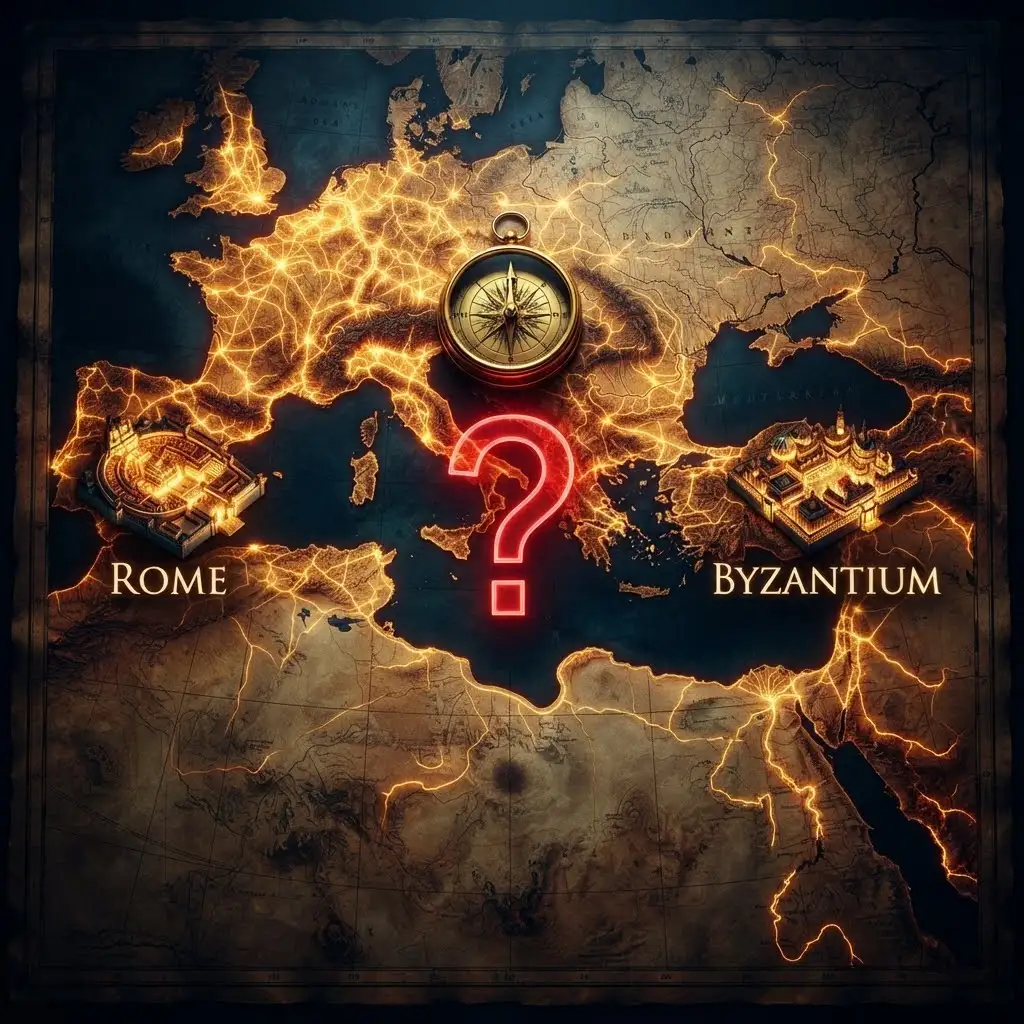
The 2.7% Statistic That Terrifies Roman Historians
FAQs
What was the transportation infrastructure like in the Byzantine Empire?
The Byzantine Empire had a well-developed transportation infrastructure that included a network of roads, bridges, and ports. The roads were paved and well-maintained, allowing for efficient travel throughout the empire.
How did the Byzantine Empire’s transportation system contribute to its economic prosperity?
The efficient transportation system of the Byzantine Empire facilitated trade and commerce, allowing goods and resources to be transported quickly and easily across the empire. This helped stimulate economic growth and prosperity.
What role did ports play in the transportation infrastructure of the Byzantine Empire?
Ports were crucial in the transportation infrastructure of the Byzantine Empire as they served as hubs for maritime trade and transportation. The empire’s strategic location along major trade routes made its ports vital for connecting with other regions.
Were there any notable advancements in transportation technology during the Byzantine Empire?
During the Byzantine Empire, advancements were made in the construction of bridges, roads, and aqueducts. The empire also utilized a system of relay stations for couriers to ensure efficient communication and transportation of messages.
How did the transportation infrastructure center contribute to the overall stability and cohesion of the Byzantine Empire?
The transportation infrastructure center played a key role in maintaining the stability and cohesion of the Byzantine Empire by facilitating the movement of people, goods, and information across its vast territories. This helped to strengthen the empire’s control and influence over its regions.