
The Strategic Zenith: Byzantium’s Geographical Advantage
Constantinople, the imperial capital of the Byzantine Empire, was not merely a city; it was a nexus, a pivotal point where continents converged and cultures intertwined. Its strategic location, straddling the Bosporus Strait, provided an unparalleled geographical advantage that fueled its economic prosperity and solidified its role as a linchpin in historic trade routes. The city’s dominion over this vital waterway, connecting the Black Sea to the Mediterranean, positioned it as an indispensable gateway for goods and peoples flowing between Europe and Asia. This geographical endowment, coupled with astute political maneuvering, allowed Byzantium to harness the immense potential of overland and maritime trade, shaping the economic landscape of the known world for centuries.
The Bosporus: A Natural Chokepoint
The Bosporus Strait, a narrow and winding channel, served as the undisputed heart of Byzantine trade. Its natural defensibility, coupled with its critical function as the sole maritime outlet for the resource-rich Black Sea region, made it a prize of immense strategic and economic value. Control of the Bosporus meant control over the flow of goods emanating from the fertile plains of Eastern Europe, the Caucasus, and Central Asia – a veritable cornucopia of commodities ranging from grain and timber to furs and slaves.
The Grain Trade and Black Sea Riches
The Black Sea, often referred to as the “granary of the ancient world,” was a primary source of vital commodities for the Byzantine Empire and beyond. Vast quantities of grain, particularly wheat from the Crimean Peninsula and the lands surrounding the Sea of Azov, were transported through the Bosporus. This reliable supply of staple food was crucial for feeding the burgeoning population of Constantinople and for sustaining the empire’s vast armies and administrative apparatus. Beyond grain, the Black Sea yielded valuable resources like timber from the Caucasian forests, essential for shipbuilding and construction. The region was also a significant source of furs, particularly sable and ermine, highly prized in the luxury markets of the Byzantine Empire and Western Europe. Furthermore, the northern Black Sea coast was a notorious source of slaves, often captured in raids or through tribal conflicts, who were then traded throughout the empire and exported to other regions. The Byzantine state actively regulated and taxed this trade, ensuring a steady stream of revenue and controlling the flow of these essential commodities.
Naval Dominance and Maritime Control
The Byzantines understood the paramount importance of naval power in securing their dominion over the Bosporus and the broader trade routes. Their sophisticated navy, employing innovative technologies like Greek fire, ensured the safety of merchant vessels traversing the strait and protected against piracy and rival powers. This control not only facilitated legitimate trade but also allowed the empire to project its influence and exert economic pressure on its neighbors. The ability to enforce maritime law, levy tolls, and ensure safe passage transformed the Bosporus into a lucrative toll gate, generating substantial income for the imperial treasury and reinforcing Byzantium’s position as a global trading powerhouse. The constant vigilance and military might displayed by the Byzantine navy were crucial in maintaining the stability and predictability that underpinned long-distance commerce.
Byzantium, known for its strategic location bridging Europe and Asia, played a pivotal role in facilitating trade between the two continents. The city’s position along key trade routes allowed it to become a melting pot of cultures and commerce, influencing economic dynamics in the region. For a deeper understanding of how trade routes have evolved and their impact on modern economies, you can explore a related article that discusses potential economic scenarios in the future. Check it out here: 2025 Worst Case Economic Scenarios Unveiled.
The Silk Road’s Western Terminus: Byzantium and Eastern Luxury
While the Bosporus was the primary gateway for Black Sea trade, Constantinople also served as a vital western terminus for the legendary Silk Road. Though the bulk of the Silk Road’s journey traversed vast swathes of Central Asia, its terminus in the East was often in China, and its westernmost outlets eventually led to the Mediterranean, with Byzantium playing a crucial role in connecting these long-distance arteries of commerce to the European hinterland. The exotic goods that embarked on this arduous journey, often taking years to reach their destination, found a receptive market in Constantinople and were then disseminated throughout the Byzantine Empire and further into Europe.
The Flow of Silk and Spices
The most iconic commodity of the Silk Road was, of course, silk. Produced in China through a closely guarded secret process, silk was a fabric of unparalleled beauty and luxury, highly coveted by the elite across the ancient and medieval world. Constantinople became a major entrepôt for this precious commodity. While the Byzantines eventually managed to acquire silkworms and establish their own silk industry, for centuries, they were significant importers of Chinese silk. This silk was not merely a textile; it was a symbol of status, wealth, and imperial power, adorning the robes of emperors, empresses, and high-ranking officials.
Beyond silk, a dazzling array of other luxury goods flowed along the Silk Road and through Constantinople. Spices, including pepper, cinnamon, cloves, and nutmeg, were among the most valuable. These were not just culinary ingredients; they were used in medicine, for religious ceremonies, and as preservatives. Their rarity and the complex routes they traversed made them astronomically expensive, and their presence in Constantinople spoke volumes about the empire’s access to the furthest reaches of the known world. Other precious items included gemstones, rare perfumes, ivory, porcelain, and exotic animal products.
The Byzantine Role in Re-export and Distribution
Constantinople’s strategic location facilitated not just the import of these Eastern luxuries but also their re-export and distribution to other markets. Merchants from across Europe – Franks, Venetians, Genoese, and others – flocked to Constantinople to acquire these coveted goods. The Byzantine state, through its organized markets and sophisticated commercial infrastructure, facilitated these transactions. The empire acted as a crucial intermediary, bridging the gap between the distant East and the developing economies of Europe. This role as a redistributor of wealth and goods further cemented Byzantium’s economic importance and contributed to the flow of capital and innovation throughout the Mediterranean world. The entrepreneurial spirit of Byzantine merchants, combined with the imperial administration’s support, created a vibrant marketplace where Eastern treasures were transformed into European currency and aspirations.
The Silk Industry and Imperial Monopoly
While initially reliant on imports, the Byzantine Empire eventually developed its own thriving silk industry. Legend attributes the introduction of silkworms to the empire to Justinian I in the 6th century, who, it is said, smuggled eggs from China disguised in hollow walking sticks. This marked a significant turning point, as it allowed Byzantium to gain greater control over its silk supply and reduce its dependence on external sources. The imperial government actively promoted and regulated the silk industry, establishing monopolies and controlling production centers. The finest Byzantine silks, often woven with intricate patterns and rich colors, rivaled those from the East and became highly sought after in their own right. This domestic production not only provided a stable and profitable revenue stream for the empire but also fostered a unique artistic and textile heritage.
Imperial Silk Workshops and Patronage
The imperial court was the primary patron of the silk industry. Elaborate silk textiles were commissioned for imperial garments, courtly regalia, church vestments, and diplomatic gifts. The famous Byzantine mosaics, with their shimmering tesserae, often evoked the rich colors and intricate patterns of their silks, showcasing a shared aesthetic sensibility. The imperial workshops, employing skilled artisans, produced some of the most exquisite silk fabrics of the medieval world. The intricate designs, often featuring animals, mythical creatures, and religious motifs, reflected the rich cultural tapestry of the empire. The demand from the imperial household and the aristocracy stimulated innovation and ensured the highest standards of craftsmanship. This state-sponsored industry not only contributed to the economy but also served as a powerful symbol of imperial prestige and artistic achievement.
Mediterranean Hub: Byzantium’s Maritime Connections
The Byzantine Empire was inherently a maritime power, and its vast coastline and control of key waterways facilitated extensive trade across the Mediterranean Sea. Constantinople’s position at the crossroads of Eastern and Western maritime routes made it a natural hub for a complex network of trade that extended to the Levant, Egypt, North Africa, and the Italian city-states. This intricate web of maritime connections ensured the regular exchange of goods, ideas, and people, contributing to the economic dynamism and cultural richness of the Byzantine world.
Trade with the Levant and Egypt
The eastern Mediterranean, encompassing the Levant (modern-day Syria, Lebanon, Israel, and Palestine) and Egypt, was a vital trading partner for Byzantium. These regions were centers of agricultural production, producing grains, olive oil, wine, and textiles that were in high demand in the empire. Conversely, Byzantium exported manufactured goods, precious metals, and some luxury items to the Levant and Egypt. The port cities of Antioch, Tyre, Alexandria, and Cairo were bustling centers of commerce, where Byzantine merchants interacted with Arab, Jewish, and other traders.
Goods Exchanged and Economic Interdependence
The exchange of goods between Byzantium and the Levant/Egypt was largely complementary. The fertile lands of these regions provided essential foodstuffs that supplemented Byzantine production, especially during times of scarcity. In return, the Byzantines offered manufactured goods such as pottery, glassware, and metalwork, as well as items like wine and honey. The spice trade also played a significant role, with Byzantium often acting as a conduit for spices originating from further east that found their way to the markets of the Levant and Egypt. This economic interdependence fostered strong commercial ties and contributed to the prosperity of both regions. The regular flow of goods also facilitated the exchange of technologies and artistic styles, enriching the cultural landscape of the entire Mediterranean basin.
Interactions with North Africa
North Africa, particularly the regions of Ifriqiya (modern-day Tunisia) and Egypt, also represented a crucial trading sphere for the Byzantine Empire. These areas were known for their agricultural surpluses, especially grain, which was vital for feeding Constantinople. They also produced valuable commodities like olive oil, leather goods, and dyes. Byzantine merchants actively engaged in trade with North African ports, exchanging these goods for Byzantine products and imported luxuries from the East.
The African Grain Supply and Byzantine Stability
The grain from North Africa, along with that from Egypt and the Black Sea, was a cornerstone of Constantinople’s food security. The regular and reliable supply of this essential commodity was critical for maintaining social stability and preventing unrest in the capital. Any disruption to this supply could have serious political ramifications for the imperial government. Consequently, Byzantium invested significant resources in ensuring the safety of maritime routes and maintaining friendly relations with North African powers. The control and trade of African grain thus became a matter of imperial survival, underscoring the deep economic and political ties that bound these regions together.
The Rise of Italian Maritime Republics
As the Byzantine Empire evolved, so too did its relationships with emerging maritime powers in the West, most notably the Italian city-states of Venice, Genoa, and Pisa. Initially, these Italian republics were subordinate trading partners, operating under Byzantine terms and paying customs duties. However, their entrepreneurial spirit and growing naval strength gradually allowed them to gain more significant concessions and influence.
Trade Concessions and Shifting Power Dynamics
By the High Middle Ages, Venice and Genoa, in particular, had secured extensive trading privileges within the Byzantine Empire. They were granted exemptions from customs duties, allowed to establish their own trading posts in key Byzantine cities, and given considerable autonomy in their commercial dealings. These concessions, often granted in exchange for military assistance or in periods of Byzantine weakness, fundamentally altered the balance of power. While Byzantium benefited from the commercial activity these republics brought, their increasing economic dominance also began to undermine Byzantine control over its own trade and contributed to the empire’s eventual decline. The wealth generated by these Italian republics through their Byzantine trade was a significant factor in their rise as major European powers.
Overland Routes: The Asian Hinterland and Beyond
While Byzantium’s maritime prowess is undeniable, its overland trade networks were equally crucial, connecting it to the vast hinterland of Asia and beyond. These routes, though often more arduous and prone to disruption than sea voyages, facilitated the movement of goods that were essential for the empire’s economy and its position as a conduit between East and West. These were the arteries that brought raw materials and finished products from regions far beyond the reach of Byzantine ships.
Routes from Central Asia and the Caucasus
The eastern and northeastern borders of the Byzantine Empire were gateways to extensive overland trade routes originating from Central Asia and the Caucasus region. These routes facilitated the flow of goods such as horses, furs, precious metals, and slaves from the nomadic peoples and kingdoms of these territories. The Byzantines maintained a complex diplomatic and commercial relationship with these groups, often engaging in alliances, tribute payments, and trade agreements to secure these vital supply lines.
The Importance of Horses and Furs
Horses were particularly important, as they were essential for the Byzantine cavalry, a cornerstone of their military strength. The breeds from Central Asia were renowned for their stamina and speed. Furs, especially sable and ermine, were highly prized for their warmth and luxury, and Byzantium served as a major distribution point for these valuable commodities entering the European market. The control of these overland routes, therefore, was not just an economic imperative but also a strategic necessity for maintaining the empire’s military and economic might.
The Role of Constantinople as an Exchange Point
Constantinople, with its immense markets and cosmopolitan population, served as the ultimate exchange point for goods arriving from both land and sea. Merchants from the East, bringing silks, spices, and other exotic wares, met with merchants from Europe, seeking these luxuries and offering their own commodities in return. This constant flux of goods and people created a vibrant and dynamic economic environment within the city.
The Grand Bazaar and Imperial Control
The imperial administration actively managed and regulated these markets. The famous Grand Bazaar of Constantinople was not just a marketplace; it was a highly organized commercial hub where goods were traded, prices were set, and the imperial treasury collected its share through various taxes and levies. The emperor and his officials sought to maintain stability and prevent monopolistic practices, ensuring a steady flow of commerce that benefited the empire. The regulation of trade also extended to quality control and the prevention of fraud, further enhancing the reputation of Byzantine markets.
The Transmission of Ideas and Technologies
Beyond the tangible goods, these trade routes also served as conduits for the transmission of ideas, technologies, and cultural influences. Innovations in agriculture, metallurgy, navigation, and even artistic styles often traveled along with merchants and their wares. The interactions between Byzantine scholars and artisans and their counterparts from the East and West fostered intellectual exchange and contributed to the empire’s own rich cultural heritage. The movement of people, from merchants and diplomats to pilgrims and scholars, ensured that Byzantium remained at the forefront of cultural and scientific developments for centuries.
Byzantium played a crucial role in connecting Europe and Asia through trade, serving as a vibrant hub where goods, ideas, and cultures converged. This strategic location facilitated the exchange of valuable commodities such as silk and spices, significantly impacting the economies of both continents. For a deeper understanding of how trade agreements shape economic relationships, you can explore this insightful article on the USMCA trade agreement, which highlights the complexities of modern trade dynamics. The historical significance of Byzantium in fostering trade connections remains relevant as we examine contemporary trade frameworks. To learn more, visit this article.
The Enduring Legacy: Byzantium’s Commercial Influence
| Metric | Value | Description |
|---|---|---|
| Trade Routes | 3 Major Routes | Land and sea routes connecting Europe and Asia through Byzantium |
| Key Commodities | Silk, Spices, Precious Metals, Textiles | Main goods traded via Byzantium’s position |
| Annual Trade Volume | Estimated 500 tons | Approximate volume of goods passing through Byzantium annually |
| Trade Tax Revenue | Significant Portion of Empire’s Income | Customs duties collected from merchants crossing Byzantium |
| Strategic Location | Bosphorus Strait | Key geographic chokepoint linking Black Sea and Mediterranean |
| Trade Partners | Europe, Middle East, Central Asia, North Africa | Regions connected through Byzantine trade networks |
| Currency Used | Solidus (Gold Coin) | Byzantine currency facilitating trade stability |
The economic legacy of the Byzantine Empire, though its political power eventually waned, endured for centuries. Its role as a bridge between Europe and Asia, a facilitator of trade, and a disseminator of goods and ideas left an indelible mark on the commercial landscape of the medieval and early modern world. The intricate networks established by Byzantium, its sophisticated commercial practices, and its strategic control of key trade arteries laid the groundwork for future European economic expansion and shaped global trade patterns for generations to come.
From Imperial Hub to European Precedent
The vast commercial network that Byzantium cultivated served as a precedent for the developing economies of Western Europe. The sophisticated financial instruments, accounting methods, and trade regulations employed by the Byzantine administration were studied and adapted by emerging powers. The wealth generated through Byzantine trade contributed to the growth of banking and commerce in cities like Venice and Genoa, which in turn propelled the Age of Exploration. The very idea of a centralized imperial authority actively fostering and regulating trade became a model that later European empires would strive to emulate.
The Foundation for Future Trade Empires
The Silk Road, the Mediterranean maritime routes, and the overland connections facilitated by Byzantium did not simply disappear with the empire’s fall. Instead, these routes were adapted and continued by successor states and emerging European powers. The desire for the luxury goods that Byzantium had once controlled, such as silk and spices, fueled European exploration and the search for direct access to Eastern markets. The legacy of Byzantine trade, therefore, is not just confined to its own history but extends to the very foundations of global capitalism and the interconnectedness of economies that characterize the modern world. The economic arteries that Byzantium so skillfully managed continued to pulse, albeit under new masters, carrying the currents of commerce that would eventually reshape the globe.
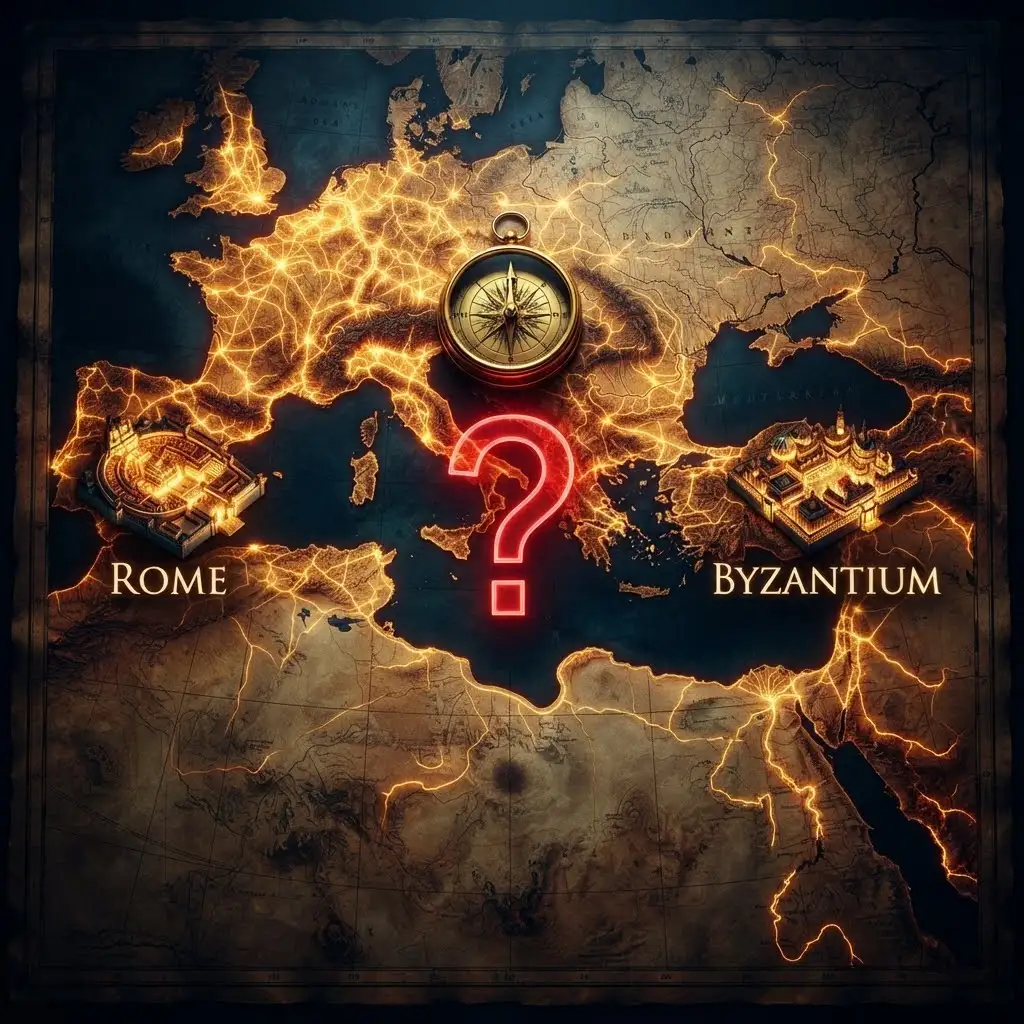
The 2.7% Statistic That Terrifies Roman Historians
FAQs
What was the significance of Byzantium in connecting Europe and Asia through trade?
Byzantium, located at the crossroads of Europe and Asia, served as a vital hub for trade between the two continents. Its strategic location allowed for the exchange of goods, ideas, and cultures between the East and the West.
What were some of the key goods traded through Byzantium between Europe and Asia?
Some of the key goods traded through Byzantium included silk, spices, precious metals, textiles, ceramics, and agricultural products. These goods were highly sought after and played a crucial role in the economy of the region.
How did Byzantium’s trade connections impact its economy and influence its political power?
Byzantium’s trade connections brought wealth and prosperity to the region, fueling its economy and contributing to its political power. The revenue generated from trade allowed Byzantium to maintain a strong military, build impressive infrastructure, and exert influence over neighboring regions.
What role did Byzantine merchants play in facilitating trade between Europe and Asia?
Byzantine merchants played a crucial role in facilitating trade between Europe and Asia by establishing trade routes, negotiating agreements with foreign partners, and transporting goods across long distances. Their expertise and networks were essential in connecting distant markets.
How did the fall of Byzantium impact trade between Europe and Asia?
The fall of Byzantium in 1453 to the Ottoman Empire had a significant impact on trade between Europe and Asia. The closure of traditional trade routes through Byzantium forced European merchants to seek alternative routes, leading to the Age of Exploration and the discovery of new trade routes to Asia.