The Crossroads of Commerce: Byzantium’s Unrivaled Position
The story of Byzantium, and later Constantinople, is inextricably linked to its strategic geographic location. More than just a city, it was a nexus, a vital conduit through which the lifeblood of ancient and medieval trade flowed between the continents of Europe and Asia. Its control over the Bosporus Strait, a narrow waterway connecting the Black Sea to the Mediterranean, granted it an unparalleled advantage in dominating the burgeoning trade routes that crisscrossed the known world. This strategic dominance was not merely a matter of geographical luck; it was a carefully cultivated and fiercely defended asset that shaped the economic, political, and cultural landscape of both East and West for over a millennium. From its inception as Byzantium, a Greek colony, through its transformation into the magnificent capital of the Roman and later Byzantine Empires, the city’s prime location was the bedrock upon which its prosperity and influence were built. The ability to regulate passage, tax goods, and facilitate exchange made Byzantium not just a participant in trade, but its central orchestrator, a position that generated immense wealth and power.
The strategic importance of the Byzantium Central Corridor as a link between Europe and Asia has been a topic of discussion among historians and geopolitical analysts. This corridor not only facilitated trade but also cultural exchanges between the two continents. For a broader understanding of historical connections and their implications, you might find the article on the secret history of Antarctica insightful. It explores how various regions have influenced one another throughout history. You can read more about it here: Uncovering the Secret History of Antarctica.
The Strategic Imperative: Governing the Bosporus
The Bosporus Strait, a mere 31 kilometers long and varying in width from 700 meters to 3.7 kilometers, proved to be one of the most significant geographical features in world history. Byzantium’s founders, the Megarians, recognized this potential centuries before the city’s imperial zenith. They established their settlement on the European side of the strait, a promontory offering excellent natural defenses and commanding views of incoming and outgoing vessels. This foresight laid the foundation for the city’s future as a commercial powerhouse. The straits naturally funneled trade, forcing merchants and fleets to pass by Byzantium, creating an inescapable point of control.
The Black Sea’s Eastern Promise
The Black Sea, a vast and largely inland sea, served as a crucial hinterland for numerous trade routes originating from the north and east. Grain from the fertile plains of Scythia and Thrace, furs and slaves from the Slavic and Baltic regions, timber and honey from the forests of the north – all these valuable commodities found their way to the Black Sea ports. From these ports, ships would then sail towards the Bosporus. Without Byzantium’s assent and facilitation, access to the lucrative markets of the Mediterranean and beyond would be severely restricted. This made the Black Sea essentially an ante-chamber to the broader European and Asian trade networks, with Byzantium holding the key to its exit.
Mediterranean Pathways to the West
Conversely, the Bosporus served as the gateway for goods arriving from the Mediterranean. Wines, olive oil, pottery, textiles, and manufactured goods from the Roman Empire and later the burgeoning kingdoms of Western Europe would travel through the Aegean Sea and into the Marmara Sea, eventually reaching the Bosporus. These goods were then either destined for the markets of the Black Sea region or would be transshipped for overland journeys into Asia. The constant flow of goods in both directions, mediated by Byzantium, solidified its position as a vital intermediary.
The Byzantine Economy: Wealth Generation Through Trade

The economic engine of Byzantium was fueled by its advantageous position. The empire derived immense wealth not only from its own agricultural and manufacturing output but, more significantly, from the tolls, taxes, and transit fees levied on the vast quantities of goods that passed through its territories. This revenue funded its formidable army, its sophisticated bureaucracy, and its magnificent cultural and architectural achievements, solidifying its status as a great power.
Taxation and Revenue Streams
The Byzantine state was highly adept at extracting revenue. Merchants passing through the Bosporus were subject to various tariffs and customs duties. The kommerkion, a customs duty, was a significant source of income, typically set at a percentage of the value of the goods. Beyond direct taxation, Byzantium also profited from its role as a marketplace. The city itself became a major center for the exchange of goods, attracting merchants from far and wide who then bought and sold within its walls, further stimulating economic activity and generating indirect revenue through various fees and licenses. The imperial mint also played a crucial role, standardizing currency and facilitating transactions across its vast network.
The Silk Road’s Western Terminus
While the term “Silk Road” often evokes images of caravans traversing the vast deserts of Central Asia, Byzantium served as a critical western terminus for many of these overland routes. Silks from China, spices from India, precious stones from the East – these luxury goods, after arduous journeys, would eventually reach the Black Sea or overland routes that fed into the Bosporus. Byzantium then acted as the primary conduit for these exotic wares to reach European markets. The imperial court’s demand for these luxuries, coupled with its ability to control their distribution, further enhanced the city’s economic clout. The flow of silk, in particular, was so significant that it had a profound impact on Byzantine fashion and culture.
Facilitating and Controlling Exchange: The Role of the Byzantine Merchant Class
The prosperity of Byzantium was not solely the result of geographical chance; it was also built upon a sophisticated understanding of trade and a well-developed merchant class. While the imperial state held ultimate authority, private merchants played a vital role in the day-to-day operations of commerce, forming a crucial link between producers and consumers across continents.
The Empire’s Commercial Infrastructure
The Byzantine Empire invested in and maintained a robust infrastructure to support its trade. This included a network of well-maintained roads and safe harbors, particularly along the coastal routes connecting to the Bosporus. Imperial decrees and legal frameworks were established to regulate trade, ensure fair practices (to a degree), and protect merchants from piracy and other dangers. The state also played a role in standardizing weights and measures, further streamlining commercial transactions. The existence of imperial treasuries and financial institutions facilitated large-scale trade and investment.
The Power of Byzantine Guilds and Merchant Networks
Within the Byzantine cities, powerful guilds often emerged, representing various trades and professions. These guilds regulated the quality of goods, set prices, and provided a degree of collective bargaining power for their members. Furthermore, extensive informal networks of merchants, often bound by family ties or common origins, facilitated the flow of information and capital across vast distances. These networks were crucial for navigating the complexities of international trade, understanding market demands, and securing reliable sources of supply. The Byzantine merchant was often a highly skilled individual, conversant in multiple languages and possessing a keen understanding of international finance and politics.
The strategic significance of the Byzantium central corridor as a vital link between Europe and Asia has been a topic of extensive discussion among scholars and policymakers. This corridor not only facilitates trade and cultural exchange but also plays a crucial role in addressing regional tensions. For a deeper understanding of the complexities involved in navigating such geopolitical landscapes, you can explore a related article that delves into the intricacies of border disputes and their implications for international relations. Check out this insightful piece on navigating border disputes to gain further insights into the challenges faced in this dynamic region.
Cultural and Political Ramifications of Byzantium’s Centrality
| Metric | Description | Value | Unit |
|---|---|---|---|
| Route Length | Total length of the Byzantium Central Corridor linking Europe and Asia | 2,500 | km |
| Countries Connected | Number of countries along the corridor | 6 | countries |
| Freight Capacity | Annual freight transport capacity of the corridor | 30 | million tons |
| Travel Time Reduction | Estimated reduction in travel time compared to alternative routes | 20 | percent |
| Major Cities Connected | Key urban centers along the corridor | 7 | cities |
| Rail Gauge | Standard rail gauge used on the corridor | 1,435 | mm |
| Year Established | Year when the corridor was officially launched | 2018 | year |
Byzantium’s role as a central corridor for trade had profound and lasting cultural and political consequences, shaping the interactions and development of diverse societies. The constant influx of people, ideas, and goods fostered a cosmopolitan environment that was unique for its time, and its economic power translated directly into political influence.
The Diffusion of Ideas and Technologies
The movement of merchants and travelers between East and West was not limited to tangible commodities. Ideas, artistic styles, religious beliefs, and technological innovations also traveled along these routes. Byzantine scholars and artisans absorbed influences from Persia, India, and further East, while in turn, their own knowledge and creations spread westward. The transmission of classical knowledge during the early medieval period, often preserved and transmitted by Byzantine scholars, was instrumental in the eventual Renaissance in Western Europe. Similarly, advancements in areas like shipbuilding, cartography, and siege warfare were exchanged and adapted by different cultures interacting through Byzantium.
The Byzantine Empire as a Diplomatic Hub
The immense wealth generated by trade allowed the Byzantine Empire to maintain a powerful military and an extensive diplomatic apparatus. Its control over key trade routes made it a crucial player in international relations. Embassies from distant lands, seeking trade agreements, alliances, or simply knowledge of the outside world, frequently arrived at the imperial court. Byzantium often acted as a mediator in disputes between other kingdoms, its economic leverage giving its diplomatic pronouncements significant weight. The empire’s patronage of the arts and sciences, funded by its trade revenues, also contributed to its prestige and attracted scholars and artists from across the known world, further solidifying its cultural dominance and its position as a beacon of civilization. The very existence of such a wealthy and organized empire acted as a stabilizing force in a often turbulent world, and its ability to regulate and facilitate trade was a testament to its enduring power and influence. The legacy of Byzantium as the central corridor linking Europe and Asia is a testament to the transformative power of geography when coupled with strategic foresight and economic acumen.
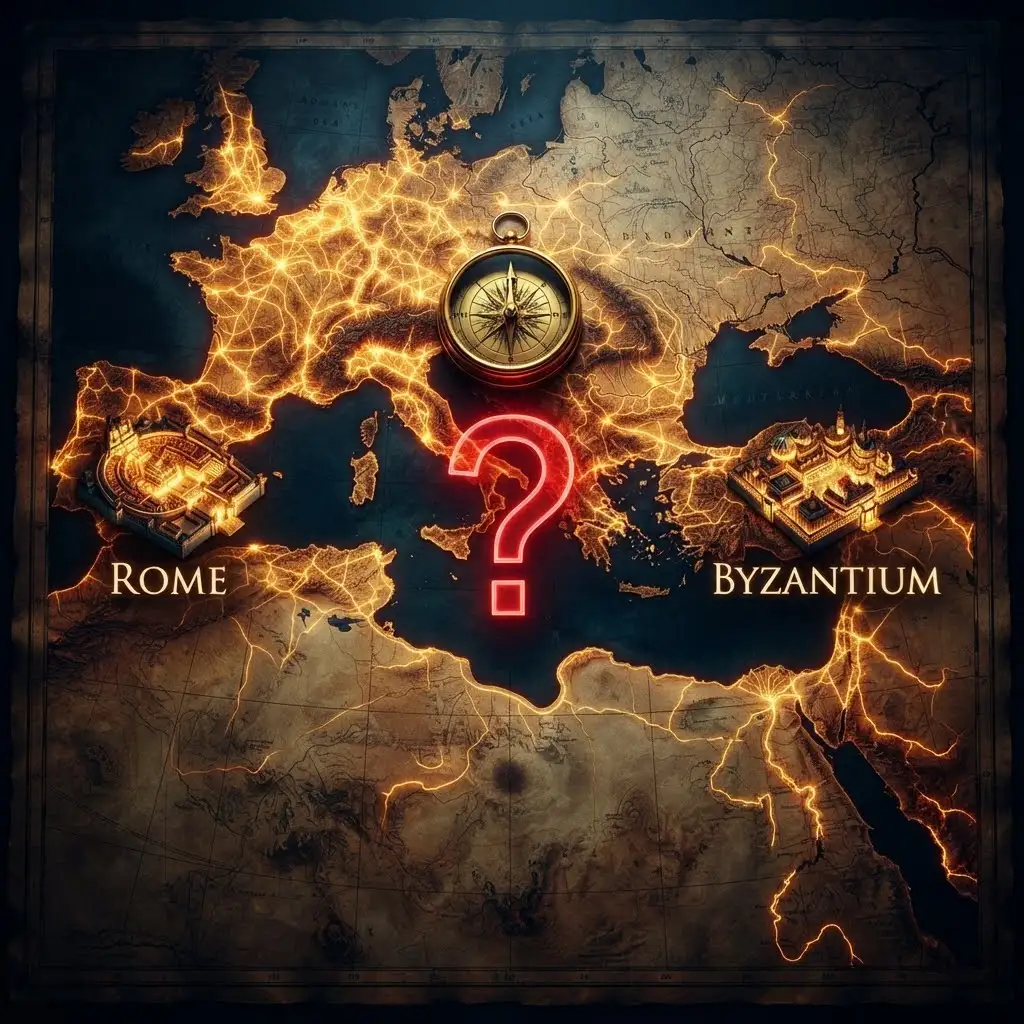
The 2.7% Statistic That Terrifies Roman Historians
FAQs
What is the significance of the Byzantium Central Corridor in linking Europe and Asia?
The Byzantium Central Corridor played a crucial role in connecting Europe and Asia, serving as a major trade route for goods, culture, and ideas between the two continents.
How did the Byzantium Central Corridor contribute to the spread of Christianity?
The corridor facilitated the spread of Christianity by allowing missionaries, pilgrims, and religious texts to travel between Europe and Asia, helping to establish and strengthen Christian communities along the route.
What cities were key points along the Byzantium Central Corridor?
Important cities along the corridor included Constantinople (modern-day Istanbul), Nicaea, and Antioch, which served as major hubs for trade, diplomacy, and cultural exchange between Europe and Asia.
How did the Byzantium Central Corridor influence the development of art and architecture in the region?
The corridor served as a conduit for the exchange of artistic styles and techniques between Europe and Asia, leading to the development of unique artistic traditions that blended influences from both continents.
What factors eventually led to the decline of the Byzantium Central Corridor as a major trade route?
The rise of alternative trade routes, political instability in the region, and the fall of the Byzantine Empire to the Ottoman Turks in 1453 all contributed to the decline of the corridor as a primary link between Europe and Asia.