
The Silk Road’s Western Gate: Byzantium’s Pivotal Role
The Byzantine Empire, a successor to the Roman Empire in the East, stood as a colossal geopolitical and economic force for over a millennium. Its strategic location, straddling the continents of Europe and Asia, and its control over vital waterways, positioned it at the very nexus of ancient and medieval trade. Byzantium was not merely a passive recipient of goods; it was an active facilitator, an organizer, and often, a demanding participant in the vast network of travel and commerce that defined the ancient world. To understand Byzantium is to understand a crucial crossroads, a place where ideas, cultures, and commodities converged and diverged, shaping the trajectory of civilizations from the Mediterranean to the Far East. The empire’s enduring legacy is inextricably linked to its mastery of these intricate networks, a testament to its organizational prowess and its deep understanding of the flow of wealth and influence.
The very formation of the Byzantine Empire, with its capital at Constantinople, was a deliberate act of strategic positioning. Emperor Constantine the Great chose the ancient Greek city of Byzantium, later renamed Constantinople (modern-day Istanbul), for its unparalleled defensive capabilities and its access to both the Black Sea and the Aegean Sea. This geographical advantage was the bedrock upon which Byzantine prosperity was built. The Bosphorus Strait, the narrow waterway separating Europe and Asia, became the empire’s golden gateway, a chokepoint that allowed Byzantium to control and tax the passage of countless vessels laden with exotic goods. This control was not merely about revenue; it was about shaping the flow of trade, influencing prices, and dictating the terms of engagement for merchants from distant lands. The Byzantines understood that power lay not just in military might, but in the command of economic arteries.
The empire’s influence extended far beyond its physical borders, permeating the development and maintenance of routes that connected it to the known world. The vast Roman road network, inherited and maintained by the Byzantines, served as a crucial terrestrial spine for trade and communication within the empire and its immediate spheres of influence. Beyond these well-trodden paths, Byzantine diplomacy and military campaigns also played a significant role in securing and sometimes forging new trade corridors, fostering an environment where merchants could travel with a degree of safety, albeit often with significant tolls and taxes. The empire’s ability to project power and maintain order, even in its declining centuries, was directly correlated with its success in keeping these vital arteries of commerce open.
The study of ancient travel networks in Byzantium reveals the intricate connections that facilitated trade and cultural exchange across regions. A related article that explores the economic significance of trade routes, albeit in a different context, is titled “The Economic Importance of Mexico for the US.” This article delves into modern trade dynamics and highlights how historical trade networks have shaped contemporary economic relationships. For further insights, you can read the article here: The Economic Importance of Mexico for the US.
The Arteries of Commerce: Byzantine Trade Routes Unveiled
The Byzantine Empire was a master manipulator of trade routes, leveraging its geographical position and its sophisticated administrative apparatus to facilitate and profit from the exchange of goods across vast distances. These routes were not static entities but dynamic networks, constantly adapting to political shifts, economic opportunities, and technological advancements. The Byzantines actively managed these arteries of commerce, ensuring their flow and extracting their immense economic benefits.
The Silk Road’s Western Terminus
The most iconic of these networks, the Silk Road, found its western terminus and a vital hub within the Byzantine Empire. While the name conjures images of camel caravans traversing arid plains, the Silk Road was a complex web of land and sea routes connecting the East and West. For Byzantium, Constantinople was the primary entrepôt for silk, spices, precious stones, and other luxury goods originating from China, India, and Persia. These commodities were highly prized in the Byzantine court and among its wealthy elite, fueling a demand that kept the trade flowing. The empire’s role was not simply that of a consumer; it was also a re-exporter. Byzantine merchants, often in partnership with Armenian, Syrian, or Jewish traders, would acquire these Eastern goods and then distribute them further into Europe, reaching markets in Italy, Gaul, and beyond. This intermediary role generated significant wealth and reinforced Byzantium’s economic dominance. The control of key ports like Trebizond on the Black Sea and Antioch in the Levant further solidified their position as the gateway for these precious goods.
Maritime Dominance in the Mediterranean
Beyond the overland Silk Road, Byzantine maritime power was central to its economic success. The Mediterranean Sea, once the Mare Nostrum of Rome, remained a vital highway for trade under Byzantine rule. The empire controlled key islands and coastal cities, facilitating the movement of grain from Egypt and North Africa, wine and olive oil from Greece and Anatolia, timber from the Balkans, and manufactured goods across its vast maritime domain. The Byzantine navy, though subject to periods of decline, was instrumental in protecting these sea lanes from piracy and rival powers, ensuring the safe passage of merchant vessels. Constantinople’s strategic location, situated at the intersection of major sea routes, allowed it to attract and service ships from all corners of the Mediterranean and even from the Black Sea. The Hagia Sophia, a symbol of Byzantine power, also served as a testament to the wealth generated by this trade, its construction funded by the empire’s prosperity. The development of sophisticated shipbuilding techniques and navigational tools further enhanced their maritime capabilities.
The Danube and the Black Sea Routes
The Danube River and the Black Sea formed another critical network for Byzantine commerce, connecting the empire to the northern and eastern European hinterlands. This route facilitated the export of luxury goods from Byzantium, such as silks, jewelry, and religious artifacts, to the emerging Slavic and Germanic kingdoms. In return, Byzantium imported vital commodities like furs, honey, wax, slaves, and raw materials such as timber and iron. Cities like Odessa, Cherson, and Tmutarakan on the northern Black Sea coast served as important trading outposts and naval bases, linking Byzantium to the steppes and the Baltic. The Danube also provided access to the overland routes that led further into Central Europe, broadening the reach of Byzantine trade and cultural influence. The empire’s intricate system of customs duties and regulations on these routes was a crucial source of revenue, enabling Byzantium to maintain its vast bureaucracy and its formidable military.
Overland Routes and Imperial Infrastructure
While sea routes were often more efficient for bulk transport, overland routes remained indispensable for connecting inland regions and for reaching markets inaccessible by water. The Byzantines inherited and meticulously maintained the extensive Roman road network, improving and expanding it where necessary. These paved roads, often lined with milestones and guarded by fortifications, facilitated the movement of armies, officials, and, importantly, merchants and their goods. The movement of grain from fertile agricultural regions to urban centers, the transport of raw materials to workshops, and the distribution of finished goods across the empire all relied on this terrestrial infrastructure. Byzantine engineering expertise was evident in the construction and maintenance of bridges, viaducts, and defensive structures along these routes, ensuring their continued utility. The development of a standardized currency, the gold solidus, also played a vital role in streamlining transactions and fostering trust among traders operating across these diverse networks.
The Goods of Empire: What Traveled Byzantium’s Highways
The economic engine of the Byzantine Empire was fueled by a constant and diverse flow of goods. These commodities were not merely the raw materials of trade but the tangible manifestations of cultural exchange, technological advancement, and the empire’s own productive capabilities. Byzantium both consumed and produced, acting as a critical intermediary in the global economy of its time.
Precious Commodities and Exotic Wares
The most sought-after goods traversing Byzantine routes were those associated with luxury and exclusivity. Silk, as its namesake suggests, was paramount. While Byzantium eventually developed its own silk production, initially it was a highly prized import from China, India, and Persia. This lustrous fabric adorned the imperial court, the aristocracy, and the clergy, symbolizing wealth, status, and divine favor. Spices, including pepper, cinnamon, cloves, and nutmeg, were equally coveted. These not only enhanced the flavor of Byzantine cuisine but also served medicinal and perfumery purposes. Precious stones, such as pearls, emeralds, and sapphires, were imported from the East and from mines within the empire’s territories, adorning imperial regalia and aristocratic jewelry. Ivory, often sourced from Africa, was carved into intricate artworks, reliquaries, and luxury items. Incense and fragrant resins, used in religious ceremonies and for perfuming homes, also made their way to Byzantium. These high-value, low-bulk commodities were ideal for long-distance trade, generating substantial profits for merchants and the imperial treasury.
Staple Foods and Agricultural Produce
While luxury goods captured the imagination, the sustenance of the empire and its burgeoning cities relied on the trade of staple foods. Grain, particularly wheat, was a cornerstone of this trade, with major shipments arriving from Egypt, North Africa, and the fertile plains of Anatolia and Thrace. This grain was essential for feeding the vast population of Constantinople and other major urban centers, and its reliable supply was a constant concern for the imperial administration. Olive oil, a vital source of food, lighting, and an ingredient in cosmetics and soaps, was traded extensively from the olive groves of Greece, Crete, and southern Italy. Wine, produced in regions like the Aegean islands and Anatolia, was another important commodity, consumed both domestically and exported to other parts of the Mediterranean. Fruits, nuts, and dried legumes also formed part of the agricultural trade, contributing to the dietary diversity of the empire.
Raw Materials and Craftsmanship
Byzantium was also a significant hub for the trade of raw materials and the products of its skilled artisans. Timber, essential for shipbuilding, construction, and fuel, was sourced from the forests of the Balkans and Anatolia. Iron, copper, and other metals were mined in various regions and processed into tools, weapons, and other metalwork. Furs, particularly from the northern Black Sea regions and further east, were highly valued for their warmth and luxury, adorning the garments of the wealthy. The empire itself was a producer of exquisite manufactured goods. Byzantine workshops were renowned for their enamels, mosaics, illuminated manuscripts, ivory carvings, and fine metalwork, which were exported across the known world. These handcrafted items, imbued with Byzantine artistic traditions and technical skill, were highly prized by foreign rulers and wealthy individuals, further contributing to the empire’s economic prowess and its cultural influence.
Slaves and Human Trafficking
A grim but significant aspect of ancient and medieval trade was the movement of enslaved people. Byzantium was both a consumer and a facilitator of this trade. Slaves, often captured in military campaigns against neighboring peoples, or acquired through organized raids and trade networks, served as domestic servants, agricultural laborers, and skilled artisans within the empire. They were also traded to other regions. The routes that carried silks and spices also carried human beings, a testament to the multifaceted and often brutal nature of ancient commerce. The Slavs, from whom the word “slave” ultimately derives, were a significant group traded through these networks. Byzantine merchants played a role in acquiring and distributing enslaved people across its territories and to external markets, a practice that underscores the complex and often morally ambiguous dimensions of the empire’s economic activities.
The Human Element: Travelers, Merchants, and the Culture of Exchange
The vast networks of travel and trade that crisscrossed the Byzantine world were animated by the individuals who navigated them. Merchants, pilgrims, soldiers, diplomats, and scholars all contributed to the vibrant tapestry of exchange, carrying not only goods but also ideas, customs, and technologies across continents. The Byzantine Empire fostered a culture of interaction, where diverse peoples and traditions met and mingled, leaving an indelible mark on both the empire and the wider world.
The Merchant Class and Their Networks
The backbone of Byzantine commerce was its robust merchant class. These individuals, often from diverse ethnic and religious backgrounds, operated within intricate networks of kin, patronage, and business partnerships. Armenian, Syrian, Jewish, and Greek merchants were prominent players, navigating the complexities of international trade, negotiating with officials, and managing the risks associated with long-distance journeys. These merchants were not merely peddlers; they were often sophisticated financiers, entrepreneurs, and diplomats in their own right. They established trading colonies in foreign cities, built warehouses, and organized caravans and fleets. The Byzantine state, while often levying heavy taxes, also provided a degree of legal framework and military protection that facilitated their activities. The wealth generated by these merchants not only enriched their own coffers but also contributed significantly to the imperial treasury and funded the empire’s grand architectural projects and military endeavors.
Pilgrims and the Sacred Journey
Beyond commercial interests, religious pilgrimage was a powerful driver of travel across Byzantine routes. The Holy Land, with its sacred sites associated with Christianity, was a major destination for pilgrims from across the empire and from Western Europe. Constantinople itself, with its relics of saints and its magnificent churches, also attracted devout individuals. These pilgrims often traveled in organized groups, seeking spiritual enlightenment and divine favor. Their journeys, while primarily religious, also facilitated the exchange of information, stories, and cultural practices. They would interact with local populations, observe different customs, and carry back tangible and intangible mementos of their travels. The infrastructure that supported trade, such as roads and inns, also served the needs of pilgrims, underscoring the interconnectedness of different forms of travel.
Diplomacy and State-Sponsored Travel
The Byzantine Empire was a highly sophisticated diplomatic power, and the movement of emissaries and envoys was a regular feature of its international relations. Ambassadors traveled to and from Persia, the Caliphate, the Frankish kingdoms, and the Slavic states, carrying messages, negotiating treaties, and forging alliances. These diplomatic missions were often elaborate affairs, involving retinues of officials, guards, and attendants, and they traversed the same routes as merchants, further contributing to the circulation of information and the exposure to foreign cultures. The imperial postal service, a remnant of Roman administration, also played a crucial role in maintaining communication across the vast distances of the empire, facilitating the swift transmission of imperial decrees and intelligence.
The Exchange of Ideas and Technologies
The movement of people across Byzantine routes was not solely about the transfer of goods; it was also a conduit for the exchange of ideas, knowledge, and technologies. Greek philosophy, Roman law, and Christian theology, all central to Byzantine culture, spread along these routes, influencing the intellectual development of neighboring societies. In turn, Byzantium absorbed influences from the East, such as Persian administrative practices, scientific knowledge from the Arab world, and artistic motifs from various cultures. The empire’s universities and libraries served as centers for learning, attracting scholars from abroad and preserving classical knowledge. The development of new technologies, from shipbuilding and navigation to agricultural techniques and artistic methods, was often the result of cross-cultural diffusion facilitated by these extensive travel networks.
Byzantium, often regarded as a pivotal hub in ancient travel networks, played a crucial role in connecting various cultures and facilitating trade across continents. The intricate system of roads and maritime routes not only enhanced commerce but also allowed for the exchange of ideas and innovations. For those interested in exploring the broader implications of ancient travel and its impact on modern governance, a related article discusses how governments can exert control over resources, which can be found here. Understanding these historical contexts can provide valuable insights into contemporary issues surrounding resource management and authority.
The Enduring Legacy: Byzantium’s Impact on Global Connectivity
| Metric | Description | Value/Details |
|---|---|---|
| Key Location | Strategic city connecting Europe and Asia | Byzantium (later Constantinople) |
| Major Routes | Ancient travel and trade routes passing through Byzantium | Silk Road, Via Egnatia, Black Sea maritime routes |
| Distance to Major Cities | Approximate travel distances from Byzantium |
Rome: 1,400 km Alexandria: 900 km Antioch: 600 km |
| Travel Time by Land | Estimated duration for merchants and travelers | Via Egnatia: 2-3 weeks (depending on conditions) |
| Trade Volume | Estimated goods passing through Byzantium annually | Thousands of tons of silk, spices, metals, and grains |
| Key Commodities | Primary goods traded via Byzantium crossroads | Silk, spices, precious metals, textiles, grain |
| Maritime Connections | Sea routes linked to Byzantium | Black Sea, Aegean Sea, Mediterranean Sea |
| Infrastructure | Facilities supporting travel and trade | Ports, caravanserais, roads, bridges |
The intricate network of travel and trade that defined the Byzantine era left an indelible mark on the development of global connectivity. The empire’s strategic location, its administrative capabilities, and its embrace of diverse cultural influences positioned it as a crucial intermediary, shaping the economic, political, and cultural landscapes of Europe, Asia, and Africa for centuries to come.
Paving the Way for Future Trade Powers
The commercial infrastructure, the established trade routes, and the sophisticated mercantile practices fostered by the Byzantine Empire provided a foundation for subsequent powers. As Byzantium gradually declined, its legacy in trade and connectivity was inherited by rising powers, particularly the Italian city-states like Venice and Genoa. These maritime republics, with their insatiable appetite for Eastern goods and their entrepreneurial spirit, effectively capitalized on the trade routes that Byzantium had once dominated. They built upon the existing networks, adapting them to their own needs and expanding their reach, ultimately contributing to the dawn of the Age of Exploration. The Byzantine model of state-sponsored trade, with its emphasis on security, regulation, and the collection of customs duties, served as an important precedent for later empires.
Cultural Synthesis and the Transmission of Knowledge
Byzantium’s role as a crossroads facilitated a profound cultural synthesis. The constant influx of goods, ideas, and people led to the cross-pollination of artistic styles, religious practices, philosophical thought, and scientific knowledge. Byzantine art, with its iconic iconography and intricate mosaics, influenced the artistic development of Eastern and Western Europe. The preservation and transmission of classical Greek and Roman texts by Byzantine scholars played a critical role in the Renaissance. Furthermore, the empire acted as a bridge, transmitting knowledge from the East to the West, and vice versa. Astronomical observations, mathematical concepts, and medical treatises traveled along these routes, enriching the intellectual heritage of numerous civilizations. The very concept of a cosmopolitan city, where diverse populations coexisted and interacted, was embodied by Constantinople and its influence on urban development across the medieval world.
The Foundation of Globalized Networks
In essence, the Byzantine Empire was a crucial node in the nascent globalized networks of its time. The interconnectedness it fostered, facilitated by the Silk Road, the Mediterranean maritime routes, and the riverine and overland pathways, demonstrated the power of long-distance exchange. This connectivity laid the groundwork for future, more extensive networks of trade and communication. The very idea of a world linked by arteries of commerce, where goods, people, and ideas could traverse vast distances, was significantly shaped by the experiences and innovations of the Byzantine Empire. Its ability to manage, facilitate, and profit from these networks serves as a historical testament to the enduring power of strategic positioning and robust infrastructure in shaping the course of human civilization. The echoes of Byzantium’s bustling marketplaces and its far-flung trading posts can still be felt in the interconnected world of today.
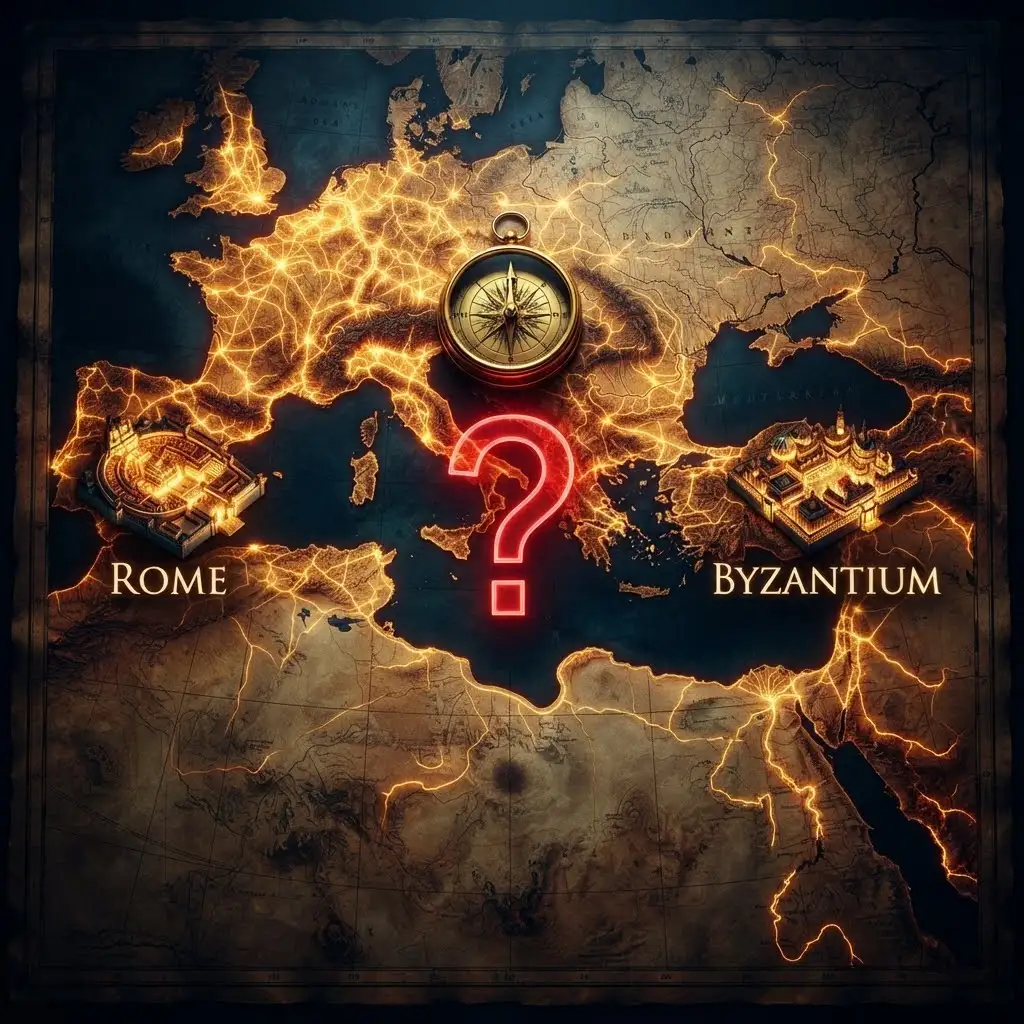
The 2.7% Statistic That Terrifies Roman Historians
FAQs
What were the major travel networks in Byzantium?
In Byzantium, the major travel networks included the Roman road system, the Silk Road, and the Mediterranean Sea routes.
How did the Byzantine Empire benefit from its strategic location as a crossroads?
The Byzantine Empire benefited from its strategic location as a crossroads by becoming a hub for trade, cultural exchange, and the flow of ideas between Europe, Asia, and Africa.
What role did Constantinople play in the ancient travel networks?
Constantinople, the capital of the Byzantine Empire, played a crucial role in the ancient travel networks as a major trading center and a key point of convergence for various routes.
How did the Byzantine Empire influence the development of travel and trade in the region?
The Byzantine Empire influenced the development of travel and trade in the region by establishing diplomatic relations with neighboring empires, promoting maritime commerce, and maintaining a network of well-maintained roads.
What legacy did the Byzantine travel networks leave for future civilizations?
The Byzantine travel networks left a lasting legacy for future civilizations by facilitating the exchange of goods, ideas, and technologies, which contributed to the development of global trade and cultural diffusion.