Cahokia stands as a monumental testament to the ingenuity, complexity, and enduring legacy of Indigenous peoples in North America. Far from a simple collection of mounds, this ancient urban center, flourishing from roughly 1050 to 1350 CE in what is now southwestern Illinois, represents the zenith of Mississippian culture. Its sheer scale and sophisticated societal organization challenge historical narratives that often overlook or underestimate the achievements of pre-Columbian Indigenous civilizations. Cahokia was a vibrant metropolis, a hub of trade, religion, and political power, whose influence rippled across vast distances. Understanding Cahokia is not merely an archaeological exercise; it is an ongoing process of deciphering a rich and complex human story, recognizing the threads of continuity that connect its past to the present Indigenous peoples of the region and beyond.
The emergence of Cahokia as a dominant force was not a sudden event but a gradual process driven by a confluence of factors. The fertile river valleys of the Mississippi, Missouri, and Illinois rivers provided an abundant agricultural base, particularly through the cultivation of maize. This agricultural surplus allowed for population growth and the development of more complex social structures.
Agricultural Innovations and Surplus
The Mississippian peoples, including those at Cahokia, were adept agriculturalists. Their understanding of the environment, coupled with the domestication of staple crops like maize, beans, and squash (the “three sisters”), enabled them to produce significant food surpluses.
The Importance of Maize Cultivation
Maize, in particular, played a pivotal role. Its high yield and storage potential allowed communities to sustain larger populations and dedicate labor to non-agricultural pursuits, such as construction, craft production, and governance. The development of sophisticated farming techniques, including possibly crop rotation and specialized tools, further enhanced agricultural productivity.
Interconnectedness with the Environment
This agricultural success was intrinsically linked to a deep understanding of and respect for the natural environment. The Mississippian worldview often saw human society as an integral part of the natural world, with agricultural practices designed to work in harmony with ecological cycles rather than exploit them.
Population Growth and Urbanization
The ability to produce consistent food surpluses was a direct catalyst for significant population growth. As settlements became larger and more permanent, the seeds of urbanization were sown. Cahokia, in particular, experienced an unprecedented population boom, transforming it into a major population center for its time.
From Villages to a City
The transition from smaller, dispersed villages to a concentrated urban center like Cahokia represented a significant shift in social organization. This necessitated new forms of governance, resource management, and social stratification to accommodate a denser and more diverse population.
The Scale of Cahokia
At its peak, Cahokia is estimated to have housed between 10,000 and 20,000 inhabitants, a figure comparable to or exceeding many contemporary European cities. This demographic density, coupled with the vast ceremonial and residential structures, paints a picture of a bustling urban landscape.
Socio-Political Development and Hierarchy
The growth of Cahokia was inextricably linked to the development of a complex socio-political structure. Evidence suggests a hierarchical society with a distinct ruling elite, responsible for organizing labor, directing ceremonial activities, and managing trade.
The Role of Leadership
Leadership at Cahokia likely revolved around charismatic individuals or lineages who held both religious and political authority. These leaders would have been instrumental in mobilizing the massive labor forces required for construction projects and in maintaining social order.
Social Stratification
Archaeological findings, such as differences in burial goods and residential structures, indicate a stratified society. While evidence of distinct classes is still being debated, it is clear that not all individuals within Cahokia experienced the same level of social standing or access to resources.
Cahokia, one of the largest pre-Columbian urban centers in North America, serves as a significant example of Indigenous continuity, showcasing how ancient practices and cultural elements have persisted through time. For a broader understanding of how historical developments influence contemporary societies, you might find the article on Mexico’s emergence as a manufacturing hub particularly insightful. It explores the dynamics of globalization and economic shifts that resonate with the historical transformations experienced by Indigenous communities. You can read more about it here: Mexico Replacing China as Manufacturing Hub.
Monumental Architecture and Engineering
The most striking and enduring legacy of Cahokia is its monumental architecture, particularly its vast array of earthen mounds. These structures are not merely piles of dirt; they represent immense feats of engineering, meticulous planning, and a deep spiritual cosmology.
The Great Mound (Monks Mound)
Dominating the landscape of Cahokia is Monks Mound, the largest prehistoric earthwork in the Americas. Its sheer size and the labor required for its construction are awe-inspiring, speaking volumes about the organizational capacity of the Cahokian people.
Construction and Scale
Monks Mound is an artificial hill, covering over 14 acres and rising approximately 100 feet above the surrounding plain. It was built in stages over centuries, with millions of baskets of earth meticulously carried and deposited by hand.
Purpose and Function
While its exact function remains a subject of research, it is widely believed to have served as the primary residence and ceremonial center for Cahokia’s elite. Its elevated position would have provided a commanding view of the city and the surrounding landscape, reinforcing the power and prestige of those who resided there.
Residential and Ceremonial Mounds
Beyond Monks Mound, hundreds of other mounds dotted the Cahokian landscape. These varied in size and shape, serving diverse purposes, from burial sites to platforms for important structures, and likely held significant ceremonial or astronomical functions.
Burial Mounds and Ancestral Reverence
Many mounds served as burial grounds for individuals of varying social status. The inclusion of grave goods, such as tools, pottery, and personal adornments, offers insights into their beliefs about the afterlife and the importance of honoring ancestors.
Astronomical Alignments and Cosmology
Several mounds at Cahokia exhibit remarkable astronomical alignments, suggesting a sophisticated understanding of celestial movements. For instance, the “Woodhenge” complex, a series of large wooden posts, is believed to have been used to track the solstices and equinoxes, reflecting a deep integration of cosmology into daily life and ceremonial practices.
Engineering and Labor Organization
The construction of these massive earthworks required a highly organized labor force and sophisticated engineering knowledge. The Mississippian people demonstrated an impressive ability to mobilize and coordinate thousands of individuals for these ambitious projects.
Tools and Techniques
While direct evidence of specific tools is limited, it is understood that digging sticks, woven baskets, and likely rudimentary wooden levers were employed in the excavation and transport of earth. The sheer volume of earth moved suggests a meticulous and sustained effort.
Societal Mobilization
The ability to organize and sustain such large-scale construction projects points to a well-developed social and political system capable of commanding and directing labor for communal endeavors. This was not solely voluntary work but likely a system of organized tribute or obligation.
Economic Networks and Trade
Cahokia was not an isolated entity but a vibrant center of economic activity, deeply integrated into vast interregional trade networks. This economic reach extended the influence of Cahokia and provided its inhabitants with access to a diverse array of goods and resources.
The Mississippi River as a Trade Artery
The strategic location of Cahokia along the Mississippi River, a natural highway of the time, was crucial to its economic success. This river system facilitated the movement of people, goods, and ideas across vast distances.
Waterborne Transportation
The Mississippi River and its tributaries served as the primary arteries for long-distance trade. Canoes and other watercraft were essential for transporting bulk goods and maintaining communication between settlements.
Access to Diverse Resources
Through these riverine networks, Cahokia gained access to resources found far beyond its immediate surroundings, including copper from the Great Lakes, shells from the Gulf Coast, and mica from the Appalachian Mountains.
Exchange of Goods and Resources
The types of goods exchanged at Cahokia reveal a complex economy driven by both necessity and luxury. This exchange fostered interdependencies and strengthened relationships between different Indigenous groups.
Agricultural Products and Craft Specialization
While agricultural produce formed the bedrock of the economy, specialized craft production also played a significant role. Cahokians produced sophisticated pottery, stone tools, and shell ornaments, which were then traded for other desired commodities.
Exotic Materials and Status Symbols
The presence of exotic materials, such as copper and marine shells, not indigenous to the region, indicates a demand for items that held status or ritualistic significance. These materials likely signaled wealth and power within Cahokian society.
The Role of Cahokia in Regional Exchange
Cahokia acted as a central node within a broader Mississippian economic system. It was a place where goods from different regions converged and were redistributed, solidifying its position as a major economic power.
Distribution and Redistribution
Cahokia likely served as a redistribution center, receiving raw materials and finished goods and then distributing them to its hinterlands and to other trading partners. This created a complex web of economic dependencies.
The Spread of Mississippian Culture
The extensive trade networks facilitated not only the movement of goods but also the diffusion of Mississippian cultural traits, including religious beliefs, artistic styles, and architectural techniques, across a wide geographical area.
Spiritual Beliefs and Ceremonial Life
The mounds and artifacts of Cahokia offer compelling glimpses into the complex spiritual beliefs and vibrant ceremonial life of the Mississippian people. Their worldview was deeply intertwined with the natural world and a sophisticated understanding of the cosmos.
The Great Sun and the Cosmic Order
A central figure in Cahokian spirituality was likely the “Great Sun,” a powerful deity or ruler associated with celestial bodies and the cyclical nature of life. This reverence for the sun and its journey across the sky is reflected in many aspects of Mississippian culture.
Solar Symbolism and Deities
The association of leadership with the sun suggests a belief system that saw earthly rulers as intermediaries between the human and divine realms, mirroring the sun’s role as a life-giving force.
Cyclical Nature of Life and Death
The cyclical nature of the sun’s movement likely informed their understanding of life, death, and rebirth. Burial practices and the symbolic representation of these cycles in art and architecture underscore this worldview.
Rituals and Ceremonies
Cahokia was a place of intense ceremonial activity. The construction of mounds, the arrangement of artifacts, and the presence of specialized structures all point to a rich tradition of rituals and ceremonies designed to maintain cosmic balance and appease spiritual forces.
Mound Ceremonies and Public Rituals
The large mounds, particularly Monks Mound, likely served as stages for important public ceremonies and rituals. These events would have been crucial for reinforcing social cohesion and demonstrating the power of the elite.
Athletic Contests and Games
Evidence suggests that athletic contests, possibly including a form of chunkey (a game involving rolling a stone disk and throwing spears), were an integral part of ceremonial life. These activities likely served both recreational and ritualistic purposes, fostering community participation and perhaps even serving as a means of resolving disputes.
The Role of Shamans and Spiritual Leaders
Within Cahokian society, individuals likely held specialized roles as shamans or spiritual leaders, acting as intermediaries between the human and spirit worlds. These individuals would have been responsible for interpreting omens, conducting rituals, and guiding the community’s spiritual practices.
Intermediaries to the Spirit World
Shamans likely possessed the ability to communicate with spirits and to influence natural phenomena, playing a vital role in ensuring the well-being of the community.
Influence on Daily Life
The beliefs and practices of shamans and spiritual leaders would have permeated all aspects of Cahokian life, influencing decisions related to agriculture, warfare, and social organization.
Cahokia, known for its impressive earthen mounds and complex societal structure, serves as a significant example of Indigenous continuity in North America. The resilience of the Cahokian people can be further understood through the lens of modern Indigenous issues, such as economic exploitation and cultural preservation. For instance, a recent article discusses how foreign companies are taking advantage of loopholes in Mexico, which highlights the ongoing struggles faced by Indigenous communities in protecting their rights and resources. You can read more about this topic in the article here.
Indigenous Continuity and Enduring Legacy
| Time Period | Population | Settlements | Artifacts |
|---|---|---|---|
| 1000-1200 AD | 10,000-20,000 | 120+ | Pottery, tools, figurines |
| 1200-1400 AD | 5,000-10,000 | 80+ | Copper ornaments, stone tools |
| 1400-1600 AD | 1,000-2,000 | 20+ | Shell beads, pottery |
The story of Cahokia does not end with its decline; its legacy continues to resonate through the present-day Indigenous peoples of the region and in the ongoing dialogue about Indigenous history and identity. Recognizing this continuity is crucial to a complete understanding of Cahokia’s significance.
The Mystery of Cahokia’s Decline
While the precise reasons for Cahokia’s decline are still debated, it is believed to have been a gradual process, possibly involving environmental degradation, resource depletion, internal social pressures, or a combination of factors.
Environmental Factors and Resource Management
The intensive agriculture and large population may have led to deforestation, soil erosion, and a strain on local resources, contributing to the city’s eventual abandonment.
Social and Political Instability
Internal strife, loss of faith in leadership, or shifts in regional power dynamics could also have played a role in the city’s eventual collapse as a major center.
Connection to Modern Indigenous Communities
Descendant communities of the Mississippian peoples, such as the Osage, Quapaw, and Illinois tribes, maintain cultural and historical connections to Cahokia. They are the living inheritors of this rich heritage.
Oral Traditions and Cultural Memory
Oral traditions passed down through generations often contain echoes of the past, including stories and knowledge that connect them to the Ancestral Puebloans and their ancestral lands, including the Cahokian region.
Contemporary Stewardship of Ancestral Lands
Modern Indigenous communities are actively involved in the stewardship and interpretation of Cahokian sites, working to ensure the accurate representation of their history and to protect these sacred places.
Reclaiming and Reinterpreting History
The study of Cahokia is an ongoing process of reclaiming and reinterpreting history. It challenges colonial narratives and highlights the sophisticated achievements of Indigenous peoples before European contact.
Challenging Preconceptions
Cahokia forces a reevaluation of preconceived notions about Indigenous societies, demonstrating that complex urbanism, advanced engineering, and extensive trade networks existed long before the arrival of Europeans.
The Importance of Indigenous Voices
Increasingly, the voices and perspectives of Indigenous scholars and community members are being integrated into the interpretation of Cahokia, offering invaluable insights and ensuring that the narrative reflects their lived experiences and ancestral connections. Cahokia, therefore, is not just a relic of the past but a vibrant part of an ongoing Indigenous story, a testament to resilience, adaptation, and a profound and enduring connection to the land.
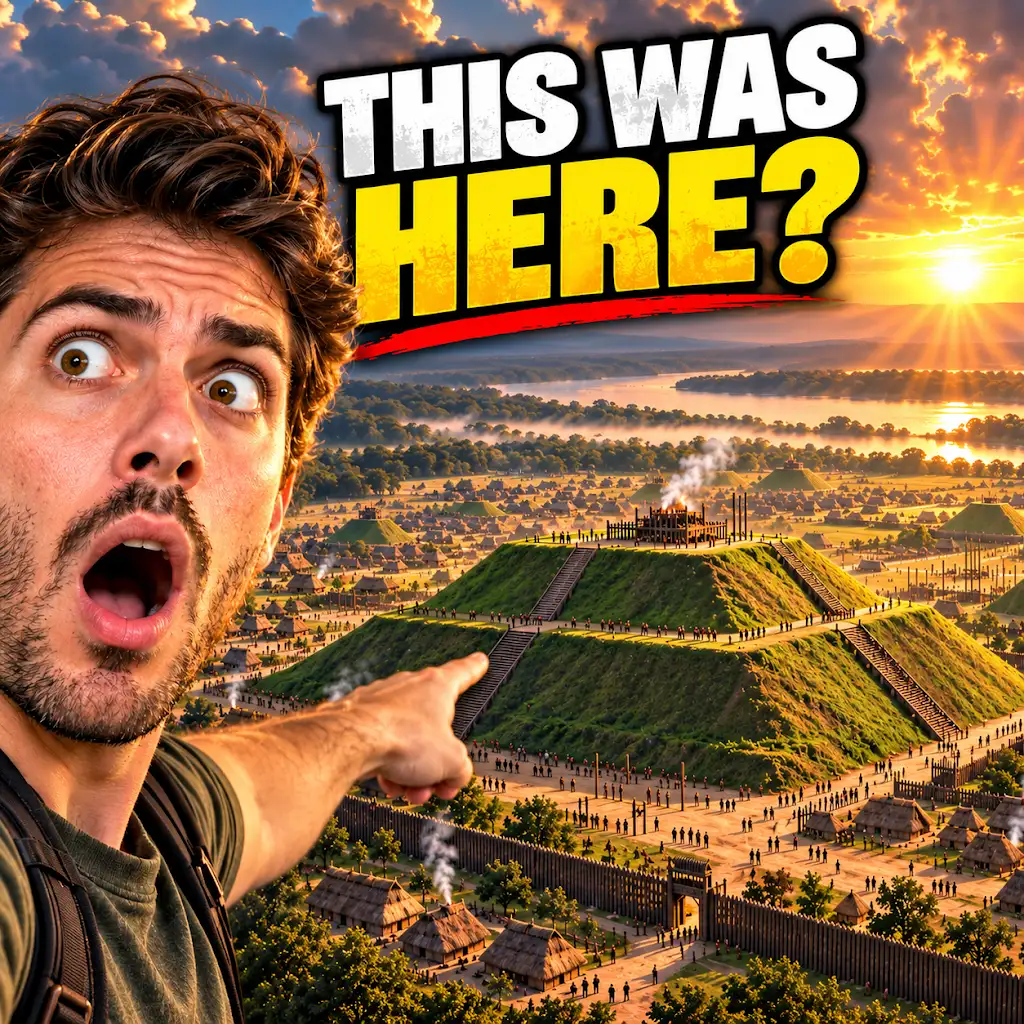
A City Bigger Than London Once Stood in America. Then It Vanished.
FAQs
What is Cahokia Indigenous continuity?
Cahokia Indigenous continuity refers to the ongoing presence and cultural heritage of the Indigenous peoples who have historically inhabited the Cahokia region, including the descendants of the Mississippian culture that built the ancient city of Cahokia.
What is the significance of Cahokia in Indigenous history?
Cahokia was the largest pre-Columbian city north of Mexico and was a major center of Indigenous culture and trade. Its significance lies in its role as a hub for the Mississippian civilization and its impact on the development of Indigenous societies in the region.
How do Indigenous peoples maintain continuity with Cahokia culture today?
Indigenous peoples maintain continuity with Cahokia culture through practices such as traditional ceremonies, language preservation, storytelling, and the passing down of cultural knowledge from generation to generation. Many Indigenous communities in the region also work to preserve and protect the archaeological sites of Cahokia.
What challenges do Indigenous communities face in preserving Cahokia Indigenous continuity?
Challenges to preserving Cahokia Indigenous continuity include issues such as land development, environmental degradation, lack of resources for cultural preservation, and the impact of colonialism on Indigenous communities.
How can the public support efforts to preserve Cahokia Indigenous continuity?
The public can support efforts to preserve Cahokia Indigenous continuity by learning about the history and culture of the Indigenous peoples in the region, supporting Indigenous-led initiatives for cultural preservation, and advocating for the protection of Indigenous lands and heritage sites.