
The Cahokia Mounds State Historic Site, located near present-day Collinsville, Illinois, stands as a profound testament to the complex societies that thrived in North America centuries before European contact. It represents the largest prehistoric Mississippian culture settlement north of Mexico and served as a pivotal center for the sophisticated Mississippian tradition. This article explores the intricate relationship between Cahokia and the extensive trade networks that were vital to its emergence, growth, and eventual decline. Understanding the role of trade is akin to tracing the intricate vascular system of a living organism; it reveals the flow of essential resources, ideas, and influences that nourished the city and connected it to distant lands.
Cahokia’s emergence as a dominant center around 1050 CE was not a spontaneous event but the culmination of centuries of cultural development and a strategic geographical location. Its position at the confluence of several major rivers—the Mississippi, Missouri, and Illinois—provided access to vast transportation networks, a natural advantage that its inhabitants effectively leveraged.
Agricultural Innovation and Population Growth
Prior to its major expansion, Cahokia, like many other Mississippian settlements, benefited from the agricultural revolution centered around maize cultivation. The fertile floodplains of the American Bottom provided ideal conditions for robust harvests, leading to a surplus of food.
- Maize as a Staple: The introduction and widespread adoption of maize as a primary food source allowed for greater population densities than previous hunter-gatherer or early horticultural societies. This agricultural surplus freed a segment of the population from direct food production, enabling specialization in crafts, religious activities, and governance.
- Intensive Farming Techniques: Mississippian peoples employed sophisticated farming techniques, including the use of raised fields in some areas to manage water and improve drainage. These agricultural advancements were the bedrock upon which Cahokia’s complex society was built.
Social and Political Organization
The demographic shift and resource abundance facilitated the development of a hierarchical social structure. Cahokia transitioned from a collection of smaller agricultural villages into a highly centralized urban center.
- Emergence of a Chiefdom: While the exact political structure remains a subject of ongoing research, archaeological evidence suggests the presence of a powerful chiefdom, or perhaps a paramount chiefdom, with control extending over a wide hinterland. This centralized authority was essential for organizing large-scale construction projects, such as the monumental mounds, and for managing resource distribution.
- Specialized Labor: The monumental architecture of Cahokia, particularly Monks Mound, required an organized workforce and specialized labor. Artisans, priests, warriors, and agricultural laborers all played distinct roles within this burgeoning urban environment.
The Cahokia Mounds, a remarkable testament to the Mississippian culture, played a crucial role in the extensive trade networks that flourished in pre-Columbian North America. These mounds served not only as ceremonial sites but also as hubs for commerce, connecting various tribes and facilitating the exchange of goods such as pottery, tools, and agricultural products. For a deeper understanding of the trade dynamics and cultural significance of the Cahokia Mounds, you can explore a related article at Real Lore and Order.
The Web of Exchange: Commodities and Networks
Trade was not merely an ancillary activity for Cahokia; it was the lifeblood that animated its economic and cultural landscape. The city acted as a major hub, drawing in resources from across vast distances and redistributing them, much like a central heart pumping vital nutrients throughout a body.
Exogenous Raw Materials
Cahokia’s inhabitants sought and acquired a variety of raw materials not locally available, demonstrating comprehensive knowledge of distant resources and established trade routes.
- Copper from the Great Lakes: One of the most significant trade items was copper, sourced primarily from the Upper Peninsula of Michigan and Isle Royale in Lake Superior. This copper was not smelted but cold-hammered into ceremonial objects, such as gorgets, breastplates, and effigies, indicating its high value and symbolic importance. Its presence signifies long-distance exchange networks spanning hundreds of miles.
- Shell from the Gulf Coast: Marine shells, particularly conch shells (Busycon perversum), were highly prized. They were traded from the Gulf Coast region, traveling hundreds of miles inland to Cahokia. These shells were carved into intricate ornaments, beads, and ceremonial cups, serving both aesthetic and ritualistic purposes. Their journey north provides clear evidence of extensive south-to-north trade corridors.
- Chert from Various Quarries: High-quality chert, a type of flint used for tools and projectile points, was sourced from various locations, including the Mill Creek quarries in southern Illinois and Dover chert from Tennessee. The acquisition of superior chert meant more durable and effective tools, a fundamental requirement for any developing society.
Precious Stones and Pigments
Beyond utilitarian materials, Cahokians also sought out exotic and aesthetically valued items, often embedded with symbolic meaning.
- Galena from the Upper Mississippi Valley: Galena, a lead ore that produces a silvery-gray streak, was mined in the upper Mississippi Valley, particularly in present-day Missouri, Iowa, and Wisconsin. It was used as a pigment, likely for body paint or ceramic decoration, and also held ceremonial significance.
- Mica from the Appalachian Mountains: Mica, a shimmering silicate mineral, was obtained from the Appalachian Mountains. Its reflective properties made it suitable for decorative objects and possibly ceremonial adornments, adding a visual dimension to religious practices and elite displays.
Mechanisms of Exchange: How Trade Was Conducted
The movement of goods over such vast distances required sophisticated organizational structures and established protocols. Trade was likely a complex interplay of direct exchange, relay trade, and tribute systems.
Canoe and Foot Travel
The primary mode of transportation for bulk goods was water, with canoes navigating the extensive river systems. Smaller quantities and high-value items would have been transported overland by foot.
- Riverine Highways: The Mississippi River and its tributaries served as crucial arteries for trade, connecting Cahokia to both northern and southern regions. Large dugout canoes could have transported significant loads of goods, making water travel efficient for bulk commodities.
- Overland Paths: While less efficient for heavy loads, overland routes were necessary to reach areas not directly accessible by water and likely for the high-value goods that could be carried by individuals or small groups. These paths would have formed a network of trails crisscrossing the landscape, connecting communities to resource zones and to each other.
Specialized Traders and Exchange Centers
It is likely that specific individuals or groups were designated as traders, engaging in long-distance expeditions or managing local exchange points.
- Professional Merchants: While there is no direct textual evidence, the scale and consistency of trade suggest the existence of specialized traders who understood logistics, resource locations, and interstellar relations. These individuals would have been vital in maintaining communication and exchange across disparate groups.
- Regional Hubs: Besides Cahokia, other smaller centers might have functioned as regional exchange hubs, facilitating the movement of goods from their immediate hinterlands towards the larger metropolis. These hubs would have acted as intermediaries, streamlining the trade process.
The Cultural Ripple Effect: Beyond Commodities
The impact of trade extended far beyond the movement of physical goods. It was a conduit for the diffusion of ideas, technologies, and cultural practices, shaping the Mississippian world and Cahokia’s unique identity.
Diffusion of Ideas and Iconography
The exchange of goods inherently involved the exchange of information. Artistic styles, religious beliefs, and social practices were likely transmitted along these same trade routes.
- Southeastern Ceremonial Complex (SECC): The widespread sharing of iconographic motifs and artifact types across the Mississippian world, often referred to as the Southeastern Ceremonial Complex (SECC) or Southern Cult, is a testament to the cultural integration fostered by trade. Symbols such as the winged serpent, cross-in-circle, and falcon warrior appear on artifacts from diverse Mississippian sites, including Cahokia. These shared symbols suggest a common ideological framework, partially spread and reinforced through trade.
- Technological Exchange: The exchange of tools, raw materials, and finished goods could also lead to the diffusion of manufacturing techniques and technological innovations, improving efficiency and expanding productive capabilities in various communities.
Intergroup Relations and Alliances
Trade often served as a basis for diplomatic relations and the formation of alliances between different polities.
- Diplomatic Ties: Peaceful trade relations fostered communication and mutual understanding between disparate groups, potentially creating alliances that reinforced Cahokia’s political influence. Conversely, disruptions in trade could be a source of conflict.
- Economic Dependence: For some outlying communities, the economic benefits derived from trade with Cahokia might have led to a degree of dependence, solidifying Cahokia’s central position within the broader regional network.
The Cahokia Mounds, a remarkable testament to the Mississippian culture, played a crucial role in the extensive trade networks that flourished in pre-Columbian North America. These mounds served not only as ceremonial sites but also as hubs for commerce, where goods such as pottery, tools, and agricultural products were exchanged among various tribes. For a deeper understanding of the trade dynamics and cultural significance of Cahokia, you can explore this related article on the topic. The intricate relationships formed through trade contributed to the development of a complex society that thrived for centuries. To learn more, visit this article.
The Decline of a Giant: Trade and Transformation
| Metric | Details |
|---|---|
| Location | Cahokia Mounds, near present-day Collinsville, Illinois |
| Time Period | Mississippian Culture, approximately 1050-1350 CE |
| Population Estimate | Up to 20,000 inhabitants at its peak |
| Trade Goods | Marine shells, copper, mica, obsidian, chert, pottery, foodstuffs |
| Trade Network Range | Spanning from the Great Lakes to the Gulf of Mexico and the Appalachian Mountains |
| Major Trade Routes | Mississippi River and its tributaries |
| Significance of Trade | Facilitated cultural exchange, political alliances, and economic prosperity |
| Artifacts Found | Exotic materials such as Gulf Coast shells, Great Lakes copper, and Rocky Mountain obsidian |
| Role of Cahokia | Central hub for trade, religious ceremonies, and political power in the Mississippian world |
Cahokia’s prominence as a major center began to wane after 1200 CE, leading to its eventual abandonment by around 1400 CE. While no single factor explains this complex decline, shifts in trade networks and resource availability likely played a significant role.
Environmental Stress and Resource Depletion
Unsustainable practices, possibly fueled by the demands of a large population and extensive trade, might have strained local resources.
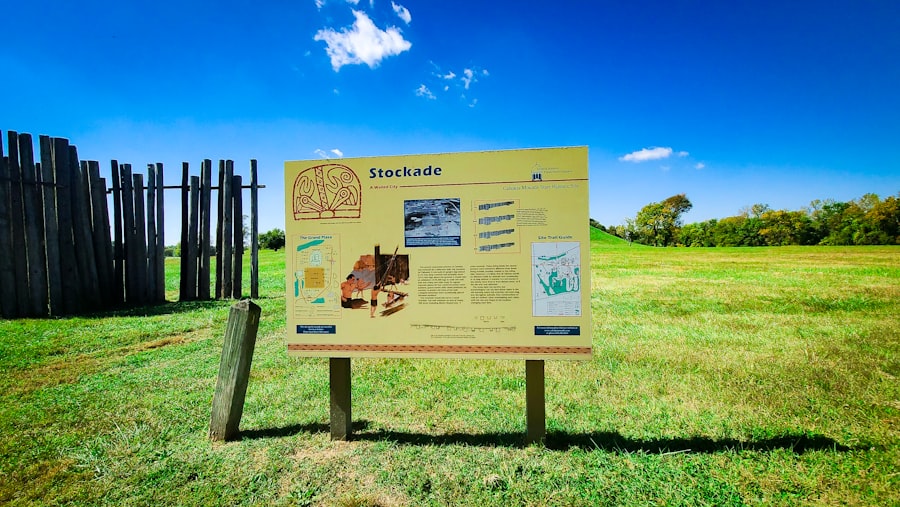
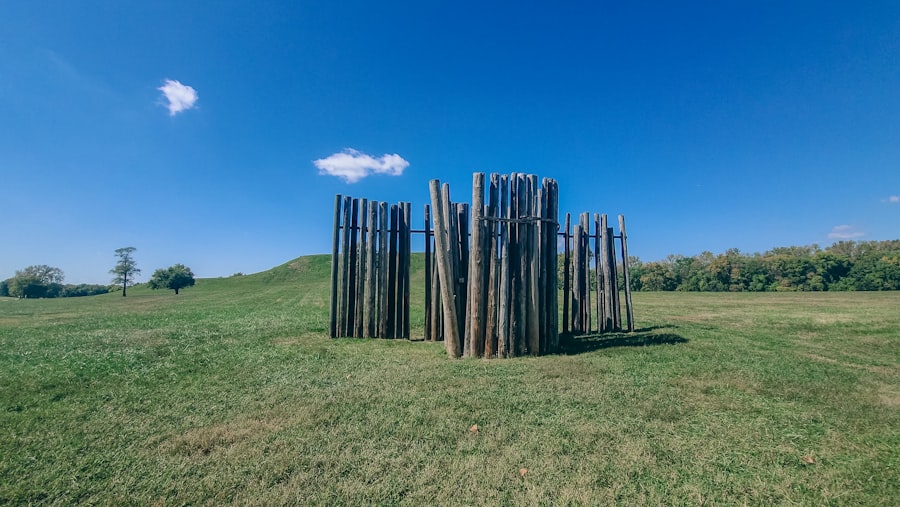
- Deforestation: The construction of Cahokia’s extensive mounds and palisades would have required vast quantities of timber, potentially leading to deforestation in the immediate area. This could have contributed to soil erosion and reduced agricultural productivity.
- Impact on Game Resources: The large population would have also put pressure on local game resources, requiring hunting over wider areas or increasing reliance on trade for food.
Shifting Trade Routes and Political Power
Changes in regional power dynamics and the emergence of new trade centers could have diverted resources and undermined Cahokia’s central economic role.
- Emergence of Competing Centers: As other Mississippian centers grew in prominence, they might have established their own direct trade relations with distant resource zones, bypassing Cahokia and diminishing its role as an intermediary. This would be akin to a major shipping port losing business as new, direct routes open up elsewhere.
- Disruption of Networks: Environmental changes, intergroup conflict, or the collapse of established political orders in distant resource regions could have disrupted the flow of essential goods, impacting Cahokia’s ability to acquire critical raw materials.
Social and Political Instability
Internal strife, disease, or external pressures could have also contributed to Cahokia’s decline, exacerbated by, or a cause of, disruptions in trade.
- Loss of Central Authority: A weakening of the central authority might have made it difficult to maintain the complex trade networks and manage resource distribution, further contributing to instability.
- Consequences of Resource Scarcity: A decrease in the availability of trade goods, especially those considered prestigious or sacred, could have undermined the authority of the elite and led to social unrest.
In conclusion, the story of Cahokia Mounds is inextricably linked to the story of trade. From its rise as an agricultural powerhouse to its role as a regional economic and cultural nexus, the systematic exchange of goods and ideas was the fundamental engine of its development. Understanding these ancient trade routes, the commodities that flowed along them, and the social structures that facilitated their movement offers a profound insight into the sophistication and interconnectedness of pre-Columbian Mississippian societies. The study of Cahokia’s trade networks is not merely an archaeological exercise; it provides a window into the complex interplay of environment, economy, and culture that shaped this remarkable ancient city.
WATCH NOW ▶️ WARNING: The Giza Muon Scans Just Changed Everything
FAQs
What are the Cahokia Mounds?
The Cahokia Mounds are a large prehistoric Native American archaeological site located near present-day Collinsville, Illinois. They represent the remains of a major city built by the Mississippian culture around 1050 to 1350 CE, known for its large earthen mounds used for ceremonial, residential, and burial purposes.
Who were the Mississippian culture?
The Mississippian culture was a Native American civilization that flourished in the southeastern and midwestern United States from approximately 800 CE to 1600 CE. They are known for their complex societies, mound-building, agriculture, and extensive trade networks.
What role did trade play in Cahokia and the Mississippian culture?
Trade was a vital aspect of Cahokia and the broader Mississippian culture. Cahokia served as a major trade hub, connecting various regions through the exchange of goods such as shells, copper, mica, pottery, and stone tools. This trade helped spread cultural ideas and materials across large distances.
What kinds of goods were commonly traded at Cahokia?
Commonly traded goods at Cahokia included marine shells from the Gulf Coast, copper from the Great Lakes region, mica from the Appalachian Mountains, and various types of stone and pottery. These items were used for both practical purposes and ceremonial significance.
How did Cahokia’s trade networks impact its development?
Cahokia’s extensive trade networks contributed to its growth as a political and economic center. Access to diverse resources and materials allowed for the development of complex social structures, religious practices, and monumental architecture, making Cahokia one of the most influential Mississippian sites.