So, what exactly are “Cajun” genetics? Essentially, when we talk about Cajun genetic ancestry, we’re looking at a fascinating mix of peoples that came together in Louisiana over centuries. The story isn’t a simple one, but the short answer is that you’ll find significant French, Native American, and African contributions in the DNA of people identifying as Cajun. It’s a testament to a unique historical journey.
The French Foundation: Acadians Arrive in Louisiana
The most prominent piece of the Cajun puzzle comes from France, specifically from a group known as the Acadians. These weren’t just any French settlers; they were people who had made a home in a region of eastern Canada called Acadia (modern-day Nova Scotia, New Brunswick, and Prince Edward Island) for generations. Their history there dates back to the early 17th century. They were French colonists, but they developed their own distinct culture and dialect over time, separate from those in France and even other French settlements in North America.
Life in Acadia
Imagine a relatively isolated community, focused on farming, fishing, and raising livestock. The Acadians built a life for themselves in a challenging but rich environment. They established villages, cultivated fertile land, and carved out a self-sufficient existence. Their society was deeply connected to the land and sea, fostering a strong sense of community and identity that would be tested by outside forces.
The Great Upheaval: Expulsion and Diaspora
The major turning point for the Acadians was what’s known as the “Grand Dérangement” or the Great Expulsion, which began in 1755. During this period, British forces, who had gained control of Acadia, forcibly removed the Acadian population. This was a brutal and traumatic event. Families were separated, homes were destroyed, and people were scattered across the British colonies, Britain itself, and even back to France. Many Acadians died during this forced migration.
The Journey South: Finding a New Home
A significant number of these displaced Acadians eventually found their way to Louisiana. Why Louisiana? At the time, it was a French colony, or at least had a strong French cultural presence, even though it had recently been transferred from France to Spain. The Spanish were somewhat more welcoming to the French-speaking refugees than some of the British colonies. Louisiana offered the possibility of settling together, maintaining their language, and practicing their Catholic faith. They settled in the southern part of the territory, often in areas that were less desirable to other settlers, like the bayous and prairies. Over time, their French dialect evolved, influenced by their new environment and neighbors, and they became known as “Acadians” and then, through linguistic shifts, as “Cajuns.”
Recent studies on Cajun genetic ancestry have revealed fascinating insights into the diverse heritage of this unique cultural group. For those interested in understanding the broader implications of genetic ancestry and its connection to identity, a related article discusses the legal frameworks surrounding asset protection in the context of national emergencies. You can read more about this topic in the article titled “US National Emergency Powers Act: Protecting Assets” available at this link.
Indigenous Encounters: The First Peoples of Louisiana
Long before Europeans arrived, the lands that would become Louisiana were home to diverse and thriving Native American communities. These Indigenous peoples were the original inhabitants, and their presence and interactions with the arriving Europeans, including the Acadians, are a crucial part of Cajun genetic heritage.
Diverse Nations in the Louisiana Landscape
The region was inhabited by numerous distinct tribes, each with their own languages, customs, and social structures. Among the prominent groups were the Choctaw, Chitimacha, Houma, Atakapa, and many others. They had established sophisticated societies, developed intricate knowledge of the local ecosystems, and lived in these lands for thousands of years. Their ways of life were deeply intertwined with the rivers, bayous, and forests of the Gulf Coast.
Recent studies into Cajun genetic ancestry have revealed fascinating insights into the diverse heritage of this unique community. Researchers have traced the lineage of Cajuns back to various European, African, and Native American roots, highlighting the complex tapestry of their ancestry. For those interested in exploring more about the connections between ancient civilizations and modern populations, a related article discusses the evidence of advanced societies that may have influenced contemporary cultures. You can read more about this intriguing topic in the article here.
Interactions and Integration
When the Acadians arrived, they didn’t settle in a vacuum. They encountered these Indigenous populations, and the relationship varied. While there were instances of conflict, there were also periods of trade, intermarriage, and cultural exchange. The Acadians, often facing hardship and discrimination from colonial powers, sometimes found common ground or necessity in working with or integrating with the local Native American peoples. This led to intermingling and the sharing of not just resources and knowledge but also genes.
Genetic Traces of Native American Ancestry
Modern genetic studies have consistently shown a Native American component in the DNA of many individuals who identify as Cajun. This isn’t a single monolithic contribution but reflects the diverse Indigenous groups present in Louisiana during the colonial period and their interactions with the Acadian and other European populations. This Native American heritage is a vital part of the unique cultural tapestry of Louisiana.
African Roots: The Complexities of Slavery and Freedom
The history of African peoples in Louisiana is deeply tied to the institution of slavery, a brutal system that profoundly shaped the demographics and culture of the region. However, it’s also a story of resilience, survival, and the creation of new communities and cultural expressions. The African presence is a significant and often overlooked element in Cajun genetic ancestry.
The Transatlantic Slave Trade and Louisiana
Like other colonies in the Americas, Louisiana relied heavily on enslaved labor, particularly for agricultural work on plantations. Africans were forcibly brought to Louisiana from various parts of West and Central Africa. They arrived with their own rich cultural traditions, languages, and a deep understanding of agriculture, which, despite the horrors of slavery, they managed to preserve and adapt.
The Unique Creole Culture and its African Influence
Louisiana developed a unique Creole culture, distinct from other parts of the American South, partly due to its French and Spanish colonial past and its diverse population. This culture, with its music, food, language, and religious practices, bears a strong imprint of African traditions. While “Creole” often refers to people of mixed European and African ancestry, the influence of African heritage permeated many aspects of life for all Louisianans, including those who would
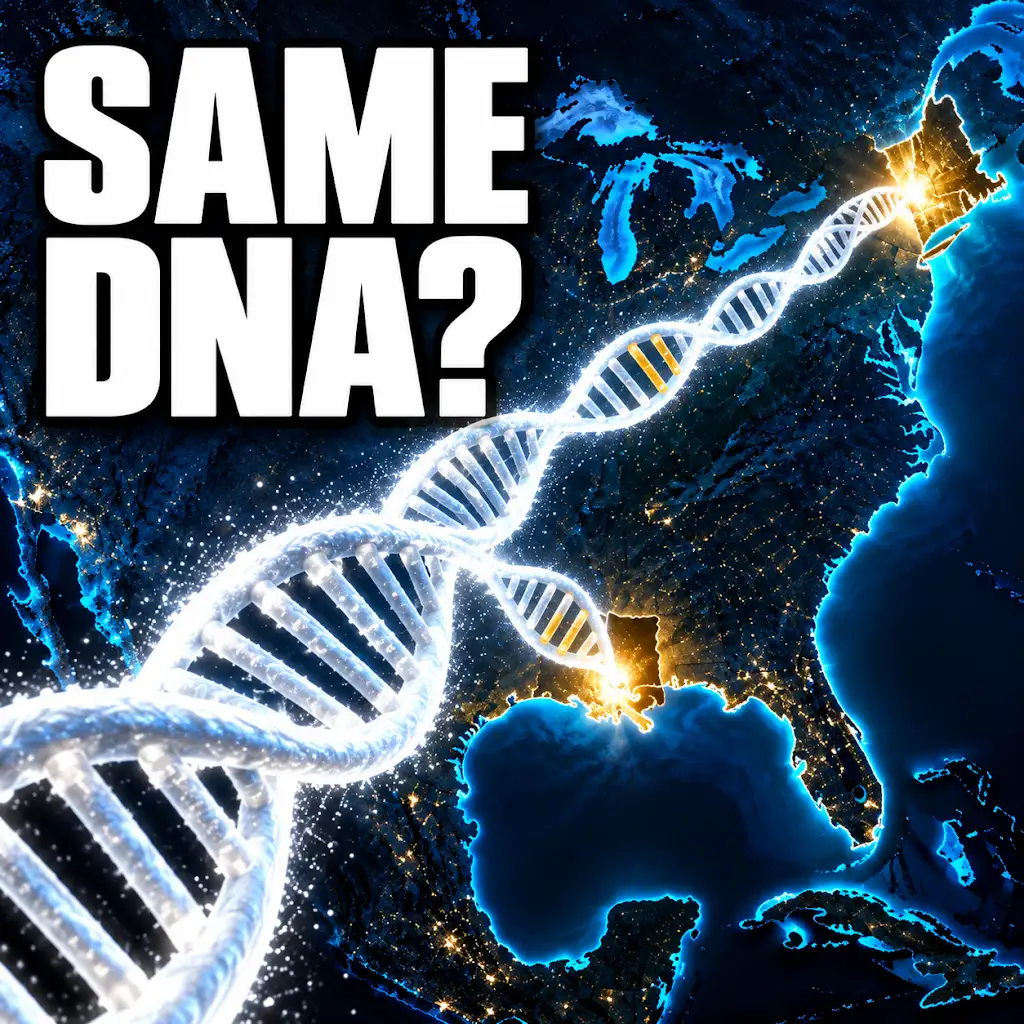
Cajun or French Canadian? The DNA Looked the Same—Until Researchers Looked Closer
FAQs
What is Cajun genetic ancestry?
Cajun genetic ancestry refers to the genetic makeup of individuals who are descendants of the French-speaking Acadian people who settled in the Canadian Maritime provinces in the 17th century and later migrated to Louisiana.
How can Cajun genetic ancestry be determined?
Cajun genetic ancestry can be determined through DNA testing, specifically through genetic ancestry tests that analyze an individual’s DNA to provide information about their ethnic and geographic origins.
What are some common genetic markers found in Cajun ancestry?
Common genetic markers found in Cajun ancestry include markers associated with French, Spanish, Native American, and African populations due to the historical intermingling of these groups in the Cajun population.
What are some implications of Cajun genetic ancestry results?
Implications of Cajun genetic ancestry results can include a better understanding of one’s genetic heritage, connections to specific ethnic groups, and potential health risks or predispositions associated with certain genetic markers.
Can Cajun genetic ancestry results be used to connect with distant relatives?
Yes, Cajun genetic ancestry results can be used to connect with distant relatives through DNA matching services offered by genetic testing companies, which can help individuals identify and connect with relatives who share similar genetic markers.