So, you’re curious about that “Cajun” part of your family tree and want to know what DNA testing can actually tell you about it? In short, DNA testing offers a fascinating glimpse into the geographic origins of your ancestors, and for those with Cajun heritage, it can help pinpoint the Acadian diaspora’s journey and the blend of European and other influences that shaped this unique culture. It’s not a simple “yes, you’re 100% Cajun” answer, but rather a story told through genetic markers, pointing to regions and populations your ancestors likely came from.
Tracing the Acadians: From France to Louisiana
The story of Cajun heritage is inextricably linked to the Acadians, French settlers who first arrived in North America in the 17th century. Their journey is a dramatic one, marked by displacement and resilience, and understanding this history is crucial for interpreting DNA results.
The Founding of Acadia
The earliest French colonists began settling in what is now the Canadian Maritimes – Nova Scotia, New Brunswick, and Prince Edward Island – in the early 1600s. They were primarily from western France, particularly regions like Poitou, Saintonge, and Normandy. These settlers established a distinct society, developing their own dialect of French and a strong sense of community. Life was largely agrarian, focused on farming and fishing in the fertile coastal lands.
The Great Upheaval: Deportation and Dispersion
The pivotal event in Acadian history, and thus in the DNA of those with Cajun roots, was the “Grand Dérangement” or the Great Upheaval. Starting in 1755 and continuing for several years, the British, who had gained control of the region, forcibly expelled the Acadians. This deportation was brutal, splitting families and scattering them across various British colonies in North America, and even sending some back to France. The goal was to break up their strong sense of identity and prevent them from aiding the French.
The Louisiana Refuge
A significant number of these displaced Acadians eventually found their way to the territory that would become Louisiana. Drawn by the French colonial administration’s encouragement and the promise of land, they settled primarily in the southern and southwestern parts of the colony. This is the region that became known as Acadiana. Here, they rebuilt their lives, adapting to a new environment and interacting with the existing populations of French Creoles, Spanish, Native Americans, and later, Africans. This blending of peoples is a key aspect of what defines “Cajun” today.
The Evolution of “Cajun” Identity
The term “Cajun” itself is a contraction of “Acadian.” Over generations in Louisiana, their culture evolved, absorbing influences from their new home while retaining core elements of their Acadian heritage. Their language, cuisine, music, and traditions became distinct, shaped by the unique circumstances of their resettlement and the diverse cultural landscape of Louisiana. DNA testing can help trace the European origins of these original Acadian settlers and, to some extent, the other populations with whom they later mixed in Louisiana.
Exploring the rich tapestry of Cajun heritage through DNA analysis offers fascinating insights into the cultural and genetic influences that have shaped this unique community. For those interested in the intersection of history and genetics, a related article discusses the intriguing findings of the Piri Reis map, which sheds light on early navigation and cartography. You can read more about this captivating topic in the article titled “US Military Confirms Authenticity of Piri Reis Map” available at this link.
Decoding Your DNA: What the Tests Really Show
When you take a DNA test, you’re not getting a report that says “You have X% Cajun.” Instead, you’re getting information about your ancestral geographic origins based on comparing your DNA to reference populations. For Cajun heritage, this translates to identifying the European regions your Acadian ancestors likely came from, and potentially recognizing markers from other ancestral groups present in Louisiana.
Autosomal DNA: The Broad Strokes
The most common type of DNA testing for ancestry is autosomal DNA testing (like that offered by AncestryDNA, 23andMe, etc.). This type of DNA is inherited from all of your ancestors, going back about 6-8 generations. It’s excellent for identifying broad ancestral regions and connecting you with distant cousins. For someone with Cajun heritage, autosomal DNA will likely show strong percentages of Northwestern European ancestry, specifically pointing to France and potentially other nearby regions like Spain, Portugal, or even the British Isles due to historical migrations and the diaspora’s complexities.
Ethnicity Estimates: A Snapshot, Not a Definitive Label
Your ethnicity estimate is a calculated percentage based on your DNA’s similarity to various reference populations. These reference populations are built by testing people who have lived in a particular region for many generations. So, if your DNA shows a significant percentage of “French,” it means your DNA is most similar to people in France. It’s important to remember that these are estimates, and the percentages can shift slightly between testing companies and as their reference databases grow and improve. For Cajun heritage, you might see percentages broken down into broader categories like “France,” “Iberian Peninsula” (Spain/Portugal), or even “Great Britain” due to the complex history of the region and subsequent migrations.
Tracing the Acadian Homelands
While “Cajun” isn’t a distinct genetic ethnicity in the same way “French” or “Irish” is, DNA testing can effectively highlight your ancestral connections to the regions from which the Acadians originally hailed. Expect to see strong indications of Northwestern French ancestry. This is the bedrock of your Acadian lineage. The more generations you can trace back to the original Acadian settlers, the more pronounced this French connection will be. It’s a way of confirming the historical narrative through genetic evidence.
Beyond France: Other Ancestral Threads
The story of Cajun heritage isn’t solely about French ancestors. The journey to Louisiana and the subsequent centuries involved interactions with various other groups, and your DNA can reveal these influences too.
Spanish and Portuguese Connections
During their forced displacement and their resettlement in Louisiana, the Acadians encountered Spanish influence. Spain controlled Louisiana for a period, and there was migration between Spanish territories and Acadian settlements. Furthermore, some Acadians who were initially sent to Caribbean islands later made their way to Louisiana, and these islands had their own mix of European and other influences. As a result, you might see a percentage of Iberian (Spanish/Portuguese) ancestry in your results. This doesn’t necessarily mean direct Spanish or Portuguese ancestors in every case, but rather reflects shared genetic heritage with populations from those regions, especially given the historical migrations and intermingling in southwestern Europe and the Americas.
African Ancestry
Louisiana has a complex history of colonization and the transatlantic slave trade, which profoundly impacted its demographics. Many Acadians settled in areas with existing populations of free people of color and enslaved Africans. Over time, there was intermingling, leading to genetic contributions from West African populations in many Louisiana families, including those with Cajun roots. If your DNA shows African ancestry, it’s a reflection of this historical reality and the rich, multicultural tapestry of Louisiana.
Native American Contributions
The Acadians also interacted with Indigenous peoples of North America from the very beginning of their settlement in Acadia. These interactions continued in Louisiana, where they encountered various Native American tribes. While the extent of Native American ancestry can vary greatly from family to family, it’s a possible component of Cajun heritage, and your DNA results might reflect this through specific Native American markers or broader Indigenous American categories.
Other European Migrations
The idea of distinct ethnic groups is often more fluid in history than we sometimes imagine. Over centuries, people migrated for various reasons. It’s not uncommon for individuals with Acadian and later Cajun ancestry to also have traces of ancestry from other European regions, such as Britain or Italy, due to historical migrations, trade routes, and more recent family branches. These might appear as smaller percentages but add further depth to your ancestral story.
Interpreting Your DNA Results: Putting the Pieces Together
Once you have your DNA results, the real detective work begins. It’s about correlating what your genes say with the historical narratives and family stories you already know or discover.
Cross-Referencing with Genealogy
The most powerful way to use DNA is in conjunction with traditional genealogy research. If your DNA points to strong French ancestry and your family tree includes a known Acadian ancestor, your DNA results can provide powerful genetic validation. Conversely, if your DNA shows an unexpected ethnic group, it can be a clue to explore a new branch of your family tree. Genealogy research can help you pinpoint the specific ancestors who contributed to those genetic markers. For example, if your DNA shows significant Iberian ancestry, a genealogical search might reveal a Spanish ancestor who arrived in Louisiana during Spanish rule, or perhaps a marriage between an Acadian and someone of Spanish descent.
Understanding the Limitations
It’s crucial to understand what DNA testing doesn’t tell you. It won’t definitively tell you if you are “Cajun” in a cultural sense. Culture is learned and passed down, not solely determined by genetics. Your DNA can show you where your ancestors came from and what populations they belonged to, but it won’t tell you if you know how to cook a proper gumbo or play a Cajun fiddle tune. Furthermore, ethnicity estimates are just that – estimates. They are based on the data available to the testing companies at any given time and can be subject to change.
Connecting with Cousins: The Social Aspect
One of the most exciting aspects of DNA testing is the potential to connect with relatives you never knew existed. If you have Cajun heritage, you might find many matches who also have a strong Acadian or Cajun ancestral profile. These cousins can be invaluable resources for sharing family trees, photographs, and stories, helping to fill in the gaps in your research and bringing your ancestry to life. They might have family trees that extend further back, or possess old family documents that shed light on your shared heritage.
The DNA Journey as an Ongoing Exploration
Think of your DNA results not as a final destination, but as a starting point for a lifelong journey of discovery. Each new database update, each new relative who tests, can offer fresh insights. The story of your Cajun heritage is woven from threads of migration, adaptation, and cultural blending. Your DNA provides a fascinating, scientific lens through which to view that rich history. It’s a way to connect with your past on a deeply personal level, understanding the origins of the people who made you, you.
Exploring the intricate tapestry of Cajun heritage through DNA analysis reveals fascinating connections to various historical narratives. One such narrative can be found in the article that delves into the economic systems of ancient civilizations, shedding light on how these systems influenced cultural identities over time. For those interested in understanding the broader implications of heritage and history, this related piece offers valuable insights. You can read more about it in the article on the fall of ancient economies, which provides a compelling historical analysis here.
Genetic Markers and Population Groups
| Metric | Value | Description |
|---|---|---|
| Average European Ancestry | 75% | Proportion of European genetic markers typically found in Cajun DNA |
| French Ancestry | 60% | Percentage of French lineage, reflecting the primary origin of Cajun ancestors |
| Native American Ancestry | 10% | Genetic contribution from indigenous peoples in the region |
| African Ancestry | 5% | Percentage of African heritage due to historical migration and intermixing |
| Other European Ancestry | 15% | Includes German, Spanish, and British genetic markers |
| Common Y-DNA Haplogroups | R1b, I1 | Male lineage markers prevalent in Cajun populations |
| Common mtDNA Haplogroups | H, U5 | Maternal lineage markers frequently observed |
| Genetic Diversity Index | 0.72 | Measure of genetic variation within the Cajun population |
While ethnicity estimates give you a broad overview, some DNA testing services offer more granular details about specific genetic markers and their connections to particular population groups. This can provide deeper insights into the nuances of your ancestral origins, especially for a complex heritage like Cajun.
Haplogroups: Maternal and Paternal Lines
Your haplogroup tells you about the ancient migratory path of your maternal (mitochondrial DNA or mtDNA) and paternal (Y-chromosome DNA or Y-DNA) ancestors. For individuals with Cajun heritage, studying these haplogroups can reveal ancestral origins that predate the Acadian diaspora. For instance, a maternal haplogroup might point to an ancient lineage originating in Western Europe, while a paternal haplogroup might indicate a lineage that has been present in France for millennia. While these are very broad, they can sometimes offer clues to the deep ancestral homelands of the very early settlers who eventually became the Acadians. Comparing your haplogroup with those of individuals whose families have lived in specific regions of France for generations can be particularly illuminating.
Ancestral Villages and Communities
As DNA databases become more sophisticated, some companies are starting to pinpoint ancestral locations with greater precision, sometimes down to specific regions or even villages. For Cajun heritage, this can be incredibly valuable. If your DNA strongly matches a reference population from a particular region in western France, and historical records show Acadian settlers originating from that very area, it provides strong corroboration. This level of detail can help you identify the specific French provinces where your ancestors lived before their journey to North America, adding a layer of specificity to your understanding. It’s like finding the specific harbor from which your ancestors set sail centuries ago.
Identifying Specific European Roots
Beyond just “France,” DNA can sometimes help differentiate between various French regional ancestries. For example, it might indicate a stronger connection to Poitou, Saintonge, or Normandy, which are historically known Acadian departure points. It can also help distinguish between French ancestry and other Western European influences. For instance, if you have a strong Iberian component, it might be distinguishable from a purely French component, suggesting a specific ancestral link to Spain or Portugal that needs to be explored through genealogical research. Understanding these finer distinctions can help you appreciate the multifaceted origins of your ancestors.
The Nuances of Admixture and Migration
DNA testing can also highlight patterns of admixture – the mixing of different ancestral populations. For Cajun heritage, this is particularly relevant. It can show not just the French origins of the Acadians but also the subsequent genetic contributions from African, Iberian, and potentially Native American populations in Louisiana. The percentages associated with these groups can provide a genetic snapshot of the historical intermingling that occurred. It’s a scientific confirmation of the multicultural heritage that defines Louisiana, and by extension, Cajun culture. This understanding is crucial because it moves beyond a singular ethnic label to embrace the complex reality of your ancestry.
Exploring the intricacies of Cajun heritage through DNA analysis reveals fascinating insights into the diverse ancestry of this unique culture. For those interested in understanding the broader implications of genetic research, a related article discusses the impact of economic changes on various communities, shedding light on how heritage and identity can be influenced by external factors. You can read more about this in the article on stocks and economic shifts found here.
Cultural Identity vs. Genetic Heritage
It’s a common point of confusion: what does DNA tell us about our cultural identity, and how does it relate to being “Cajun”? The distinction is important for managing expectations and appreciating the full picture of your heritage.
Culture is Learned, Genetics are Inherited
Your DNA is a biological inheritance, a record of your ancestral journey through time. It tells you about the populations your ancestors belonged to and the geographic regions they inhabited. Cultural identity, on the other hand, is learned and passed down through generations. It encompasses language, traditions, cuisine, music, religious practices, and a sense of belonging. Someone can have a strong genetic predisposition towards French ancestry, for example, but if they were raised in a different cultural environment, they might not identify as culturally French. The same applies to Cajun heritage.
DNA as a Clue to Cultural Roots
Your DNA can provide powerful clues and validation for your cultural heritage. If your DNA shows significant French ancestry and you have a family history that points to Acadian roots, your genetic results can help solidify that connection. It can explain why you might have certain cultural predispositions or a natural affinity for particular traditions. For instance, a strong French genetic component might correlate with a familial love for certain types of cuisine or a knack for learning Romance languages. It’s a biological echo of your cultural history.
The Cultural Tapestry of Acadiana
“Cajun” is more than just a geographic or genetic descriptor; it’s a vibrant culture that evolved in Louisiana. This culture is a rich blend of Acadian traditions, French Creole influences, Spanish governance, African diasporic contributions, and the impact of various immigrant groups. Your DNA might reflect some of these broader ancestral influences, but it’s the transmission of language, music, food, and community practices that truly defines Cajun identity. DNA testing can’t tell you if you speak French or love zydeco music, but it can point to the ancestral populations that contributed to the very fabric of that culture.
Embracing the Whole Story
Ultimately, understanding your Cajun heritage involves looking at both your genetic blueprint and your cultural inheritance. Your DNA can offer a fascinating and scientifically grounded perspective on the origins of your ancestors, highlighting their journeys and the diverse populations they encountered. However, it’s through family stories, cultural traditions, and personal experiences that the full richness of your Cajun heritage truly comes to life. DNA is a powerful tool for exploration, but it’s the human element that gives it meaning and context. It’s about weaving together the scientific findings with the lived experiences of your family and the enduring legacy of the Acadian people.
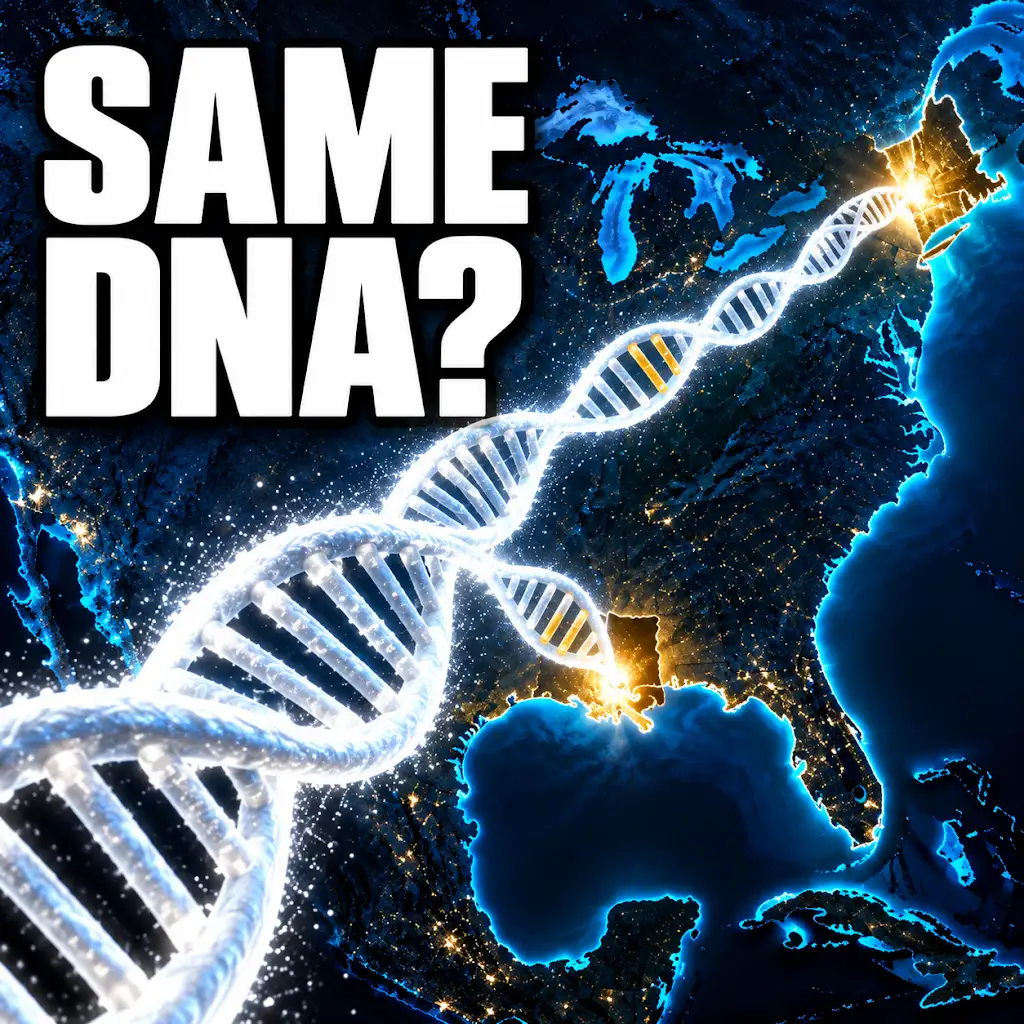
Cajun or French Canadian? The DNA Looked the Same—Until Researchers Looked Closer
FAQs
What is Cajun heritage?
Cajun heritage refers to the culture and traditions of the French-speaking Acadian people who settled in Louisiana after being expelled from Acadia (now Nova Scotia, Canada) in the 18th century.
How can DNA testing help uncover Cajun heritage?
DNA testing can provide insights into a person’s genetic ancestry, including potential connections to Cajun heritage through markers specific to the Acadian population.
What are some common genetic markers associated with Cajun heritage?
Common genetic markers associated with Cajun heritage include markers from French, Acadian, and Native American populations, reflecting the diverse ancestry of Cajun people.
Can DNA testing definitively prove Cajun heritage?
While DNA testing can provide strong indications of Cajun ancestry, it is important to consider other factors such as genealogical records and family history to confirm Cajun heritage definitively.
How can understanding Cajun heritage through DNA deep dives benefit individuals?
Understanding Cajun heritage through DNA deep dives can help individuals connect with their roots, learn more about their family history, and gain a deeper appreciation for the cultural richness of Cajun heritage.