So, what’s the deal with Cajun Louisiana’s history and culture? It’s a fascinating story of resilience and adaptation, born from French settlers who found a new home in the American South after being expelled from their homeland. Their unique blend of French roots, Acadian spirit, and influences from their new environment created a culture unlike any other in the United States.
The Acadian Exodus: A Forced Migration
The story of Cajun Louisiana is inextricably linked to the Acadians, French colonists who settled in Acadia (modern-day Nova Scotia, Canada) in the 17th century. Life there was challenging, marked by harsh winters and a complex geopolitical relationship between France and Great Britain. The British eventually gained control of Acadia, and fearing the Acadians’ loyalty to France and their refusal to swear an unconditional oath of allegiance, they orchestrated a devastating expulsion.
Leaving Homeland Behind
Imagine being told you have to leave your home, your farm, your community, with little notice and no real destination. This was the reality for thousands of Acadians starting in 1755. The British military rounded them up, often separating families, and dispersed them among their colonies in North America. Many died during these harrowing journeys, either from disease, starvation, or the sheer hardship of being uprooted. It was a brutal period, designed to break the spirit of these resilient people.
Seeking Refuge in Louisiana
A significant number of these displaced Acadians eventually found their way to the Spanish-controlled territory of Louisiana. Louisiana, with its humid climate and vast waterways, offered a stark contrast to the cold of Acadia, but it also presented opportunities. The Spanish, keen to populate the region and create a buffer against British expansion, encouraged settlement. They offered land and a degree of autonomy, which was a lifeline for the Acadians. These new arrivals, though French-speaking, were now distinct from those who remained in Canada. Over time, their language and customs evolved, and they became known as “Acadians” and, eventually, “Cajuns.”
The history of Cajun Louisiana settlement is rich and complex, shaped by the migration of Acadians and their adaptation to the unique environment of the region. For those interested in exploring the broader implications of historical narratives and how maps can influence our understanding of settlement patterns, a related article titled “Uncovering the Map That Rewrites History” provides valuable insights. You can read it here: Uncovering the Map That Rewrites History.
A New Home, A New Identity
Arriving in Louisiana was not an immediate walk in the park. The newcomers faced the challenges of a new climate, unfamiliar diseases, and the need to establish themselves in a foreign land. Yet, their strong sense of community, their deep-rooted traditions, and their practical skills allowed them to not just survive, but to thrive and forge a new identity.
Adapting to the Bayou Landscape
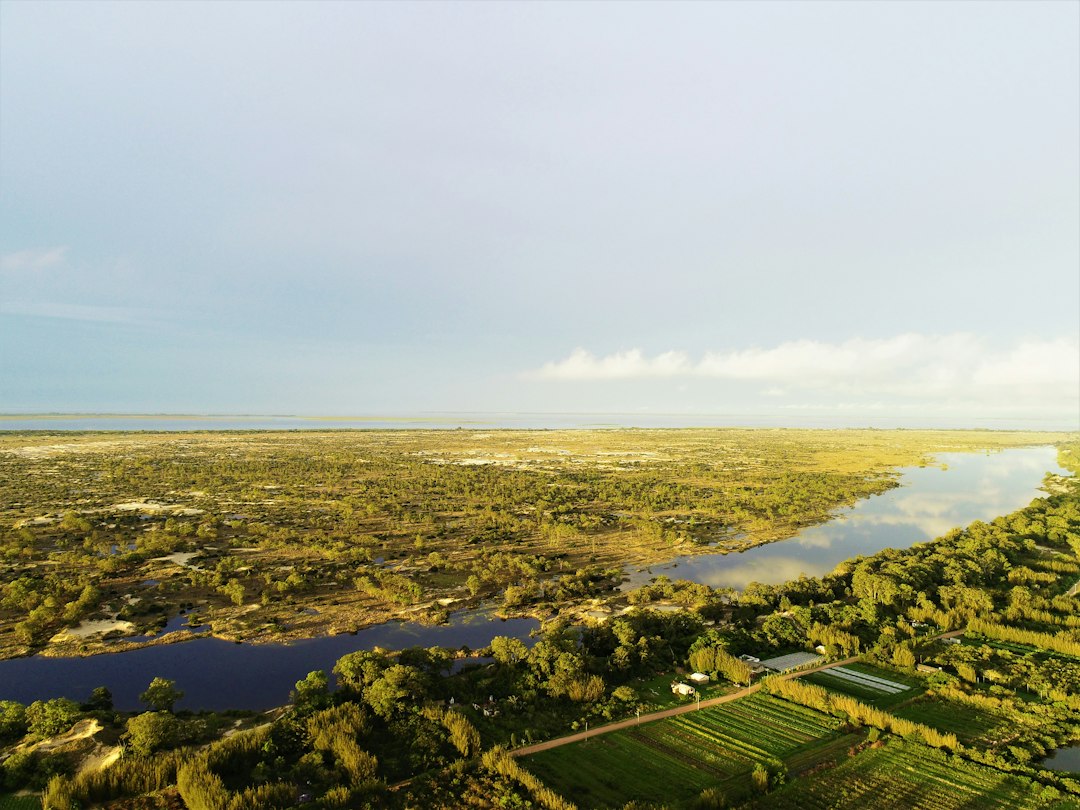
The Louisiana landscape, particularly the bayous and wetlands, became the physical stage for Cajun culture. This environment shaped their livelihoods, their food, and their way of life. They were adept at navigating the waterways, fishing, trapping, and farming in the rich, fertile soil. The bayou wasn’t just a backdrop; it was an active participant in shaping their daily existence, demanding resourcefulness and a deep understanding of nature. This intimate connection with the land is a defining characteristic of Cajun culture.
The French Language Endures
Despite being dispersed and eventually settling in an English-speaking territory, the French language remained a powerful unifying force for the Acadians. In Louisiana, their dialect, a unique form of French often referred to as Cajun French, continued to be spoken in homes and communities. While it evolved over generations, influenced by Spanish, English, and indigenous languages, it maintained its core French structure and vocabulary. This linguistic heritage is a crucial element of their cultural identity, connecting them to their past and to each other.
The Melting Pot of Cajun Culture
Cajun culture is not solely a product of French Acadian heritage. Louisiana’s unique history as a colonial crossroads meant that the Acadians encountered and interacted with a diverse array of peoples, each contributing to the rich tapestry of what we now recognize as Cajun culture.
Influences Beyond France
When the Acadians arrived in Louisiana, they encountered existing populations, including Native American tribes, Spanish settlers, and later, enslaved Africans. These interactions were not always harmonious, but they inevitably led to cultural exchange. Indigenous peoples shared knowledge of local flora and fauna, vital for survival and cuisine. Spanish influence can be seen in some culinary traditions and even architectural styles. The contributions of African enslaved people were particularly profound, especially in music and cuisine, adding layers of rhythm, spice, and flavor that are unmistakable today.
A Unique Culinary Tradition
Perhaps the most globally recognized aspect of Cajun culture is its food. Cajun cuisine is a testament to resourcefulness and flavor. It’s built on fresh, local ingredients – seafood from the Gulf, rice, crawfish, shrimp, and a variety of vegetables. The “holy trinity” of Cajun cooking – onions, bell peppers, and celery – forms the aromatic base for many dishes. Dishes like gumbo, jambalaya, étouffée, and boudin are not just meals; they are cultural touchstones, passed down through generations. The emphasis is on hearty, flavorful food, often spiced up with cayenne pepper, reflecting the warmth of the Louisiana sun and the passionate spirit of its people.
The Sound of Cajun Country: Music and Celebration
Music is the heartbeat of Cajun culture, a vibrant expression of joy, sorrow, and community. From lively dances to heartfelt ballads, Cajun music tells the story of the people.
Accordions and Fiddles: The Signature Sounds
The distinctive sound of Cajun music is often defined by the accordion and the fiddle. These instruments, often played with an infectious energy, are central to the sound of a Cajun dance hall. The music is typically characterized by its driving rhythms and its often melancholic melodies, reflecting the hardships and joys of Cajun life. Traditional Cajun songs often tell stories of love, loss, and everyday life in the Louisiana countryside.
Fais Do-Do and Community Gatherings
The “fais do-do,” meaning “go to sleep” in Cajun French, was originally a dance where parents could bring their children and let them sleep while the adults continued to party. These gatherings, and other community celebrations, are integral to Cajun life. They are occasions for people to come together, share food, dance, and celebrate their shared heritage. These events are not just about entertainment; they are vital for maintaining the social fabric and passing down traditions to younger generations. The music and dancing are a powerful way to connect with the past and reinforce their cultural identity.
The rich tapestry of Cajun Louisiana settlement history is deeply intertwined with the cultural and technological influences that shaped the region. For those interested in exploring how ancient technologies impacted various communities, a fascinating read can be found in the article about the lost power of ancient technology. This piece delves into the ways these innovations may have influenced settlement patterns and daily life in Louisiana. You can find the article here: lost power of ancient technology.
Resilience and Modern Cajun Identity
| Year | Event | Location | Significance |
|---|---|---|---|
| 1604 | Founding of Acadia | Present-day Nova Scotia, Canada | Beginning of French settlement in the region that would become home to the Acadians |
| 1755 | Great Expulsion (Le Grand Dérangement) | Acadia (Canada) | British deportation of Acadians, leading to diaspora |
| 1764 | Arrival of Acadians in Louisiana | Louisiana, USA | First significant Acadian settlement in Louisiana after expulsion |
| 1765 | Establishment of Acadian communities | Bayou Lafourche and Bayou Teche, Louisiana | Formation of early Cajun settlements |
| 1803 | Louisiana Purchase | Louisiana, USA | Territory transferred from France to the United States, impacting Cajun governance |
| 19th Century | Cajun cultural development | South Louisiana | Growth of Cajun language, music, and traditions |
The Cajun story is one of remarkable resilience. Facing expulsion, hardship, and periods of cultural suppression, the Cajun people have consistently found ways to preserve and celebrate their unique identity.
Maintaining Cultural Heritage
In the 20th century, there were periods where speaking Cajun French and practicing certain cultural traditions were discouraged. However, a strong resurgence of pride in Cajun heritage began to take hold. Cultural organizations emerged, dedicated to preserving the language, music, and culinary traditions. Educational programs were established to teach Cajun French to younger generations, ensuring its survival. This revival is a testament to the enduring strength of their cultural bonds.
Cajun Culture Today: A Living Tradition
Today, Cajun culture is a vibrant and evolving entity. While the world of modern technology and global influences are present, the core elements of Cajun identity remain strong. You can still hear Cajun French spoken in many communities, especially in rural areas. Cajun music fills dance halls and festivals across Louisiana. And, of course, the distinctive flavors of Cajun cuisine are celebrated both locally and internationally. Cajun Louisiana is not just a place with a rich history; it’s a living, breathing culture, a testament to the enduring spirit of a people who, despite immense challenges, forged a unique and vibrant way of life. Their story is a powerful reminder of how people can adapt, persevere, and create something truly special when faced with adversity.

Cajun or French Canadian? The DNA Looked the Same—Until Researchers Looked Closer
FAQs
What is the history of Cajun settlement in Louisiana?
The Cajuns are descendants of French-speaking Acadians who were expelled from Canada by the British in the mid-18th century. Many of them settled in Louisiana, particularly in the Acadiana region, where they established a unique culture that blended French, Spanish, African, and Native American influences.
When did the Cajuns first arrive in Louisiana?
The first wave of Cajun settlers arrived in Louisiana in the late 1700s, following their expulsion from Acadia (present-day Nova Scotia, New Brunswick, and Prince Edward Island) by the British. Over the years, more Acadians made their way to Louisiana, seeking refuge and a new home.
What were the main reasons for Cajun migration to Louisiana?
The main reasons for Cajun migration to Louisiana were the expulsion of the Acadians from Canada by the British, the promise of fertile land and economic opportunities in Louisiana, and the desire to preserve their French language, culture, and Catholic faith in a new homeland.
How did Cajun settlers adapt to life in Louisiana?
Cajun settlers adapted to life in Louisiana by embracing the local environment and incorporating elements of Spanish, African, and Native American cultures into their own. They developed unique traditions, cuisine, music, and dialect that set them apart from other groups in the region.
What is the significance of Cajun settlement history in Louisiana?
The Cajun settlement history in Louisiana is significant because it highlights the resilience, cultural richness, and contributions of the Cajun people to the state’s heritage. Their unique identity and traditions have become an integral part of Louisiana’s cultural landscape and continue to be celebrated and preserved to this day.