
The genetic landscape of Louisiana is remarkably unique, largely shaped by the historical migration of the Acadians, commonly known as Cajuns. These descendants of French colonists, driven from their North American homeland in the 18th century, brought with them specific genetic markers that continue to be identifiable in modern-day Louisianans. Understanding this migration is key to appreciating the distinct genetic heritage of the region.
The Acadians: A History of Displacement and Resilience
The story of the Cajun people is one of hardship, adaptation, and the creation of a vibrant cultural and genetic identity in a new land. Their journey began in what is now eastern Canada, where French settlers established colonies in the 17th century. These early settlers, primarily from western and northern France, developed a distinct culture and way of life in Acadia.
Life in Acadia
For over a century, Acadia flourished. The colonists, though geographically distant from France, maintained their French language, Catholic faith, and agrarian lifestyle. They developed unique farming techniques suited to the marshy coastal environment, creating a self-sufficient and close-knit community. Their society was largely egalitarian, with a strong emphasis on family and community ties.
The Great Upheaval: Le Grand Dérangement
The turning point for the Acadians was the mid-18th century, a period marked by escalating tensions between France and Great Britain over control of North America. Acadia, strategically located, became a point of contention. The British, having gained control of the region, demanded that the Acadians swear an unconditional oath of allegiance to the British Crown. The Acadians, fearing being forced to fight against their fellow French colonists and deeply attached to their homeland and faith, refused.
In response, the British military, beginning in 1755, initiated a policy of deportation known as “Le Grand Dérangement” (The Great Upheaval). Acadians were forcibly removed from their homes, their lands confiscated, and families were often separated. They were dispersed to various British colonies along the Atlantic coast, and some were even sent back to France. This was a brutal and traumatic event, leading to immense suffering and loss.
The Journey to Louisiana
While many Acadians were deported to other locations, a significant number eventually found their way to Louisiana, then a Spanish colony. This journey was not a single, organized exodus, but rather a series of movements by individuals and small groups over several decades. Driven by a desire for freedom, to reunite with family, and to find land where they could practice their faith and culture unhindered, they made their way south.
Some Acadians arrived directly from the British colonies, having escaped or been released from deportation. Others made their way from France, having been sent there after their initial expulsion. The Spanish colonial administration, eager to populate and develop Louisiana, welcomed these French-speaking Catholic settlers. They were granted land, particularly in the southwestern part of the colony, which would become the heartland of Cajun Country.
The study of Cajun migration and its impact on Louisiana genetics reveals fascinating insights into the cultural and genetic diversity of the region. As Cajun communities evolved, they blended various ancestral traits, which can be traced back to their origins in Acadia. For a deeper understanding of how migration affects various aspects of life, including financial stability during challenging times, you can read a related article on surviving economic hardships at Surviving a Depression: What Happens to Your Bank Accounts?. This article highlights the importance of resilience and adaptability, themes that resonate with the Cajun experience in Louisiana.
The Formation of Cajun Society in Louisiana

Upon arrival in Louisiana, the Acadians faced a new set of challenges and opportunities. They had to adapt to a different climate, landscape, and colonial administration. However, their resilience and strong cultural identity allowed them to establish a thriving new society.
Adapting to the Louisiana Environment
The southwestern Louisiana landscape, with its bayous, prairies, and coastal marshes, was quite different from Acadia. The Acadians, however, were resourceful. They adapted their agricultural practices, incorporating local crops like rice and sugarcane, and developing sophisticated fishing and trapping techniques that utilized the abundant natural resources of the region. Their traditional farming methods, which emphasized communal labor and cooperation, served them well in this new environment.
Cultural Syncretism and Uniqueness
While maintaining their core French heritage, the Acadians in Louisiana also absorbed influences from the other populations present in the colony, including Native Americans, Africans (both enslaved and free), and other European immigrants. This cultural blending, known as syncretism, resulted in a unique and vibrant Cajun culture. This is evident in their music, cuisine, language, and traditions, which are distinct from those of mainland France and even their original Acadian homeland.
The Term “Cajun”
The term “Cajun” itself is a phonetic corruption of “Acadian.” As the Acadians settled and integrated into Louisiana society, their dialect and cultural expressions evolved. The simplified pronunciation of “Acadian” became “Acadien,” and eventually, “Cajun.” While the term now denotes a distinct cultural group, it is rooted in the history of Acadian displacement.
Genetic Markers of Acadian Ancestry
The historical migration and relative isolation of the Acadians in Louisiana have left a discernible imprint on the genetic makeup of the region. While all populations have a complex genetic history, certain patterns can be traced back to the founding Acadian settlers.
Founder Effect and Genetic Bottlenecks
The concept of a “founder effect” is crucial here. When a new population is established by a small number of individuals from a larger population, the genetic makeup of the new population reflects the genetic makeup of those founders. In the case of the Acadians in Louisiana, a relatively small number of individuals, carrying a specific set of genetic variations from their Acadian homeland, established the initial Cajun population.
Over time, especially in more isolated communities, these initial genetic variations can become more pronounced due to genetic drift and reduced gene flow with outside populations. This can lead to certain gene frequencies being higher in the Cajun population compared to other populations. Similarly, periods of hardship, like the expulsion, can be seen as genetic bottlenecks, where the effective population size is drastically reduced, further impacting the gene pool.
Specific Genetic Studies and Findings
Numerous genetic studies have explored the ancestry of Louisiana Cajuns. These studies often look at autosomal DNA (DNA inherited from both parents), Y-chromosome DNA (inherited from the father), and mitochondrial DNA (inherited from the mother).
- Autosomal DNA Studies: These studies often reveal a significant French ancestral component in Louisiana Cajuns, which is not surprising given their origins. What’s particularly interesting is how this French ancestry clusters. Researchers often see a distinct clustering that aligns with specific regions of western and northern France, matching the documented origins of many Acadian settlers. These studies can also identify admixture with other groups present in Louisiana, such as African and Native American populations, reflecting the historical interactions and intermarriages.
- Y-DNA Studies: Y-chromosome DNA is passed down virtually unchanged from father to son. Studies focusing on Y-DNA have been instrumental in tracing the paternal lineage of Cajun populations. These studies have consistently shown a high prevalence of Y-chromosome haplogroups commonly found in western France. This provides strong evidence for the French origins of the paternal lines of many Cajuns. Specific haplogroups that are prevalent in Acadian populations have been identified and their frequency in Louisiana Cajuns can be compared to populations in France and other diaspora groups.
- mtDNA Studies: Mitochondrial DNA is inherited from the mother and is passed down to all children. mtDNA studies have also provided insights into Acadian ancestry, tracing maternal lineages. Similar to Y-DNA, these studies often reveal maternal lines that have origins in France and, to a lesser extent, in other parts of Europe. They can also shed light on the maternal ancestry of admixed populations.
Distinguishing Cajun Genetics from Other French-American Groups
It’s important to differentiate Cajun genetics from other French-American groups, such as those in Quebec or other parts of the United States. While all have French origins, the specific historical events, geographic locations, and subsequent interactions with other populations have shaped distinct genetic profiles. The Acadian diaspora, with its unique trajectory, has resulted in a genetic signature that is recognizably Cajun. For instance, the genetic profile of a Cajun might show a different pattern of admixture compared to a Québécois individual, reflecting different colonial histories and regional interactions.
Tracing Ancestral Roots: Resources and Methods
For individuals with Cajun heritage, tracing their ancestral roots can be a rewarding journey. Genetic testing, combined with traditional genealogical research, offers powerful tools for uncovering family history.
The Role of Genetic Genealogy
Genetic genealogy has revolutionized our ability to understand ancestry. By analyzing DNA, individuals can gain insights into their ethnic origins and connect with relatives they never knew they had.
- Autosomal DNA Testing: Companies like AncestryDNA, 23andMe, and MyHeritage offer autosomal DNA tests. These tests analyze hundreds of thousands of markers across your DNA, providing estimates of your ethnic composition. For individuals of Cajun descent, these tests can confirm French ancestry and also highlight other ancestral components that may have entered the family tree over generations. Crucially, these platforms allow you to connect with other users who share DNA, potentially leading to the discovery of new relatives and branches of your family tree.
- Y-DNA and mtDNA Testing: For those interested in tracing specific paternal or maternal lines, Y-DNA and mtDNA tests are available through specialized companies like FamilyTreeDNA. Y-DNA tests are only for males, as they analyze the Y chromosome. mtDNA tests can be taken by anyone and trace the direct maternal line. These tests can be particularly useful for verifying lineages that extend back to the Acadian migration. If a Y-DNA result strongly matches a specific haplogroup prevalent in Acadian populations, it can provide compelling evidence of paternal Acadian ancestry.
Traditional Genealogical Research
Genetic genealogy is most powerful when combined with traditional genealogical research. This involves delving into historical records to build a family tree.
- Vital Records: Birth, marriage, and death certificates are foundational. These documents provide names, dates, and locations, helping to piece together generations. In Louisiana, these records can be found through state and parish archives, as well as online genealogical databases.
- Census Records: Census records, taken every ten years in the United States, provide snapshots of households, including names, ages, occupations, and places of birth. Early U.S. census records can be invaluable for tracking families as they settled in Louisiana.
- Immigration and Naturalization Records: While the Acadians were not strictly “immigrants” in the traditional sense (they were expelled from one British territory and resettled in another), records related to their arrival and integration into Spanish and later American Louisiana might exist. Parish records and early colonial documents can offer clues.
- Church Records: Given the strong Catholic faith of the Acadians, church records are often a treasure trove of information. Baptisms, marriages, and burial records kept by Catholic parishes in Louisiana can extend family lines back centuries. Many of these records are digitized and accessible through genealogical platforms.
- Land Records and Wills: These documents can reveal property ownership and family relationships, providing further context for ancestral lives.
Navigating Cajun Ancestry Research
Researching Cajun ancestry can present unique challenges.
- Spelling Variations: Names were often spelled phonetically, and spellings could vary significantly even within the same family. This requires a flexible approach to searching records.
- Language Barriers: While many records are in English, earlier colonial documents might be in French or Spanish, requiring translation.
- Record Availability: Some early records may have been lost to fires, floods, or simply the passage of time. Creative problem-solving and searching for indirect evidence are often necessary.
The study of Cajun migration in Louisiana offers fascinating insights into the genetic diversity of the region, revealing how historical movements have shaped the population. A related article discusses the broader implications of migration patterns and their impact on cultural identity, which can be explored further in this analysis of global power struggles. Understanding these connections can enhance our appreciation for the rich tapestry of Louisiana’s heritage and the ongoing influence of migration on genetics.
The Ongoing Influence and Future of Cajun Genetics
| Metric | Value | Description |
|---|---|---|
| Estimated Cajun Population in Louisiana | 1.2 million | Number of people identifying as Cajun in Louisiana as of recent estimates |
| Primary Ancestry | Acadian French | Origin of Cajun ancestors who migrated from Canada to Louisiana in the 18th century |
| Genetic Markers Common in Cajun Population | High frequency of Y-DNA haplogroup R1b | Indicates Western European paternal lineage predominant among Cajuns |
| Migration Period | 1755-1785 | Years during which Acadian exiles migrated to Louisiana |
| Intermarriage Rate with Other Ethnic Groups | Approximately 30% | Estimated rate of Cajun intermarriage with Creole, Native American, and other groups |
| Genetic Diversity Index | Moderate (0.65) | Measure of genetic variation within the Cajun population |
| Unique Genetic Traits | Presence of certain rare alleles linked to Acadian ancestry | Traits used to trace Cajun lineage and migration patterns |
The genetic legacy of the Acadians continues to shape the population of Louisiana. However, like any population, the Cajun genetic landscape is not static; it evolves with migration, intermarriage, and societal changes.
Gene Flow and Modern Louisiana
Modern Louisiana is a more interconnected place than it was during the peak of Acadian settlement. Increased mobility and intermarriage with other ethnic and racial groups mean that the genetic profile of individuals with Cajun heritage is becoming more diverse. While the core French Acadian markers remain identifiable, they are now often mixed with other ancestral contributions.
This gene flow is a natural process and reflects the dynamic nature of human populations. It means that the “typical” Cajun genetic profile is becoming less a distinct genetic isolate and more a part of the broader genetic tapestry of the American South. However, this doesn’t erase the historical significance of the Acadian migration
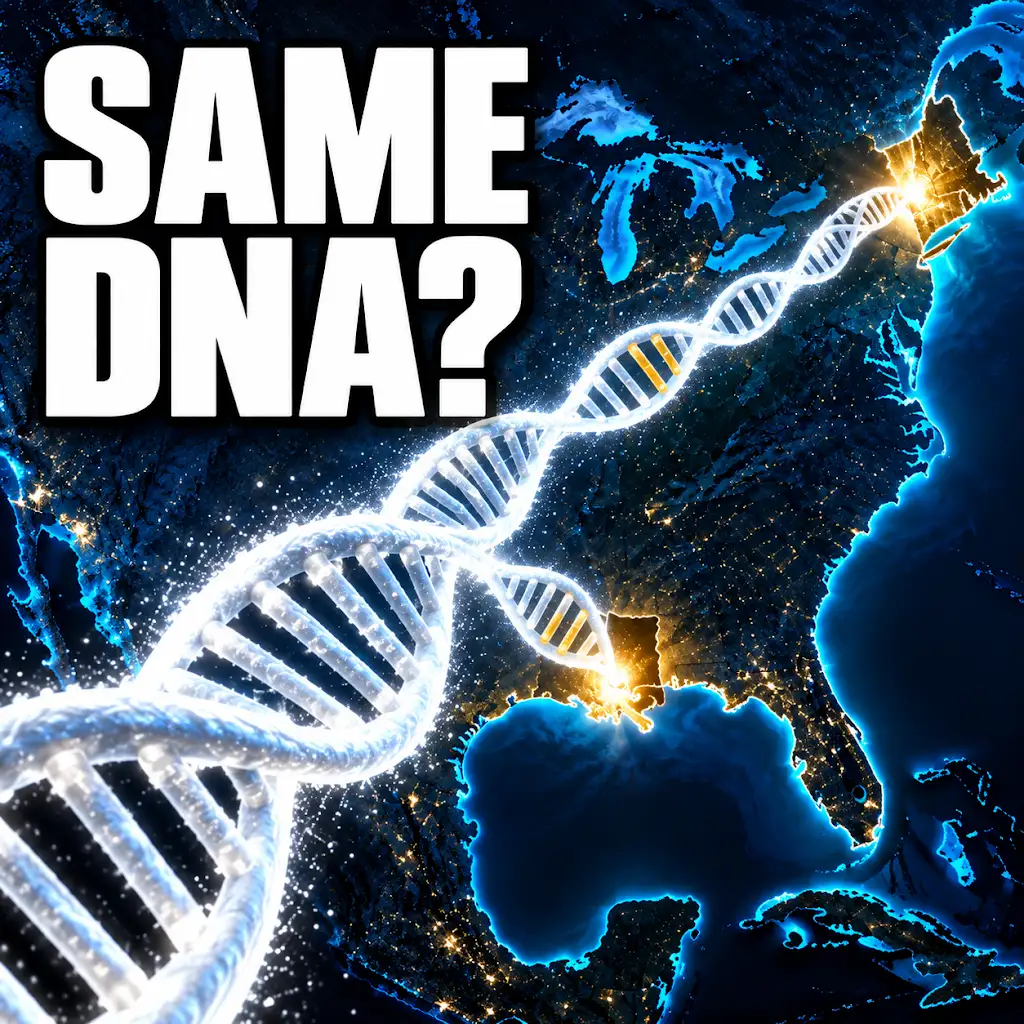
Cajun or French Canadian? The DNA Looked the Same—Until Researchers Looked Closer
FAQs
What is Cajun migration?
Cajun migration refers to the movement of Acadian people from Acadia (present-day Nova Scotia, New Brunswick, and Prince Edward Island in Canada) to Louisiana in the 18th century.
Why did the Cajuns migrate to Louisiana?
The Cajuns migrated to Louisiana after being expelled by the British from Acadia in the mid-1700s. They settled in Louisiana due to its French-speaking population and similar cultural roots.
How did Cajun migration impact Louisiana’s genetics?
Cajun migration significantly impacted Louisiana’s genetics by introducing a distinct genetic profile from the Acadian population. This genetic influence can still be seen in the population of Louisiana today.
What are some genetic markers that can be traced back to Cajun migration?
Some genetic markers that can be traced back to Cajun migration include specific DNA sequences and gene variations that are unique to individuals of Acadian descent. These markers help researchers trace the genetic legacy of the Cajuns in Louisiana.
How has Cajun migration influenced the cultural landscape of Louisiana?
Cajun migration has had a profound influence on the cultural landscape of Louisiana, particularly in areas such as music, cuisine, language, and traditions. The Cajun culture remains a vibrant and integral part of Louisiana’s identity.