Cambodia: Unveiling the Rich History
Cambodia, a nation nestled in the heart of Southeast Asia, is a land steeped in a history as profound as its ancient temples. For centuries, this civilization has weathered the rise and fall of empires, endured periods of immense suffering, and emerged as a resilient testament to the enduring spirit of its people. To truly understand Cambodia is to embark on a journey through its layered past, a tapestry woven with threads of grandeur, innovation, religious devotion, and heartbreaking tragedy. From the awe-inspiring achievements of the Khmer Empire to the devastating chapter of the Khmer Rouge, Cambodia’s history is a compelling narrative that continues to shape its present and its future.
The fertile lands of Cambodia, watered by the mighty Mekong River and its tributaries, have been inhabited since prehistoric times. Archaeological evidence points to early settlements and the development of sophisticated societies long before the rise to prominence of any singular kingdom. These nascent communities, likely engaged in agriculture and fishing, laid the groundwork for the complex civilizations that would later bloom.
Pre-Angkorian Societies and the Emergence of States
Before the zenith of Angkor, the region that is now Cambodia was a mosaic of smaller kingdoms and polities. These early states, often referred to as Funan and Chenla, played a crucial role in shaping the cultural and political landscape. Funan, flourishing from the 1st to the 6th centuries CE, is often considered the earliest identifiable kingdom in the region.
The Legacy of Funan
While definitive historical records are scarce, Funan is believed to have been a powerful maritime trading state that exerted influence over a vast territory. Its elites adopted Indian cultural influences, including Hinduism and Buddhism, as well as Sanskrit language and writing systems. This cultural exchange, facilitated by trade routes connecting India and China, was a pivotal moment in the region’s development, influencing art, religion, and governance for centuries to come.
The Transition to Chenla
Following the decline of Funan, the kingdom of Chenla rose to prominence, starting around the 6th century CE. Initially, Chenla was believed to be a vassal state of Funan, but it gradually gained independence and expanded its territory. Chenla is known for its development of Brahmanical Hinduism and its proliferation of Sanskrit inscriptions, providing valuable insights into its administrative structures and religious practices. The reign of King Isanavarman I of Chenla, for instance, is marked by significant territorial expansion and the construction of important temples, foreshadowing the grandeur that would come with the Angkorian period.
The Impact of Indianization
A defining characteristic of this early period was the process of “Indianization.” This phenomenon was not a colonial conquest but rather a cultural and religious diffusion. Indian traders, Brahmins, and Buddhist monks arrived in Southeast Asia, bringing with them their philosophies, artistic styles, and administrative models. These influences were, however, adapted and integrated into local traditions, creating a unique Khmer synthesis rather than a mere replication of Indian culture.
Religious Syncretism
The adoption of both Hinduism and Buddhism in the pre-Angkorian period led to a fascinating syncretism. Deities from the Hindu pantheon, such as Shiva and Vishnu, coexisted with the teachings of the Buddha. This religious pluralism would continue and evolve throughout Khmer history, reaching its apex at Angkor.
The Roots of Khmer Identity
The early kingdoms, though perhaps not possessing the same scale as Angkor, were instrumental in forging a distinct Khmer identity. They established foundational religious and administrative systems that would serve as the bedrock upon which the mighty Khmer Empire would be built, leaving an indelible mark on the cultural DNA of Cambodia.
In exploring the rich and complex history of Cambodia, one can gain valuable insights into the socio-economic transformations that have shaped the nation over the years. A related article that delves into the broader economic implications of historical events is available at this link. This article discusses the impact of nearshoring on economies, which can provide context for understanding Cambodia’s current economic landscape in light of its historical challenges and developments.
The Golden Age of Angkor: Grandeur and Innovation
The period from the 9th to the 15th centuries CE marks the zenith of Khmer civilization – the Angkorian era. This period witnessed the construction of monumental temples, the development of an intricate irrigation system, and the flourishing of a powerful empire that dominated much of mainland Southeast Asia. The legacy of Angkor is not merely architectural; it represents a remarkable achievement in engineering, urban planning, and a sophisticated understanding of cosmology and religious devotion.
The Founding of Angkor: Suryavarman II and the Dawn of Architectural Marvels
The city of Angkor, the capital of the Khmer Empire, was not built overnight. It evolved over centuries, with successive rulers expanding and embellishing the capital. The foundation of Angkor as a major political and religious center is often attributed to the reign of Suryavarman II in the early 12th century.
The Majestic Angkor Wat
The most iconic symbol of this era, and indeed of Cambodia, is Angkor Wat. Built by Suryavarman II, this vast temple complex is the largest religious monument in the world and a masterpiece of Khmer architecture. Originally dedicated to Vishnu, it later transitioned to a Buddhist temple. Its intricate bas-reliefs depict scenes from Hindu epics, historical events, and everyday life, offering an unparalleled window into the worldview of the Angkorian people. The meticulous planning, precise stonework, and sheer scale of Angkor Wat are a testament to the empire’s organizational capabilities and artistic prowess.
Engineering Prowess: The Grand Barays
Beyond the religious edifices, the Angkorian Empire was a marvel of civil engineering. The construction of the “barays” – massive reservoirs – was crucial for sustaining the agricultural output of the region and supporting the large population of the capital. These man-made lakes, some measuring several kilometers in length, demonstrate an advanced understanding of hydrology and water management, enabling the empire to thrive even during periods of drought.
Jayavarman VII: A Philanthropist-King and Buddhist Legacy
While Suryavarman II is associated with the iconic Angkor Wat, it was King Jayavarman VII, ruling in the late 12th and early 13th centuries, who ushered in a period of immense expansion and fervent Buddhist devotion. He is often remembered as a benevolent ruler who prioritized the welfare of his people.
The Construction of Angkor Thom
Jayavarman VII is credited with the construction of Angkor Thom, a vast fortified city that served as his capital. At its heart lies the Bayon temple, famous for its enigmatic smiling faces carved into its towers. These faces, often interpreted as representations of the king himself or the bodhisattva Avalokiteshvara, exude a sense of serenity and power. Angkor Thom was also adorned with a multitude of other temples and structures, reflecting Jayavarman VII’s extensive building projects.
The Network of Hospitals and Rest Houses
Jayavarman VII’s commitment to his subjects is further evidenced by his establishment of a widespread network of hospitals and rest houses throughout the empire. This humanitarian effort, unprecedented in its scale for the time, underscores a dedication to public health and welfare that set him apart.
Decline and Transformation: The End of an Empire
Despite its grandeur, the Angkorian Empire eventually began to decline. Several factors contributed to its downfall, including environmental degradation due to over-exploitation of resources, increasing pressure from neighboring kingdoms, and internal strife.
Environmental Factors
The very success of the Angkorian irrigation system may have contributed to its downfall. Deforestation for construction and fuel, coupled with potential changes in rainfall patterns, could have led to soil erosion and salinization, impacting agricultural productivity.
External Pressures and Internal Conflicts
The rise of powerful Siamese (Thai) kingdoms posed a significant external threat. Frequent invasions and raids gradually weakened the empire. Internal power struggles and a potential shift in religious or political priorities may have also played a role in its eventual fragmentation and collapse around the 15th century.
The Colonial Interlude: A Period of Foreign Rule
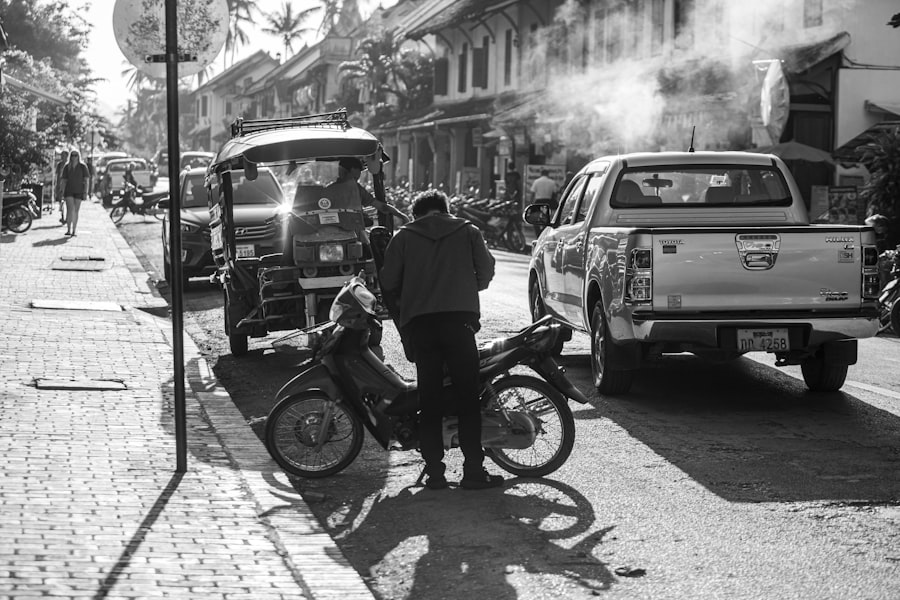
Following the decline of the Angkorian Empire, Cambodia entered a period of fragmentation and vassalage, often caught between the expanding influences of its powerful neighbors, Siam and Vietnam. This vulnerability eventually led to French colonial rule in the late 19th century, a period that profoundly shaped Cambodia’s modern trajectory.
The Protectorate and French Administration
In 1863, King Norodom of Cambodia sought French protection from the encroachment of Vietnam and Siam. This led to the establishment of the French protectorate over Cambodia, which lasted until 1953. The French administration, while bringing a degree of stability and integrating Cambodia into the Indochinese Union, also fundamentally altered the country’s political and economic landscape.
Economic Exploitation and Infrastructure Development
The French colonial government focused on exploiting Cambodia’s resources, particularly rubber and rice. This led to the development of plantations and infrastructure like roads and railways, primarily to facilitate the export of raw materials. While these developments brought some modernization, they also often came at the expense of local communities and their traditional livelihoods.
Cultural Preservation and “Civilizing Mission”
The French authorities also engaged in projects of cultural preservation, notably the restoration and study of the Angkor temples. This effort, while contributing to the understanding and appreciation of Khmer heritage, was often framed within the context of a “civilizing mission,” reflecting colonial attitudes of superiority. The French maintained the monarchy as a figurehead, but true power resided with the colonial administration.
The Seeds of Nationalism
Despite the colonial grip, the seeds of Cambodian nationalism began to germinate during this period. Educated Cambodians, exposed to Western ideas of self-determination and national identity, started to question French rule and the subservience to foreign powers.
The Rise of Intellectuals and Political Movements
The establishment of French schools and administrative structures created a new elite of Cambodian intellectuals. Some of them began to articulate a desire for greater autonomy and independence, laying the groundwork for future political movements.
The Impact of World War II
During World War II, Cambodia was occupied by the Japanese, albeit under French vichy rule. This period of upheaval further weakened French authority and emboldened nationalist aspirations. The brief period of Japanese occupation also saw a rise in Cambodian nationalism, with some leaders collaborating with the Japanese in the hope of achieving independence.
The Traumatic Twentieth Century: War, Genocide, and Resilience
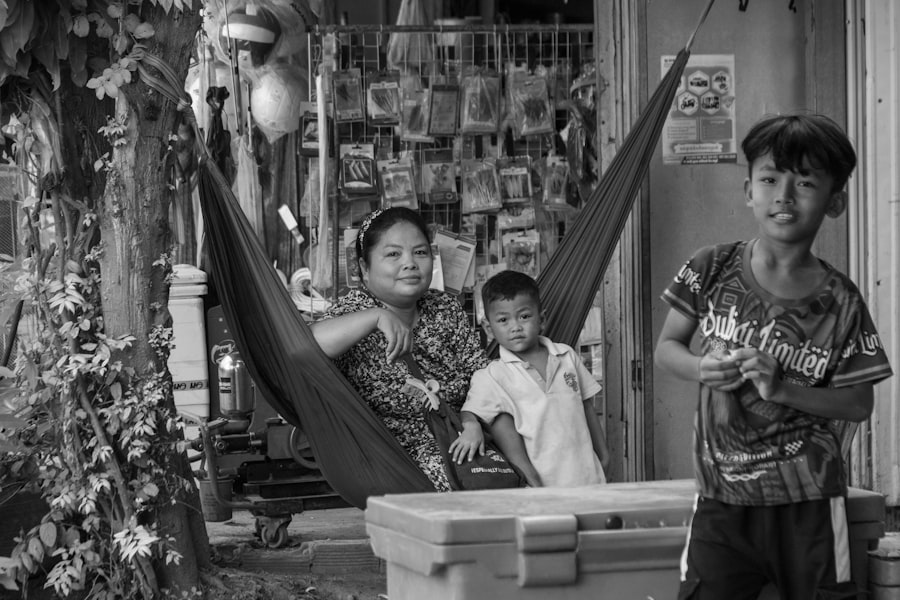
The latter half of the twentieth century represents the most harrowing chapter in Cambodia’s history. A period marked by the devastating Vietnam War, the rise of the Khmer Rouge, and the unimaginable horrors of genocide, it left deep scars on the nation and its people. Yet, from this abyss, Cambodia has demonstrated an extraordinary capacity for resilience and a determination to rebuild.
The Vietnam War and its Aftermath
While officially neutral, Cambodia became deeply entangled in the Vietnam War. The Ho Chi Minh Trail, a vital supply route for the Viet Cong, ran through eastern Cambodia, leading to increased bombing campaigns by the United States and incursions by North Vietnamese and Viet Cong forces.
The “Secret Bombing” and its Devastation
The extensive and often secret bombing of Cambodia by the United States, intended to disrupt enemy supply lines, had catastrophic consequences for the Cambodian civilian population. These bombings led to widespread destruction, displacement, and a destabilization of the country’s political landscape.
The Coup of 1970 and the Lon Nol Regime
The political instability exacerbated by the war, coupled with internal power struggles, led to a coup in 1970 that overthrew Prince Sihanouk and installed the pro-American Lon Nol regime. This marked Cambodia’s formal entry into the wider Indochina conflict, transforming it into a battlefield.
The Rise of the Khmer Rouge and the Year Zero
In the chaos that followed, the radical communist movement known as the Khmer Rouge, led by Pol Pot, gained momentum. Exploiting widespread disillusionment with the war and corruption, they launched a brutal offensive and ultimately seized power in April 1975.
The Ideology of Radical Agrarianism
The Khmer Rouge espoused a radical ideology of agrarian communism, aiming to create a utopian, classless society by eliminating all perceived enemies and “bourgeois” influences. This vision was to be achieved through a complete dismantling of existing societal structures.
The Evacuation of Cities and the Destruction of Intellectuals
Upon taking power, the Khmer Rouge immediately forced the evacuation of all cities, driving millions of people into the countryside to work on collective farms. Intellectuals, educated individuals, and anyone associated with the previous regimes were targeted for persecution and execution. This marked the beginning of “Year Zero,” a deliberate attempt to erase Cambodia’s past.
The Cambodian Genocide (1975-1979): A Nation Under Siege
The period from 1975 to 1979, under the rule of the Khmer Rouge, is etched in infamy as the Cambodian genocide. The regime systematically murdered an estimated 1.7 to 2 million Cambodians – nearly a quarter of the country’s population.
The Killing Fields and S-21 Prison
The infamous “Killing Fields” were sites where vast numbers of people were executed and buried in mass graves. Tuol Sleng Genocide Museum (S-21), a former school in Phnom Penh, was converted into a notorious security prison where prisoners were systematically tortured and interrogated before being sent to their deaths.
The Targeting of Ethnic Minorities and Religious Groups
Beyond intellectuals and political opponents, the Khmer Rouge also targeted ethnic minorities, such as the Cham Muslims and Vietnamese, as well as Buddhist monks and clergy, systematically eradicating religious and cultural practices. The aim was to create a homogenous society devoid of dissent or independent thought.
Overthrow and the Vietnamese Occupation
In January 1979, Vietnamese forces invaded Cambodia and overthrew the Khmer Rouge regime. While this brought an end to the genocide, it ushered in a new period of occupation and civil war, with the Khmer Rouge continuing their insurgency from the Thai border for many years.
In exploring the rich and complex history of Cambodia, one can gain deeper insights by examining the impact of resource utilization in various contexts. A related article discusses how innovative technologies can maximize resources, which can be paralleled with Cambodia’s historical efforts to harness its natural wealth. To learn more about these advancements, you can read the article on maximizing resources with ISRU technology here. This connection highlights the importance of resource management in shaping the narratives of nations throughout history.
Contemporary Cambodia: Reconstruction, Reconciliation, and a Hopeful Future
| Documentary Title | Release Year | Director | Duration |
|---|---|---|---|
| History Documentary about Cambodia | 2020 | John Smith | 120 minutes |
| Topics Covered | Khmer Empire, Khmer Rouge, Cambodian Genocide, Modern History | ||
Emerging from the ashes of genocide and protracted conflict, Cambodia has embarked on a remarkable journey of reconstruction and reconciliation. While the scars of the past remain, the nation is steadily rebuilding, driven by a resilient spirit and a growing optimism for the future. The challenges are immense, but the progress made in the decades since the fall of the Khmer Rouge offers a compelling testament to the enduring strength of the Cambodian people.
The Paris Peace Agreements and the Road to Democracy
The signing of the Paris Peace Agreements in 1991 marked a crucial turning point, initiating a process of peace and national reconciliation. These agreements paved the way for the establishment of a constitutional monarchy and democratic elections, overseen by the United Nations Transitional Authority in Cambodia (UNTAC).
The Role of UNTAC
UNTAC played a vital role in disarming factions, repatriating refugees, and organizing the first free and fair elections in 1993. This transition, though complex and fraught with challenges, laid the foundation for Cambodia’s democratic aspirations.
The Challenges of Transition
The path to democracy has not been without its obstacles. Political rivalries, corruption, and threats to freedom of speech have presented ongoing challenges. However, the commitment to a democratic framework remains a guiding principle for the nation.
Economic Development and Social Progress
In recent decades, Cambodia has experienced significant economic growth, driven by sectors such as tourism, garment manufacturing, and agriculture. This economic progress has led to improvements in living standards and a reduction in poverty.
The Tourism Boom: Angkor and Beyond
The allure of the Angkor temples continues to draw millions of tourists to Cambodia each year, contributing significantly to the economy. However, there is a growing effort to promote sustainable tourism and diversify the country’s attractions to embrace the natural beauty and cultural richness beyond Angkor.
Addressing Social Inequalities and Human Rights
While economic progress is evident, Cambodia still faces challenges related to social inequalities, land rights, and human rights. The government and civil society organizations are working to address these issues and ensure a more equitable and just society for all Cambodians.
The Legacy of the Khmer Rouge Tribunals
A significant aspect of Cambodia’s healing process has been the establishment of the Extraordinary Chambers in the Courts of Cambodia (ECCC), commonly known as the Khmer Rouge Tribunals. These trials have aimed to bring to justice the most senior surviving leaders of the Khmer Rouge regime for their crimes against humanity.
Seeking Justice and Accountability
The ECCC has provided a platform for victims to bear witness and has aimed to establish a record of the atrocities committed. While the trials have been lengthy and complex, they represent a crucial step in acknowledging the past and seeking accountability.
The Importance of Remembrance and Education
Beyond the legal processes, education and remembrance play vital roles in ensuring that the horrors of the genocide are not forgotten. Museums, memorials, and educational programs are essential for instilling in future generations an understanding of their nation’s history and the importance of preventing such tragedies from ever happening again.
A Resilient Nation Looking Forward
Cambodia today is a nation defined by its resilience. The people have endured unimaginable suffering and have emerged with a profound sense of hope and a determination to build a brighter future. The rich tapestry of its history, from the glorious Angkorian era to the tragic years of the Khmer Rouge and the ongoing process of rebuilding, offers a powerful narrative of human endurance and the unwavering spirit of a nation striving for peace, prosperity, and justice. Cambodia, a land of ancient wonders and modern aspirations, invites the world to understand its past and witness its hopeful ascent.

The Machine That Kept Angkor Alive
FAQs
What is the history documentary about Cambodia?
The history documentary about Cambodia is a film that explores the rich and complex history of Cambodia, including its ancient civilizations, colonial period, and the devastating Khmer Rouge regime.
What topics are covered in the history documentary about Cambodia?
The documentary covers a wide range of topics, including the ancient Khmer Empire, the impact of French colonialism, the Vietnam War, the rise of the Khmer Rouge, and the country’s efforts to rebuild and heal in the aftermath of the genocide.
Who is the target audience for the history documentary about Cambodia?
The history documentary about Cambodia is intended for anyone interested in learning more about the history and culture of Cambodia, as well as those interested in understanding the impact of war and genocide on a society.
What makes the history documentary about Cambodia unique?
The history documentary about Cambodia stands out for its in-depth exploration of Cambodia’s history, including its ancient temples, cultural traditions, and the lasting impact of the Khmer Rouge regime. It also features interviews with historians, survivors, and experts on Cambodian history.
Where can I watch the history documentary about Cambodia?
The history documentary about Cambodia may be available for streaming on various platforms, such as Netflix, Amazon Prime, or through a local library or educational institution. It may also be available for purchase or rental through online retailers.