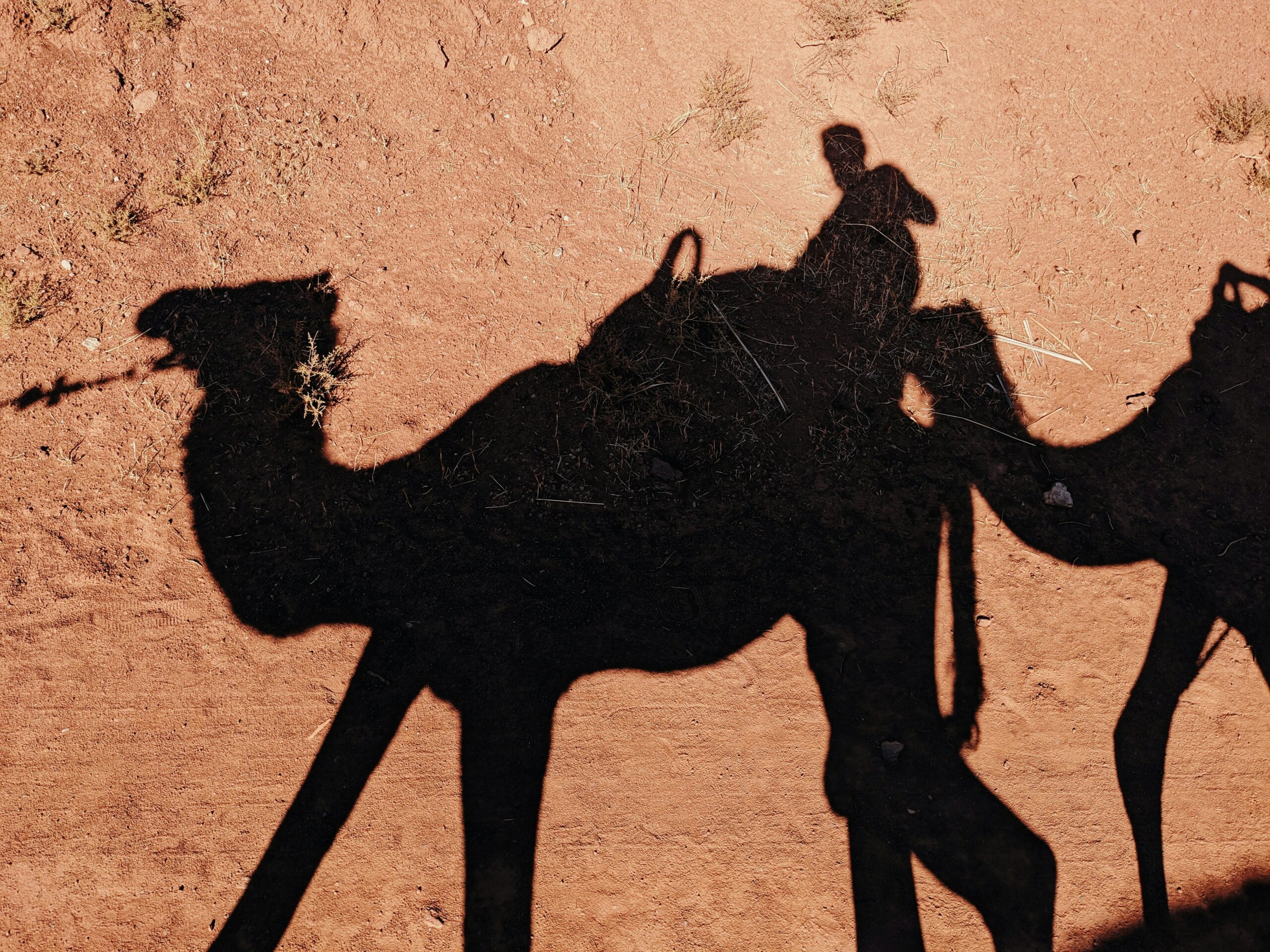
Echoes in Sand: The Ancient Art of Camel Engravings
The desert horizon, a vast canvas painted with the hues of perpetual dawn and dusk, often reveals fleeting glimpses of history etched into its very skin. Among these ephemeral whispers of the past, the enduring artistry of camel engravings stands as a testament to human ingenuity, cultural expression, and the profound connection between people and the iconic dromedary. These ancient carvings, found across arid landscapes from North Africa to the Arabian Peninsula, are more than mere decorations; they are narratives frozen in stone, chronicles of migration, trade, and the vital role the camel played in shaping civilizations. To encounter one of these engravings is to touch a piece of history, to feel the pulse of countless journeys undertaken by these magnificent creatures and the people who relied upon them.
The sheer ubiquity of camel engravings across such a wide geographical expanse speaks to the widespread importance of these animals. For millennia, the camel, often referred to as the “ship of the desert,” was the primary mode of transport, enabling the exploration, settlement, and commerce that crisscrossed the unforgiving sands. It facilitated the exchange of goods, ideas, and cultures, connecting disparate communities and forging the foundations of empires. The artistry rendered upon rock faces and boulders, depicting camels in various forms and poses, reflects this deep-seated reverence and practical dependence. These engravings serve as a visual language, communicating stories to future generations about the challenges and triumphs of life in the desert.
The practice of rock art, which includes these camel engravings, is as old as humanity itself. Dating back thousands of years, these markings represent one of the earliest forms of human communication and artistic expression. They offer invaluable insights into the beliefs, rituals, and daily lives of ancient peoples, providing a window into worlds long vanished. The careful craftsmanship and detail evident in many camel engravings suggest a skilled artistry that was both a cultural practice and a vital form of storytelling. These images are not random scratches but deliberate acts of creation, imbued with meaning and purpose.
Camel engravings above the desert are a fascinating aspect of ancient art that reflect the cultural significance of these animals in arid regions. These engravings often serve as a testament to the relationship between humans and camels, highlighting their importance in trade and transportation across vast landscapes. For a deeper understanding of the geographical context in which these engravings can be found, you can explore the article on the diverse terrain of Afghanistan, which discusses the various landscapes that have shaped the lives of its inhabitants. To read more, visit this article.
The Dromedary’s Domain: Where History is Carved

The geographical distribution of camel engravings is as expansive as the deserts they inhabit, mirroring the ancient trade routes and nomadic pathways that once connected vast regions. These petroglyphs are not confined to a single locale but are scattered across diverse terrains, from the rocky outcrops of the Sahara to the sandy plains of the Arabian Peninsula and the rugged mountains of Central Asia. The presence of these engravings in such varied environments underscores the camel’s adaptability and its pivotal role in facilitating human movement and interaction across these challenging landscapes. Each region, with its unique geological formations and cultural histories, offers a distinct perspective on the artistry and the significance of these depictions.
North African Depictions: Sands of the Sahara
In North Africa, the Sahara Desert, the world’s largest hot desert, is a treasure trove of ancient rock art, and camel engravings are particularly prominent. The Tassili n’Ajjer plateau in Algeria, a UNESCO World Heritage site, boasts an extraordinary collection of rock art, with some of the earliest engravings dating back to the Neolithic period. Here, artists have meticulously carved images of camels, often depicted alongside human figures, hunting scenes, and representations of livestock. The styles vary, from simple outlines to more detailed and naturalistic portrayals, reflecting different artistic traditions and time periods. The presence of camels in these engravings is not surprising, given their crucial role in the Sahara’s ecology and human settlement patterns for millennia.
The engravings in the Tassili n’Ajjer, for instance, often show camels in procession, laden with goods, suggesting their importance in trade and trans-Saharan journeys. Some depictions portray them in dynamic poses, engaged in herding or even battle, highlighting their multifaceted role in Saharan life. The sophistication of these carvings, often executed on sandstone surfaces, speaks to the advanced artistic skills and cultural richness of the ancient inhabitants of this region. The durability of the rock has preserved these images for thousands of years, offering a tangible link to a past where the camel was the undisputed king of the desert. Beyond Tassili, similar engravings are found in other Saharan regions, such as Libya, Niger, and Sudan, painting a collective picture of a deep-seated connection to these creatures.
Arabian Artistry: Incised Stories of the Peninsula
The Arabian Peninsula, a land synonymous with camels and vast desert expanses, also boasts a significant heritage of camel engravings. Rock art sites, particularly in Saudi Arabia and Oman, feature numerous carvings of dromedaries, often adorning volcanic rocks and sandstone outcrops. These engravings frequently appear in areas that were once important for nomadic herding or along ancient caravan routes. The style of Arabian camel engravings can differ from their North African counterparts, often characterized by a more robust and stylized representation.
In Saudi Arabia, sites like Jabal al-Abyad and Jabal al-Ghadhawa offer compelling examples of these etchings. The camels are depicted with striking detail, often emphasizing their humps, long legs, and distinctive heads. Some engravings show camels with riders, further solidifying their role in human mobility and the development of trade networks across the peninsula. The presence of such art in arid regions suggests that these carvings were not merely decorative but likely served a communicative or ritualistic purpose, commemorating significant events or the importance of camel husbandry to local communities. The Omani engravings, often found in mountainous areas and wadis, further extend this narrative, showcasing the camel’s integration into diverse micro-environments within the peninsula.
Central Asian Echoes: Silk Road Sentinels
While less extensively documented than their North African and Arabian counterparts, camel engravings are also found in Central Asia, a region historically traversed by the Silk Road. These ancient trade routes, which facilitated the exchange of goods and ideas between East and West, were heavily reliant on camel caravans. Rock art sites in countries like Kazakhstan, Kyrgyzstan, and China’s Xinjiang region reveal depictions of camels, often alongside other animals and human figures. These Central Asian engravings provide crucial evidence of the camel’s long-standing presence and importance in this vast, interconnected Eurasian landmass.
The style and context of these Central Asian carvings can vary significantly, reflecting the diverse cultures that interacted along the Silk Road. Some may be relatively simple outlines, while others might exhibit more intricate details. Their placement in proximity to ancient pathways or settlements further reinforces their connection to the historical movement of people and goods. These engravings serve as silent sentinels, marking the ancient routes and reminding us of the arduous journeys undertaken by camel caravans that connected distant civilizations and shaped the course of history.
The Craftsmanship Revealed: Techniques and Styles

The creation of camel engravings was a deliberate and skilled process, utilizing the natural environment and the tools available to ancient artisans. The methods employed varied across regions and time periods, resulting in a diverse range of artistic styles and levels of detail. Understanding these techniques offers insight into the ingenuity of the creators and the value they placed on their depictions. The preservation of these carvings, often exposed to the elements for millennia, is a testament to the durability of the materials and the techniques used.
Pecking and Incising: Sculpting the Stone Canvas
The most common methods for creating camel engravings involve pecking and incising. Pecking, or pitting, is a technique where a pointed tool, such as a sharpened stone or bone, is used to repeatedly strike the rock surface, gradually removing small chips and creating a textured or grooved outline. This method is particularly effective on harder rock surfaces and can create both shallow and deeply incised lines. Incising, on the other hand, involves scratching or cutting a line into the rock surface using a sharp tool. This technique allows for finer details and smoother lines, often used for outlining figures or adding internal features.
The depth and width of the pecks or incisions often indicate the tools used and the relative age of the engraving. Older engravings might show signs of weathering and erosion, making them fainter and more difficult to discern. The choice of rock surface also played a crucial role. Softer, more easily workable stones like sandstone were favored in some areas, while harder volcanic rocks required more effort and specialized tools. The careful selection of the rock face, often chosen for its visibility or proximity to important routes, further highlights the intentionality behind these artistic endeavors.
Stylization and Realism: Artistic Interpretations
Camel engravings exhibit a remarkable range of artistic styles, from highly stylized and abstract representations to remarkably realistic and detailed depictions. These variations reflect the differing artistic traditions, cultural aesthetics, and possibly the intended purpose of the carvings. Some artists prioritized the iconic features of the camel – the hump, the long legs, the head – reducing the animal to its essential form. These stylized representations are often bold and graphic, easily recognizable even from a distance.
In contrast, other engravings showcase a keen eye for naturalism. These artists meticulously rendered the musculature, the texture of the fur, and the proportions of the camel, creating images that are almost lifelike. Such detailed work suggests a deep understanding and appreciation for the animal, possibly stemming from close observation and interaction. The inclusion of specific details, such as tack or adornments, can also provide clues about the cultural context and the ways in which camels were managed and utilized. The combination of stylized and realistic approaches within the same region or even on the same panel suggests a dynamic artistic landscape where different conventions coexisted.
Regional Variations: A Mosaic of Styles
As explored in the geographical section, distinct regional variations in style are evident in camel engravings. North African art, for instance, often features a more fluid and sometimes dynamic depiction of camels, frequently integrated into narrative scenes. The use of negative space and the careful composition of figures within the rock face are common. Arabian engravings, on the other hand, can sometimes appear more static and monumental, with a focus on the powerful silhouette of the animal. The emphasis might be on clarity and impact rather than intricate detail. Central Asian examples often reflect the influence of Silk Road art, which sometimes incorporated influences from both East and West, leading to unique stylistic blends. These regional differences are invaluable for archaeologists and art historians, helping to identify the origin and cultural affiliation of the engravings, and offering a broader understanding of ancient desert cultures.
Meaning and Purpose: Beyond Mere Decoration
The creation of camel engravings was rarely an act of idle doodling. These carvings were imbued with meaning and served a variety of purposes that were integral to the lives of the ancient peoples who created them. Understanding these motivations allows us to look beyond the aesthetics and appreciate the deeper significance of these stone narratives. They offer a glimpse into the worldview, beliefs, and practical concerns of past societies.
Commemorating Journeys and Trade Routes
A primary function of camel engravings likely revolved around commemorating important journeys, trade routes, and the successful completion of arduous expeditions. In societies heavily reliant on long-distance travel for sustenance and commerce, the camel was the indispensable engine of this mobility. Engravings placed along frequented pathways or at significant stopping points could have served as markers, navigational aids, or even as a form of thanksgiving for safe passage. They might have celebrated the arrival of a successful caravan or signaled the importance of a particular route for economic prosperity.
The depiction of camels laden with goods or accompanied by human figures strongly suggests a connection to trade. These images could have been a way for communities to assert their identity as traders or to mark their territory along vital arteries of commerce. The sheer volume of such depictions in areas historically associated with significant caravan activity supports this interpretation. These ancient etchings acted as visual billboards, announcing the importance of camel-borne trade and the routes that sustained it.
Spiritual and Ritualistic Significance
Beyond their practical implications, camel engravings may have held deep spiritual and ritualistic significance. In many desert cultures, animals are often imbued with symbolic meaning, and the camel, with its resilience and ability to thrive in harsh conditions, would have been a prime candidate for such reverence. Engravings could have been part of shamanistic practices, fertility rituals, or ceremonies aimed at ensuring the well-being of the camel herds, which were vital for survival.
Some scholars suggest that certain depictions might represent mythological or ancestral camels, figures of spiritual importance that guided or protected the people. The act of engraving itself could have been a sacred ritual, performed with respect and intention. The placement of these carvings in prominent or sacred locations further supports the idea that they were not merely decorative but held a deeper connection to the spiritual world of the ancient peoples. The repetitive nature of some motifs might suggest a form of prayer or invocation for protection and prosperity.
Demonstrations of Skill and Status
In addition to their communicative and spiritual roles, camel engravings also served as a demonstration of artistic skill and social status. The ability to create detailed and enduring artwork required talent, patience, and access to tools, which may have been markers of a person’s standing within their community. Complex and elaborate engravings might have been commissioned or created by individuals of higher social standing, showcasing their wealth, influence, or connection to important societal roles, such as leadership or shamanism.
The act of creating these engravings could have been a way for artists to gain recognition and prestige within their society. The quality of the craftsmanship, the originality of the design, and the narrative complexity of the carvings all contributed to the artist’s reputation. In societies where literacy was limited, visual art played a crucial role in transmitting knowledge, history, and cultural values, making skilled artists highly valued members of the community. These engravings were thus a form of visual storytelling that also elevated the creator.
The fascinating world of camel engravings above the desert offers a glimpse into the cultural significance of these majestic creatures in ancient societies. These engravings not only showcase the artistry of the time but also reflect the vital role camels played in trade and transportation across arid landscapes. For a deeper understanding of how such engravings fit into the broader context of ancient empires, you can explore a related article that delves into the geopolitical analysis of these civilizations. This insightful piece can be found here.
Enduring Legacies: Preservation and Future Study
| Metric | Description | Value |
|---|---|---|
| Location | Geographical area where camel engravings are found | Sahara Desert, North Africa |
| Estimated Age | Approximate age of the camel engravings | 4,000 – 6,000 years old |
| Engraving Size | Average dimensions of the camel engravings | 3 to 10 meters in length |
| Number of Engravings | Estimated total number of camel engravings in the area | Over 200 |
| Technique | Method used to create the engravings | Petroglyph carving into rock surfaces |
| Purpose | Hypothesized reason for the engravings | Symbolic representation of camels for trade or cultural significance |
| Preservation Status | Current condition of the engravings | Moderate; some erosion due to wind and sand |
The camel engravings that grace desert horizons are fragile remnants of a rich past, constantly battling the relentless forces of nature. Ensuring their preservation and furthering our understanding of their significance requires dedicated effort and ongoing research. These ancient etchings offer a unique, tangible link to human history, and their continued existence is a matter of cultural heritage for all.
Threats to Preservation: Erosion and Human Impact
The primary threat to camel engravings is natural erosion. Windblown sand, rain, and temperature fluctuations can gradually wear away the delicate carvings, blurring lines and eventually obscuring the images entirely. Some rock surfaces are more susceptible to weathering than others, and engravings on softer stones are particularly vulnerable. Beyond natural processes, human impact also poses a significant risk. Unregulated tourism can lead to accidental damage, with visitors touching, climbing on, or even attempting to alter the engravings. Vandalism, though thankfully less common, can cause irreparable harm. Development in areas with rock art sites, such as construction or mining, can also lead to the destruction or alteration of these precious cultural resources.
Archaeological and Anthropological Insights
Despite the challenges to their preservation, camel engravings continue to provide invaluable insights for archaeologists and anthropologists. These petroglyphs offer a visual record of past human activities, migratory patterns, trade networks, and belief systems. By studying the style, subject matter, and location of the engravings, researchers can reconstruct aspects of ancient societies that might otherwise remain unknown. For example, the presence of specific types of tack or adornments on depicted camels can reveal information about their domestication and use. The association of camel engravings with other rock art motifs or with archaeological sites can help to date the engravings and understand the cultural context in which they were created.
The ongoing study of these art forms contributes to a broader understanding of human history and our relationship with the environment, particularly in arid regions. They remind us of the resilience and adaptability of past peoples and the profound impact of animals like the camel on human civilization. Each newly discovered or analyzed engraving adds another piece to the puzzle of our shared past, enriching our knowledge of the diverse cultures that have shaped our world.
Conservation Efforts and Future Research
Recognizing the vulnerability of these ancient artworks, various conservation efforts are underway in different regions. These initiatives often involve careful documentation through photography and 3D scanning, the establishment of protected areas, and public education campaigns to raise awareness about the importance of preserving rock art. Collaboration between local communities, national heritage organizations, and international bodies is crucial for effective conservation.
Future research on camel engravings will likely focus on advanced dating techniques, comparative stylistic analysis across different regions, and interdisciplinary approaches that integrate archaeological, geological, and environmental data. Continued exploration of remote desert areas may unveil new rock art sites, expanding our knowledge of the distribution and diversity of these carvings. The application of digital technologies, such as artificial intelligence for pattern recognition and analysis, holds immense potential for unlocking new interpretations and understanding the narratives embedded within these timeless etchings. The journey to fully comprehend the legacy of camel engravings is an ongoing one, promising to reveal further secrets of our shared human heritage.
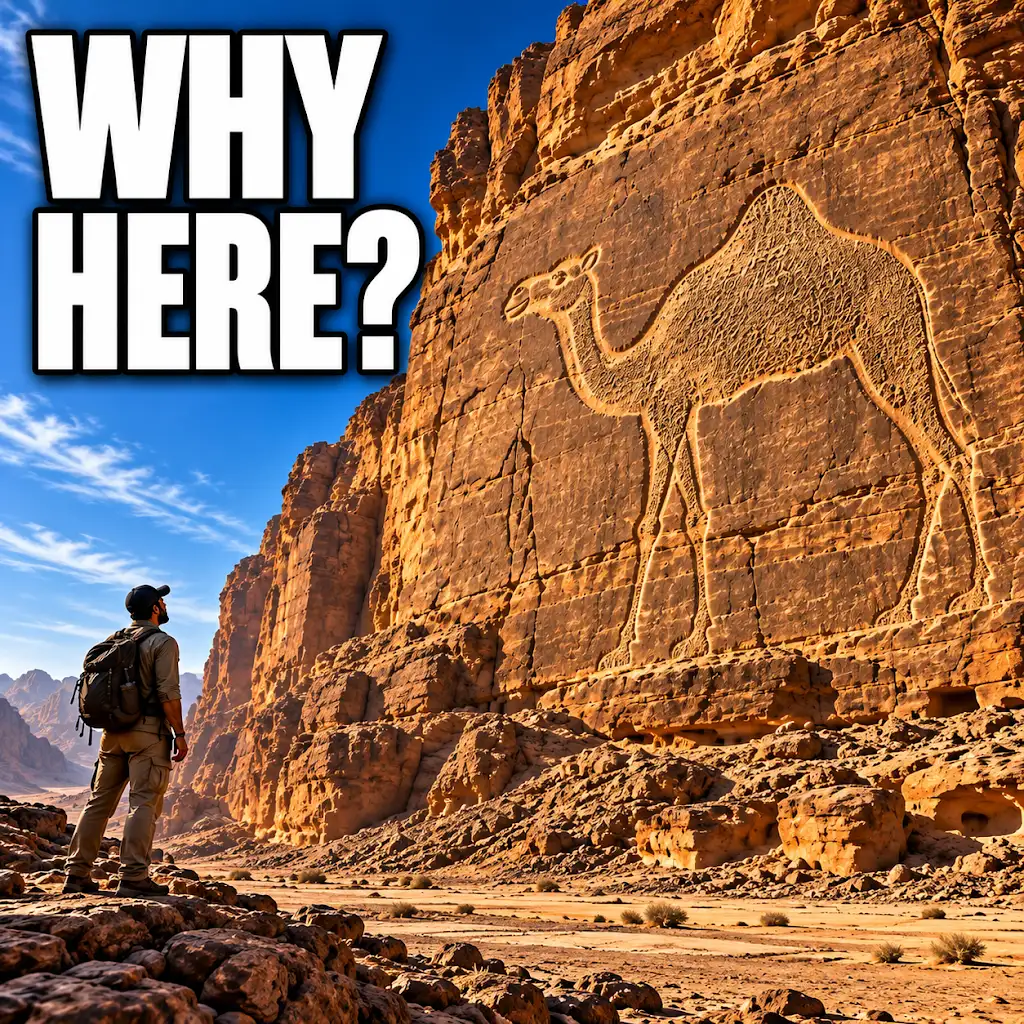
Why Were Giant Camels Carved Above the Desert?
FAQs
What are camel engravings above the desert?
Camel engravings above the desert refer to ancient rock carvings or petroglyphs depicting camels in various poses and scenes, typically found on cliffs or rock faces in desert regions.
Where are camel engravings above the desert commonly found?
Camel engravings above the desert are commonly found in desert regions around the world, such as the Middle East, North Africa, Central Asia, and parts of Australia.
What is the significance of camel engravings above the desert?
The camel engravings above the desert hold cultural and historical significance, providing insights into the lives, beliefs, and practices of ancient civilizations that inhabited these regions and relied on camels for transportation and trade.
How old are the camel engravings above the desert?
The age of camel engravings above the desert can vary, with some dating back thousands of years to prehistoric times, while others may be more recent, created by civilizations from the ancient and medieval periods.
How are camel engravings above the desert preserved and protected?
Camel engravings above the desert are often protected as cultural heritage sites by local authorities and organizations, with measures in place to prevent vandalism, erosion, and other forms of damage that could threaten their preservation.