
The vast, frozen expanse of Greenland, a land of perpetual ice and biting winds, holds within its depths secrets that speak of human ambition, Cold War anxieties, and the ephemeral nature of even the most monumental endeavors. One such secret, unearthed by the documentary “Camp Century: The City Under the Ice,” is the story of a truly audacious project: a fully functional United States military base built entirely beneath the Greenland ice sheet. This remarkable film takes viewers on a journey into the heart of this forgotten Arctic metropolis, revealing a world of ingenuity, isolation, and ultimately, a poignant testament to the impermanence of human presence.
The Genesis of an Arctic Dream
The 1950s were a period of intense geopolitical maneuvering, a world teetering on the brink of nuclear confrontation. The United States, acutely aware of the strategic importance of the Arctic, sought to establish a significant military presence in this remote and unforgiving environment. It was within this context that the idea for Camp Century, codenamed Project Iceworm, began to take root. The documentary meticulously reconstructs the initial planning and conceptualization of this ambitious undertaking, highlighting the perceived strategic advantages and the sheer audacity of the vision.
A Strategic Necessity: The Cold War Imperative
The chilling realities of the Cold War fueled the drive to build Camp Century. The vastness of the Arctic offered a unique vantage point for observing Soviet activities and served as a potential launchpad for intercontinental ballistic missiles. The documentary emphasizes how the perceived threat of nuclear war directly translated into a need for a resilient and forward-thinking military infrastructure, one that could withstand the harsh elements and remain operational even in the face of a global conflict. The documentary’s archival footage vividly illustrates the prevailing anxieties of the era, painting a picture of a nation determined to maintain its global dominance and secure its defenses.
The Ingenious Architects of the Ice
The film delves into the minds of the engineers and scientists who conceived of and executed the impossible. It showcases the innovative spirit that characterized the project, demonstrating how a team of brilliant individuals tackled unprecedented challenges. The documentary highlights the innovative construction techniques employed to excavate tunnels and build structures within the ice. It’s a testament to human ingenuity that they envisioned and then brought to life a functional city under meters of solid ice. The early proposals and blueprints, as presented in the documentary, reveal a remarkable level of foresight and a deep understanding of the unique properties of glacial ice.
The documentary “Camp Century: City Under the Ice” explores the fascinating history of a secret U.S. military base established in Greenland during the Cold War, highlighting its innovative engineering and the challenges posed by the harsh Arctic environment. For those interested in the intersection of engineering and ancient civilizations, a related article titled “Uncovering Ancient Hydraulic Engineering Marvels” delves into the remarkable feats of hydraulic engineering achieved by ancient societies. You can read more about it here: Uncovering Ancient Hydraulic Engineering Marvels.
Excavating a Subterranean World
The construction of Camp Century was a monumental feat of engineering, a testament to the perseverance and skill of the personnel involved. The documentary dedicates significant time to illustrating the arduous process of creating this underground city, revealing the sheer scale of the undertaking and the remarkable solutions devised to overcome the inherent difficulties of building in such an extreme environment.
Tunnels Through Time: The Excavation Process
The documentary employs a combination of archival film, photographs, and expert interviews to vividly portray the painstaking work of excavating kilometers of tunnels beneath the ice. It shows the specialized machinery and the sheer human effort required to carve out living spaces, workspaces, and essential infrastructure from the solid glacial mass. The film doesn’t shy away from the dangers inherent in this process, depicting the constant threat of ice shifts, collapsing tunnels, and the ever-present cold. The visual representation of the tunneling operations is both awe-inspiring and a stark reminder of the risks involved.
Prefabrication and Assembly: Bringing the City to Life
Camp Century was not built from scratch within the ice. The documentary explains the ingenious approach of prefabricating large sections of the base in the United States and then transporting them to Greenland for assembly. This method, crucial for efficiency and speed, allowed for the rapid deployment of a sophisticated facility. The film showcases the logistical challenges of transporting these massive prefabricated modules across treacherous Arctic terrain and then lowering them into the excavated tunnels. The scale of this operation, as depicted in the documentary, is truly mind-boggling.
The Ice as a Foundation: Challenges and Innovations
The very material that made Camp Century unique also presented its greatest challenges. The documentary explores the complex relationship between the constructed base and the dynamic Greenland ice sheet. It details the engineering solutions developed to mitigate the effects of ice movement and thermal expansion. The film highlights how the builders learned to work with, rather than against, the ice, utilizing its insulating properties while also accounting for its slow but constant flow. Innovations in structural design and materials were essential to ensure the longevity and stability of the underground complex.
Life Beneath the Ice: A Community Forged in Isolation
Beyond the engineering marvels, “Camp Century: The City Under the Ice” offers an intimate glimpse into the lives of the soldiers and civilians who lived and worked in this extraordinary subterranean environment. The documentary paints a compelling portrait of a unique community, forged by shared experiences, isolation, and the constant presence of the frozen world just outside their doors.
The Everyday Existence: A Subterranean Routine
The film brings to life the daily routines of Camp Century’s inhabitants. It shows how they navigated their frozen world, from the barracks and mess halls to the workshops and recreation areas. The documentary reveals the surprising degree of normalcy that was established within the confines of the ice tunnels. Despite the extreme circumstances, the inhabitants created a semblance of community and found ways to maintain morale and a sense of purpose. The archival footage offers a rare and valuable insight into the human element of this military outpost.
A World Within a World: Amenities and Infrastructure
Camp Century was far more than just a collection of tunnels. The documentary highlights the sophisticated infrastructure that supported this underground city. It details the power generation systems, the water and waste management facilities, and even the surprisingly well-equipped medical and recreational amenities. The film emphasizes the self-sufficiency required to operate in such an isolated location and the ingenuity that went into creating a comfortable and functional living environment. The existence of a cinema, a chapel, and even a bowling alley within the ice city speaks to the effort made to foster a sense of community and well-being.
The Psychological Toll: Isolation and Resilience
Living beneath kilometers of ice, far from civilization, undoubtedly had a psychological impact on the inhabitants. The documentary addresses the challenges of isolation, the longing for home, and the psychological resilience required to thrive in such an environment. Through personal testimonies and reflections, the film explores the coping mechanisms employed by the soldiers and the strong bonds that developed between them. The documentary doesn’t shy away from the darker aspects of life in such an extreme setting, acknowledging the mental fortitude required to endure the long periods of darkness and confinement.
The Unforeseen Collapse: The Ephemeral Nature of the Ice City
Despite the meticulous planning and engineering, Camp Century’s existence was ultimately dictated by the very element it was built within. The documentary powerfully illustrates how the dynamic nature of the Greenland ice sheet, a force far more powerful than any human construction, eventually led to the base’s demise.
The Slow Creep of Ice: A Constant Threat
The documentary explains that the Greenland ice sheet is not static; it is a constantly moving mass. The film details how the slow but relentless movement of the ice exerted pressure on the underground structures, gradually deforming and damaging them. The documentary’s visuals, showing the shifting ice and the resulting structural changes, convey the immense and inexorable forces at play. The engineers’ initial calculations, while impressive, underestimated the dynamic nature of the glacial environment.
Strategic Realignment and Shifting Priorities
As the Cold War evolved and military technologies advanced, the strategic importance of Camp Century began to wane. The documentary explores how changing geopolitical landscapes and the development of new weapons systems led to a reassessment of the base’s utility. The cost of maintaining such an elaborate and vulnerable facility also became a significant factor in its eventual closure. The film highlights how the focus shifted from permanent subterranean bases to more mobile and adaptable military strategies.
The Abandonment and the Return of the Ice
The documentary culminates in the poignant story of Camp Century’s abandonment. It depicts the process of dismantling and evacuating the base, leaving behind a ghost city entombed beneath the ice. The film emphasizes the ultimate victory of nature over human ambition, as the ice sheet slowly reclaimed the site, burying the once-proud city under a thick blanket of snow and ice. The visual of the ice slowly engulfing the abandoned structures is a powerful metaphor for the impermanence of human endeavors in the face of geological time.
The documentary “Camp Century: City Under the Ice” explores the fascinating history of a secret U.S. military base built in Greenland during the Cold War, highlighting its ambitious engineering and the challenges posed by the harsh Arctic environment. For those interested in the broader implications of human exploration and resource utilization, a related article discusses the potential of exploiting lunar resources, shedding light on the commercial frontier that awaits humanity beyond our planet. You can read more about this intriguing topic in the article here.
Legacy and Lessons: Echoes from the Frozen Frontier
“Camp Century: The City Under the Ice” is more than just a historical account; it is a reflection on human ingenuity, the challenges of extreme environments, and the enduring lessons we can glean from past endeavors. The documentary leaves the viewer with a profound appreciation for the ambition and resilience of those who built and inhabited Camp Century, while also serving as a stark reminder of our place within the vast and powerful forces of nature.
A Testament to Human Ingenuity and Resilience
The documentary firmly establishes Camp Century as a testament to human ingenuity and our capacity to overcome seemingly insurmountable obstacles. The sheer audacity of the project, the innovative engineering solutions, and the resilience of the inhabitants all contribute to a powerful narrative of human spirit. The film celebrates the courage and determination of the individuals who faced the challenges of the Arctic and forged a life, however temporary, beneath the ice.
The Unpredictability of Nature and the Impermanence of Man-Made Structures
Perhaps the most significant lesson to be drawn from Camp Century’s story is the inherent unpredictability of nature and the ultimate impermanence of even the most robust man-made structures when pitted against geological forces. The documentary serves as a humbling reminder that our dominion over the environment is often fragile and that the forces of nature can, and will, reclaim what we build. The gradual burial of Camp Century is a stark visual of this enduring truth.
Scientific Discoveries and Environmental Insights
The documentary also touches upon the scientific research conducted at Camp Century, particularly its role in understanding ice dynamics and climate change. The base provided invaluable data on ice cores, which have since become crucial for reconstructing past climates. The film highlights how this forgotten military project unexpectedly contributed to our understanding of the Earth’s environment and the long-term implications of climate shifts. The data collected from Camp Century continues to inform scientific research today, providing a valuable scientific legacy.
A Glimpse into a Forgotten Era of the Cold War
Ultimately, “Camp Century: The City Under the Ice” offers a unique and compelling glimpse into a fascinating, and often overlooked, chapter of the Cold War. It transcends the purely military aspects to explore the human stories, the engineering marvels, and the environmental realities that defined this extraordinary subterranean city. The documentary is a poignant reminder of the ambition and the anxieties of a bygone era, and the enduring power of human endeavor in the most unforgiving of landscapes. It leaves the viewer with a sense of wonder at what was achieved and a sober reflection on the transient nature of human ambition in the grand scheme of geological time.
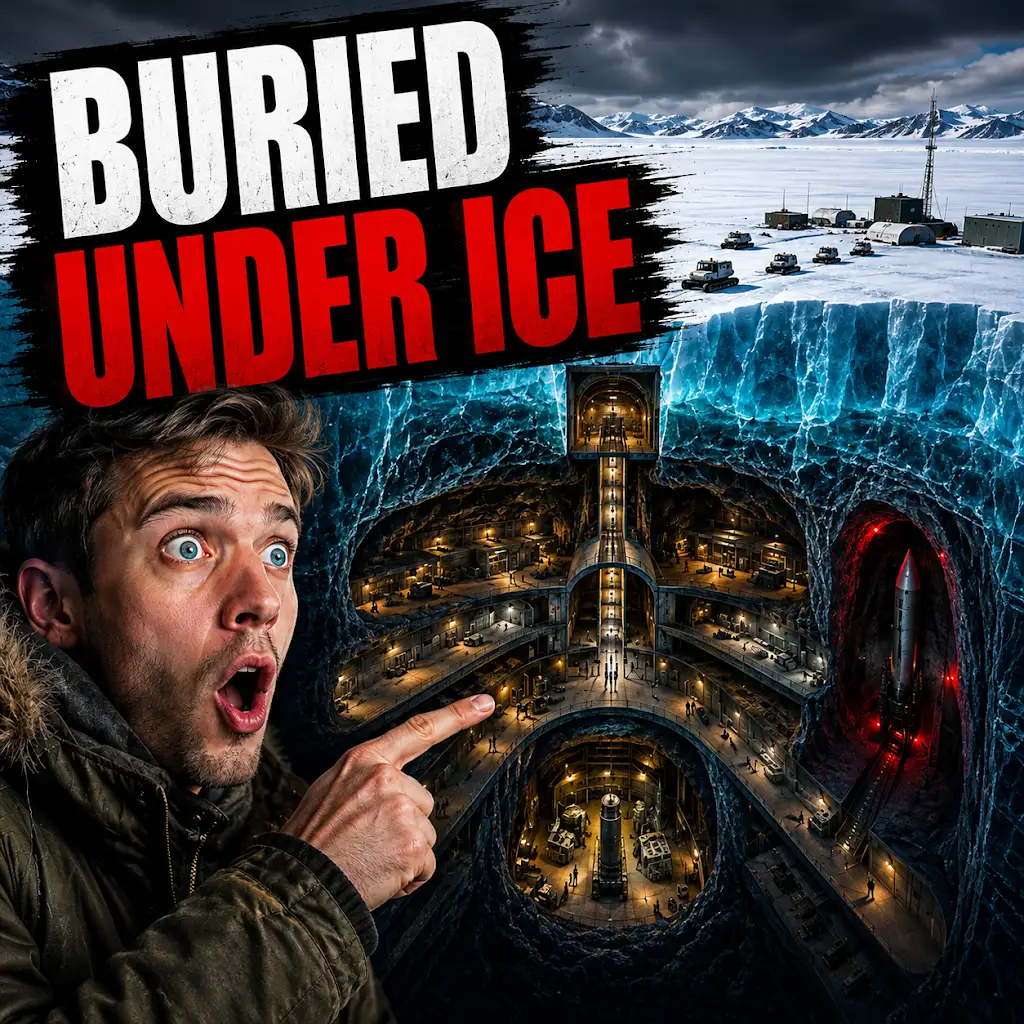
The U.S. Built a Nuclear City Under Greenland. The Ice Won.
FAQs
What is Camp Century?
Camp Century was a military base built under the ice in Greenland by the United States Army Corps of Engineers in 1959. It was part of a secret Cold War project known as Project Iceworm.
What was the purpose of Camp Century?
The primary purpose of Camp Century was to test the feasibility of deploying nuclear missiles from within the ice sheet. It was also intended to provide a cover for scientific research in the Arctic.
What happened to Camp Century?
Camp Century was abandoned in 1967 due to concerns about the stability of the ice sheet and the environmental impact of the base. The camp’s infrastructure, including its nuclear reactor, was left behind and is now buried under layers of ice.
What is the “Camp Century city under the ice” documentary about?
The “Camp Century city under the ice” documentary explores the history of Camp Century, its environmental impact, and the potential consequences of climate change on the buried base. It also raises questions about the legal and political implications of the abandoned military site.
What are the current concerns about Camp Century?
The main concerns about Camp Century revolve around the potential release of pollutants, including radioactive waste, as the ice sheet melts due to climate change. There are also legal and diplomatic challenges related to the responsibility for addressing the environmental and security risks posed by the abandoned base.