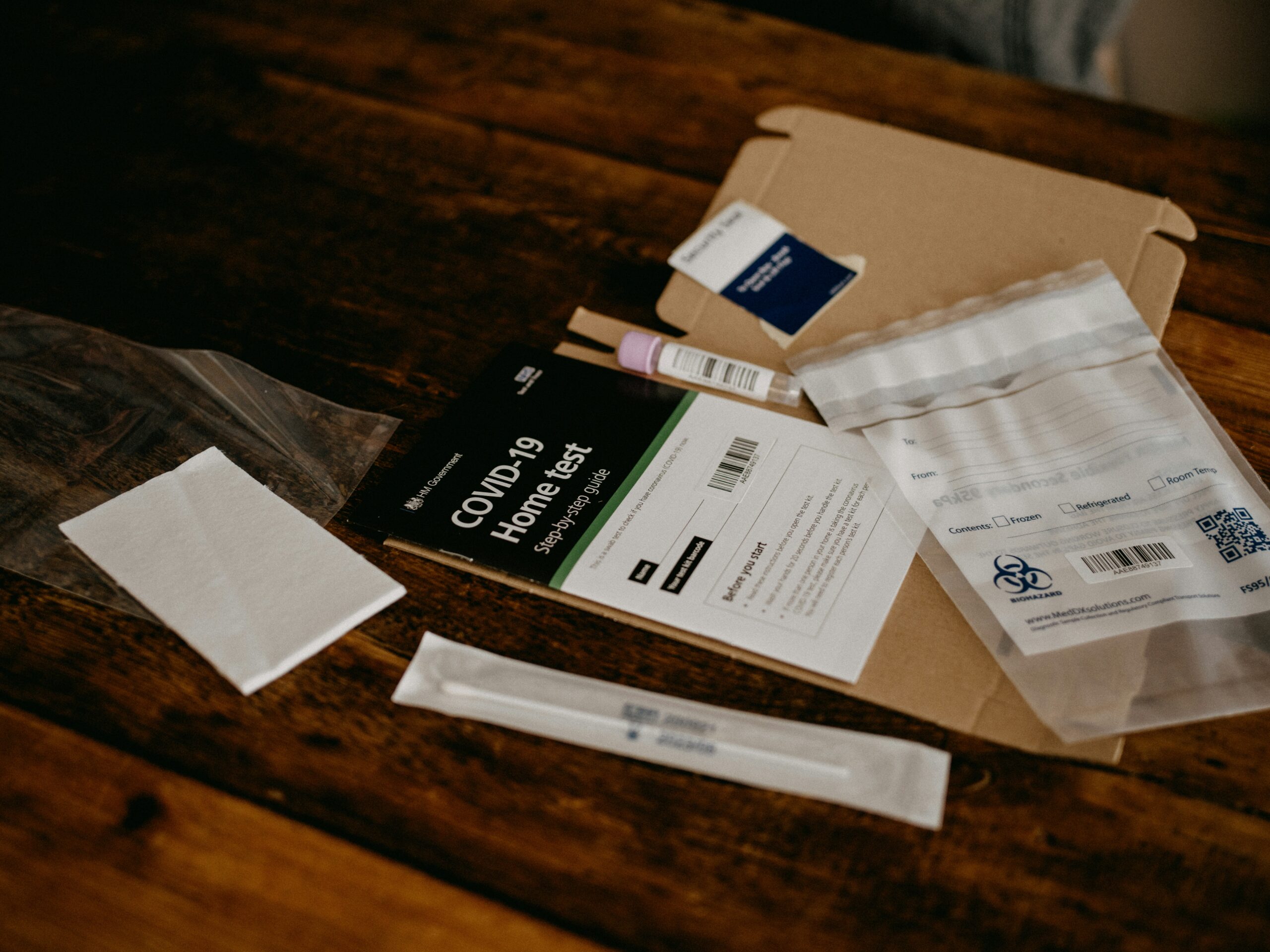
You’re curious about your roots, perhaps a whisper of Native American heritage passed down through family stories or a lingering sense of connection to the land. The advent of direct-to-consumer DNA testing seemed like the definitive answer, a quick and easy way to confirm that ancestral claim. You might have even taken the plunge, spitting into a tube and sending it off, eagerly awaiting results that would illuminate your ethnic makeup. But what if those results come back and don’t show what you expected? What if the percentages attributed to Native American ancestry are zero, or disappointingly low? This is a common and often perplexing experience, leading many to wonder: can DNA tests actually miss Native American ancestry? The short answer is a resounding yes, and understanding why requires delving into the complexities of DNA, population genetics, and the very nature of these testing services.
The Science Behind the Scan
When you submit your DNA for analysis, it’s not a magical mirror reflecting your entire lineage. Instead, the testing companies compare your genetic material to vast databases of reference populations. These reference populations are groups of people who have provided DNA samples and are believed to represent the typical genetic makeup of a particular geographic region or ethnic group. The algorithms then identify segments of your DNA that most closely match these reference profiles and assign percentages based on this matching. It’s a sophisticated process, but it’s fundamentally based on probability and the available data.
How DNA Testing Works at a Basic Level
At its core, DNA testing for ancestry relies on analyzing specific markers within your genome. These markers, often called SNPs (Single Nucleotide Polymorphisms), are single points in your DNA sequence where individuals commonly differ. Think of them as unique genetic signatures. Testing companies have identified millions of these SNPs and have collected data from individuals worldwide. When you take a test, your DNA is scanned for these SNPs. The company then compares your SNP profile to the profiles of its reference populations. If a significant number of your SNPs align with the typical SNP pattern of, for example, a specific Native American tribe’s reference population, you’ll be assigned a percentage of ancestry from that group. The more matches you have in common with a reference population, the higher the percentage of ancestry assigned. It’s like a very detailed, scientifically advanced form of fingerprint analysis, but instead of comparing fingerprints, you’re comparing genetic markers.
The Role of Reference Populations
The accuracy and specificity of your ancestry results are heavily dependent on the quality and diversity of the reference populations used by the testing company. Imagine trying to identify a specific type of bird in a forest if you only had pictures of robins and sparrows. You might be able to identify those, but you’d miss everything else. Similarly, if a DNA testing company’s reference database lacks sufficient representation from particular Native American groups, it will struggle to accurately identify ancestry from those groups.
The creation of these reference populations is a complex undertaking. It involves recruiting individuals who can demonstrably prove their lineage from specific ethnic groups or geographic regions. This often requires extensive genealogical research and sometimes even genetic studies of long-established communities. The more comprehensive and diverse these reference sets are, the more granular and accurate the ethnicity estimations can be. For Native American ancestry, this is particularly challenging due to the vast diversity of Indigenous peoples across North America, their complex migration patterns, and the historical impact of colonization and forced assimilation, which may have disrupted traditional community structures and record-keeping.
DNA testing has become a popular method for individuals seeking to uncover their ancestral roots, including Native American heritage. However, there are significant limitations to these tests that can lead to missed connections to Native American ancestry. Factors such as the complexity of genetic markers and the historical context of Native American populations can result in incomplete or inaccurate representations of one’s heritage. For a deeper understanding of how lost innovations and ancient technologies have impacted our understanding of ancestry, you can read more in this related article: Apocalyptic Ancient Tech: Catastrophic Effects of Lost Innovations.
The Hurdles for Native American Ancestry

Pinpointing Native American ancestry presents unique challenges that can lead to missed detections. These challenges stem from historical factors, the nature of Indigenous genetic diversity, and the limitations of current DNA testing technology and databases.
Historical Erasure and Genetic Fragmentation
The history of colonization in North America has had a profound and devastating impact on Indigenous populations. Policies of assimilation, forced relocation, and the establishment of residential schools aimed to eradicate Native American cultures and identities. This historical trauma has led to significant fragmentation of communities, disruption of oral traditions, and the loss of detailed genealogical records for many individuals and families. For people whose ancestors may have been forced to conceal their identities or whose family lines were severed due to these historical events, tracing direct ancestral links can be incredibly difficult through traditional genealogical methods, and by extension, through DNA.
Moreover, the concept of “Native American” itself is a broad generalization. North America is home to hundreds of distinct Indigenous nations, each with its own unique language, culture, traditions, and genetic makeup. These groups are not monolithic. Their genetic variations can be as significant as the differences between European ethnic groups. If a DNA testing company’s reference panel for Native American ancestry is primarily based on a few prominent tribes, it might overlook genetic markers that are more characteristic of other, less represented, Indigenous nations. This can lead to a situation where someone has Native American ancestry, but their specific genetic markers don’t strongly align with the limited reference groups available.
Genetic Drift and Small Population Effects
Many Indigenous communities, particularly before widespread European contact, were relatively isolated, leading to unique genetic patterns. This isolation can result in genetic drift, where certain gene variants become more or less common within a population purely by chance. In smaller, isolated populations, these effects can be more pronounced. This means that the genetic markers prevalent in one Native American group might be less common in another, even geographically proximate, group.
When DNA testing companies build their reference populations, they aim for representative samples. However, obtaining comprehensive genetic samples from every single Indigenous nation, especially those that are small, remote, or have historically resisted external contact, is a monumental task. If a person’s Native American ancestry comes from a group that is not well-represented in the reference database, their DNA might not show a strong match, even if the ancestry is present. This is akin to trying to identify a specific wildflower in a meadow if your reference book only shows pictures of common daisies and buttercups. The rarer or more specialized flowers, though present, would be missed.
The “Muddle” of Broad Ancestry Categories
DNA testing companies often group large geographical regions or broad ethnic categories together. For instance, you might see a category like “Native American” or “Indigenous Americas.” While this is convenient for reporting, it can obscure the specific nuances of individual tribal ancestries. A percentage attributed to “Native American” could be a composite of markers from various Indigenous groups. If your specific ancestry lies within a group that is genetically distinct and not heavily represented in that broad category, your results might not reflect it.
Furthermore, historical mixing within Indigenous communities themselves, and later with other populations, can create a more complex genetic tapestry. Over centuries, intermarriage and migration have led to individuals carrying genetic contributions from multiple Indigenous groups, as well as from European, African, and other ancestries. This can dilute the signal from any single ancestral group, making it harder for algorithms to assign precise percentages, especially for ancestries that are present in smaller proportions.
When DNA Doesn’t Tell the Whole Story

It’s crucial to understand that DNA testing is a tool, not an infallible oracle. There are inherent limitations to what it can reveal, especially when it comes to tracing ancestral lines that have been impacted by historical suppression or cultural assimilation.
The Limitations of SNP Analysis
As mentioned earlier, DNA tests primarily rely on analyzing SNPs. While millions of SNPs are examined, these are just specific points in your DNA. They don’t capture the entirety of your genetic heritage. Think of it like trying to understand a whole book by reading only a few key sentences from each chapter. You might get the gist, but you’ll miss a lot of the detail and nuance.
For Native American ancestry, this is particularly relevant because the genetic markers that define specific Indigenous groups are not always captured by the common SNP sets used in consumer DNA tests. Some genetic variations might be specific to certain tribes and might not be included in the SNP panels. Additionally, the algorithms that interpret these SNP patterns are constantly being refined, and what might be missed today could be detected with future updates. The science is evolving, but it’s a gradual process.
The 23andMe and AncestryDNA Difference (and Similarities)
Different DNA testing companies employ different methodologies and maintain different reference databases. AncestryDNA, for example, boasts a larger reference database than 23andMe, which can sometimes lead to more granular results. However, both companies, like others in the market, face the same fundamental challenges in accurately identifying Native American ancestry. Their algorithms are proprietary, and the exact composition of their reference populations is not publicly disclosed in full detail.
If you’ve tested with one company and didn’t find the Native American ancestry you expected, it might be worth considering testing with another company that uses a different set of reference populations and algorithms. Sometimes, a different approach can yield different insights. However, it’s important to manage expectations; even with different platforms, the underlying limitations persist. The goal is not necessarily to find a company that will find it, but rather to understand that different companies might have different strengths and weaknesses in their reference data.
The Importance of Genealogy and Family History
DNA results should not be viewed in isolation. They are most powerful when combined with traditional genealogical research. If your family has strong oral traditions or documented evidence of Native American heritage, and your DNA test doesn’t reflect this, it’s a cue to investigate further. Perhaps your ancestors are from a specific, less-represented tribe. Perhaps the historical circumstances led to a genetic contribution that is now diluted to a point where it’s not easily detected by current SNP analysis.
Genealogical research can involve exploring birth, marriage, and death certificates, census records, tribal rolls, land deeds, and historical correspondence. These documents can provide crucial evidence that complements or even contradicts DNA findings. If you find historical records or family stories that strongly suggest Native American ancestry, and your DNA test doesn’t align, it might be a sign that your ancestry is from a group not well-represented in the testing company’s database, or that the genetic markers are not detectable by the current technology.
Beyond the Percentage: What Does “Native American” Even Mean?
The very concept of “Native American” is a complex and evolving one, shaped by history, politics, and self-identification. DNA testing, by its nature, simplifies this complexity into quantifiable percentages. This can lead to misunderstandings and a disconnect between genetic findings and lived identity.
The Spectrum of Identity and Self-Identification
For many people, Native American identity is not solely defined by genetics but is a matter of cultural connection, community belonging, and self-identification. Individuals may be raised within Native American communities, participate in cultural traditions, and be recognized by tribal members as belonging, even if their DNA results don’t show a significant percentage of Native American ancestry. This is a crucial point: genetic markers are not the sole determinant of identity.
Conversely, someone might have a detectable percentage of Native American ancestry according to a DNA test but may not identify as Native American due to a lack of cultural connection or lived experience. The impact of historical assimilation policies has created a situation where some individuals may have Native American genetic heritage but have been raised in entirely different cultural contexts. The DNA test can reveal a biological truth, but it doesn’t dictate cultural or personal identity.
The Politics of Tribal Enrollment
Tribal enrollment is a formal process by which individuals are recognized as citizens of a specific Native American nation. This often involves meeting specific blood quantum requirements (a measure of how much of one’s ancestry is Native American, often based on a fraction) or lineal descent criteria, which are determined by individual tribes. DNA test results are generally not accepted as proof of tribal enrollment. Tribal governments have their own established criteria for membership, which are rooted in their own histories, laws, and traditions.
Therefore, even if a DNA test suggests Native American ancestry, it doesn’t automatically qualify you for tribal membership or benefits. The percentages provided by consumer DNA tests are estimations based on broad reference populations, not the precise, legally defined criteria used by sovereign tribal nations. This disconnect is important to understand if your goal is tribal recognition.
The Influence of Admixture and Dilution
Over centuries, there has been significant admixture between Native American populations and other groups, particularly Europeans and Africans. This is a natural consequence of historical interactions, colonization, and intermarriage. As a result, many individuals with Native American ancestry may have a smaller proportion of those specific genetic markers due to this dilution.
For instance, if your great-great-grandmother was fully Native American, and all other ancestors in your recent family tree were European, your DNA might show a smaller percentage of Native American ancestry. The further back in your ancestry that Native American lineage lies, the more diluted it becomes. Current DNA testing technology is generally adept at detecting ancestry that is present in roughly 1-5% of your genome, but this can vary. If your Native American ancestry is less than this detectable threshold, it might not appear in your results.
DNA testing has become a popular method for individuals seeking to uncover their ancestral roots, but it can sometimes miss Native American ancestry due to various factors such as the limited representation of Indigenous populations in genetic databases. For a deeper understanding of this issue, you can explore a related article that discusses the complexities and limitations of DNA testing in revealing Native American heritage. This insightful piece can be found here, providing valuable information for those interested in the nuances of genetic ancestry.
Moving Forward: What to Do If You Suspect Missed Ancestry
| Factor | Description | Impact on Native American Ancestry Detection |
|---|---|---|
| Reference Database Size | Number of Native American DNA samples in the testing company’s database | Smaller databases may miss or underrepresent Native American ancestry |
| Genetic Markers Used | Specific SNPs or markers tested to identify Native American heritage | Limited or non-specific markers can reduce detection accuracy |
| Admixture Levels | Degree of mixed ancestry in an individual’s DNA | High admixture can dilute Native American signals, making detection harder |
| Generational Distance | Number of generations since Native American ancestor | More distant ancestors contribute less DNA, increasing chance of missed detection |
| Testing Technology | Type of DNA test (e.g., autosomal, Y-DNA, mtDNA) | Autosomal tests may miss distant Native American ancestry compared to haplogroup tests |
| Ethnic Overlap | Genetic similarities between Native American and other populations | Overlap can cause misclassification or missed Native American ancestry |
If your DNA test didn’t reveal the Native American ancestry you expected, but you have strong reasons to believe it exists, don’t despair. There are several avenues you can explore.
Consider Other Testing Companies
As previously mentioned, different companies utilize different reference populations and algorithms. If you’ve only tested with one service, it might be beneficial to try another. AncestryDNA, 23andMe, MyHeritage DNA, and Family Tree DNA are some of the major players. Each has its own strengths and weaknesses regarding the diversity and scope of its reference databases. Transferring your raw DNA data to other platforms for analysis can also be an option, allowing you to see how different algorithms interpret your genetic information without needing to re-test.
Delve Deeper into Genealogical Research
This is arguably the most important step. Focus on building a detailed family tree, going back as many generations as possible. Look for clues in old family documents, talk to older relatives about family stories and traditions, and research historical records that might shed light on your ancestors’ origins and movements. Pay close attention to any mention of specific Native American tribes, locations, or customs. Sometimes, an ancestor might be recorded with a surname that was adopted to conceal their Indigenous identity, or their origins might be vaguely described as “Indian territory.” These clues, combined with genealogical research, can be invaluable.
Explore Tribal Resources and Historical Archives
If your genealogical research points towards a specific tribe or region, investigate the resources offered by that tribe. Many tribes have historical societies, archives, and enrollment offices that may be able to provide information or guidance. Additionally, historical archives, libraries, and specialized genealogical societies often have records pertaining to Native American history and individuals. Be prepared for the fact that accessing some of these records might require persistence and navigating bureaucratic processes.
Understand the Nuances of “Admixture” Reports
Some DNA testing companies provide “admixture” reports that break down your ancestry into broad continental or regional categories. While these are not as precise as tribe-specific reports, they can sometimes reveal broader patterns of ancestral origins. If you see a trace of Indigenous American ancestry in such a report, even if it’s not broken down further, it might corroborate other findings or suggest a direction for further research. Remember that these are estimations, and small percentages can sometimes be attributed to noise or less precise matches.
The journey of discovering your ancestry is often a winding one, filled with revelations and sometimes with unanswered questions. While DNA tests are powerful tools, they are not the only ones. By combining genetic insights with diligent genealogical research and an understanding of the historical context, you can paint a more complete and accurate picture of your family’s past, even if that picture is more nuanced than a simple percentage. Your ancestral story is rich and complex, and sometimes it takes a combination of science, history, and personal exploration to fully uncover it.