
Camp Century, nestled deep within the frigid expanse of Greenland, stands as a testament to human ingenuity and perseverance in one of the planet’s most unforgiving environments. This Cold War-era research base, established in 1959, was more than just a military outpost; it was a pioneering endeavor in subsurface construction and a critical hub for scientific discovery. Yet, the very conditions that made it a unique subject of study also presented formidable engineering challenges, pushing the boundaries of what was thought possible in such an extreme setting. The ambitious undertaking of building and sustaining a functional base beneath a mile of ice demanded innovative solutions to problems that were often unprecedented.
The most fundamental engineering challenge at Camp Century revolved around its very foundation: ice. Unlike conventional construction that relies on stable ground, Camp Century was built within the Greenland ice sheet, a dynamic and ever-shifting mass. This unique situation demanded a completely different approach to structural engineering.
Subsurface Excavation and Support
The initial phase of creating Camp Century involved excavating a vast network of tunnels and chambers directly into the ice. This process itself was a monumental undertaking. Heavy-duty tunneling machines, designed for rock and soil, had to be adapted to cut through dense, compacted ice. The sheer volume of ice removed was enormous, requiring efficient methods for its disposal or repurposing.
Snow as a Construction Material
Remarkably, the excavated ice and compacted snow were not simply discarded. Engineers recognized the potential of snow as a viable construction material. Through compaction and controlled melting and refreezing, a strong and stable material could be created, forming the walls and ceilings of the subsurface facilities. This innovative use of in-situ materials was crucial for minimizing the need to transport heavy construction supplies to such a remote location.
Maintaining Tunnel Stability
The ice sheet is not static. It flows under its own immense weight, a slow but relentless deformation. Engineers had to design the subsurface structures to withstand these forces. This involved a delicate balance between allowing for some natural movement and preventing catastrophic collapse. The concept of “cut and cover” was employed, where the ice was excavated, and then the structures were built within the cavity, with the ice then allowed to partially reclaim the space above. This technique aimed to distribute the load and harness the surrounding ice for support.
The Role of Ice Creep
Ice, while appearing solid, exhibits a phenomenon known as “ice creep.” This is a slow, plastic deformation that occurs over time due to pressure. The immense weight of the ice sheet above Camp Century exerted significant creep forces on the subsurface structures. Engineers had to account for this creep in their designs, ensuring that the supporting structures could accommodate gradual deformation without failing. This often involved using flexible joints and strategically placed expansion gaps.
The Dynamic Nature of the Ice Sheet
The Greenland ice sheet is not a monolithic block. It is a living, breathing entity subject to seasonal variations, glacial flow, and the constant pressure from its own accumulation. Building and maintaining a structure within this dynamic environment presented a perpetual engineering battle.
Glacial Flow and its Impact on Infrastructure
The ice sheet moves, albeit slowly. This glacial flow exerts significant shear and compressive forces on any structures embedded within it. Camp Century’s tunnels and modules had to be designed to withstand these lateral and vertical pressures. The base was not a fixed point but rather a structure slowly being displaced along with the ice. This meant that even seemingly stable infrastructure could be subject to stresses over time.
Snow Accumulation and “Snow Load”
Beyond the inherent properties of ice, the sheer volume of snow that accumulated annually on the surface presented another significant challenge. This snow, compacted over time, exerted immense “snow load” on the ice sheet, contributing to the overall pressure on the subsurface structures. Engineers had to consider the weight of this accumulated snow when designing the depth and support mechanisms for the base.
Camp Century in Greenland, a former U.S. military base established during the Cold War, presents a unique case study in engineering challenges related to extreme environments and climate change. The site, which was designed to be a nuclear-powered facility, has faced numerous issues over the years, including structural integrity and environmental impact due to melting ice. For a deeper understanding of how topography influences engineering solutions in challenging landscapes, you can explore the article on navigating conflict and the role of topography at this link: Navigating Conflict: Topography’s Role.
The Arctic Environment: Extreme Temperatures and Logistics
The extreme cold of the Arctic is a defining characteristic of Greenland and a constant adversary for any engineering endeavor. The sub-zero temperatures, the prolonged darkness of winter, and the challenges of transporting materials and personnel to such a remote location created a unique set of operational hurdles.
Temperature Extremes and Material Performance
The average annual temperature at Camp Century was around -23°C (-9°F), with winter lows plummeting far below. These extreme temperatures have a profound impact on materials used in construction and operation.
Material Brittleness and Expansion/Contraction
Metals and plastics, common construction materials, become brittle at such low temperatures, increasing their susceptibility to fracture under stress. Conversely, materials expand and contract significantly with temperature fluctuations, requiring careful consideration of joint designs and the use of materials with low coefficients of thermal expansion. Engineers had to select and test materials specifically for their performance in these cryogenic conditions.
Insulation and Heat Loss
Maintaining a habitable internal temperature within the base was a constant battle against the external cold. Sophisticated insulation systems were required to minimize heat loss from the heated modules. This involved advanced insulation materials and techniques to create a thermal barrier between the internal environment and the frigid ice. The energy required to heat the base was substantial, presenting its own logistical and operational challenges.
Logistical Nightmares: Access and Supply Chains
Reaching Camp Century and supplying it with the necessary resources was a logistical undertaking of immense complexity. The vast distances, the harsh weather, and the lack of permanent infrastructure made transportation a critical and often perilous undertaking.
Air Transport Reliance
Due to the inaccessibility of the location by land or sea for much of the year, Camp Century relied heavily on air transport for personnel and critical supplies. This meant that aircraft, often specialized for cold-weather operations, were essential for survival. The operational window for airlifts was often dictated by weather conditions, leading to potential delays and shortages.
The Challenge of Heavy Equipment
Transporting heavy construction equipment, specialized machinery, and large prefabricated modules across the ice sheet was a significant challenge. Specialized tracked vehicles and innovative techniques were developed to move these essential components. The risk of equipment failure in the extreme cold added another layer of complexity to these operations.
Maintaining a Continuous Supply Chain
Ensuring a continuous supply of fuel, food, spare parts, and scientific equipment was paramount. This required meticulous planning and robust supply chain management. Any disruption, whether due to weather, equipment failure, or geopolitical events, could have severe consequences for the base’s operations and the safety of its inhabitants.
Powering the Base: Energy Generation in an Isolated Environment

Providing a reliable and consistent power supply for Camp Century was a fundamental engineering challenge. Operating sophisticated scientific equipment, maintaining internal heating and lighting, and supporting life-sustaining systems required a robust energy infrastructure in an environment where traditional power sources were unavailable.
Diesel Generators as the Primary Source
The primary source of power for Camp Century was a fleet of diesel generators. These generators were housed in specially constructed, insulated modules to protect them from the elements and to minimize noise pollution within the base.
Fuel Storage and Transportation
The sheer volume of diesel fuel required to keep the generators running continuously was immense. The storage of this fuel in extreme cold conditions presented its own set of challenges, including preventing freezing and managing potential leaks. Transporting this fuel to the remote site was a critical logistical operation.
Generator Maintenance and Reliability
The constant operation of diesel generators in such harsh conditions placed a significant strain on the machinery. Regular maintenance and the availability of spare parts were crucial for ensuring reliability. Any breakdown of a generator could have dire consequences for the base’s operations.
The Quest for Alternative Energy Sources
While diesel generators were the workhorse, engineers and scientists at Camp Century also explored and, to some extent, implemented alternative energy sources.
Wind Power Potential
Greenland’s strong winds offered the potential for wind energy generation. Wind turbines were installed to supplement the diesel generators, particularly during periods of high wind. However, the harsh Arctic environment, including icing and extreme wind speeds, posed significant challenges for the design and maintenance of these turbines.
Solar Power Limitations
The extended periods of darkness during the Arctic winter severely limited the practicality of solar power as a primary energy source. While solar panels might have been used for specific, low-power applications during the summer months, they were not a viable solution for the base’s overall energy needs.
Water Management: The Paradox of a Frozen World

The irony of a base built on ice facing challenges with water management might seem counterintuitive. However, securing a consistent supply of potable water and managing waste in such a unique environment presented its own complex engineering problems.
Sourcing Potable Water
While surrounded by ice, obtaining potable water required specific processes. The ice had to be melted, and then purified to remove any impurities.
Ice Melting and Purification Systems
Specialized melting systems were employed to convert ice into liquid water. This water then underwent rigorous purification processes, including filtration and sterilization, to ensure it was safe for consumption. The energy required for melting and purification was a significant consideration.
The Threat of Contamination
Maintaining the purity of the water supply was a constant concern. Any contamination within the melting or distribution systems could have serious health implications for the base’s inhabitants. Engineers had to design and maintain closed-loop systems to minimize this risk.
Waste Management and Disposal
The disposal of wastewater and solid waste in an environmentally sensitive Arctic region posed a significant engineering and ethical challenge.
Wastewater Treatment and Recycling
Camp Century employed sophisticated wastewater treatment systems to minimize the environmental impact of discharges. Some systems likely incorporated recycling of greywater for non-potable uses. The challenge was to ensure these systems operated effectively in sub-zero temperatures.
Solid Waste Management Strategies
Solid waste had to be collected, compacted, and stored for eventual removal or disposal. The logistics of transporting this waste out of Greenland were complex and costly. Preventing the accumulation of waste and minimizing its environmental footprint were key considerations.
Camp Century in Greenland has long been a focal point for discussions about engineering challenges in extreme environments, particularly regarding its infrastructure and the impact of climate change. As researchers continue to study the implications of melting ice on the site, it is essential to understand the broader context of Greenland’s climate history. For a deeper insight into how ice cores are helping to uncover this history, you can read more in the article about it here. This connection between engineering and environmental science highlights the importance of interdisciplinary approaches in addressing the complex issues faced at Camp Century.
The Legacy of Camp Century: Lessons for Future Arctic Engineering
| Engineering Problems | Metrics |
|---|---|
| Melting ice due to climate change | Rising temperatures causing structural instability |
| Infrastructure deterioration | Corrosion of buildings and tunnels |
| Waste disposal challenges | Difficulty in managing waste in the melting environment |
| Energy supply issues | Challenges in maintaining power generation in changing conditions |
Camp Century, though decommissioned, left an indelible mark on the field of Arctic engineering. The challenges overcome and the innovations developed provided invaluable lessons for future endeavors in extreme environments. The base served as a proving ground for technologies and construction techniques that would later inform projects in Antarctica and other polar regions.
Pushing the Boundaries of Subsurface Construction
The success of Camp Century in establishing a functional subsurface habitat demonstrated the feasibility of building within ice. This opened up new possibilities for research stations, resource exploration, and even future habitation in icy environments. The understanding gained about ice mechanics and structural support in such conditions remains relevant.
Innovations in Logistics and Extreme Environment Operations
The logistical hurdles faced at Camp Century spurred innovation in transportation, supply chain management, and equipment design for polar operations. The lessons learned about operating in extreme cold, managing power generation in remote locations, and ensuring personnel safety continue to guide modern Arctic expeditions.
Environmental Considerations in the Arctic
The waste management challenges at Camp Century highlighted the critical importance of environmental stewardship in fragile Arctic ecosystems. The development of advanced treatment and disposal methods, even if nascent, contributed to the growing understanding of how to minimize human impact in polar regions.
The Human Factor in Extreme Engineering
Beyond the technical challenges, Camp Century underscored the importance of the human factor in extreme engineering. The psychological and physiological demands on the personnel living and working in isolation in a harsh environment were significant. This experience provided insights into designing facilities and support systems that prioritized human well-being and operational effectiveness. Camp Century, a bold experiment in the heart of the ice, stands as a testament to human ingenuity and the enduring pursuit of knowledge, even in the face of the planet’s most formidable challenges.
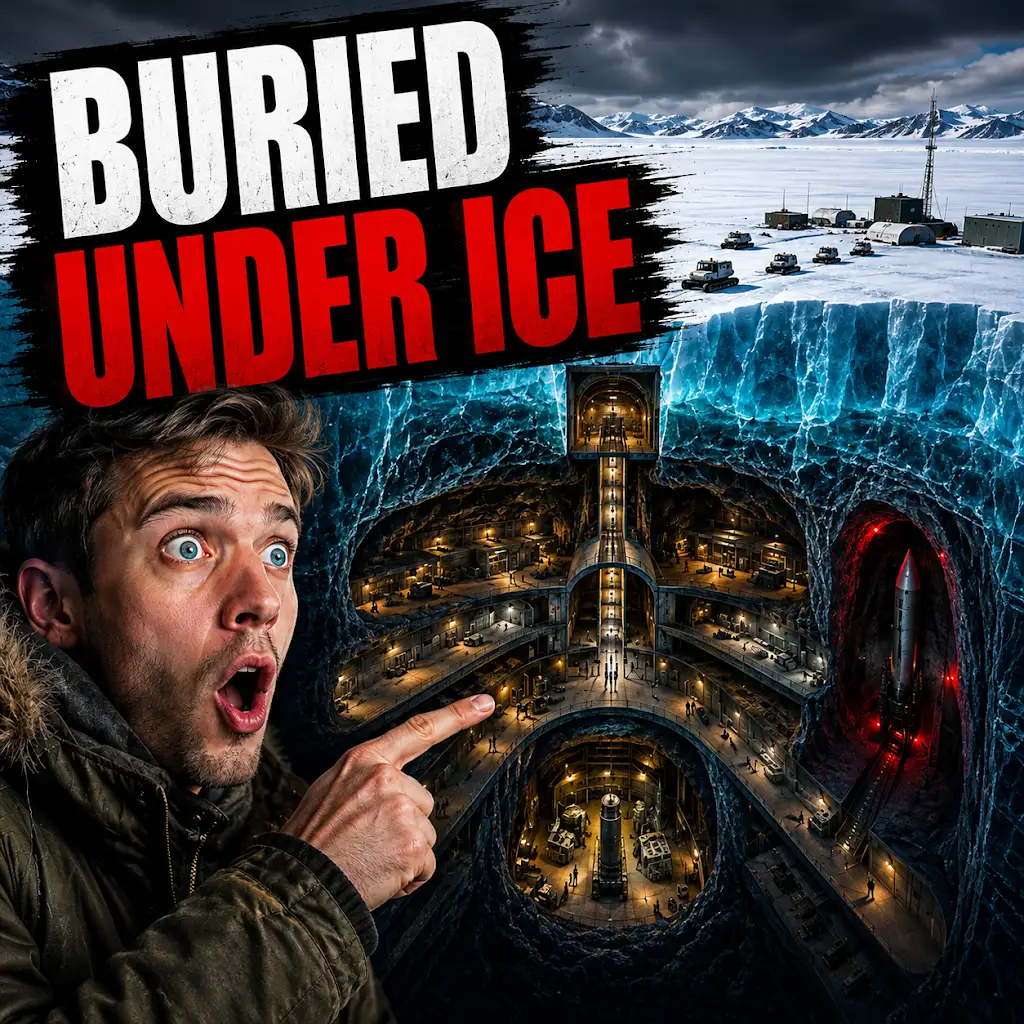
The U.S. Built a Nuclear City Under Greenland. The Ice Won.
FAQs
What were the engineering problems at Camp Century Greenland?
The engineering problems at Camp Century Greenland included issues with the stability of the ice and snow, as well as difficulties with maintaining the structural integrity of the underground tunnels and buildings due to shifting ice and snow.
How did the engineering problems impact the camp?
The engineering problems at Camp Century Greenland led to the eventual abandonment of the camp. The shifting ice and snow caused structural damage to the underground tunnels and buildings, making the camp unsafe for continued use.
What were the long-term implications of the engineering problems at Camp Century Greenland?
The engineering problems at Camp Century Greenland raised concerns about the long-term stability of Arctic infrastructure due to climate change. The eventual abandonment of the camp also raised questions about the environmental impact of leaving behind the infrastructure and any potential contaminants.
What lessons were learned from the engineering problems at Camp Century Greenland?
The engineering problems at Camp Century Greenland highlighted the importance of considering the long-term environmental impact and stability of infrastructure in polar regions. It also emphasized the need for ongoing monitoring and maintenance of Arctic infrastructure in the face of changing environmental conditions.
What are the current efforts to address the engineering challenges in polar regions?
Current efforts to address the engineering challenges in polar regions include research and development of new construction techniques and materials that can withstand the unique environmental conditions. There is also a focus on developing sustainable and environmentally friendly infrastructure solutions for polar regions.