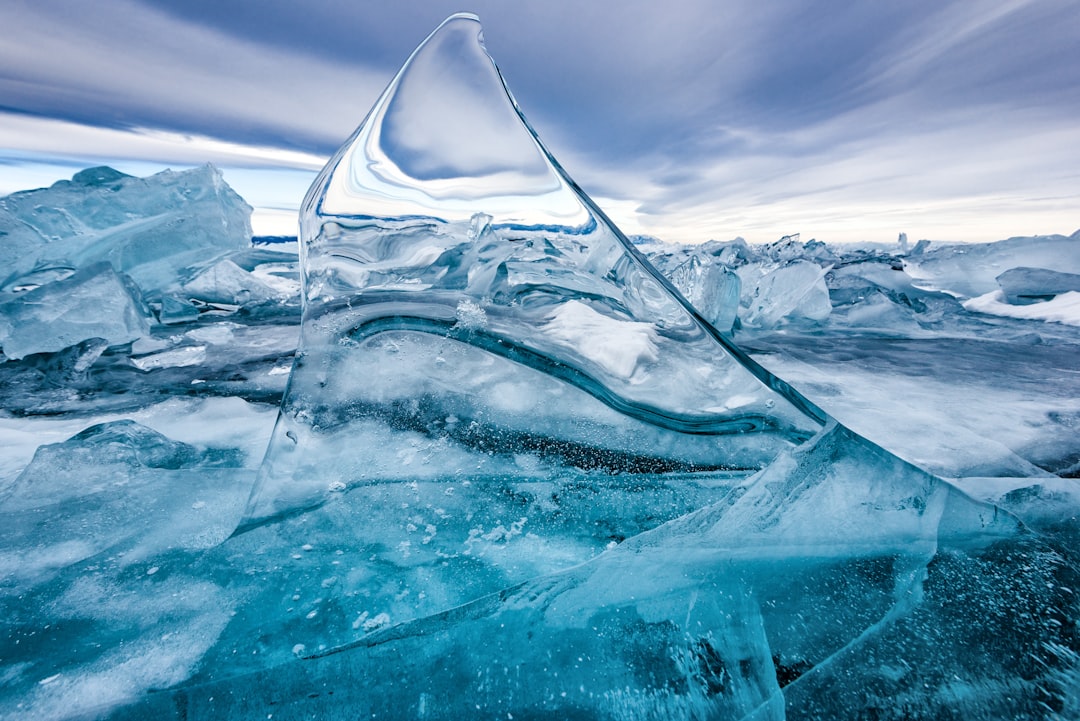
The cosmos, a vast canvas of celestial bodies, often presents spectacles that defy imagination. Among these, worlds sculpted by ice hold a particular allure, their cryogenic artistry hinting at processes as profound as they are beautiful. This is the story of a planet transformed, a world where ice not only exists but has become the architect of its very being, a testament to the profound influence of frigid temperatures on planetary evolution.
The birth of any planet is a dramatic affair, a cosmic ballet of dust and gas coalescing under the inexorable pull of gravity. For this particular world, however, the early stages were painted with an even colder palette. Its position within its nascent solar system, far from the life-giving warmth of its star, was the primary determinant of its icy destiny. This stellar distance meant that the primordial disc, the birthplace of planets, was significantly cooler in its outer reaches.
The Frost Line’s Embrace
The concept of the “frost line” is crucial to understanding the formation of this icy world. Beyond this invisible boundary, volatile compounds like water, ammonia, and methane could condense from gaseous states into solid ice grains. These icy particles, forming the building blocks of the nascent planet, were abundant in this colder region.
Dust Meets Ice: The Initial Accretion
In the frigid expanse beyond the frost line, the clumping of dust particles took on a new character. Instead of the sticky, amorphous dust bunnies of warmer regions, here, dust grains were coated in frozen volatiles. These icy coatings acted as a cement, binding particles together more effectively and at a faster rate. This led to the rapid growth of larger aggregates, the “planetesimals,” which were the seeds of future planets.
The Dominance of Ices
Unlike terrestrial planets, which are primarily composed of rocky and metallic materials, this world’s initial composition was heavily dominated by these frozen volatiles. Water ice, in particular, would have been the most abundant component, forming a substantial portion of its primitive mass. This inherent richness in ice would fundamentally shape its subsequent evolution.
Gravitational Stirrings and Orbital Dance
As planetesimals grew, their gravitational influence began to disrupt the surrounding material. Collisions became more frequent, and these impacts played a critical role in shaping the growing planet.
From Planetesimals to Protoplanet
The accumulation of many smaller planetesimals through gravitational attraction and collision is the standard model for planetary formation. For this world, the high density of icy planetesimals in its orbital path allowed for a remarkably efficient growth process. The greater abundance of icy material translated into a larger total mass for the nascent protoplanet.
The Shepherd’s Influence: Stellar Gravity’s Role
The gravitational pull of the central star was paramount, dictating the orbital path of the protoplanet. Its distance from the star, a key factor in establishing the frigid conditions, also influenced the rate of accretion and the eventual size and density of the developing planet. The star’s gentle yet persistent tug kept the developing world in its designated cosmic dance.
The fascinating concept of planets shaped by ice can be further explored in the related article that delves into the rich history and mythology of the Elder Scrolls universe. This piece uncovers the intricate lore surrounding Tamriel, offering insights into how the environment and celestial phenomena influence the world. For a deeper understanding of these themes, you can read the article here: The Lore of the Elder Scrolls.
The Age of Cryovolcanism and Ice Sculpting
Once formed, the planet was not static. Internal geological processes, though operating at vastly different temperatures than those on rocky planets, would begin to sculpt its surface. The immense quantities of ice trapped within its interior provided the fuel for a unique brand of geological activity: cryovolcanism.
A Molten Heart, of Sorts
While the surface of this world might be unimaginably cold, its interior could harbor reservoirs of liquid or semi-liquid material. The decay of radioactive isotopes, a common source of internal heat in planetary bodies, would have played a role, along with residual heat from its formation. Crucially, the presence of dissolved salts and other impurities within the ice could lower its melting point, creating pockets of liquid water or briny mixtures even at extremely low temperatures.
Cryovolcanic Plumes: Eruptions of Ice and Gas
When pressures built up within these subsurface reservoirs, they could erupt onto the surface. These were not the fiery infernos of terrestrial volcanoes but rather spectacular geysers and plumes of icy material, water vapor, and trapped gases like methane and ammonia. These cryovolcanic events began the process of actively shaping the planet’s surface.
Painting the Landscape: Deposition and Erosion
The ejected material, frozen upon contact with the near-vacuum and frigid atmosphere, would then be deposited, creating vast plains or intricate cone structures. Conversely, the outgassing associated with these eruptions could contribute to the formation of an atmosphere, albeit a thin and exotic one. The constant deposition and sublimation of volatile compounds began to lay down the initial layers of the planet’s icy crust.
The Great Sculptor: Glacial Flow
With its surface composed primarily of ice, the planet was ripe for the transformative power of glaciers. Over vast timescales, these slow-moving rivers of ice would become the primary architects of its landscape.
Rivers of Ice: The Formation of Glaciers
The accumulation of snow and ice on its higher elevations, coupled with the gravitational pull of the planet, would initiate the formation of glaciers. These immense ice sheets, once formed, would begin to flow, driven by their own weight and the planet’s topography.
Carving Valleys and Fjords: The Power of Abrasion
As glaciers moved, they acted like colossal sandpaper. The embedded rocks and debris within the ice would grind against the underlying bedrock, carving out deep valleys, U-shaped canyons, and dramatic fjords. The sheer erosive power of these icy flows could reshape entire continents.
Cirques and Moraines: The Marks of Glacial Retreat
The very formation and eventual retreat of glaciers leave indelible marks. Bowl-shaped depressions, known as cirques, are carved out at the head of glaciers. As glaciers recede, they deposit the accumulated debris, forming characteristic ridges called moraines, testament to the extent of past ice coverage.
The Unveiling of a Subsurface Ocean
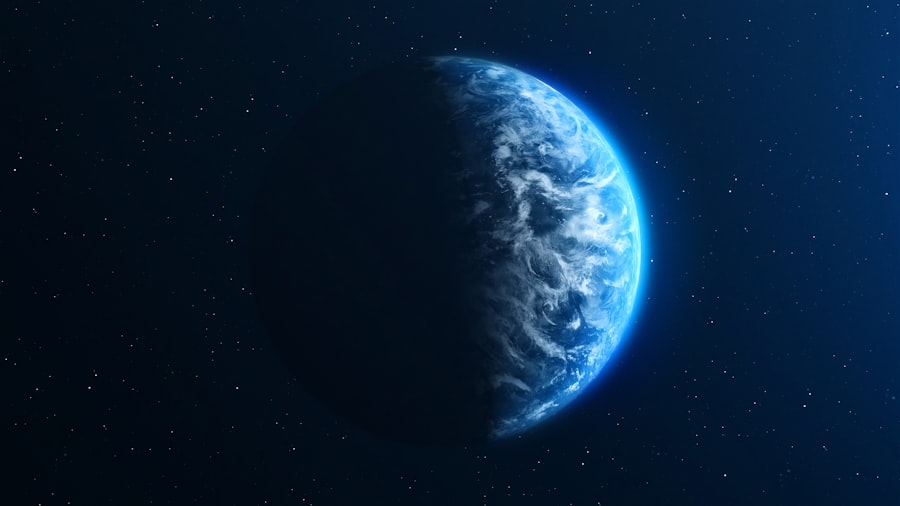
Perhaps the most profound transformation this icy world would undergo was the development of a vast, internal ocean. While its surface remained a frozen expanse, the pressure and internal heat present deeper within the planet created conditions suitable for liquid water.
The Hydrothermal Vents: Life’s Potential Incubators
Beneath kilometers of ice, heat radiating from the planet’s core or generated by tidal forces from its host star or a large moon could warm the water. At the seafloor, hydrothermal vents, similar to those found on Earth’s oceans, could spew mineral-rich, superheated water into the frigid abyss.
A Chemosynthetic Ecosystem: The Basis for Life
These hydrothermal vents, even in the absence of sunlight, could support unique ecosystems. Microorganisms, deriving energy from chemical reactions rather than photosynthesis, would form the base of a food web. This concept dramatically expands the potential for life beyond the Sun-drenched surface.
The Role of Tidal Heating
If the planet possesses a massive moon or orbits a star in a way that creates significant tidal forces, this constant stretching and squeezing of the planet’s interior could generate substantial heat. This tidal heating is a powerful mechanism for maintaining the liquid state of subsurface oceans, even in the farthest reaches of a solar system.
Shielded from the Cosmos: A Haven for Life
The thick layer of ice separating the subsurface ocean from the harsh vacuum of space provides a natural shield against cosmic radiation and solar flares. This protection, coupled with the potential for abundant chemical energy, makes the subsurface ocean a surprisingly stable and potentially habitable environment.
The Mystery of the Water-Ice Interface
The exact nature of the boundary between the liquid ocean and the overlying ice shell is a subject of intense scientific interest. Understanding how heat and chemicals transfer across this interface is crucial for comprehending the dynamics of the ocean and the potential for geological activity within it.
Pressure and Salinity: Controlling the Ocean’s State
The immense pressures at depth would prevent the water from freezing, even at the low temperatures found there. Furthermore, the dissolved salts and minerals would lower the freezing point of the water, creating a briny ocean that could remain in a liquid state over eons.
The Dynamic Atmosphere: A Cold Breath
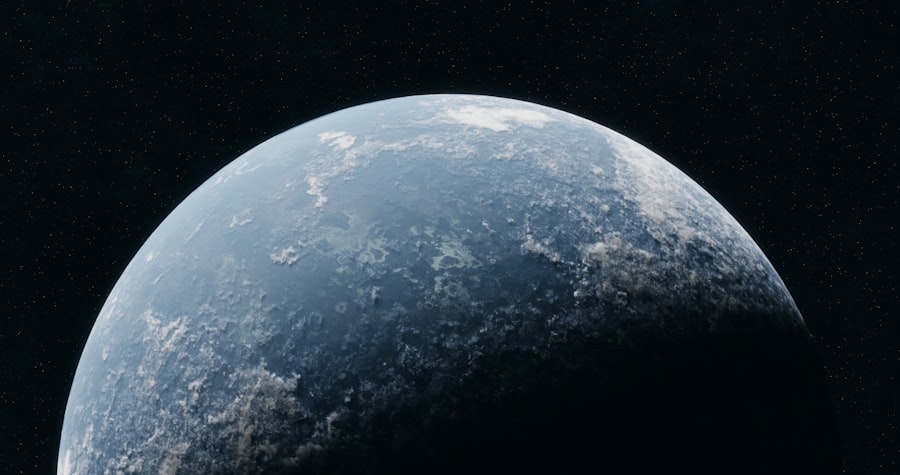
While often perceived as a barren, icy expanse, this world might not be entirely devoid of an atmosphere. The processes of cryovolcanism and sublimation would contribute to the presence of a tenuous gaseous envelope.
Sublimation and Outgassing: Supplying the Atmosphere
The continuous process of ice turning directly into gas (sublimation) and the release of trapped gases from volcanic activity are the primary sources of this world’s atmosphere. Even at extremely low temperatures, some volatile compounds will escape into the surrounding space.
Composition: A Chilly Brew
The composition of this atmosphere would be dictated by the available volatile ices. Methane, nitrogen, and noble gases are likely candidates, with water vapor potentially present in trace amounts depending on localized temperature variations near cryovolcanic sites.
The Role of Atmospheric Pressure
The atmospheric pressure on such a world would be significantly lower than Earth’s. This thin atmosphere would offer little protection from radiation and would lead to very different meteorological phenomena compared to our planet.
Weathering on an Icy Scale: Wind and Frost
Even a thin atmosphere can drive weather patterns, albeit extreme ones. Winds, driven by temperature gradients and rotational forces, would pick up and transport fine icy particles, leading to frost formation and ice deposition in new locations.
Frost Events: Delicate Sculptures
In areas where sublimation is more prevalent, atmospheric moisture could condense directly onto colder surfaces, forming intricate frost patterns. These delicate, ephemeral sculptures, though short-lived, add another layer to the planet’s icy artistry.
The Influence of Topography
The planet’s varied topography, sculpted by glaciers and cryovolcanism, would significantly influence wind patterns and the distribution of frost and snow. Valleys could act as channels for wind, while mountain ranges could create rain shadows of ice.
The fascinating concept of planets shaped by ice has been a subject of interest for scientists and astronomers alike, as it reveals the intricate processes that govern celestial bodies in our solar system. For those looking to explore the implications of space commercialization on our understanding of such phenomena, a related article discusses the potential risks involved in this venture. You can read more about it in the article found here. This exploration not only highlights the beauty of icy planets but also raises important questions about the future of space exploration.
The Enduring Legacy of Transformation
| Planet | Distance from Sun (million km) | Surface Temperature (°C) | Atmosphere |
|---|---|---|---|
| Pluto | 5906 | -229 | Thin atmosphere of nitrogen, methane, and carbon monoxide |
| Europa | 778 | -160 | Thin atmosphere of oxygen |
| Enceladus | 238 | -198 | Thin atmosphere of water vapor |
The story of this icy world is one of profound and ongoing transformation. From its fiery birth in the frigid outer reaches of a solar system to the relentless sculpting by ice and the potential for hidden oceans, it stands as a testament to the diverse and wondrous ways planets can evolve.
The Beauty of Extremes: A Unique Aesthetic
The landscapes of such a world would possess a stark, alien beauty. Vast, smooth plains of frozen methane, towering ice volcanoes, and deep, glacier-carved valleys would create a panorama unlike anything found on Earth. The play of light on these icy surfaces, under the distant, faint glow of a star, would be a spectacle of ethereal wonder.
The Colors of Ice: A Subtle Palette
The colors of this world would likely be muted, dominated by shades of white, blue, and perhaps the subtle hues of frozen gases. However, the interaction of light with different ice crystal structures and trapped impurities could create surprising displays of iridescence and subtle color shifts.
The Silence of the Cosmos: An Auditory Void
The thin atmosphere would mean an almost complete absence of sound. The immense geological forces at play, the crashing of ice sheets, and the outgassing of cryovolcanoes would occur in a profound, almost unnerving silence, perceived only through the vibrations transmitted through the planet’s crust.
The Search for Life: A Cosmic Enigma
The potential for life in the subsurface oceans of icy worlds has ignited a new wave of astrobiological interest. The discovery of such a world, with evidence of liquid water and chemical energy sources, would be a monumental step in our quest to understand whether life is a unique Earthly phenomenon or a common occurrence in the universe.
Exploring the Unknown: Robotic Missions
Future robotic missions, equipped with advanced ice-penetrating radar and drilling capabilities, could one day explore these subsurface oceans. The challenges are immense, but the potential reward – the discovery of extraterrestrial life – makes the endeavor profoundly worthwhile.
The Philosophical Implications: Our Place in the Universe
The existence of life on a world so fundamentally different from our own would force us to re-evaluate our understanding of life’s requirements and its ubiquity. It would suggest that life can arise and thrive in environments we once considered utterly inhospitable, expanding our perception of the cosmos and our place within it.
This planet, sculpted by ice, is more than just a celestial body; it is a grand narrative written in frozen script, a testament to the power of nature’s coldest touch to forge worlds of unparalleled beauty and profound scientific intrigue. Its transformation is a continuous, awe-inspiring process, a whispered secret of the cosmos waiting to be fully understood.

The Boulder That Shouldn’t Exist
FAQs
What is the “Planet Shaped by Ice” article about?
The “Planet Shaped by Ice” article discusses the impact of ice on the formation and shaping of planets, including Earth and other celestial bodies.
How does ice shape planets?
Ice plays a significant role in shaping planets through processes such as glacial erosion, ice volcanism, and the formation of ice caps and glaciers. These processes can carve out landscapes, create unique geological features, and influence the planet’s climate and atmosphere.
What are some examples of planets shaped by ice?
Some examples of planets shaped by ice include Earth, where glaciers have carved out valleys and fjords, as well as other celestial bodies such as Mars, where evidence of past ice caps and glaciers has been observed. Additionally, moons like Europa and Enceladus have icy surfaces and subsurface oceans, which have been shaped by ice-related processes.
How does ice impact the climate of a planet?
Ice can impact a planet’s climate by reflecting sunlight, which can contribute to cooling the planet. Additionally, the presence of ice caps and glaciers can affect the distribution of water and influence the planet’s overall climate and weather patterns.
What are the implications of understanding how ice shapes planets?
Understanding how ice shapes planets can provide insights into the geological history and evolution of celestial bodies, as well as the potential for habitability and the presence of water. This knowledge can also inform our understanding of climate change and the potential for ice-related processes on other planets and moons.