
China’s fishing industry stands as a colossus on the global stage, its scale and output unparalleled. From the bustling docks of coastal cities to the far-flung stretches of the open ocean, the pursuit of aquatic bounty is deeply ingrained in the nation’s economic and cultural fabric. This vast enterprise, however, is not without its complexities. Understanding China’s growing fishing industry requires a dissection of the immense opportunities it presents, alongside the formidable challenges that threaten its long-term sustainability and global standing. This article aims to provide a factual examination of this critical sector, navigating its trends, impacts, and future trajectory.
China’s dominance in the fishing industry is undeniable. Over the past few decades, it has transformed from a nation primarily focused on subsistence fishing to a global superpower in both capture fisheries and aquaculture. The sheer volume of seafood produced is staggering, significantly influencing global supply chains and food security.
Historical Evolution of Chinese Fisheries
The roots of China’s fishing tradition stretch back millennia. Historically, fishing was a localized and largely artisanal activity, primarily serving domestic consumption. The advent of industrial fishing and the embrace of market economics in the late 20th century marked a turning point. State investment, technological advancements, and increasing global demand fueled a rapid expansion. This growth, however, was often at the expense of environmental considerations, a factor that continues to cast a long shadow.
Current Production Statistics and Global Market Share
China is consistently ranked as the world’s largest producer of fish and fishery products. Its total catch, encompassing both wild capture and aquaculture, dwarfs that of any other nation. The country’s aquaculture sector, in particular, is a marvel of scale, accounting for a significant majority of global farmed fish production. This dominance translates to a substantial share of the global seafood market, influencing prices and availability worldwide. For consumers and importing nations, China’s output acts as a critical bedrock for their seafood consumption.
Dominance in Aquaculture: The Dragon’s Pearl
Aquaculture, the farming of aquatic organisms, has been the engine of China’s fishing industry growth, particularly in recent decades. The country has leveraged its extensive coastlines, river systems, and technological expertise to cultivate a wide array of species, from freshwater fish like tilapia and carp to marine species like shrimp and shellfish.
Key Species Cultivated and Production Methods
The diversity of species farmed in China is vast, catering to both domestic tastes and international markets. Tilapia, carp, and crucian carp represent significant freshwater aquaculture outputs, forming staples of the Chinese diet. In marine aquaculture, shrimp, scallops, oysters, and various finfish species are cultivated on an industrial scale. Production methods vary, ranging from extensive pond systems to intensive recirculating aquaculture systems (RAS), each with its own set of environmental and economic implications.
Contributions to Global Seafood Supply
China’s aquaculture output has fundamentally altered the global seafood landscape. It has helped meet the growing demand for seafood worldwide, particularly as wild fish stocks face increasing pressure. For many nations, Chinese aquaculture products are a primary source of affordable protein. This dependency, however, also creates vulnerabilities related to food safety, quality control, and the potential for disease outbreaks to spread globally.
The Reach of China’s Distant Water Fishing Fleet
Beyond its domestic waters, China operates one of the world’s largest and most far-reaching distant water fishing (DWF) fleets. These vessels venture into international waters, fishing in areas that span the Atlantic, Pacific, and Indian Oceans. This expansion has propelled China into a position of significant influence in global fisheries management and has also drawn considerable scrutiny.
Geographic Distribution of Chinese Fishing Activities
Chinese fishing vessels operate in virtually every major ocean basin. Their presence spans from the rich fishing grounds off West Africa to the remote waters of the South Pacific, and even into the Arctic. This global footprint underscores the ambition and logistical capabilities of the Chinese fishing fleet. The sheer breadth of their operations means that decisions made within China’s fishing industry can ripple across continents.
Economic and Strategic Implications of DWF
The economic benefits of DWF are substantial for China, providing access to valuable fish stocks that would otherwise be unavailable. Strategically, a strong DWF capability enhances China’s maritime presence and can be intertwined with broader geopolitical objectives. However, it also raises concerns about overfishing, illegal, unreported, and unregulated (IUU) fishing, and potential conflicts with other fishing nations.
China’s extensive fishing practices have raised significant concerns regarding overfishing and environmental sustainability. For a deeper understanding of the implications of these activities, you can read a related article that discusses the impact of China’s fishing industry on global marine ecosystems. This article provides insights into the challenges faced by international waters and the measures being taken to address these issues. To explore this topic further, visit the article here: China’s Fishing Practices and Their Global Impact.
Opportunities Blooming in the Vast Aquatic Landscape
The sheer scale of China’s fishing industry presents a myriad of opportunities, not only for the nation itself but also for the global economy. These opportunities are driven by burgeoning demand, technological innovation, and the potential for sustainable development.
Meeting Global Food Security Demands
As the world population continues to grow, the demand for protein sources, particularly affordable and readily available ones, will only intensify. China’s fishing industry, with its massive production capacity, is strategically positioned to play a crucial role in meeting these escalating food security needs.
The Rising Tide of Global Seafood Consumption
Globally, seafood consumption per capita has been on an upward trajectory for years, driven by health consciousness and population growth. China’s ability to supply a significant portion of this demand is critical for preventing widespread food shortages and ensuring nutritional security in many developing nations.
China’s Role in Supplying Developing Nations
For many developing countries, China’s seafood exports represent a vital and often affordable source of protein. This supply chain is essential for livelihoods and dietary well-being in regions where domestic food production may be insufficient. The accessibility of Chinese seafood can be a lifeline for vulnerable populations.
Technological Advancements and Innovation
China is not merely a producer; it is also becoming a hub for innovation within the fishing sector. Investment in research and development, coupled with a pragmatic approach to adopting new technologies, is driving efficiency and opening new avenues for growth.
Advancements in Aquaculture Technologies
From advanced breeding programs to sophisticated water quality management systems and automated feeding technologies, Chinese aquaculture is witnessing rapid technological evolution. These innovations are crucial for increasing yields, reducing resource inputs, and improving the health and welfare of farmed aquatic species.
Developments in Fishing Gear and Vessel Efficiency
In the realm of capture fisheries, China is investing in more selective fishing gear designed to minimize bycatch and reduce environmental impact. Furthermore, improvements in vessel design and propulsion systems are enhancing fuel efficiency and extending the operational range of its fishing fleet, albeit with ongoing environmental considerations.
Economic Growth and Employment Generation
The fishing industry is a significant economic engine for China, generating substantial revenue and providing employment for millions of people. This sector underpins coastal communities and contributes to rural development, acting as a vital artery in the nation’s economic bloodstream.
Contribution to National GDP and Trade Balances
The value of China’s aquatic product exports is considerable, contributing positively to national GDP and strengthening its balance of trade. This economic clout reinforces the industry’s importance in the country’s overall economic strategy.
Employment Opportunities in Coastal and Inland Regions
From fishermen and aquaculture farmers to processors, distributors, and researchers, the fishing sector provides diverse employment opportunities. This is particularly critical for coastal communities where alternative employment options may be limited, acting as a social safety net and a source of stability.
Navigating the Treacherous Waters of Challenges
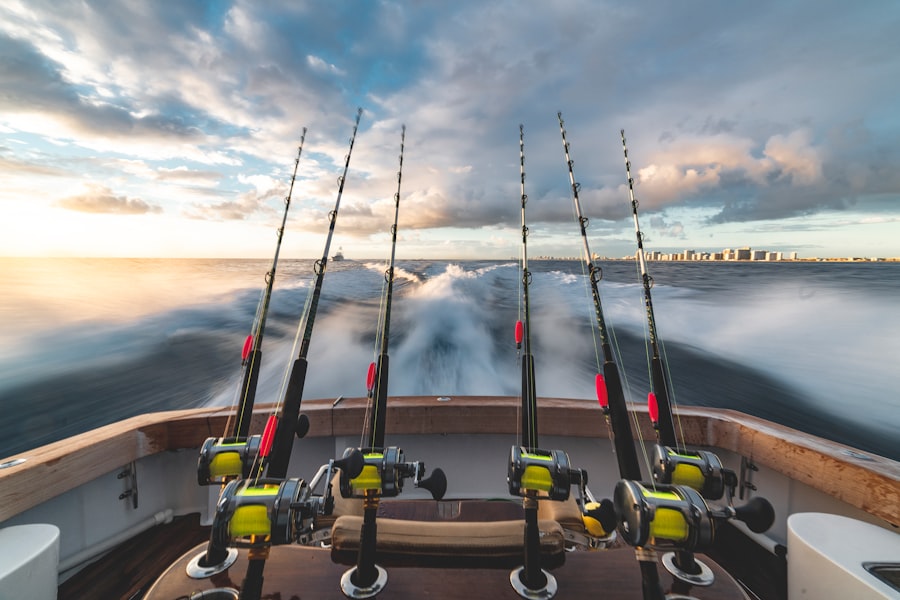
Despite the immense opportunities, China’s fishing industry grapples with a complex web of challenges that threaten its sustainability and global reputation. These obstacles are multifaceted, demanding careful management and a commitment to long-term solutions.
Overfishing and Depletion of Wild Fish Stocks
The most significant threat to capture fisheries globally is overexploitation, and China’s rapid expansion has not been immune to this peril. The relentless pursuit of high quotas has led to the depletion of numerous fish populations, creating ecological imbalances and jeopardizing the future of the industry.
The Impact of Overfishing on Marine Ecosystems
When fish populations are harvested faster than they can reproduce, the entire marine ecosystem suffers. Predator-prey relationships are disrupted, biodiversity declines, and the resilience of the oceans to other stressors, such as climate change and pollution, is diminished. This is akin to draining a well without allowing it to refill; eventually, there will be nothing left.
The Need for Sustainable Quotas and Management
Implementing and enforcing stricter fishing quotas is paramount. This requires robust scientific data, transparent management practices, and effective enforcement mechanisms to ensure that fishing activities are conducted at sustainable levels. The challenge lies in balancing economic imperatives with ecological realities.
Illegal, Unreported, and Unregulated (IUU) Fishing
China has been identified by various international bodies as a significant contributor to IUU fishing activities. These practices, which operate outside legal frameworks, undermine conservation efforts, distort markets, and pose a serious threat to the livelihoods of law-abiding fishers.
Methods and Scale of IUU Fishing Operations
IUU fishing encompasses a range of illicit activities, including fishing without a license, misreporting catch volumes, using prohibited gear, and transshipping fish at sea to avoid detection. The sheer scale of some of these operations makes them incredibly difficult to monitor and control, often operating in the shadows like a phantom fleet.
International Efforts to Combat IUU Fishing
Combating IUU fishing requires robust international cooperation. This includes port state measures, traceability systems, and information sharing among nations to disrupt illegal supply chains and hold perpetrators accountable. China’s role in either exacerbating or rectifying this problem is crucial.
Environmental Degradation and Pollution
The unchecked expansion of the fishing industry, particularly aquaculture, has often resulted in significant environmental degradation. Pollution from aquaculture operations, habitat destruction, and the use of harmful chemicals can have devastating consequences for marine and freshwater ecosystems.
Impacts of Aquaculture Runoff and Waste
Large-scale aquaculture operations can generate substantial amounts of organic waste and excess nutrients, leading to eutrophication of surrounding waters. This can cause algal blooms, oxygen depletion, and harm to wild fish populations and other aquatic life. The cumulative effect can transform pristine waters into toxic environments.
The Threat of Habitat Destruction and Biodiversity Loss
The expansion of aquaculture often requires the clearing of coastal habitats such as mangroves and seagrass beds, which are vital nurseries for marine life and provide crucial ecosystem services. This habitat destruction leads to a loss of biodiversity and diminishes the natural resilience of coastal areas.
Food Safety and Quality Control Concerns
While China’s aquaculture sector is a powerhouse, ensuring consistent food safety and quality across such a vast and diverse industry remains a significant challenge. Contamination from pollutants, disease outbreaks, and the misuse of veterinary drugs can pose risks to consumers.
Maintaining Standards in a High-Volume Industry
The sheer volume of production makes rigorous and consistent quality control a monumental task. Implementing and enforcing stringent testing protocols, adhering to international standards, and improving traceability throughout the supply chain are critical to building consumer confidence.
The Global Implications of Food Safety Incidents
Any food safety incidents stemming from Chinese seafood can have far-reaching global implications, damaging international trade relationships and impacting consumer trust worldwide. This highlights the interconnectedness of the global food system.
Geopolitical Tensions and International Relations
China’s expanding fishing footprint, particularly its DWF activities, has increasingly become a source of geopolitical tension. Disputes over fishing rights, accusations of aggressive maritime behavior, and concerns about the sustainability of Chinese fishing practices contribute to complex international relations.
Disputes Over Fishing Rights in Contested Waters
As Chinese fishing vessels venture further afield, they can find themselves in areas with overlapping maritime claims or where other nations have established fishing rights. These situations can escalate into diplomatic disputes and even confrontations.
The Role of Fishing in Maritime Disputes
In some regions, fishing fleets can act as extensions of state power, blurring the lines between commercial activity and strategic presence. This can exacerbate existing maritime disputes and create new points of friction between nations.
Charting a Course Towards Sustainable Practices

The future of China’s fishing industry hinges on its ability to transition towards more sustainable practices. This necessitates a significant shift in policy, investment, and operational methods, moving from a focus on quantity to one of quality and long-term ecological health.
Rethinking Aquaculture: Towards Greener Methods
The aquaculture sector, despite its challenges, holds immense potential for sustainable growth. Embracing innovative, environmentally friendly approaches is crucial for mitigating its negative impacts.
Implementing Recirculating Aquaculture Systems (RAS)
RAS technologies offer a promising avenue for reducing water usage, minimizing waste discharge, and controlling environmental conditions. Investing in and scaling up these systems can lead to more efficient and ecologically sound aquaculture.
Promoting Integrated Multi-Trophic Aquaculture (IMTA)
IMTA involves cultivating multiple species that benefit each other, such as raising shellfish alongside finfish. This symbiotic approach helps recycle nutrients and reduce the environmental footprint of aquaculture operations.
Strengthening Fisheries Management and Enforcement
Effective fisheries management and rigorous enforcement are the bedrock of sustainable capture fisheries. This requires a commitment to scientific principles and a robust regulatory framework.
Enhancing Monitoring and Surveillance of DWF Fleets
Improving the monitoring and surveillance of China’s DWF fleet is essential to detect and deter IUU fishing. This includes leveraging advanced tracking technologies and fostering greater transparency in fishing operations.
Investing in Scientific Research and Data Collection
Accurate scientific data on fish stocks and ecosystem health is vital for setting appropriate quotas and implementing effective management strategies. Increased investment in research and data collection is a prerequisite for informed decision-making.
Fostering International Cooperation and Transparency
Addressing the global challenges posed by China’s fishing industry requires collaboration and transparency on the international stage. Working with other nations is key to achieving shared goals.
Participating in Regional Fisheries Management Organizations (RFMOs)
Active and constructive participation in RFMOs is essential for the effective management of shared fish stocks. This involves adhering to their guidelines and contributing to collaborative conservation efforts.
Promoting Traceability and Supply Chain Transparency
Establishing robust traceability systems throughout the seafood supply chain can help combat IUU fishing, ensure food safety, and build consumer trust. This requires collaboration between governments, industry, and international organizations.
Consumer Demand for Sustainable Seafood
Ultimately, consumer choices can be a powerful driver of change. An increasing awareness of sustainability issues is shaping purchasing decisions, creating market pressure for more responsible fishing and farming practices.
Educating Consumers on Sustainable Seafood Choices
Educating consumers about the importance of choosing sustainably sourced seafood empowers them to make informed decisions that support responsible practices and penalize unsustainable ones.
The Growing Market for Certified Sustainable Seafood
The growth of markets for certified sustainable seafood, such as those bearing MSC or ASC labels, signals a shift towards greater accountability. Businesses that embrace these certifications can tap into a growing consumer base and enhance their brand reputation.
China’s extensive fishing practices have raised concerns about overfishing and environmental sustainability in international waters. Recent discussions highlight the impact of these activities on marine ecosystems and the livelihoods of local fishermen in various regions. For a deeper understanding of the implications of China’s fishing policies, you can read a related article that explores these issues in detail. This informative piece sheds light on the challenges faced by global fisheries and the need for cooperative management strategies. To learn more, visit this article.
The Interconnected Web of Global Impact
| Metric | Value | Year | Notes |
|---|---|---|---|
| Total Fish Production | 65 million tonnes | 2022 | Includes marine and inland fisheries |
| Marine Capture Fisheries | 15 million tonnes | 2022 | Wild catch from oceans |
| Aquaculture Production | 50 million tonnes | 2022 | Fish farming and cultivation |
| Fishing Fleet Size | Approximately 200,000 vessels | 2022 | Includes small and large scale vessels |
| Employment in Fisheries | Over 10 million people | 2022 | Includes fishing and aquaculture workers |
| Major Export Destinations | USA, Japan, EU | 2022 | Top markets for seafood exports |
China’s fishing industry is not an isolated entity; it is intricately woven into the fabric of the global economy and environment. Its practices, successes, and failures reverberate far beyond its national borders.
The Ripple Effects on Global Fish Markets
As the world’s largest producer and exporter, China’s production levels and pricing strategies have a profound impact on global fish markets. Fluctuations in its output or changes in its trade policies can significantly influence the availability and affordability of seafood worldwide.
Price Volatility and Supply Chain Dependability
Dependence on a single, dominant supplier can lead to price volatility and concerns about supply chain dependability. Disruptions in China’s fishing operations, whether due to environmental factors, policy changes, or international disputes, can create significant ripples through global food systems.
Competition and Fairness in International Trade
The scale and efficiency of China’s fishing industry can create competitive challenges for smaller fishing nations. Ensuring fair competition and addressing concerns about subsidies or other trade-distorting practices are ongoing issues in international trade negotiations.
Environmental Stewardship: A Shared Responsibility
The health of the world’s oceans is a shared responsibility, and China’s role in environmental stewardship within its fishing industry is critical. The choices made today will shape the marine environment for generations to come.
The Global Commons and Ocean Health
Overfishing, pollution, and habitat destruction in Chinese waters or by Chinese fleets in international waters directly impact global ocean health. The interconnectedness of marine ecosystems means that problems in one region can quickly spread and affect others. This is like a single damaged thread unraveling a much larger tapestry.
The Imperative of Ecosystem-Based Management
Adopting an ecosystem-based management approach, which considers the interconnectedness of all components of the marine environment, is crucial for long-term sustainability. This moves beyond managing individual species and focuses on the health of the entire ecosystem.
The Future of Seafood: A Collaborative Endeavor
The future of seafood security and sustainability is a collaborative endeavor. The challenges are too vast, and the potential benefits too significant, for any single nation to navigate alone.
The Need for Global Governance and Regulation
Strengthening global governance structures for fisheries management and combating IUU fishing is essential. This requires increased cooperation, stronger international agreements, and effective enforcement mechanisms.
Innovation and Partnership for a Sustainable Future
Investing in research, fostering innovation, and promoting partnerships between governments, industry, scientists, and civil society organizations are vital for developing and implementing sustainable solutions. The path forward requires shared vision and collective action.
In conclusion, China’s fishing industry is a monumental force, presenting a landscape of both immense opportunity and significant challenge. Its ability to harness its vast resources responsibly, embrace sustainable practices, and engage collaboratively with the international community will determine not only its own future but also the health and abundance of the world’s oceans for generations to come. The journey ahead demands a delicate balance, navigating the currents of economic ambition with the imperative of ecological preservation.
FAQs
What are the main types of fishing practiced in China?
China engages in various types of fishing, including marine fishing, freshwater fishing, and aquaculture. Marine fishing involves catching fish and other seafood from the ocean, while freshwater fishing targets species in rivers, lakes, and reservoirs. Aquaculture, or fish farming, is also a significant part of China’s fishing industry.
How important is fishing to China’s economy?
Fishing is a vital sector in China’s economy, providing employment to millions and contributing significantly to food security. China is the world’s largest producer and consumer of fish and seafood, with both wild capture fisheries and aquaculture playing key roles in domestic consumption and exports.
What measures has China taken to manage and conserve its fisheries?
China has implemented various policies to promote sustainable fishing practices, including fishing quotas, seasonal bans, and marine protected areas. The government also encourages aquaculture development to reduce pressure on wild fish stocks and has increased efforts to combat illegal, unreported, and unregulated (IUU) fishing.
What are some challenges facing China’s fishing industry?
Challenges include overfishing, habitat degradation, pollution, and the impacts of climate change on marine ecosystems. Additionally, illegal fishing activities and international disputes over fishing rights have posed difficulties for sustainable management.
How does China’s fishing industry impact global seafood markets?
As the largest seafood producer, China significantly influences global seafood supply and prices. Its extensive aquaculture production helps meet global demand, but concerns about sustainability and product quality have led to increased scrutiny and regulations in international markets.