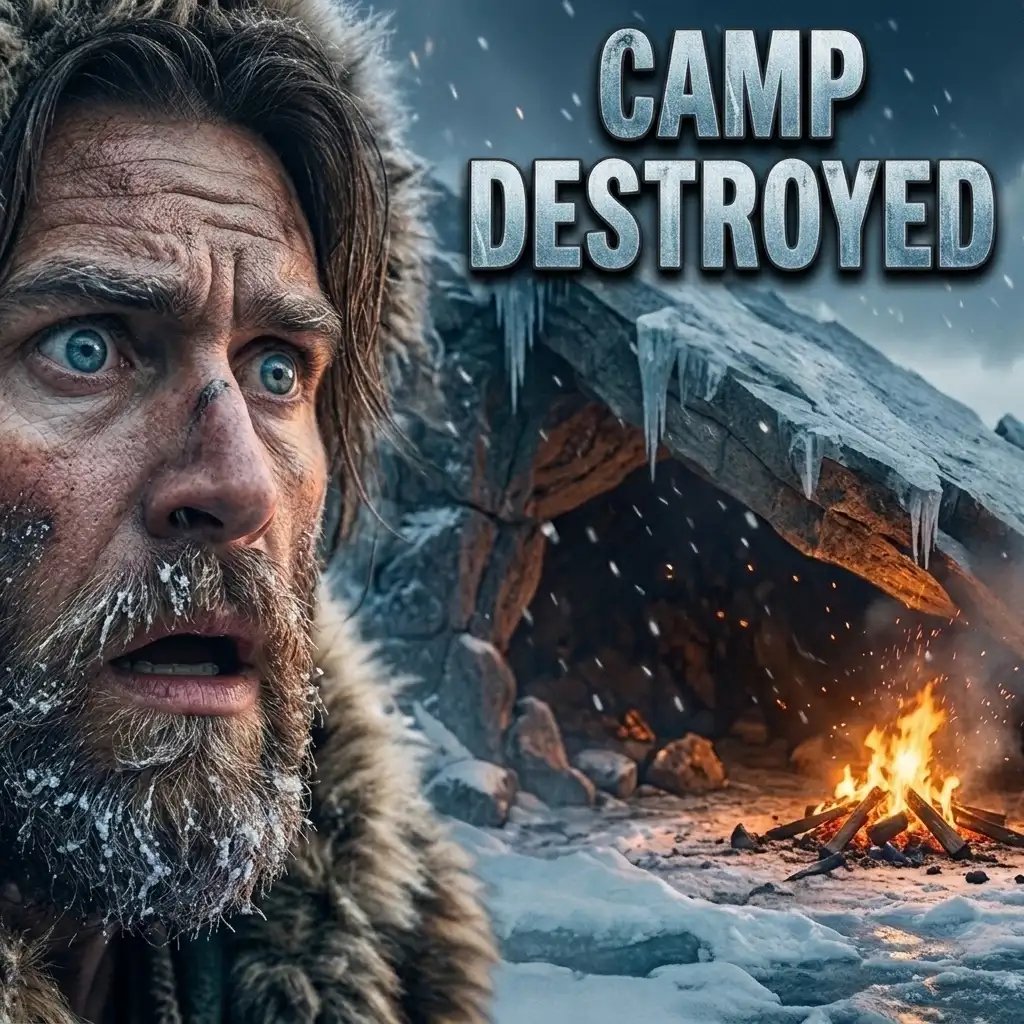
The flickering firelight cast dancing shadows on the rough-hewn cave walls, illuminating a scene both primal and deeply human. A group of individuals, clad in the thick pelts of animals, huddled together, their faces etched with the hardships and triumphs of a world long past. This is not a Hollywood depiction, but a meticulously crafted cinematic reconstruction, a window into the lives of Ice Age people that transcends mere academic speculation. Through the power of visual storytelling and cutting-edge scientific research, documentaries like “Life of Ice Age People Revealed” are breathing life into a prehistoric era, offering a tangible connection to our earliest ancestors.
Unveiling the Frozen Past: The Genesis of Ice Age Cinema
The very idea of reconstructing the Ice Age for a modern audience is a monumental undertaking. It requires a delicate balance of scientific accuracy and engaging narrative, a bridge between abstract archaeological findings and the lived experience of our ancient kin. This section explores the foundational elements that enable such cinematic endeavors, from the initial spark of inspiration to the collaborative efforts that bring these frozen worlds to life.
The Scientific Bedrock: Archaeology Meets the Big Screen
The genesis of any accurate historical reconstruction lies in the hard work of archaeologists and paleoanthropologists. Their decades of meticulous excavation, analysis of fossil remains, and interpretation of ancient tools and settlements provide the indispensable blueprint for cinematic representation. Without the careful unearthing of hominin skeletons, the identification of butchered animal bones, or the discovery of early cave art, there would be no foundation upon which to build. This scientific bedrock informs every aspect of the reconstruction, from the physical characteristics of the individuals depicted to the types of shelters they inhabited and the technologies they employed. Researchers meticulously study the skeletal structures to understand their stature, musculature, and even potential health conditions, providing a visual basis for the actors portraying these ancient humans. The analysis of discarded tools – stone axes, flint knives, bone needles – offers insights into their daily routines, their hunting strategies, and their burgeoning craftsmanship.
From Artefacts to Animation: The Visualisation Challenge
Translating these dry, often fragmented, archaeological findings into a compelling visual narrative presents a significant challenge. How does one portray the texture of a mammoth hide, the smell of woodsmoke, or the biting cold of a glacial wind? This is where the artistry of cinematic reconstruction truly shines. It involves a multi-disciplinary approach, bringing together not only scientists but also visual effects artists, costume designers, set builders, and cinematographers. The process often begins with detailed storyboards and concept art, visualizing the environments and the people who inhabited them. Researchers collaborate closely with animators and CGI specialists to recreate extinct fauna, such as woolly mammoths, sabre-toothed cats, and giant sloths, ensuring their anatomical accuracy and their behavior within the reconstructed landscapes. Costume designers, guided by the study of preserved textiles or inferences from ancient art, craft garments that are both authentic and visually striking, conveying the warmth and practicality required for survival in harsh climates.
The Narrative Compass: Weaving Stories from Fragmented Evidence
Beyond the purely visual, the successful reconstruction demands a compelling narrative. The raw data from archaeology, while informative, does not inherently tell a story. It is the screenwriter and the director who must weave these threads of evidence into a coherent and engaging portrayal of daily life, social interactions, and the challenges faced by Ice Age communities. This involves making informed inferences about their beliefs, their communication methods, and their emotional lives, all while remaining grounded in scientific plausibility. For instance, the presence of cave paintings can be interpreted to suggest symbolic thought and artistic expression, leading to scenes depicting shamanistic rituals or storytelling sessions around the fire. The arrangement of tools or hearths can offer clues about social organization and family structures, informing the dynamics between characters. The narrative must balance the stark realities of survival – the constant struggle for food, the ever-present threat of predators, and the unforgiving climate – with moments of connection, resilience, and ingenuity.
Cinematic historical reconstructions of Ice Age people offer a fascinating glimpse into the lives of our ancient ancestors, blending artistry with archaeological research to create immersive narratives. For a deeper understanding of how technology and innovation shaped early human societies, you can explore the article titled “Uncovering Ancient Tech” on the Lore and Order website. This piece delves into the tools and techniques that Ice Age people may have used, providing context for their survival and adaptation in a challenging environment. To read more, visit Uncovering Ancient Tech.
The Fabric of Daily Life: Recreating the Mundane and the Miraculous

The true power of cinematic Ice Age reconstructions lies in their ability to illuminate the everyday existence of our ancestors. These are not tales of grand battles or epic quests, but intimate portrayals of survival, community, and the subtle rhythms of prehistoric life. This section delves into the specifics of how these documentaries reconstruct the tangible aspects of their world.
Sustenance and Survival: The Hunter-Gatherer’s Daily Grind
At the heart of Ice Age existence was the relentless pursuit of sustenance. The documentary reconstructions bring to life the arduous and often perilous tasks of hunting and gathering. Viewers witness the skilled tracking of game, the intricate strategies employed to bring down large prey like mammoths or bison, and the dangers inherent in such pursuits. This goes beyond simply showing a chase scene; it involves detailed depictions of the tools used for hunting – the spear-throwers, the sharpened stone points, the carefully crafted traps – and the immense physical exertion required. Equally important is the depiction of gathering. While often overshadowed by hunting in popular imagination, foraging for edible plants, roots, and berries formed a crucial part of the diet. Reconstructions showcase the knowledge of the natural world that these early humans possessed, their ability to identify medicinal herbs and recognize seasonal cycles, demonstrating a deep understanding of their environment. The preparation of food is also brought to the fore, from the flaying and butchering of carcasses to the primitive methods of cooking, often over open fires, revealing the ingenuity involved in transforming raw materials into sustenance.
Shelter and Hearth: The Sanctuary in the Wilderness
The harsh realities of the Ice Age necessitated effective shelter. Cinematic reconstructions vividly portray the diverse forms of dwellings that our ancestors utilized. This includes detailed depictions of nomadic life, where temporary shelters made of animal hides stretched over frames of bone or wood were erected and dismantled as communities moved with the seasons and the availability of resources. The iconic cave dwelling is also explored, showcasing how these natural formations were adapted and enhanced for comfort and protection. Viewers might see evidence of hearths built within caves, providing warmth and light, and the careful arrangement of sleeping areas. The construction of more permanent structures, where evidence exists, such as early huts built from mammoth bones and turf, is also brought to life, illustrating the developing architectural skills of these ancient peoples. The concept of the hearth as the social and emotional center of the dwelling is often emphasized, depicting families or small groups gathered around the fire, sharing food, stories, and the warmth that was essential for survival against the elements.
Tools and Technology: The Hands of Innovation
The development of tools and technology was a defining characteristic of human evolution, and Ice Age reconstructions highlight this crucial aspect of their lives. The documentaries often feature detailed demonstrations of how prehistoric tools were made, from the painstaking knapping of flint to create sharp blades and scrapers, to the crafting of bone needles for sewing hides and the creation of fishing hooks. These reconstructions go beyond simply showing the finished product; they illustrate the skill, patience, and knowledge required to produce these essential items. The evolution of these tools over time is also often subtly depicted, showcasing the gradual refinement of techniques and the development of more specialized implements for various tasks. This can include the emergence of the atlatl (spear-thrower), a significant technological advancement that greatly increased hunting efficiency, or the development of more sophisticated bone tools for carving and working materials. The visual emphasis on the hands of the artisans, carefully shaping and shaping the materials, underscores the human ingenuity and problem-solving that characterized this era.
The Social Tapestry: Community, Family, and Beliefs

Beyond the physical necessities of survival, Ice Age reconstructions offer glimpses into the complex social lives and burgeoning spiritual understanding of our ancestors. This section explores how these documentaries attempt to portray the intangible aspects of their existence.
The Strength of the Group: Kinship and Cooperation
Survival in the Ice Age was rarely a solitary endeavor. Reconstructions emphasize the critical importance of group cohesion, kinship ties, and cooperative efforts. Viewers see depictions of families working together, children being taught essential survival skills by their elders, and the communal sharing of resources. The dynamics of small bands or tribes are explored, highlighting the roles that different individuals might have played within the group, from skilled hunters and gatherers to those responsible for toolmaking or childcare. The emphasis is on mutual reliance, where the success of the individual was inextricably linked to the well-being of the collective. This can be illustrated through scenes of communal hunts, where coordinated efforts were essential for bringing down large game, or through the shared responsibility of tending to the young and the elderly. The concept of extended family and its significance in ensuring the survival and perpetuation of the group is often a central theme.
The Whispers of the Spirit: Early Art and Ritual
The emergence of symbolic thought and early forms of spiritual belief is a captivating aspect of the Ice Age, and cinematic reconstructions strive to convey this. The discovery of cave paintings, such as those found in Lascaux and Chauvet, provides tangible evidence of a rich inner life. Documentaries often recreate the process of creating these magnificent artworks, depicting individuals meticulously applying pigments derived from ochre and charcoal to cave walls, perhaps as part of rituals, storytelling, or a desire to connect with the spirit world. The portrayal of potential shamanistic practices, where individuals might have sought to communicate with spirits or influence the natural world through dance, music, or altered states of consciousness, offers a compelling glimpse into their belief systems. The interpretation of burial rituals, where bodies were sometimes interred with grave goods, suggests a nascent understanding of an afterlife or a belief in continued existence beyond death. These reconstructions aim to evoke a sense of awe and wonder at the developing consciousness of our ancestors.
Communication and Connection: The Unspoken Language
While definitive evidence of spoken language from the Ice Age is elusive, reconstructions attempt to portray how our ancestors might have communicated. This often involves emphasizing non-verbal cues: gestures, facial expressions, vocalizations, and the shared understanding that develops within close-knit communities. The importance of storytelling, even if primarily through pantomime and simple vocalizations, is often highlighted, serving to pass down knowledge, cultural traditions, and warnings about dangers. The role of music and rhythm, perhaps through the use of simple instruments or percussive sounds, might also be suggested as a means of social bonding and ritualistic expression. The visual depiction of these interactions seeks to convey the emotional depth and the fundamental human need for connection that transcends spoken words. The subtle nods, the shared glances, and the comforting embraces all contribute to a richer understanding of their social fabric.
Challenges and Debates: Navigating the Gaps in Knowledge
Despite the remarkable advancements in scientific understanding and cinematic techniques, reconstructing the Ice Age is an inherently challenging endeavor, fraught with uncertainties. This section addresses some of the key challenges and ongoing debates that shape these cinematic interpretations.
The Specter of Speculation: When Evidence Runs Thin
The primary challenge in reconstructing any ancient period, especially one as remote as the Ice Age, is the inherent scarcity of direct evidence. While archaeological finds provide invaluable clues, vast gaps remain in our understanding of the nuances of daily life, social structures, and even the specific appearance of many hominin species. This necessitates a degree of informed speculation on the part of researchers and filmmakers. When reconstructing a scene, for example, the exact composition of a family unit, the specific details of a particular ritual, or the precise spoken words exchanged are, by necessity, educated guesses based on broader patterns and logical inferences. This can lead to debates within the scientific community about the most plausible interpretations. Documentaries must carefully navigate this terrain, distinguishing between established fact and reasoned inference, and often employing phrases like “it is thought that,” “perhaps,” or “evidence suggests” to convey the level of certainty.
The Ethical Tightrope: Representing Prehistoric Humanity
The responsibility of representing prehistoric humanity comes with significant ethical considerations. Filmmakers must strive to avoid perpetuating stereotypes or romanticizing a past that was undoubtedly harsh and challenging. The temptation to anthropomorphize these ancient beings, imbuing them with modern sensibilities and emotions, must be tempered by a commitment to scientific accuracy and an understanding of their distinct evolutionary context. Furthermore, the portrayal of violence, whether in hunting or inter-group conflict, needs to be handled with sensitivity, avoiding gratuitousness while acknowledging the realities of survival. There is also the ongoing discussion about how much artistic license is acceptable. While some degree of interpretation is necessary to create a compelling narrative, crossing the line into outright fabrication can undermine the educational value and scientific credibility of the reconstruction. The goal is to create an empathetic connection without imposing a contemporary worldview onto a fundamentally different past.
The Evolving Narrative: New Discoveries, New Interpretations
The field of paleoanthropology is dynamic, with new discoveries and reinterpretations of existing evidence constantly reshaping our understanding of the Ice Age. This means that cinematic reconstructions, even those that are highly accurate at the time of their production, can become outdated as new information emerges. For instance, groundbreaking discoveries of new hominin fossils, advancements in genetic analysis, or novel interpretations of ancient tools can lead to revised timelines and understandings of human migration, behavior, and capabilities. This necessitates a constant dialogue between scientific research and cinematic representation. Documentaries that are particularly effective often acknowledge this evolving nature of knowledge, perhaps by referencing ongoing research or by highlighting areas where scientific consensus is still developing. The “Life of Ice Age People Revealed” is not a static tableau, but a snapshot in time, reflecting the current state of our scientific understanding, a testament to our ongoing quest to understand our origins.
Cinematic historical reconstructions of Ice Age people often draw on the latest archaeological findings to create a more accurate portrayal of their lives. A fascinating article discusses a recent discovery where archaeologists uncovered a sealed chamber in an ancient city, shedding light on the complexities of human civilization during that era. This discovery not only enhances our understanding of ancient societies but also provides valuable context for filmmakers aiming to depict the lives of Ice Age communities. For more insights, you can read the full article here.
The Legacy of Ice Age Cinema: A Bridge to Our Deep Past
| Metric | Value | Description |
|---|---|---|
| Estimated Population Size | 10,000 – 50,000 | Approximate number of Ice Age humans in Europe during the Last Glacial Maximum |
| Average Lifespan | 30-40 years | Estimated average lifespan of Ice Age humans based on skeletal remains |
| Clothing Materials | Animal hides, furs | Primary materials used for clothing to survive cold Ice Age climates |
| Common Tools | Stone blades, bone needles, spears | Typical tools reconstructed in cinematic depictions for hunting and daily tasks |
| Diet Composition | Large mammals, plants, fish | Reconstructed diet based on archaeological evidence |
| Habitat | Caves, temporary shelters | Typical living environments shown in cinematic reconstructions |
| Language Evidence | Unknown, hypothesized | No direct evidence; cinematic reconstructions often use proto-languages or gestures |
| Artistic Expression | Cave paintings, carvings | Evidence of early symbolic behavior often depicted in films |
| Climatic Conditions | -10°C to -30°C average winter temperatures | Typical Ice Age climate conditions affecting human survival and lifestyle |
The impact of cinematic historical reconstructions of the Ice Age extends far beyond entertainment. These productions serve as powerful educational tools, fostering a deeper appreciation for human history and our evolutionary journey. This section explores the enduring legacy and future potential of this genre.
Education and Engagement: Bringing Prehistory to Life
For many, cinematic reconstructions are their first and most impactful introduction to the world of our Ice Age ancestors. The visual and narrative power of these documentaries can make complex scientific concepts accessible and engaging to a broad audience, sparking curiosity and a desire to learn more. They transform abstract archaeological data into relatable human stories, allowing viewers to connect with the struggles, triumphs, and innovations of people who lived tens of thousands of years ago. This visual immersion can create a powerful emotional resonance, fostering empathy and a sense of shared humanity across vast stretches of time. Children, in particular, often find these visual narratives captivating, igniting a passion for history and science that can last a lifetime. The detailed depictions of tools, hunting techniques, and daily life provide tangible examples of early human ingenuity, demonstrating that our ancestors were not simply primitive beings but resourceful and adaptable innovators.
Inspiring Future Exploration: Fueling Scientific Inquiry
The captivating narratives presented in Ice Age documentaries can also inspire the next generation of scientists and researchers. By showcasing the thrill of discovery and the intricate puzzles that archaeologists and paleoanthropologists work to solve, these films can encourage young minds to pursue careers in these fields. The visual representation of scientific methods, from excavation techniques to the analysis of fossil evidence, demystifies the scientific process and highlights its importance in unraveling the mysteries of our past. Furthermore, these reconstructions often serve as a springboard for further academic discussion and research. By presenting plausible interpretations, they can stimulate debate and encourage scientists to re-examine existing evidence or pursue new avenues of investigation. The very act of translating scientific knowledge into a popular medium can inadvertently uncover new questions and refine our understanding.
The Future of Reimagining Our Origins: Technology and Beyond
The future of Ice Age cinematic reconstruction holds immense promise, driven by ongoing advancements in technology. Virtual reality (VR) and augmented reality (AR) offer unprecedented opportunities to immerse audiences in prehistoric environments, allowing for interactive experiences that go far beyond passive viewing. Imagine walking through a reconstructed Ice Age landscape, observing a herd of woolly mammoths grazing in the distance, or examining a replica of a Neanderthal dwelling up close. Furthermore, the continued refinement of CGI and motion capture technology will enable even more realistic and nuanced portrayals of extinct fauna and early hominin behavior. As our understanding of Ice Age genetics and physiology deepens, so too will our ability to reconstruct these individuals with greater accuracy, potentially even allowing for the recreation of their movements and facial expressions based on skeletal evidence. The ongoing fusion of scientific rigor and cutting-edge technology ensures that the “Life of Ice Age People Revealed” will continue to evolve, offering increasingly profound and immersive glimpses into the very foundations of humanity. The cinematic journey into our deep past is far from over; it is, in fact, just beginning to truly come alive.